
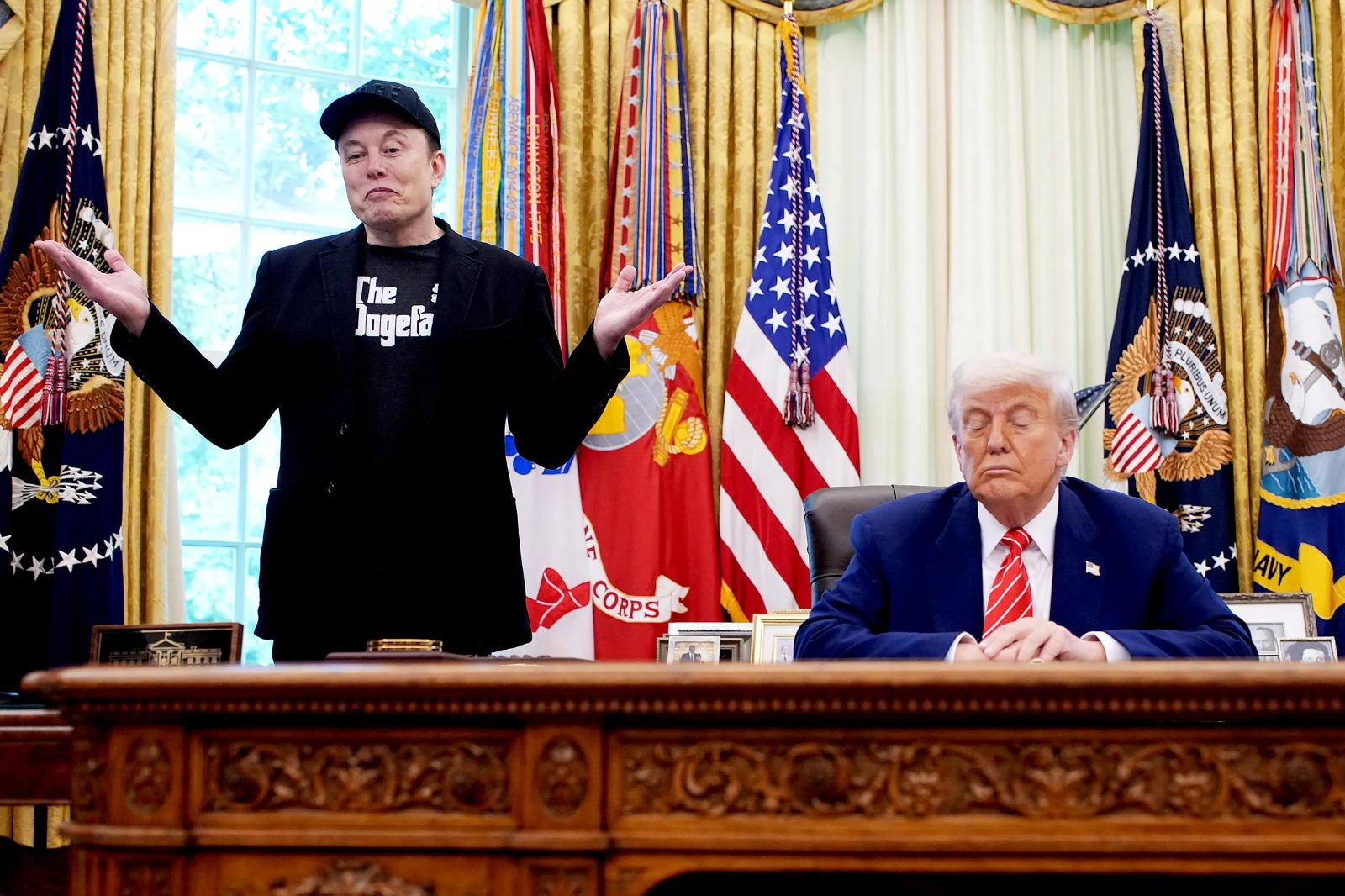
Billionaire entrepreneur Elon Musk has admitted that he feels "pretty foolish" about spending nearly half a billion dollars to support Republican candidates in the 2026 US midterm elections, following a series of sweeping electoral defeats for the party. In another significant political remark, the Tesla and SpaceX chief distanced himself from US President Donald Trump's MAGA movement, declaring, "I'm not MAGA."
Musk made the remarks during a virtual appearance at The New York Times DealBook Summit on Wednesday, November 18. Reflecting on his substantial financial involvement in the midterm election campaign, he acknowledged that the money he invested had failed to deliver the expected political results.
"I feel pretty foolish about having spent so much money and not seeing much for it," Musk said.
He, however, suggested that his financial support might have prevented an even worse performance by Republican candidates.
"But it certainly shows that, you know, American elections are not just about money. You know, obviously you can put a lot of money into an election and have an effect that is relatively minor, and I think that that was the case here," he said.
Admitting that he would reconsider his political spending if given another opportunity, Musk added:
"Probably, if I could rewind the clock, I would have spent less money."
The remarks mark a notable moment for Musk, who emerged as one of the most influential financial backers of the Republican Party and a prominent supporter of Trump's political ambitions.
Musk Spent $446 Million Backing Republican Candidates
According to the BBC, Musk contributed approximately $446 million (£339 million) to support Republican candidates during the 2026 midterm election campaign, making him the campaign's largest individual donor.
His financial involvement was particularly significant in Texas, where several of his business interests, including Tesla and SpaceX, have major operations.
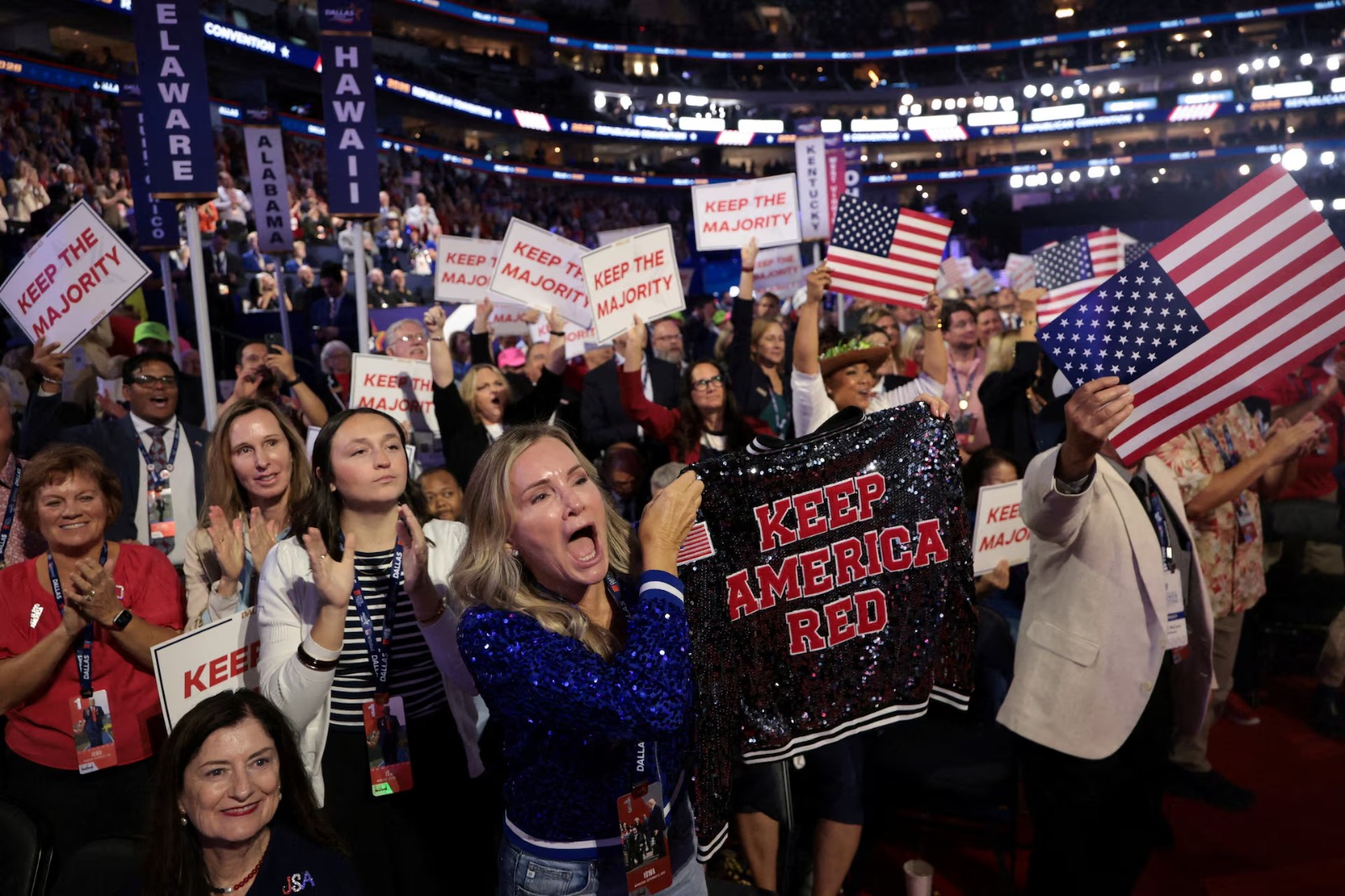
Musk reportedly spent heavily to support Republican candidates in key electoral contests, hoping to help the party retain its political dominance in Congress and important state-level races.
However, the election results proved disappointing for the billionaire.
Democrats secured control of both the US House of Representatives and the Senate, dealing a major political setback to the Republicans and the Trump administration.
Several states also witnessed significant electoral shifts, with Democratic candidates making gains in Texas, Ohio and other traditionally competitive political battlegrounds.
One of the most notable defeats came in Texas, where Democratic candidate James Talarico defeated Republican Ken Paxton in the US Senate race.
According to BBC analysis, Musk had spent at least $45 million supporting Paxton's campaign.
Texas holds particular importance for Musk because it is home to major operations of his electric vehicle company Tesla and aerospace and technology company SpaceX.
Despite the enormous financial investment, Republican candidates failed to secure the victories Musk had hoped for.
'I'm Not MAGA': Musk Distances Himself From Trump's Political Movement
Apart from expressing regret over his election spending, Musk made headlines by distancing himself from the MAGA movement, the political ideology closely associated with Donald Trump.
Asked about his political identity during the DealBook Summit, Musk said:
"I'm not MAGA."
He further questioned what the term actually meant, adding:
"I'm not sure what MAGA means... if that means sort of blind adherence to a set of policies by the Republican Party, then I certainly don't have that."
Musk also described himself as politically moderate and suggested that he did not hold extreme political views.
The statement is particularly noteworthy given his previous association with Trump and his active role in supporting the Republican leader's political campaigns.
During the 2024 presidential election campaign, Musk openly backed Trump and became one of his most prominent billionaire supporters. He also publicly embraced the MAGA movement, at one point describing himself as "Dark MAGA" during a Trump campaign rally.
His latest comments therefore represent a notable shift in how he is publicly positioning himself politically.
Musk also indicated that he recognised positive and negative aspects of both major American political parties, suggesting that his political outlook was not based on unconditional support for Republicans.
Republicans Suffer Major Electoral Setback
The 2026 midterm results have significantly altered the political landscape in Washington.
Democrats' victories in both chambers of Congress represent a serious setback for Trump, whose administration had relied on Republican control to advance its legislative agenda.
The election also exposed the limitations of wealthy donors' ability to influence electoral outcomes through financial contributions.
Musk's enormous spending was intended to strengthen Republican candidates across several important contests. However, the results demonstrated that financial resources alone could not guarantee electoral success.
The defeat in Texas was particularly significant, given the billionaire's extensive business interests in the state and his substantial financial backing of Republican candidates.
Democrats have also indicated that they intend to increase scrutiny of major technology companies, particularly over issues involving data centres, artificial intelligence infrastructure and the relationship between private businesses and government policy.
This could have implications for Musk's companies, especially as Tesla and SpaceX maintain significant commercial and strategic interests in the United States.
Musk's Relationship With Donald Trump
Musk's political involvement expanded considerably during Trump's return to the White House. The billionaire played an important role in supporting Trump's presidential campaign and subsequently became involved in the administration's Department of Government Efficiency (DOGE), which was established to reduce federal spending and restructure government operations.
However, the relationship between the two developed tensions over policy disagreements, particularly surrounding government spending, taxation and the administration's legislative priorities.