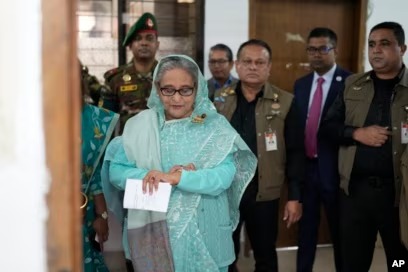
Bangladesh has refused to issue a new passport to former Prime Minister Sheikh Hasina and is insisting that she can return only through formal extradition from India, officials said this month. Hasina, who has lived in India since fleeing amid the August 2024 uprising that ended her long tenure, applied for a fresh passport and National Identity Card through London-based lawyers at Matrix Chambers. The firm emailed the Bangladesh High Commission in New Delhi in early November seeking the documents so she could travel back. Her previous passport and identity card were cancelled after she left the country.
State Minister for Foreign Affairs Humayun Kabir (also referred to as Humaiun Kobir) rejected the request outright. Speaking to reporters in Dhaka, he described Hasina as a “terrorist” and a fugitive, stating that Bangladesh does not issue passports to terrorists. “Bangladesh will not issue a passport to any terrorist; there is no provision for such an action,” he said. “Bangladesh will seek the return of Sheikh Hasina through an acceptable prisoner exchange process.”
Kabir pointed to the 2013 extradition treaty between Bangladesh and India, signed during Hasina’s time in office, as the only legitimate route. He dismissed the passport application as unnecessary drama and questioned the idea of treating her as an ordinary traveller. In remarks reported by Bangladeshi media, he asked rhetorically whether she was coming “to visit her in-laws” and stressed that a passport is not required to bring back someone facing serious charges under an active extradition agreement. He added that if she were handed over, she would be taken into custody under security arrangements.
Hasina has repeatedly said she plans to return voluntarily in December, the month Bangladesh marks its 1971 victory, and surrender to face legal proceedings. In an email response to the Associated Press, she stated: “If death is my destiny, I would rather die on the soil of my own country, among my own people.” She has maintained that the decision is her own and that she is prepared for arrest or worse, while denying the charges against her. Bangladesh’s International Crimes Tribunal sentenced her to death in absentia in November 2025 on crimes-against-humanity charges linked to the crackdown during the 2024 protests. She has rejected the proceedings as flawed.
Law Minister Md Asaduzzaman has said Bangladesh has completed the legal formalities required on its side to seek her return and that the next step rests with New Delhi. The government has described her as a convicted criminal whose return must follow the treaty rather than personal travel arrangements.
On the Indian side, the Ministry of External Affairs has treated the matter as a legal process. Spokesperson Randhir Jaiswal said Hasina’s extradition “is a legal matter and it will be dealt with accordingly,” adding that a travel document is needed for international movement. Indian officials have noted that the absence of a valid passport or emergency travel document could complicate any handover.
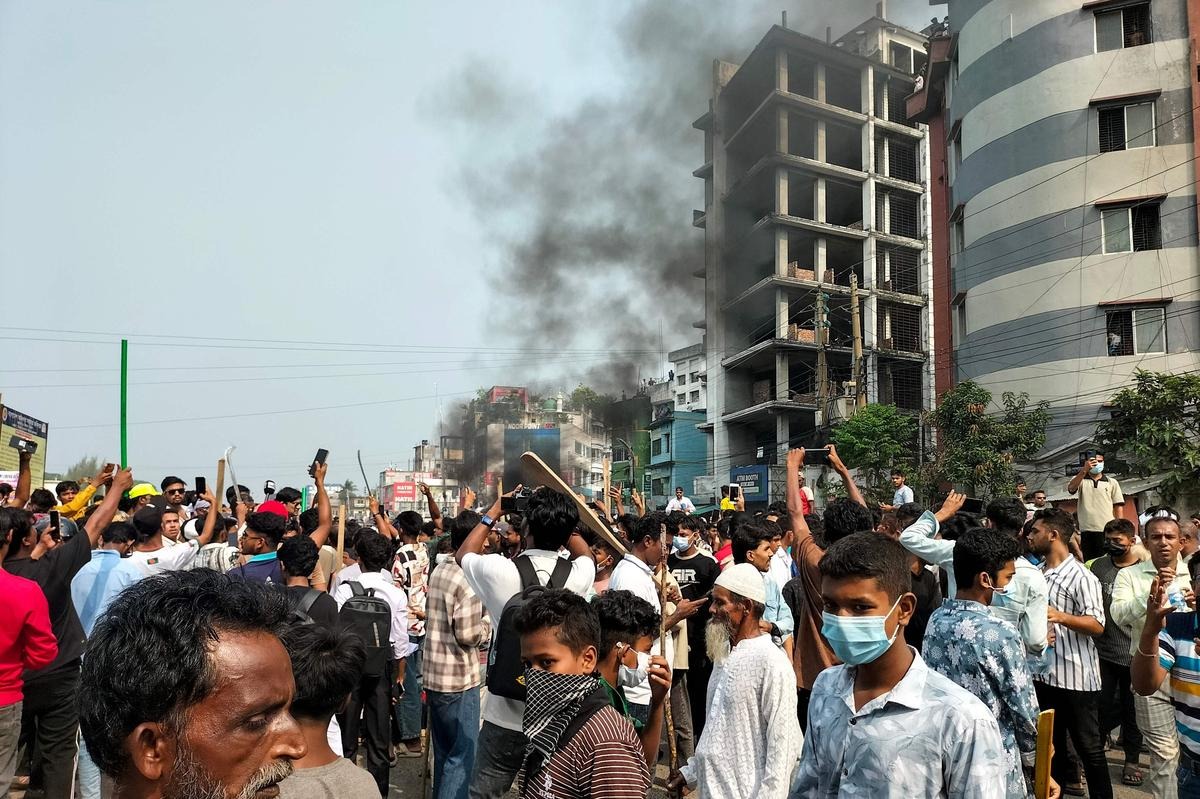
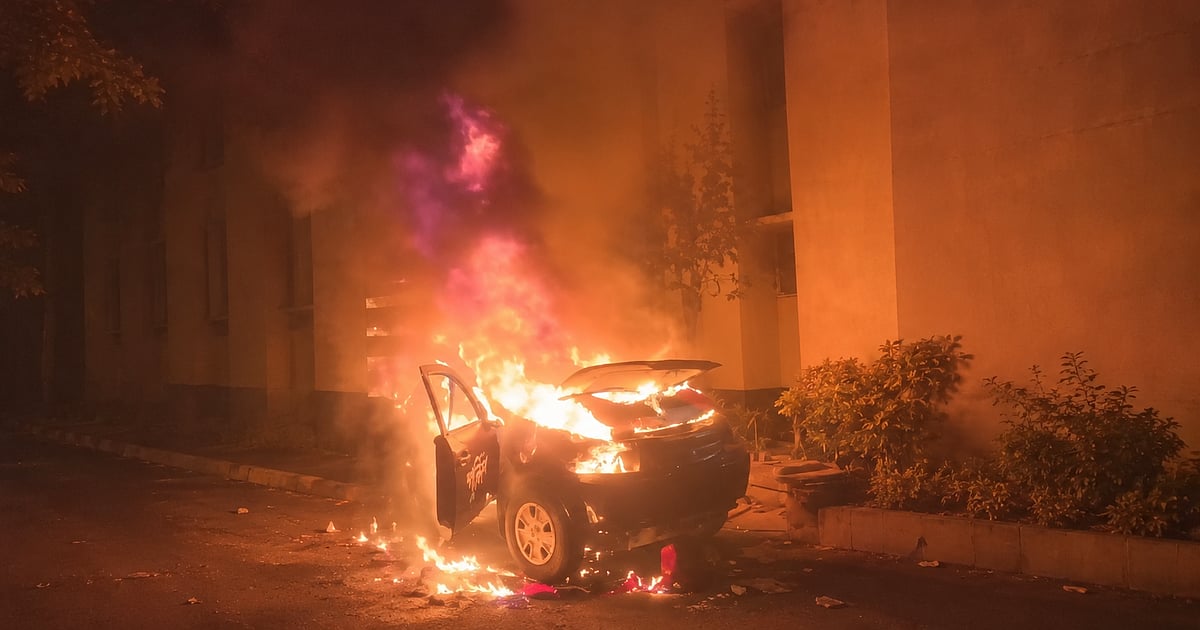
This leaves Hasina without the basic travel document her own government controls, while Dhaka continues to press for her formal extradition rather than a voluntary return on her terms. Bangladesh has made repeated requests to India under the treaty since late 2024, but New Delhi has not announced a decision on handing her over. The standoff over her passport and extradition has already spilled onto the streets. In recent days, supporters of Hasina’s banned Awami League staged protests and a nationwide shutdown that descended into clashes, crude bomb blasts and arson attacks across dozens of districts, leaving several people dead, vehicles and property torched - including the ancestral home of former interim leader Muhammad Yunus and forcing the deployment of paramilitary forces as authorities crack down.