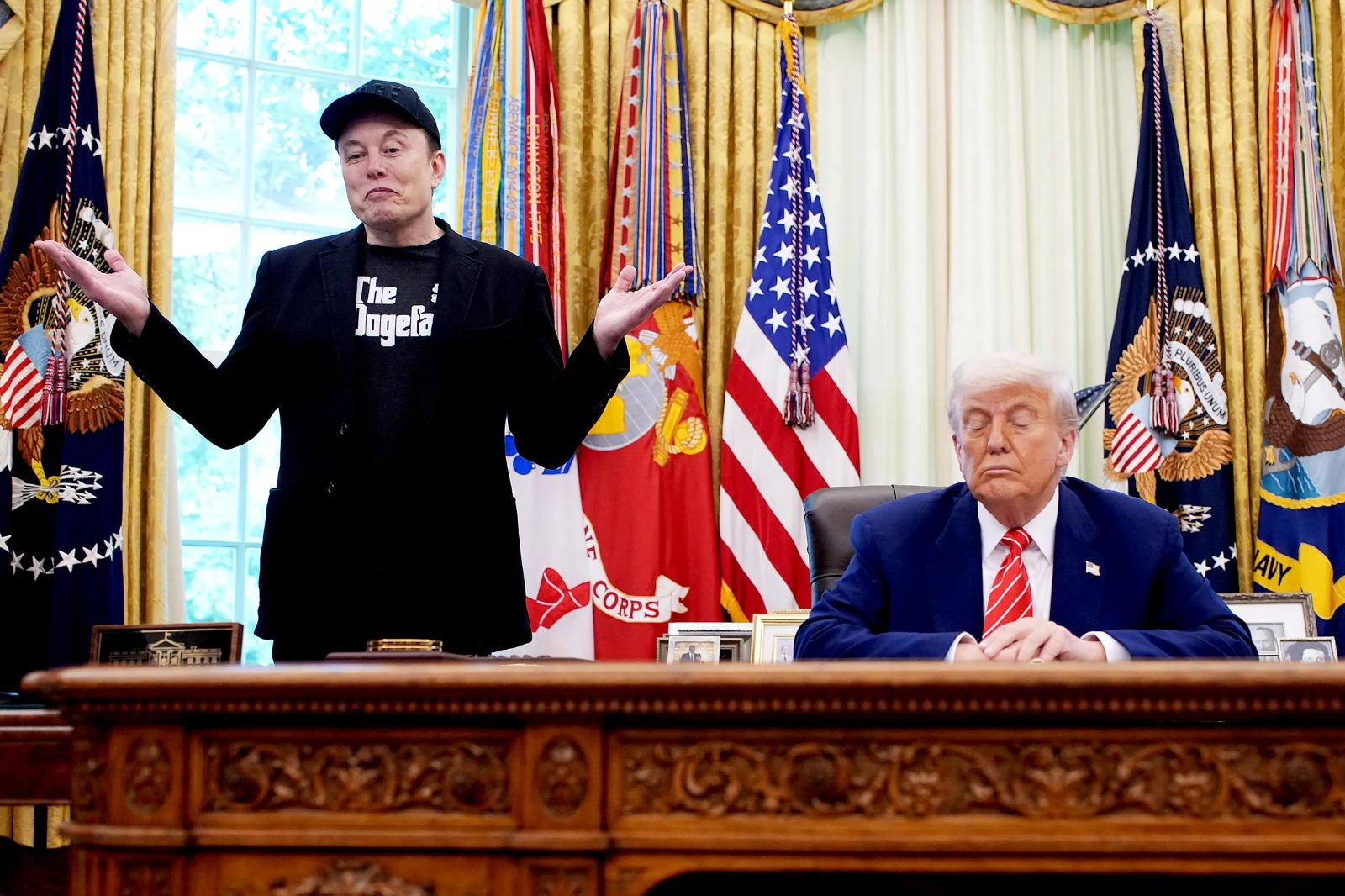

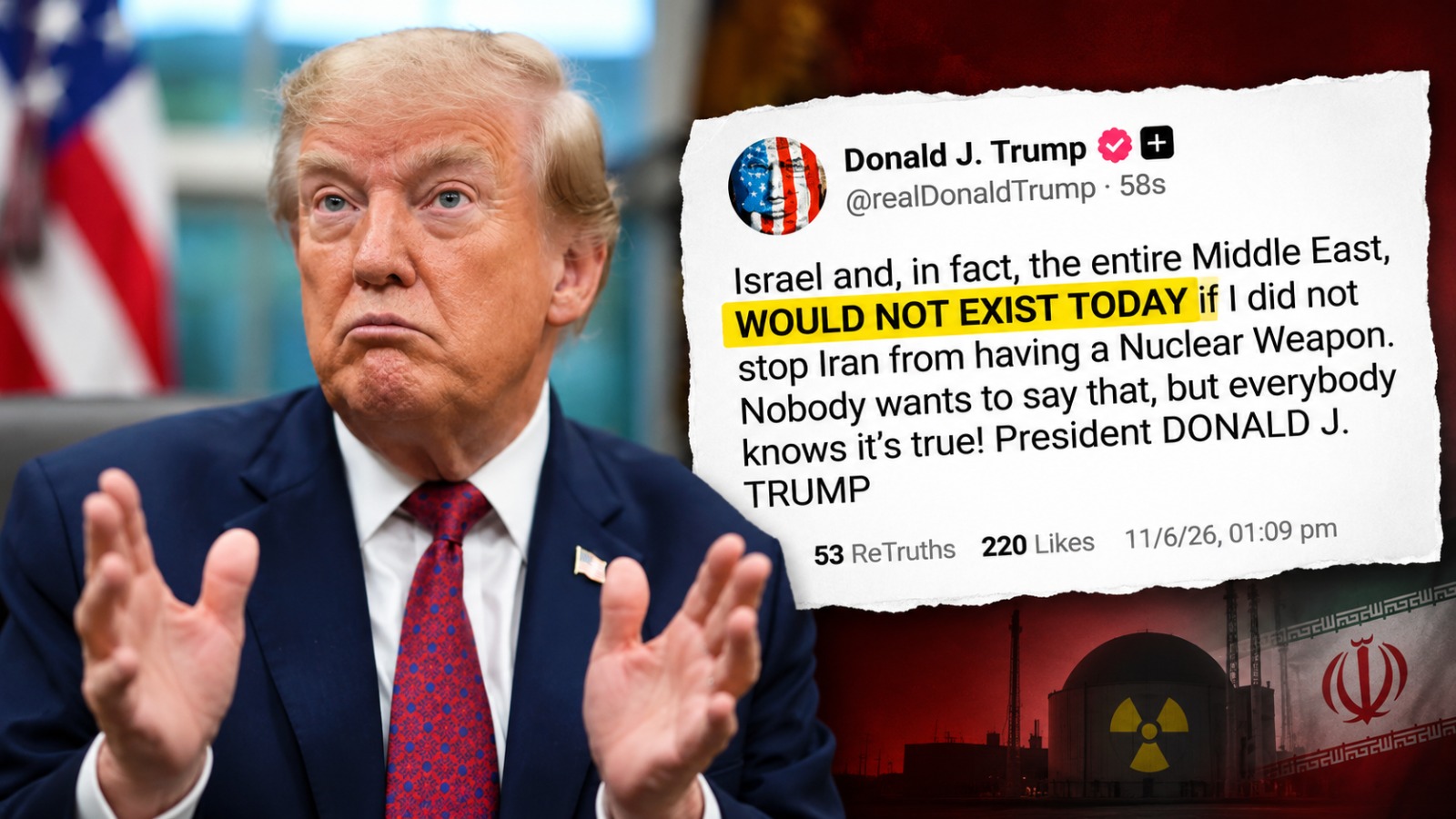
US President Donald Trump has claimed that Israel and the wider Middle East would not exist today had he not prevented Iran from acquiring nuclear weapons. His remarks come amid renewed diplomatic efforts to resolve the conflict with Tehran and growing speculation over a possible resumption of US military operations against Iran.
In a post on his social media platform, Truth Social, on Friday, November 6, Trump credited his administration's actions against Iran with preventing what he described as an existential threat to the region.
"Israel and, in fact, the entire Middle East, WOULD NOT EXIST TODAY if I did not stop Iran from having a Nuclear Weapon. Nobody wants to say that, but everybody knows it's true!" Trump wrote.
The statement comes at a time of heightened tensions between Washington and Tehran, with the Trump administration weighing its next steps in the conflict.
US weighs possibility of renewed strikes
Trump's latest remarks followed his comments to reporters on Thursday, when he indicated that Washington would soon decide whether to resume military operations against Iran.
"I'd rather not destroy the rest of the country if possible, but maybe I will have to," Trump said.
Meanwhile, diplomatic efforts to end the conflict are continuing. According to Reuters, senior Iranian officials said Tehran had sent a fresh proposal on its nuclear programme to Washington through Qatar. The US administration was reviewing the proposal.
However, Iran has reportedly linked further negotiations to the fulfilment of seven demands, including the lifting of US sanctions, the release of frozen Iranian assets, compensation for war damages, an end to the US naval blockade and a reduced American military presence in the region.
Washington, meanwhile, has insisted that Iran's nuclear programme must remain part of any initial negotiations. Iran's top security official, Mohsen Rezaei, has said Tehran would not negotiate or reopen the Strait of Hormuz until its conditions were met.
Hegseth defends military campaign
US Secretary of War Pete Hegseth has also defended the military campaign against Iran, known as Operation Epic Fury.
On Thursday, Hegseth described the operation as a "courageous and historic effort", reiterating the administration's commitment to preventing Iran from acquiring nuclear weapons.
In a video posted on X, he also urged Congress to approve a reconciliation bill providing at least $350 billion for the US military and defence industrial base.