Democrats have scored a sweeping victory in the 2026 US midterm elections, wresting control of both the House of Representatives and the Senate from Republicans in a major setback for President Donald Trump.
The results, announced on Wednesday, November 4, mark a significant political setback for Donald Trump, whose second presidency became the central focus of the election campaign. The outcome is expected to complicate his legislative agenda during the final two years of his term, with Democrats now positioned to challenge his administration through congressional investigations, oversight and legislative resistance.
The Democratic gains extended well beyond traditional battleground states, with the party making significant inroads into Republican strongholds. Several high-profile victories in states that Trump had previously won underscored the scale of the electoral setback for the Republican Party.
Among the most significant victories were Democratic wins in traditionally Republican states. In Texas, Democrat James Talarico defeated Republican Ken Paxton, becoming the first Democrat to win a US Senate seat in the state since 1988. Democrats also flipped Senate seats in Kansas, Iowa, Ohio, North Carolina, South Carolina and Maine. The victories marked a particularly significant breakthrough in Kansas, where Democrats had not won a Senate election since 1932. In Maine, Democrat Troy Jackson defeated five-term Republican Senator Susan Collins, ending her bid for a sixth term.
The results also carry historic significance for several newly elected lawmakers. Abdul El-Sayed's victory in Michigan makes him the first Muslim elected to the US Senate, while Peggy Flanagan's win in Minnesota makes her the first Native American woman to enter the upper chamber. Meanwhile, Democratic leader Hakeem Jeffries is poised to become the first Black Speaker of the House when the new Congress convenes in January. Reacting to the results, Jeffries declared, "Today begins the great American comeback." He is expected to lead the Democrats' efforts to hold the Trump administration accountable.
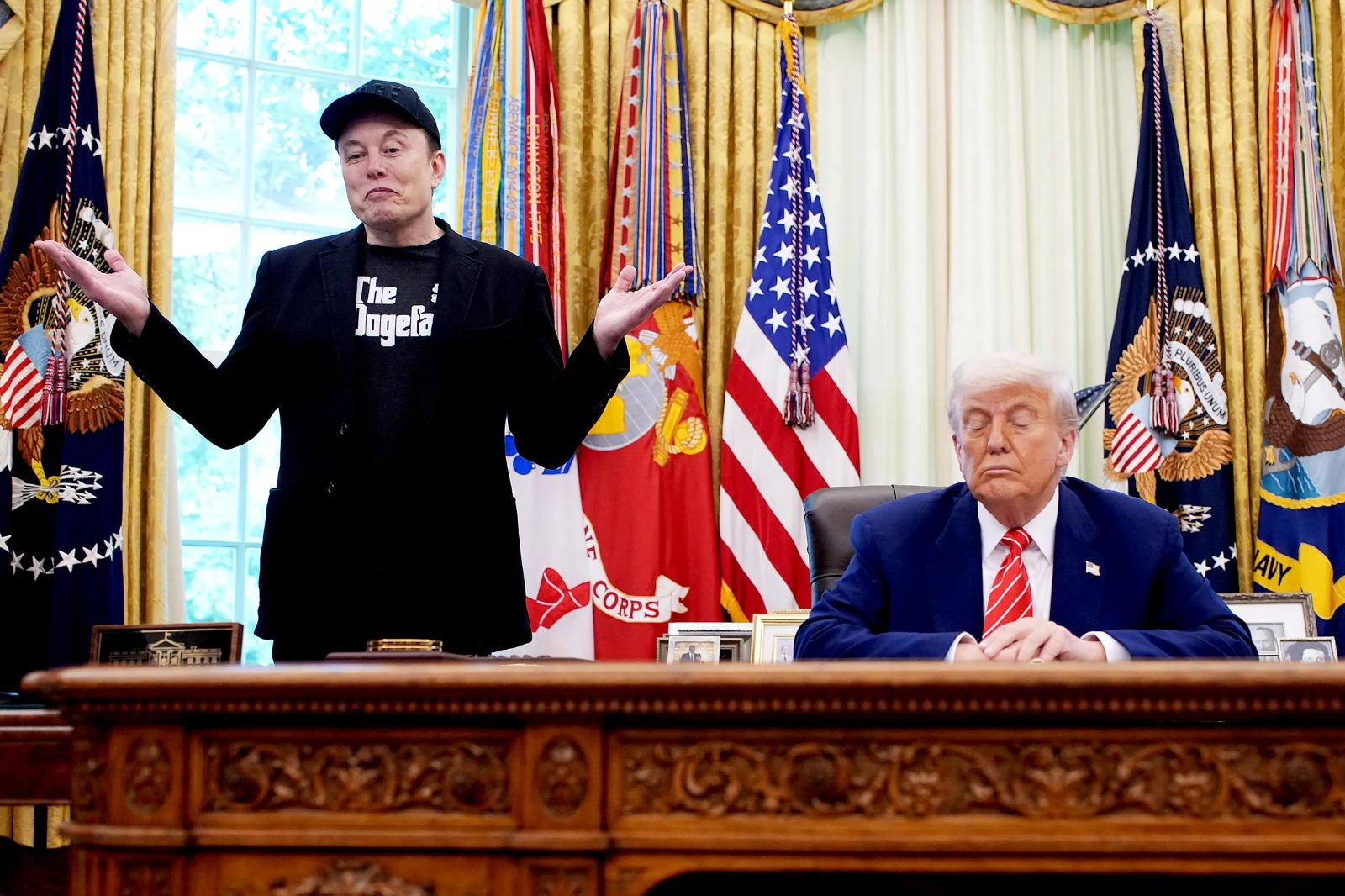
Despite the sweeping Republican losses, President Donald Trump sought to distance himself from the outcome, insisting that the elections were not a referendum on his presidency. In an interview with Fox News, the US President congratulated the Democrats, saying, "The Democrats did a good job. They fought hard." However, he dismissed the suggestion that the results represented a setback for him, adding, “I don't view it as a hit on me. We've had the greatest two years in the history of the presidency." Earlier, Trump had also claimed on social media that Republicans would have won by a landslide had he been on the ballot.
The election results reflect widespread voter dissatisfaction with the administration, particularly over the cost of living, economic pressures and the war with Iran. According to exit polls conducted by SSRS for a consortium of US media organisations, nearly nine in 10 voters identified the cost of living as a major factor influencing their decision. Around two-thirds blamed Trump for high prices, while three-quarters expressed anger or dissatisfaction with the direction of the country.
With Democrats now controlling both chambers of Congress, Donald Trump's administration is likely to face heightened scrutiny, including congressional investigations, challenges to appointments and resistance to his legislative proposals. The outcome has fundamentally altered the political landscape in Washington, setting the stage for an increasingly contentious final two years of Trump's presidency.