
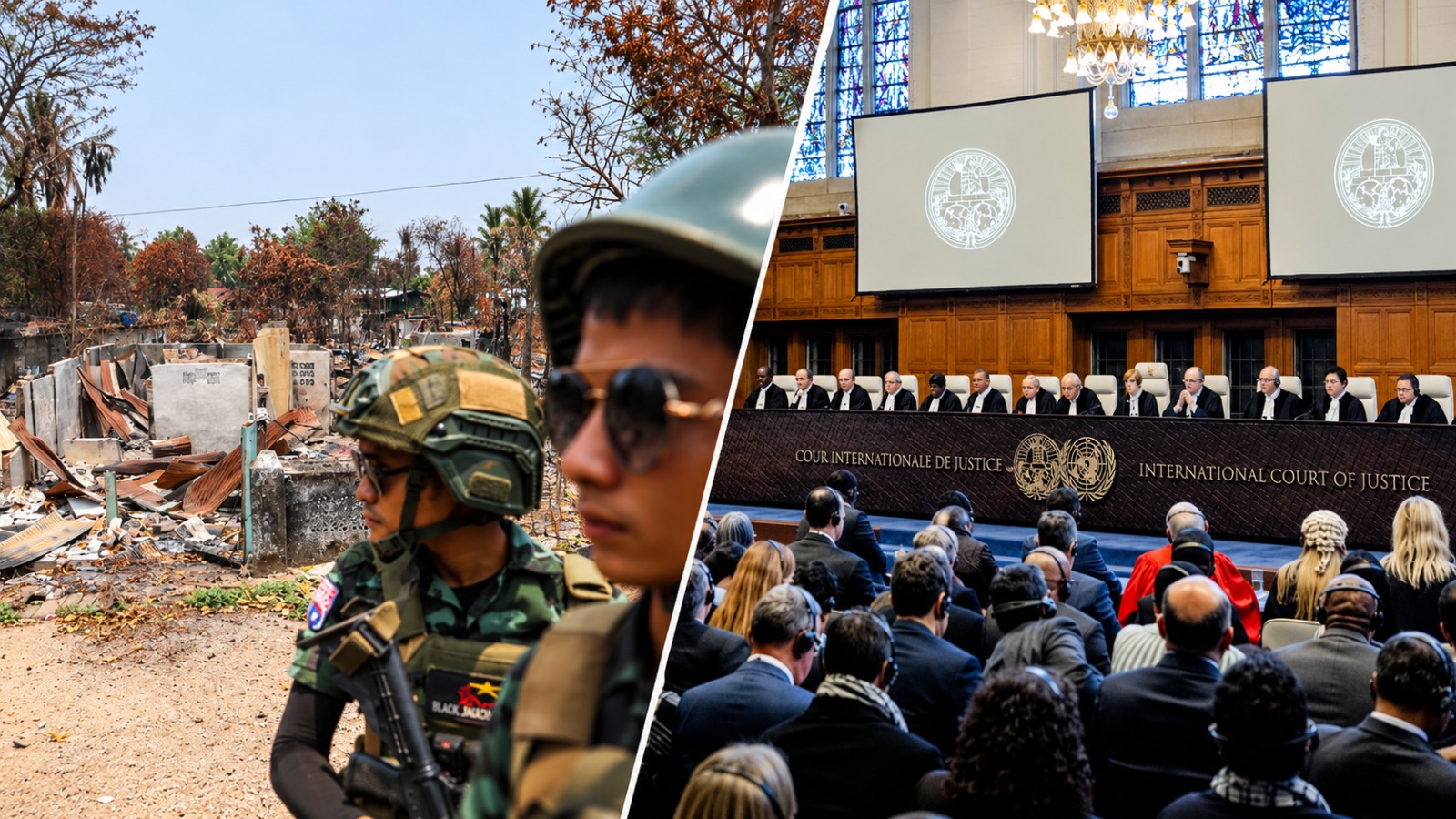
In a historic development, the International Court of Justice (ICJ), the United Nations' highest judicial body, has ruled that Myanmar committed genocide against the Rohingya Muslim minority during the military's 2016 and 2017 clearance operations in northern Rakhine State.
The verdict, delivered on Thursday, November 19, marks the first time an international court has formally found a state responsible for committing genocide.
The court, in a 9-6 majority decision, concluded that Myanmar's military had acted with the intention of destroying a substantial part of the Rohingya population. ICJ President Yuji Iwasawa said that "genocidal intent is the only reasonable inference that can be drawn from the evidence" presented before the court.
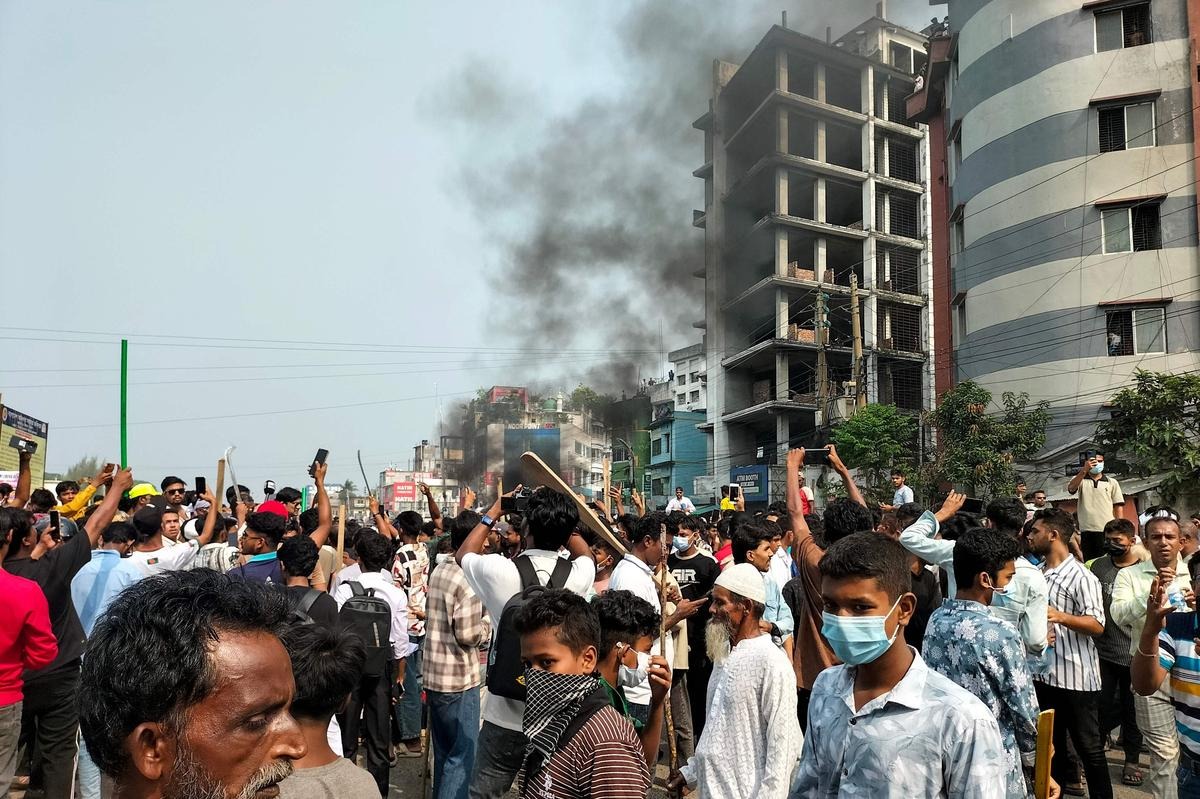
The judgment relates to the brutal military crackdown launched in 2017, which resulted in thousands of deaths, widespread sexual violence and the destruction of Rohingya villages. More than 700,000 Rohingya were forced to flee to neighbouring Bangladesh, where a large refugee population continues to live in camps, particularly in Cox's Bazar.
The case was brought by The Gambia in 2019, accusing Myanmar of violating the 1948 Genocide Convention. Myanmar had consistently denied the genocide allegations, maintaining that its military operations were aimed at countering armed insurgents.
219 Civil Society Organisations Welcome Verdict
The landmark ruling has drawn widespread support from Myanmar's civil society groups. In a joint statement, 219 Rohingya and other Myanmar civil society organisations welcomed the ICJ judgment, describing it as an important recognition of the atrocities suffered by the Rohingya community.
"The highest court in the world has now confirmed what Rohingya survivors have told the world for nearly a decade," the organisations said in their statement.
They further declared: "The destruction of the Rohingya was not a tragedy or an excess of war. It was genocide, planned and carried out by the Myanmar military, and it can never again be denied."
The organisations expressed solidarity with victims and survivors, many of whom continue to live in exile, facing insecurity and uncertainty about their future.
They also urged the international community to ensure the full implementation of the judgment, including reparations, guarantees against further atrocities, recognition of Rohingya identity and restoration of citizenship rights.
Call for Accountability and Safe Return
The civil society groups have called for criminal accountability for Myanmar military chief Min Aung Hlaing and other military leaders allegedly responsible for the atrocities.
They also demanded that Rohingya refugees be allowed to return to their homeland safely, voluntarily and with dignity.
The ICJ has held Myanmar responsible for violating its obligations under the Genocide Convention and has emphasised the country's responsibility to prevent and punish genocide. It has also established Myanmar's obligation to provide reparations, with the precise compensation to be determined at a later stage.
However, enforcing the ruling remains a major challenge. The ICJ is not a criminal court and cannot directly prosecute or imprison individual military officials. Its judgments are legally binding, but implementation depends on international cooperation and political pressure.
For the Rohingya community, the verdict represents a significant milestone in a decades-long struggle for international recognition and justice.
As human rights organisations and civil society groups call for concrete action, attention now turns to whether the historic judgment will translate into accountability, rehabilitation and a safe future for the Rohingya people.