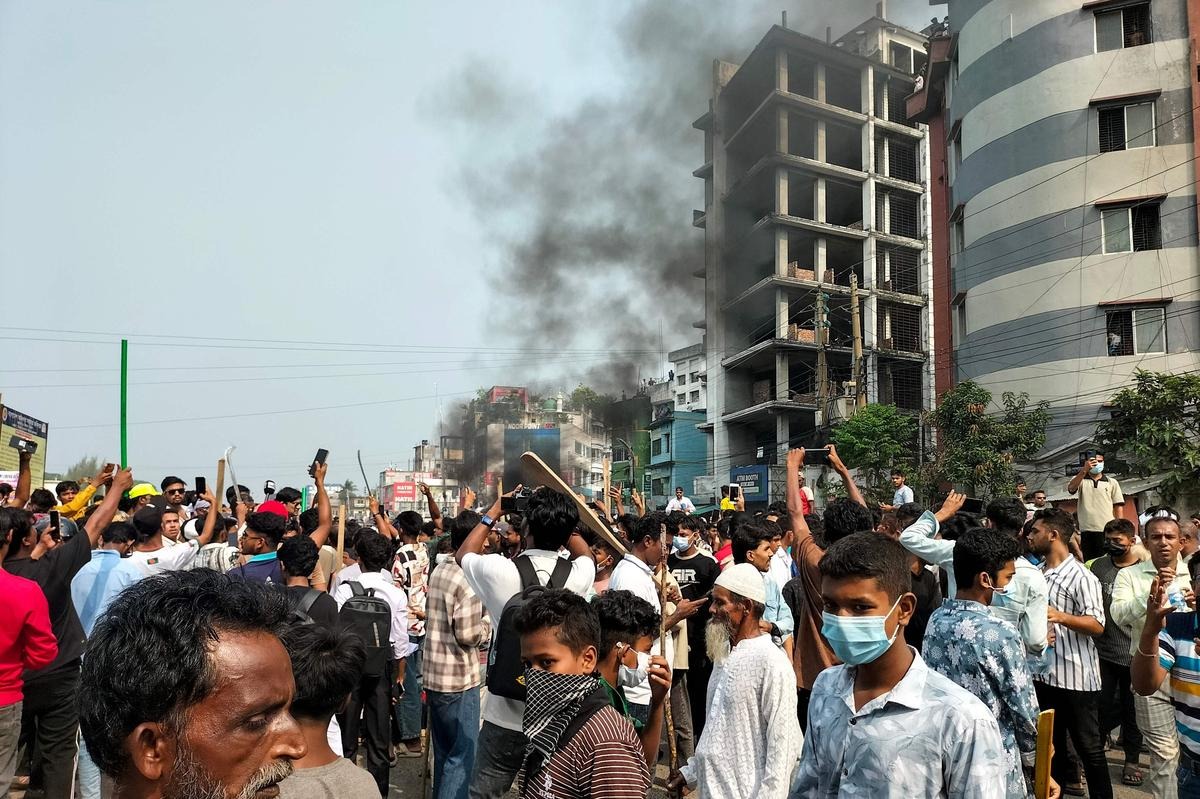
Parts of Bangladesh faced widespread disruption on Thursday as the banned Awami League enforced a nationwide lockdown, coinciding with arson attacks including one on the ancestral home of Nobel laureate Muhammad Yunus in Chattogram. Bomb blasts and vehicle torching were reported in Dhaka and other regions.
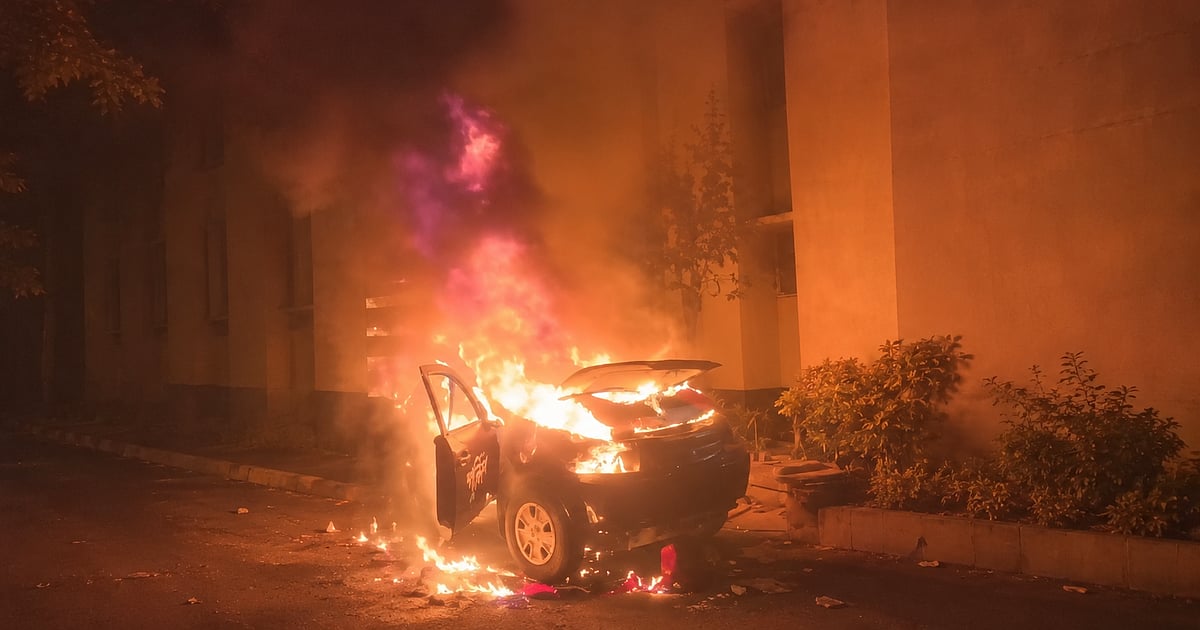
Police confirmed that unidentified assailants set fire late Wednesday to an unused ground-floor room at Yunus’s family residence in the Panchlaish area of Chattogram, about 300 km southeast of the capital. Officers on patrol extinguished the blaze before it spread. Families of Yunus’s two brothers, who occupy the upper floors, were unharmed. Local police said the room had been unoccupied for years and that flammable materials appeared to have been used. Security around the property was subsequently increased. Yunus, who served as chief adviser of the interim government after Sheikh Hasina’s ouster in 2024, has faced hostility from her supporters. Multiple branches and offices of Grameen Bank, the microfinance institution he founded, have also been targeted in arson attacks since early November, with dozens of incidents reported.
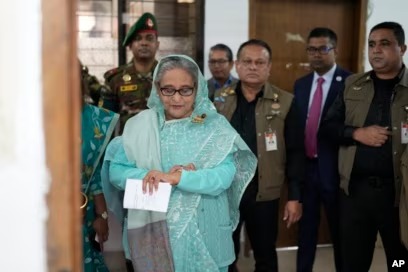
The lockdown, called by the Awami League as the climax of a week-long campaign of rallies and protests, demands the return of former Prime Minister Sheikh Hasina. Hasina, living in exile in India since fleeing Dhaka amid the 2024 student-led uprising, has stated plans to return in December. The current government has rejected her request for a new passport and identity documents. The party’s activities remain banned under anti-terrorism provisions.
Over the preceding 10 days, authorities recorded dozens of crude bomb explosions and vehicle arson incidents across at least 28 of the country’s 64 districts, injuring police personnel and civilians. Additional deaths linked to the unrest include ruling Bangladesh Nationalist Party (BNP) activists in districts such as Narail. In Dhaka, series of improvised device explosions and arson occurred overnight and into Thursday morning despite heightened security, with reports of at least several people wounded. A former education minister from Hasina’s cabinet, Nurul Islam Nahid, was among those detained in the capital.
Authorities responded by deploying 97 platoons of the Border Guard Bangladesh across sensitive districts including Gopalganj and Faridpur, areas with significant Awami League support. Checkpoints were expanded at entry points to Dhaka and major roads, with hundreds of arrests made in the capital alone in the 24 hours before the lockdown. Home ministry officials have attributed much of the violence to overseas Awami League leaders allegedly inciting supporters.
The unrest occurs against the backdrop of Hasina’s in-absentia death sentence last year on charges of crimes against humanity related to the 2024 crackdown. The government has vowed to prosecute those involved in the current sabotage while maintaining that the banned party’s mobilisation will not be allowed to destabilise the country.