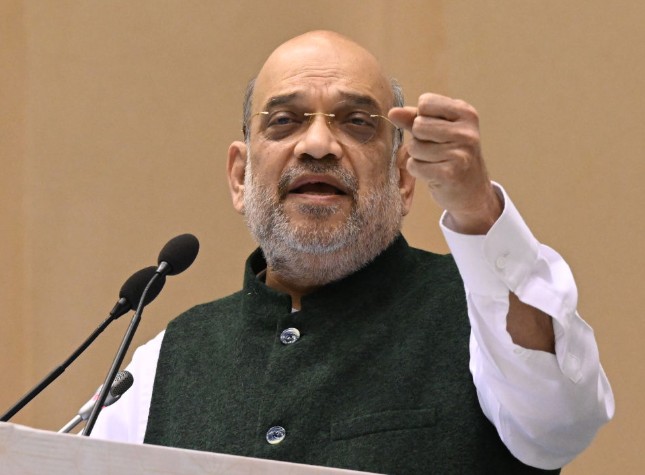
Union Home Minister Amit Shah’s latest remarks in West Bengal, framed around the Uniform Civil Code (UCC), are not merely an electoral promise—they are part of a broader and consistent political messaging that has repeatedly intersected with questions of Muslim identity, personal law, and citizenship.
At a rally in Chatna, Shah posed a pointed question: “Is it right that some people have four wives? Is it right that there is permission to have four wives? Some people can, some cannot.” He went on to add, “You make a BJP government, and we will implement the UCC and bring the same law for Hindus and Muslims. There will be no provision for four wives.”
The rhetoric is familiar. The BJP has, over the years, positioned the Uniform Civil Code as a constitutional ideal—“one nation, one law”—but its articulation on the campaign trail has often been couched in references to Muslim personal practices, particularly polygamy and marriage laws. Critics argue that such framing selectively spotlights Muslim customs, turning a legal debate into a cultural flashpoint.
This is not the first time the party’s political language has drawn scrutiny for its engagement with Muslim identity. From campaigns around “triple talaq” to recurring references to “love jihad,” the BJP’s discourse has frequently blended governance promises with pointed cultural assertions. Shah reiterated this line in Chatna as well, stating that a BJP government would put an end to “love jihad” and “land jihad”—terms that remain politically potent but legally contested.
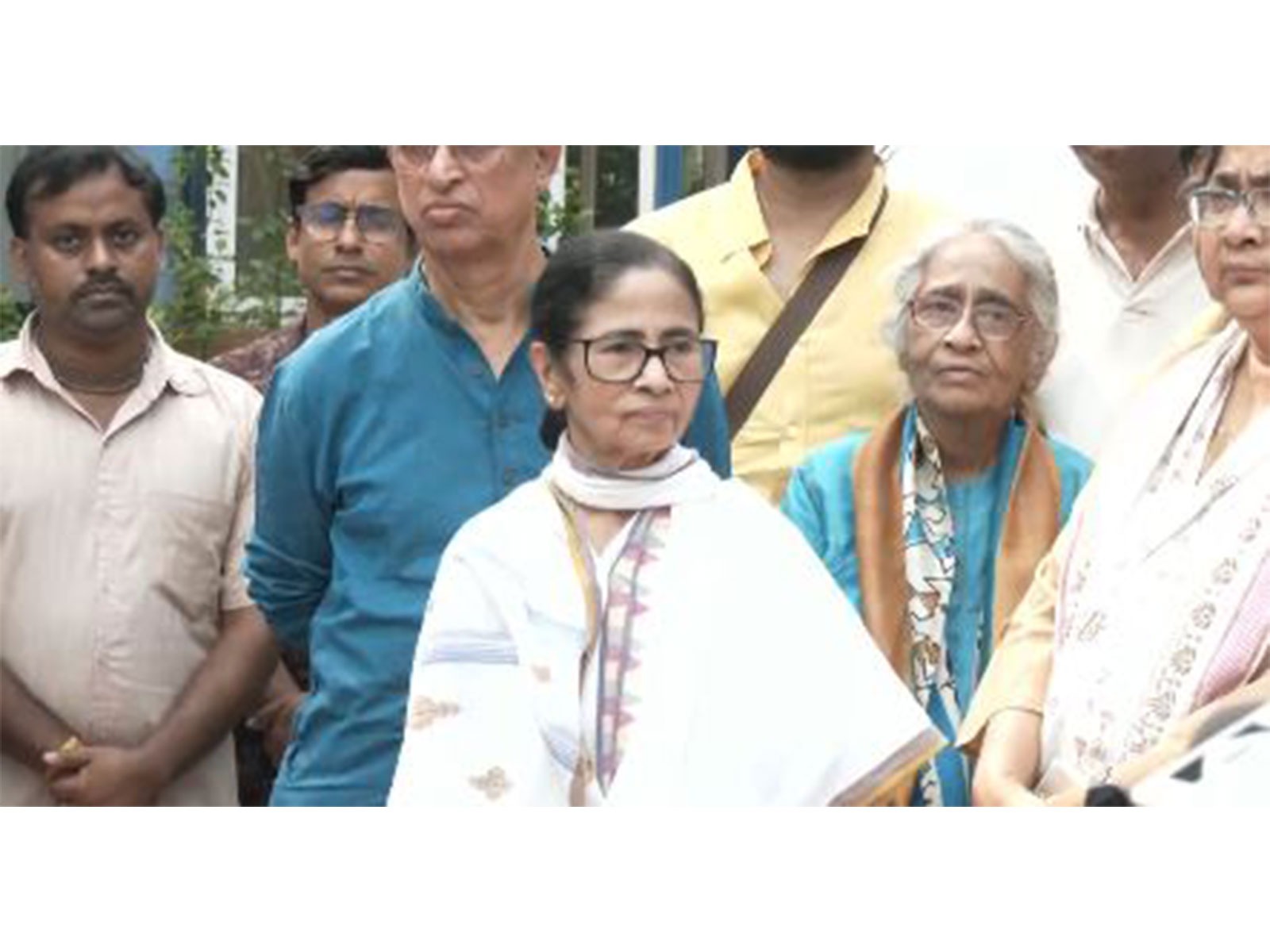
Opposition leaders, including Mamata Banerjee, have argued that the proposed UCC risks infringing upon religious freedoms. Banerjee has framed it as an attempt to impose a “one party, one religion” framework, warning that such a move could erode the diversity of personal laws that currently exist in India.
The Bharatiya Janata Party, however, maintains that the UCC is about equality before the law, a principle enshrined in the Constitution. Yet, the political deployment of the issue—especially during election campaigns—often blurs the line between legal reform and identity politics.
Shah’s speech did not stop at legal questions. He expanded his attack to include allegations of corruption under the state government, claiming that funds sent by the Centre had been siphoned off by a “syndicate.” He warned, “Those involved in the syndicate should note that if a BJP government comes to power, they will have to return the money to the people.” He also alleged that around 300 BJP workers had been killed in political violence, promising legal action against those responsible.
At another level, his remarks invoked questions of representation and dignity. Referring to President Droupadi Murmu, Shah suggested that her elevation as an Adivasi woman had not been welcomed by all political forces—an assertion aimed at reinforcing the BJP’s outreach to tribal communities.
Yet, it is the framing of the UCC debate that remains most politically consequential. By foregrounding a question like “Is it right for some to have four wives?”, the conversation shifts from abstract legal reform to a more pointed interrogation of a specific community’s practices. In a state like West Bengal—with its complex social fabric and significant minority population—such messaging carries both electoral weight and social implications.
As the campaign intensifies, Shah’s remarks underscore a larger pattern: the intertwining of governance promises with identity-driven narratives.