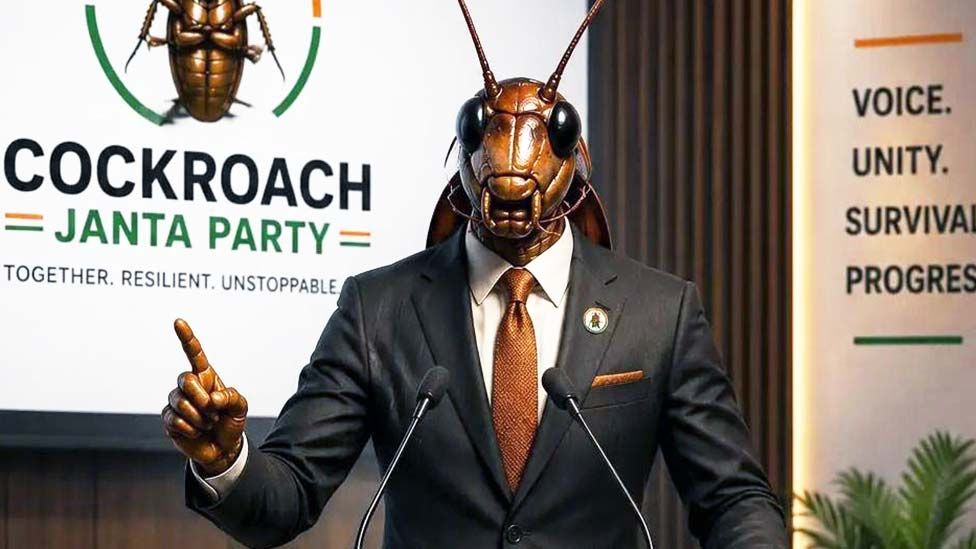
The rapidly growing online movement known as the “Cockroach Janta Party” (CJP) has entered a new phase of controversy and legal attention, with multiple trademark applications being filed to register the name amid its soaring popularity on social media platforms.
According to reports, at least three separate trademark applications have been submitted before the Trade Marks Registry seeking rights over the phrase “Cockroach Janta Party”. The filings come at a time when the satirical digital movement has emerged as one of the most talked-about political phenomena online, particularly among younger users.
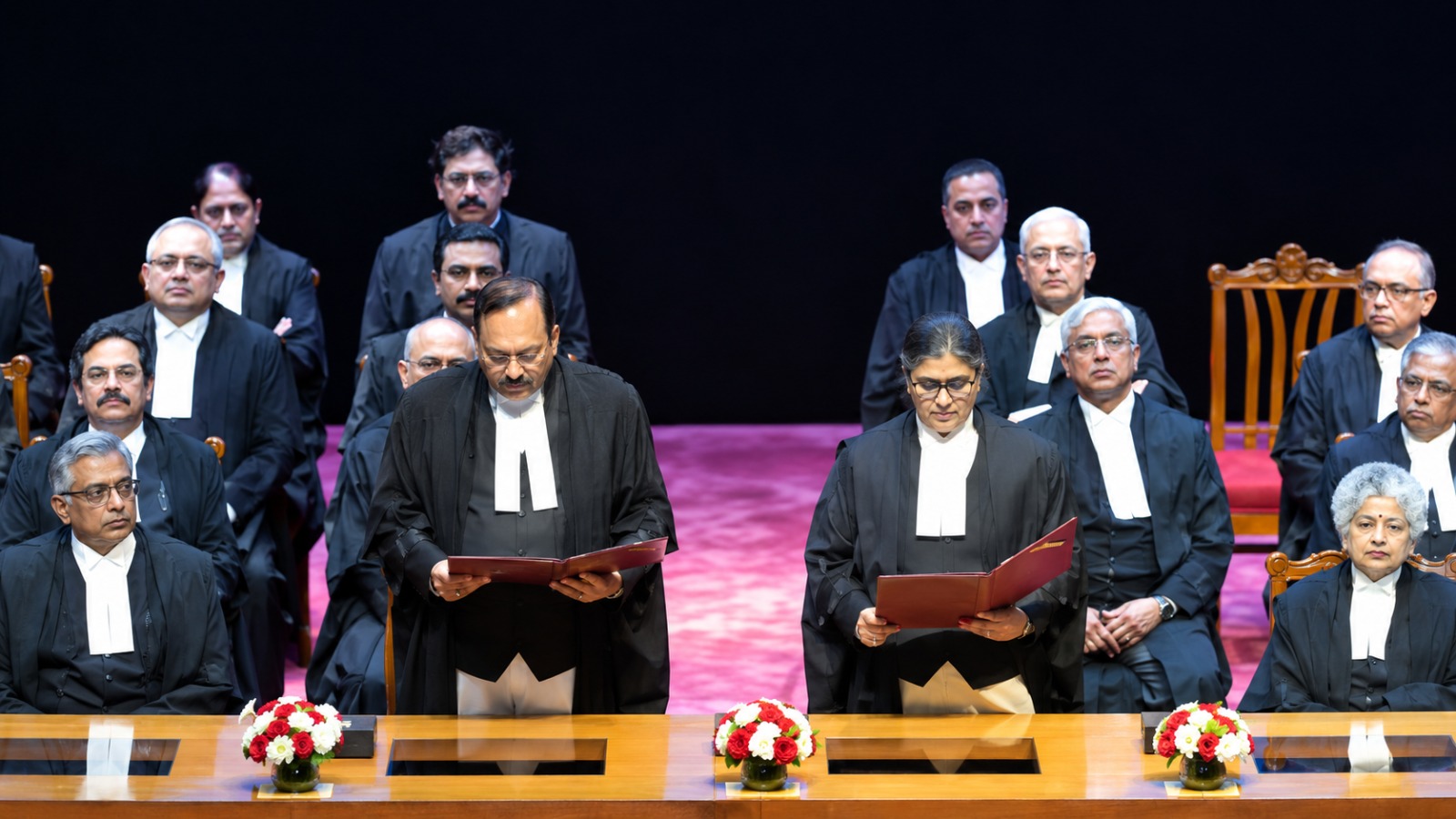
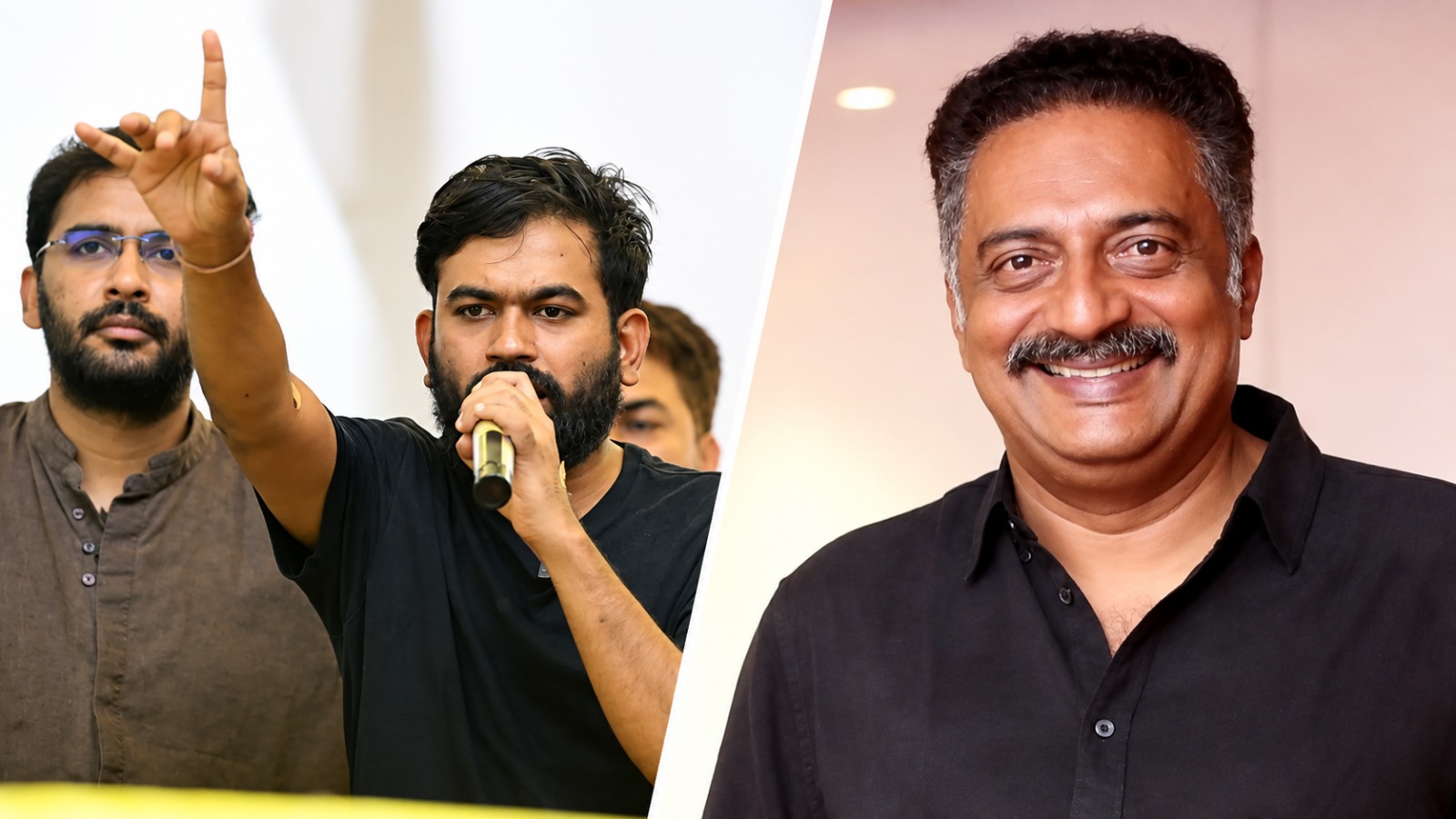
The movement was founded by Abhijeet Dipke, a political communication strategist currently based in the United States. Dipke launched the platform shortly after controversial remarks made by Chief Justice of India Surya Kant during a court hearing, where references to “cockroaches” and “parasites” triggered widespread backlash and online debate. The CJI later clarified that his comments were aimed at individuals entering professions with “fake and bogus degrees,” and not at India’s youth in general.
What began as an online satire campaign soon transformed into a wider youth-driven digital movement addressing issues such as unemployment, examination paper leaks, rising frustration among students, and governance concerns. The platform describes itself as the “Voice of the Lazy & Unemployed” and claims to represent the anxieties of India’s younger generation.
Within days of its launch on May 16, the movement witnessed explosive growth online. Reports stated that the Instagram account of the Cockroach Janta Party crossed over 10 million followers initially and later expanded beyond 22 million followers, surpassing the social media following of several mainstream political parties, including the BJP and Congress on Instagram.
The trademark filings reportedly include separate applications from individuals as well as a proprietorship linked to Dipke’s organisation. The applications were filed under Class 45, which covers legal, security and social services.
At the same time, the movement has become entangled in legal and political controversies. The CJP’s X (formerly Twitter) account was withheld in India following what the platform described as a legal demand. Dipke later alleged that the party’s website was taken down and that some of the movement’s social media accounts had been hacked.
Dipke subsequently approached the Delhi High Court challenging the blocking of the party’s accounts and alleging suppression of online speech. Reuters reported that Dipke also claimed his family had received threats, although those claims remain independently unverified.
The issue has now reached the judiciary in multiple forms. A lawyer recently sought action against the movement, alleging that it was tarnishing the image of the judiciary. During the hearing, Chief Justice Surya Kant reportedly advised against taking the issue “so sentimentally,” while indicating that the matter would be heard in due course.
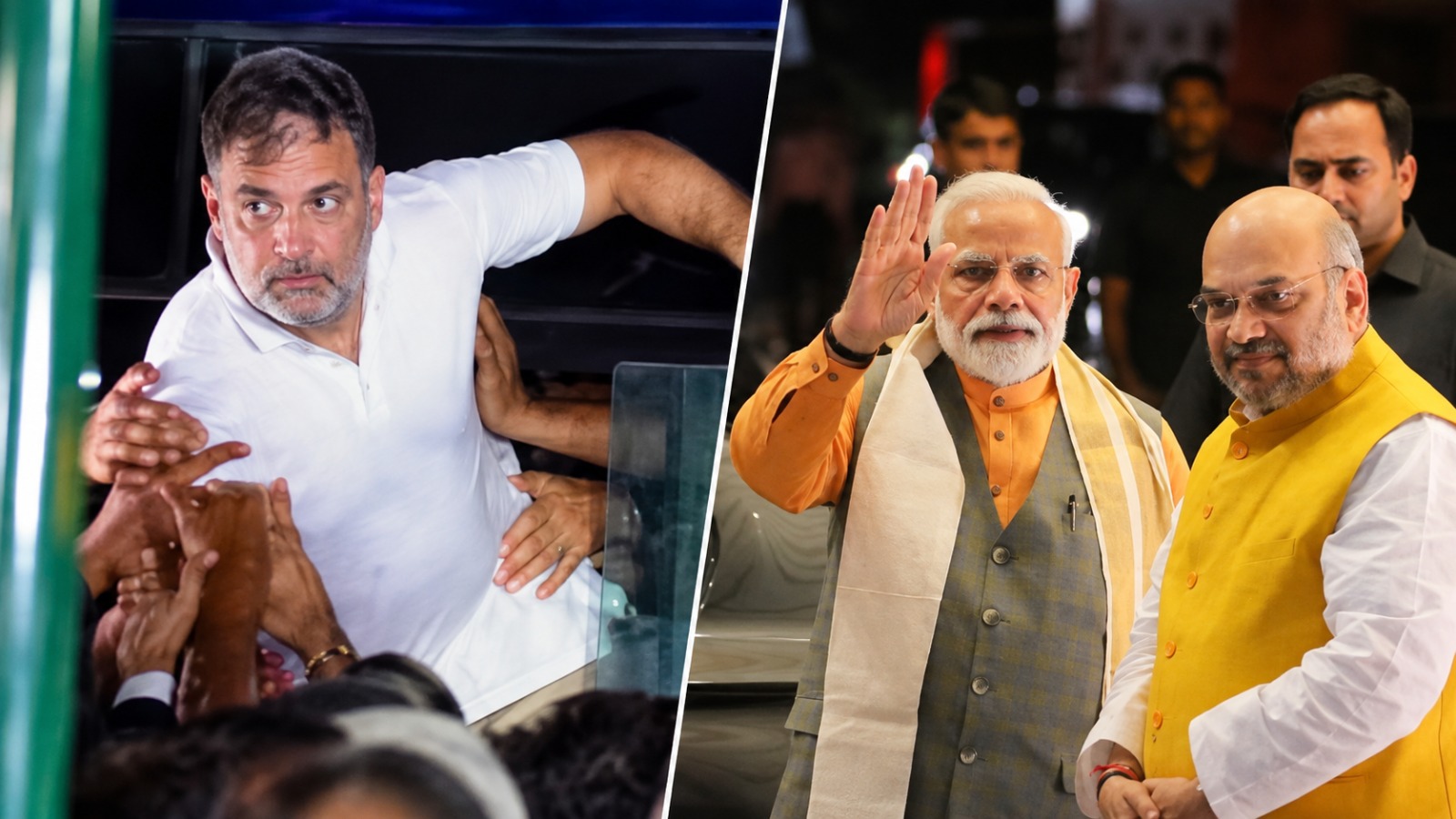
Political reactions have also intensified around the movement. Several opposition leaders and activists have either publicly interacted with or expressed support for the online campaign. At the same time, BJP leaders and some commentators have questioned the authenticity and rapid growth of the platform, with sections of social media debating whether the movement reflects genuine youth frustration or an amplified digital trend.
Meanwhile, discussions surrounding the Cockroach Janta Party continue to dominate online political discourse, with supporters presenting it as a form of political satire and digital dissent, while critics accuse it of misinformation and targeted provocation. The ongoing trademark battle, court proceedings and platform restrictions are likely to keep the movement at the centre of national attention in the coming weeks.