
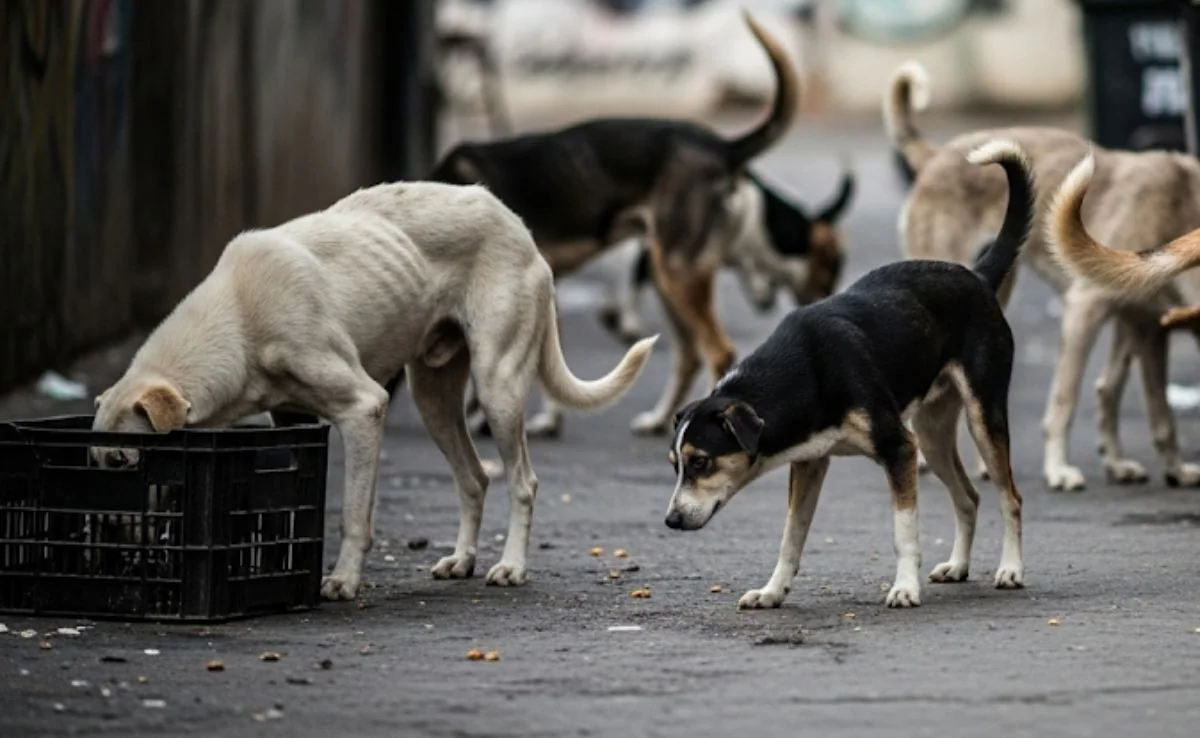
Jadavpur University (JU) has decided to renovate an existing dog shelter and construct two additional shelters on campus following protests by students and teachers over recent restrictions on feeding stray dogs. The decision was taken during a meeting of the university’s Animal Welfare Committee on Monday.
According to university officials, an open dog shelter near the pharmacy building — established in 2014 during the tenure of former Vice Chancellor Abhijit Chakrabarti — had gradually become defunct over the years. The committee has now resolved to restore that facility and develop two more shelters where dogs can be fed and cared for.
The committee also decided that dogs living on the campus would be fitted with collars to help distinguish them from animals entering from outside the university premises.
“A dog shelter was created near the pharmacy building on the campus in 2014 when Abhijit Chakrabarti was the Vice Chancellor. But that became defunct over the years. That open dog shelter will be renovated. Two more open dog shelters will be developed. Dogs can be fed in these shelters,” a member of the committee said.
The development comes days after the university’s Animal Welfare Committee faced criticism for recommending restrictions on feeding dogs and cats in several parts of the campus. The recommendations followed multiple incidents of dog bites reported within the university premises.
The committee had proposed banning the feeding of stray animals in crowded areas such as canteens, hostels, university gates, roads and walkways. The proposal triggered strong opposition from sections of students and faculty members, many of whom argued that the restrictions failed to provide alternative feeding arrangements for the animals.
More than 600 members of the university community signed a memorandum addressed to Vice Chancellor Chiranjib Bhattacharjee, expressing concern that the proposed measures could effectively deprive campus dogs of access to food. Protesters maintained that stray animals had long been part of the university environment and should be treated humanely.
Following the backlash, the Animal Welfare Committee held an emergency review meeting. Committee chairman Diganta Saha, who is also a professor in the Department of Computer Science and Engineering, said the university did not view the dogs as a problem and acknowledged them as part of campus life. He added that the recommendations were aimed at addressing safety concerns arising from recent dog-bite incidents.
“Until the dog shelters are renovated and developed, the dogs can be fed in areas barring the places where restrictions had been recommended last week,” Saha said.
Students involved in the protests welcomed the latest decision, saying the creation of designated shelters and feeding zones addressed concerns raised after the committee’s earlier resolution.
“The committee, in its May 18 resolution, while disallowing feeding dogs and cats within JU’s main campus and the National Instruments Limited campus at Jadavpur and Salt Lake — particularly in crowded areas like canteens, student hostels and gates — did not mention any alternative feeding sites. This created an impression that the committee was trying to starve the dogs,” a student involved in the movement said.
“The committee has now decided to create alternative feeding zones after we protested,” the student added.
University officials said that until the new shelters are completed, restrictions on feeding in certain crowded areas will remain in place, although feeding will be permitted in other parts of the campus.
The latest decision comes amid continuing discussions within the university over balancing campus safety concerns with animal welfare measures.