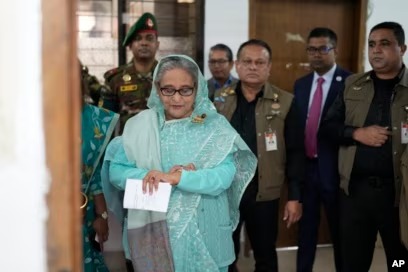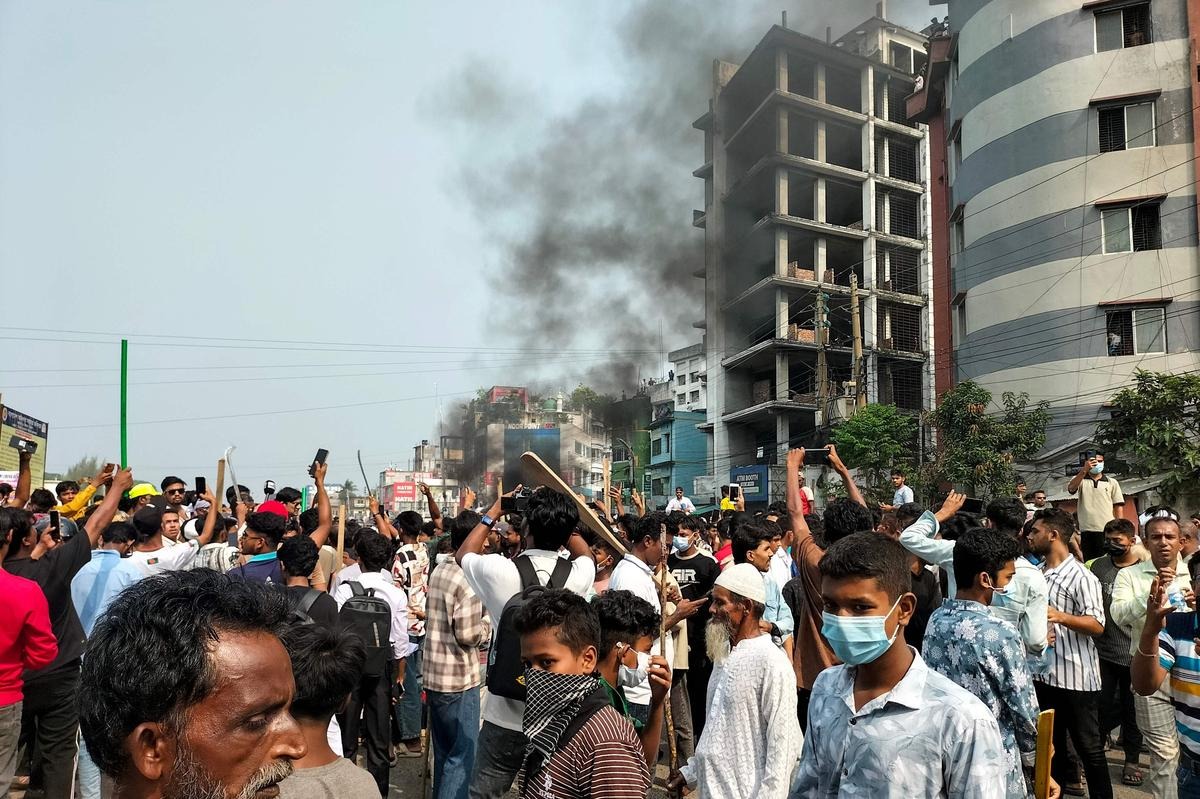

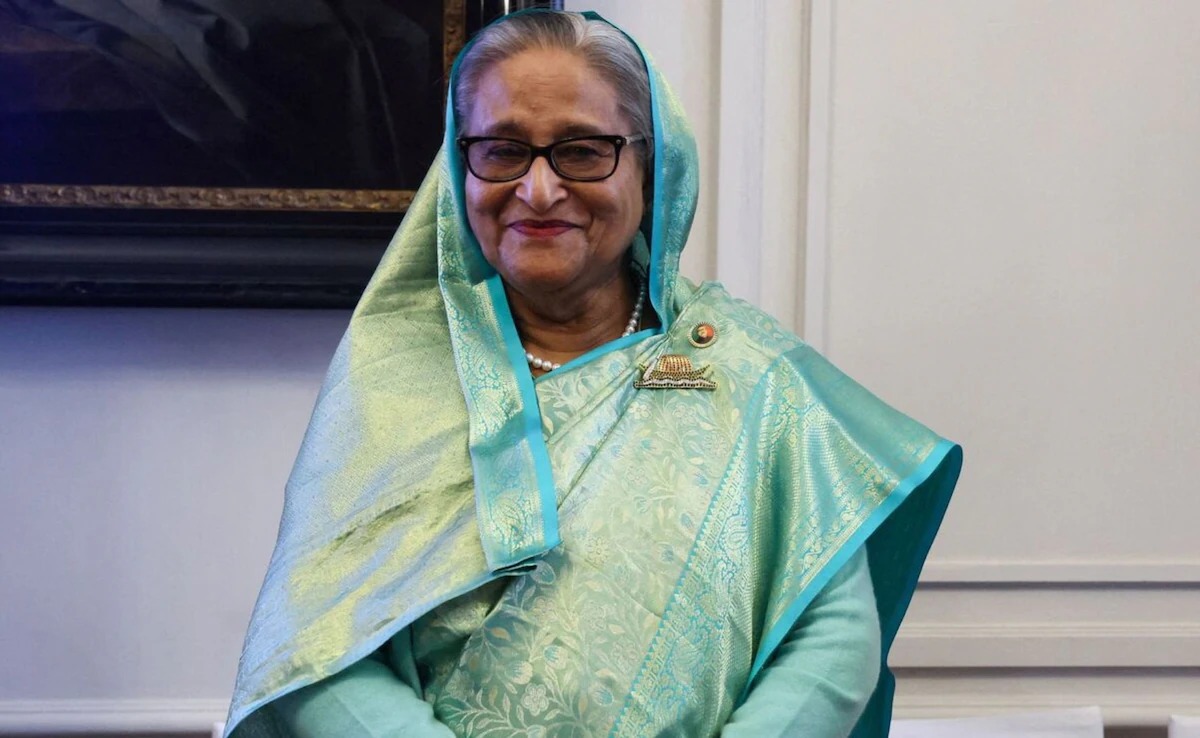
Bangladesh has rejected former prime minister Sheikh Hasina’s request for a fresh passport and National Identity Card (NID), insisting that she must return to the country through the extradition process rather than as an ordinary traveller.
State Minister for Foreign Affairs Humaiun Kobir on Monday ruled out issuing new travel documents to Hasina, who has been living in India since fleeing Bangladesh in August 2024 following a student-led uprising that ended her 20-year rule.
“Bangladesh does not issue passports to terrorists,” Kobir told reporters in Dhaka, reiterating the government's demand that India hand over the former prime minister.
“She is a fugitive criminal. We have an active extradition treaty with India. We want her handed over,” he said.
Hasina seeks fresh travel documents ahead of planned return
The Bangladesh government's response came after Hasina's London-based legal representatives, Matrix Chambers, approached the Bangladesh High Commission in New Delhi seeking a new passport and NID card on her behalf.
In a letter addressed to Preeti Rahman, the acting high commissioner at the Bangladesh mission, the lawyers requested that the documents be issued to their client following the reported cancellation of her existing passport and identity card by the interim administration.
“In view of the reported revocation of her existing Bangladeshi passport and National Identity Card (NID) by the Interim Government and other authorities, I respectfully request that you take the necessary steps to issue a new Bangladeshi passport and National Identity Card for our client,” the letter stated.
The legal representatives argued that the request was based on Hasina's Bangladeshi nationality and the country's obligations under applicable international human rights instruments.
Hasina has indicated that she intends to return to Bangladesh in December and surrender before a court. Her aides have said that the date of her return would be announced after the necessary formalities are completed.
Dhaka insists on extradition from India
Kobir maintained that Hasina could not be treated as an ordinary traveller given the legal cases against her in Bangladesh.
“Should we treat her like an ordinary commercial traveller and tell her to come and visit her in-laws' residence?” he asked.
He said Dhaka had sent multiple communications to New Delhi seeking Hasina's extradition under the bilateral treaty between the two countries.
Bangladesh's chief prosecutor Md Aminul Islam also questioned Hasina's stated intention to return, describing the reported developments as political posturing.
Her potential return comes against the backdrop of a November 2025 verdict by a Bangladeshi tribunal, which sentenced her to death in absentia over her alleged role in ordering a deadly crackdown on protesters during the 2024 uprising.
Hasina has denied the allegations and questioned the legitimacy of the proceedings.
India yet to announce decision on extradition
India has not announced a decision on Bangladesh's extradition request. In April, the Ministry of External Affairs said it was examining Dhaka's request and expressed its intention to “engage constructively with the new government and further strengthen bilateral ties”.
Hasina's possible return could have significant political and diplomatic implications for both countries. Relations between New Delhi and Dhaka deteriorated after India provided refuge to the former prime minister following her departure from Bangladesh.
Meanwhile, her Awami League party, which was barred from political activities after her removal from office, has maintained that she intends to return and face the legal proceedings against her.
The Bangladesh government, however, continues to insist that her return must take place through the formal extradition mechanism.