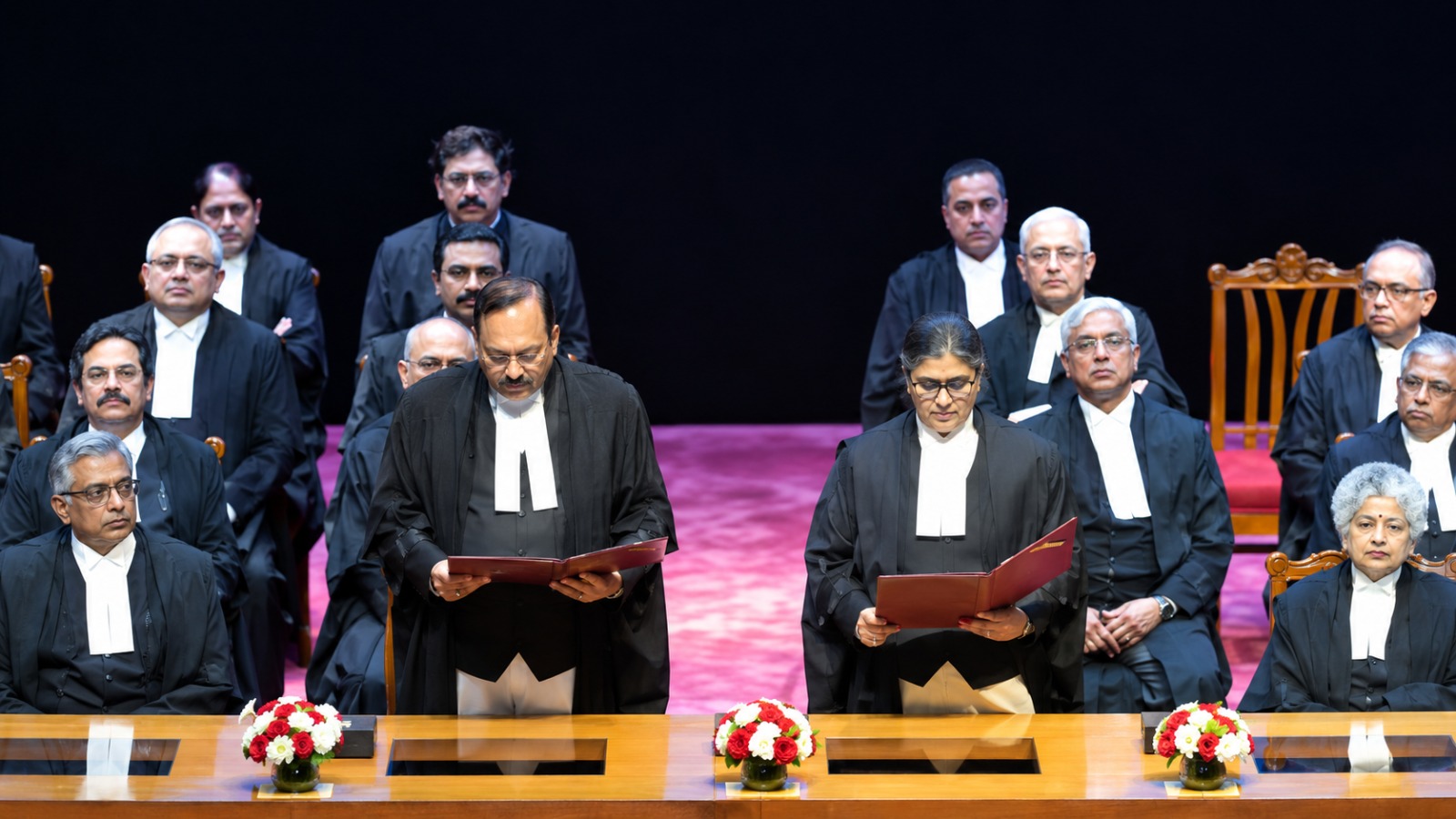
The Delhi High Court on Tuesday directed the restoration of the original X (formerly Twitter) account of the Cockroach Janta Party (CJP), which had been withheld in India following a government directive.
Justice Swarana Kanta Sharma passed the order after Solicitor General Tushar Mehta, representing the Centre, informed the court that the government no longer had objections to unblocking the account. Mehta submitted that the account - @CJP_2029 - was blocked primarily to prevent potential chaos and unrest among students and parents ahead of the NEET re-examination. With the exams now concluded, those concerns were no longer relevant.
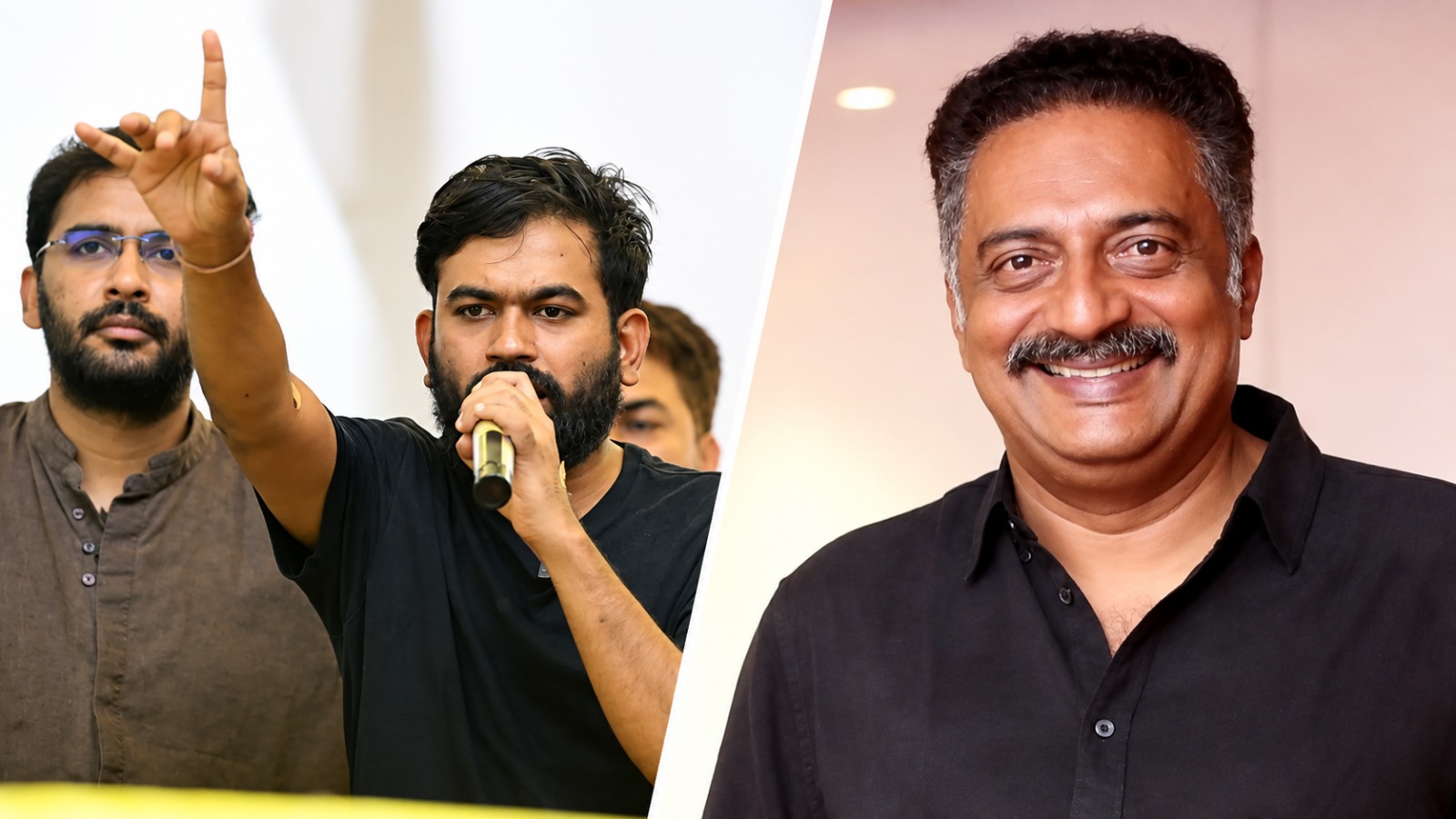
The development marks a notable win for CJP founder Abhijeet Dipke, who had challenged the blocking of the account through a writ petition. The court allowed the plea after taking note of the Centre’s changed stance.
The CJP’s original X handle was withheld in India on May 21, shortly after the satirical youth oriented movement gained massive traction online. The group had emerged in response to controversy surrounding remarks attributed to the Chief Justice of India during a court hearing, which were widely interpreted (and later clarified by the CJI) in the context of unemployed youth and fake degrees. CJP positioned itself as a platform for young people expressing frustration over issues like the alleged NEET-UG 2026 paper leak and broader education system failures, demanding the resignation of Union Education Minister Dharmendra Pradhan.
Following the initial block on national security grounds, the group created alternative handles, such as "Cockroach is Back," which continued to grow its following. The original account’s suspension had been a point of contention, leading Dipke to approach the Delhi High Court. Earlier hearings in late May saw the court decline immediate restoration and refer the matter to a review committee under IT Rules, while issuing notices to the government and X.
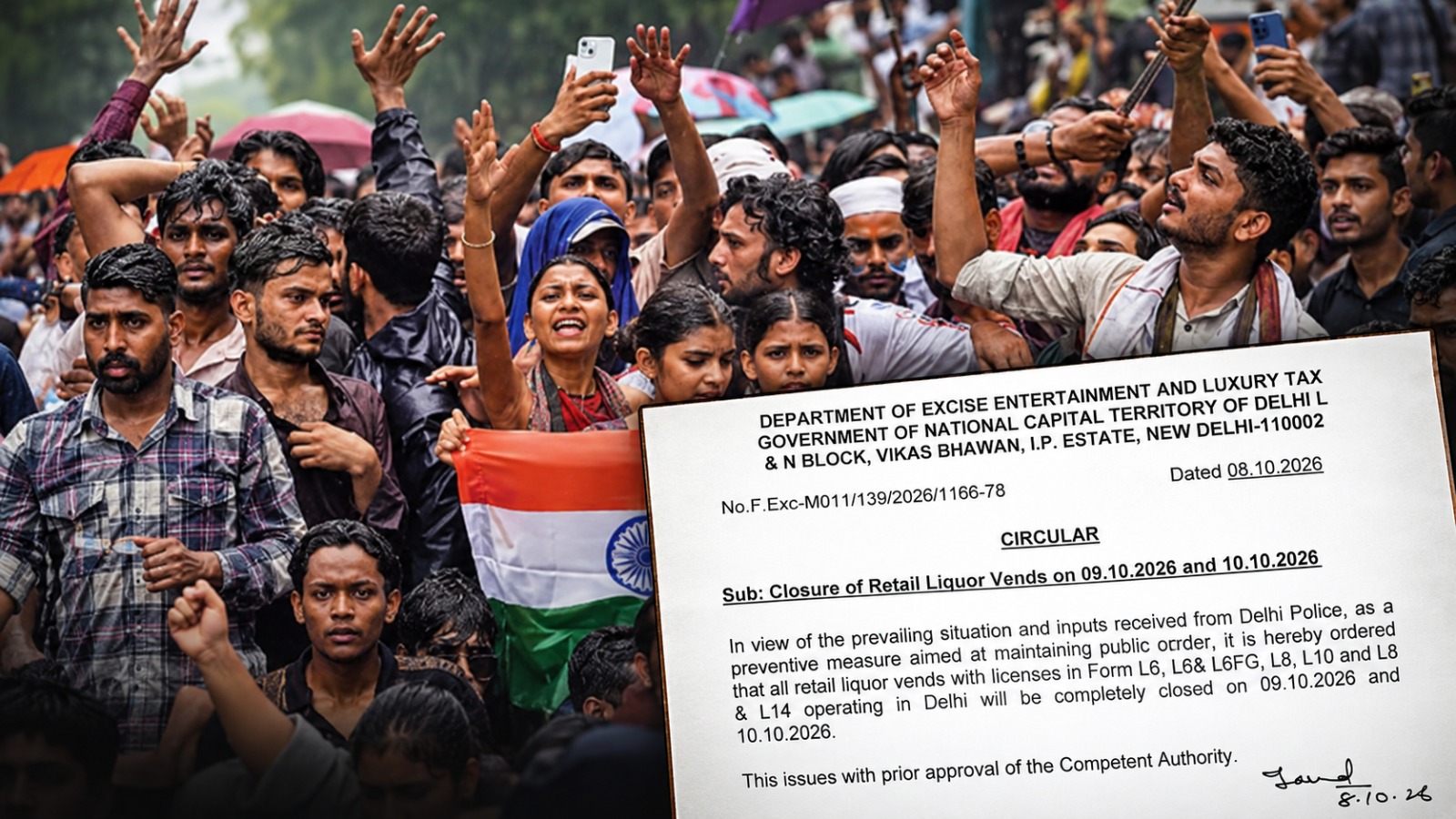
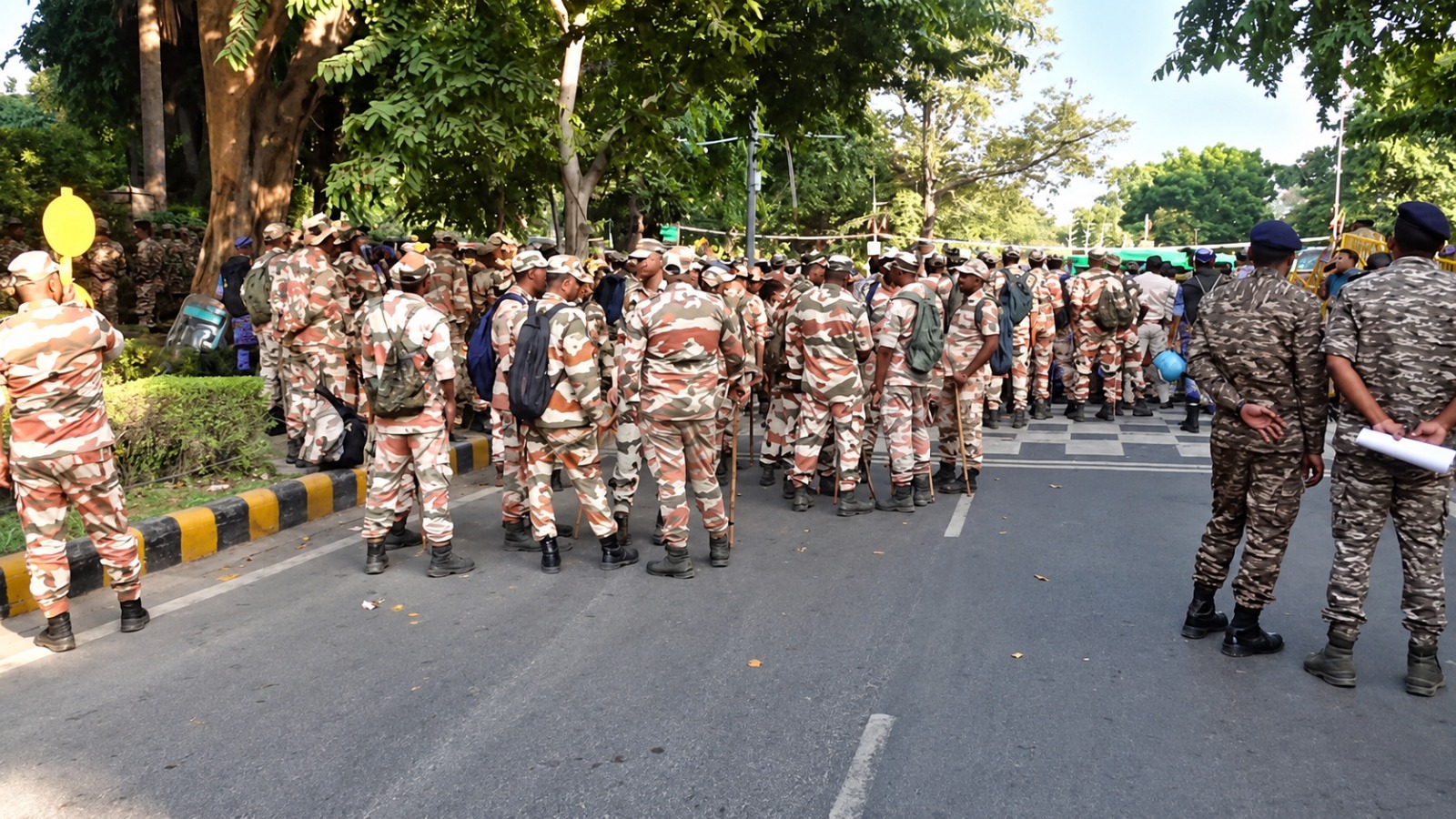
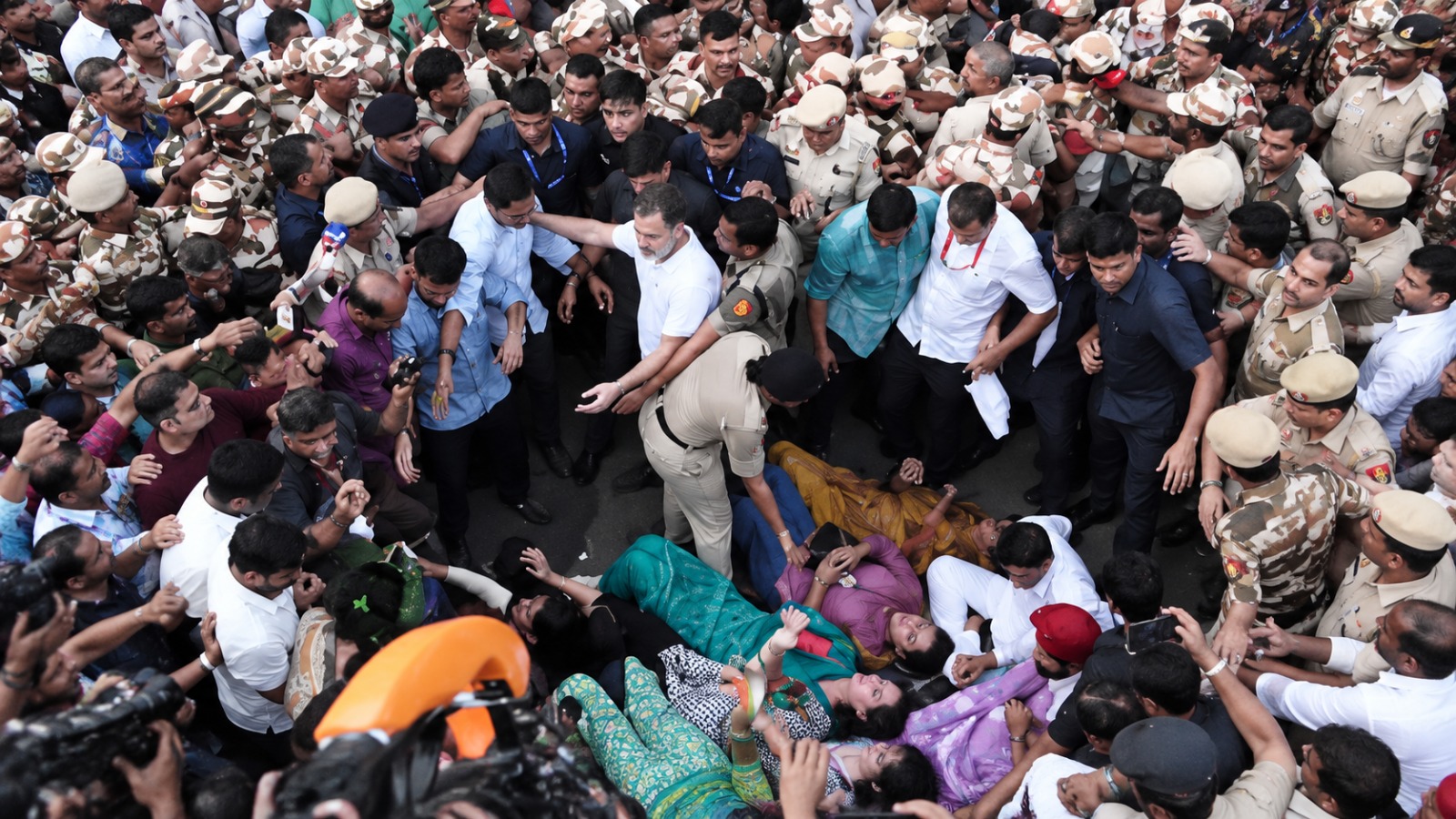
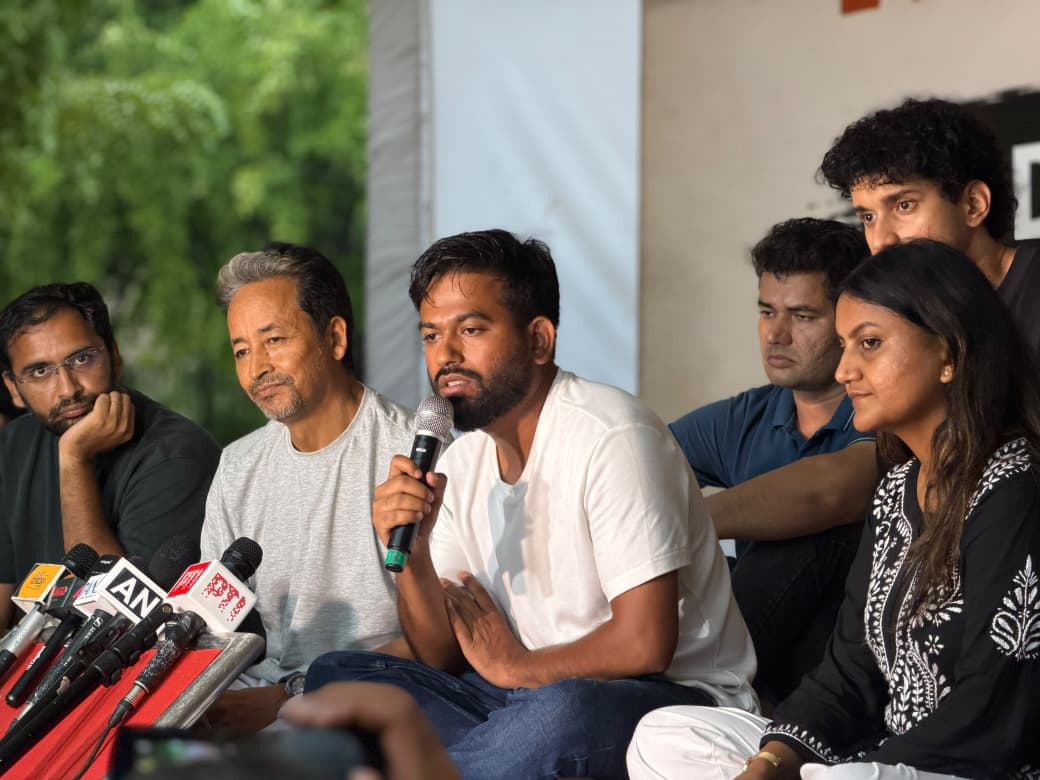
The restoration comes as CJP continues its sustained protests at Delhi’s Jantar Mantar. The group has been organising demonstrations there since early June, including a notable first protest on June 6 demanding accountability in the education sector. The movement has drawn significant attention, with participants highlighting youth unemployment, examination irregularities, and systemic issues. The protest site has seen participation from various supporters, including climate activist Sonam Wangchuk who is there on a hunger strike, amid calls for wider reforms.
The court’s directive is expected to enable CJP to regain access to its primary platform, potentially amplifying its voice as the organisation presses ahead with its activism. The government’s withdrawal of objection signals a pragmatic shift post-NEET, closing this chapter of the legal battle while broader debates on online expression and youth discontent continue.