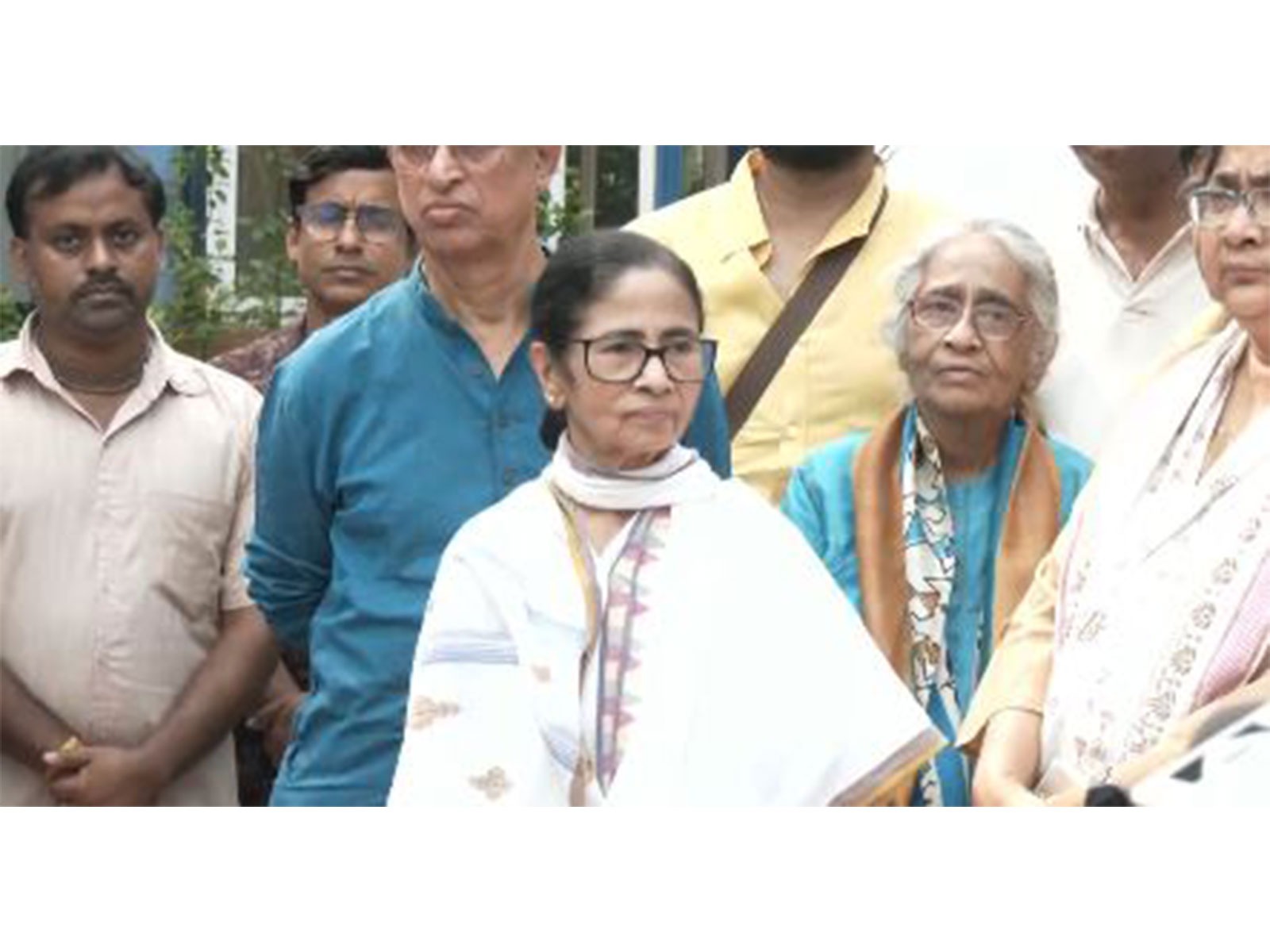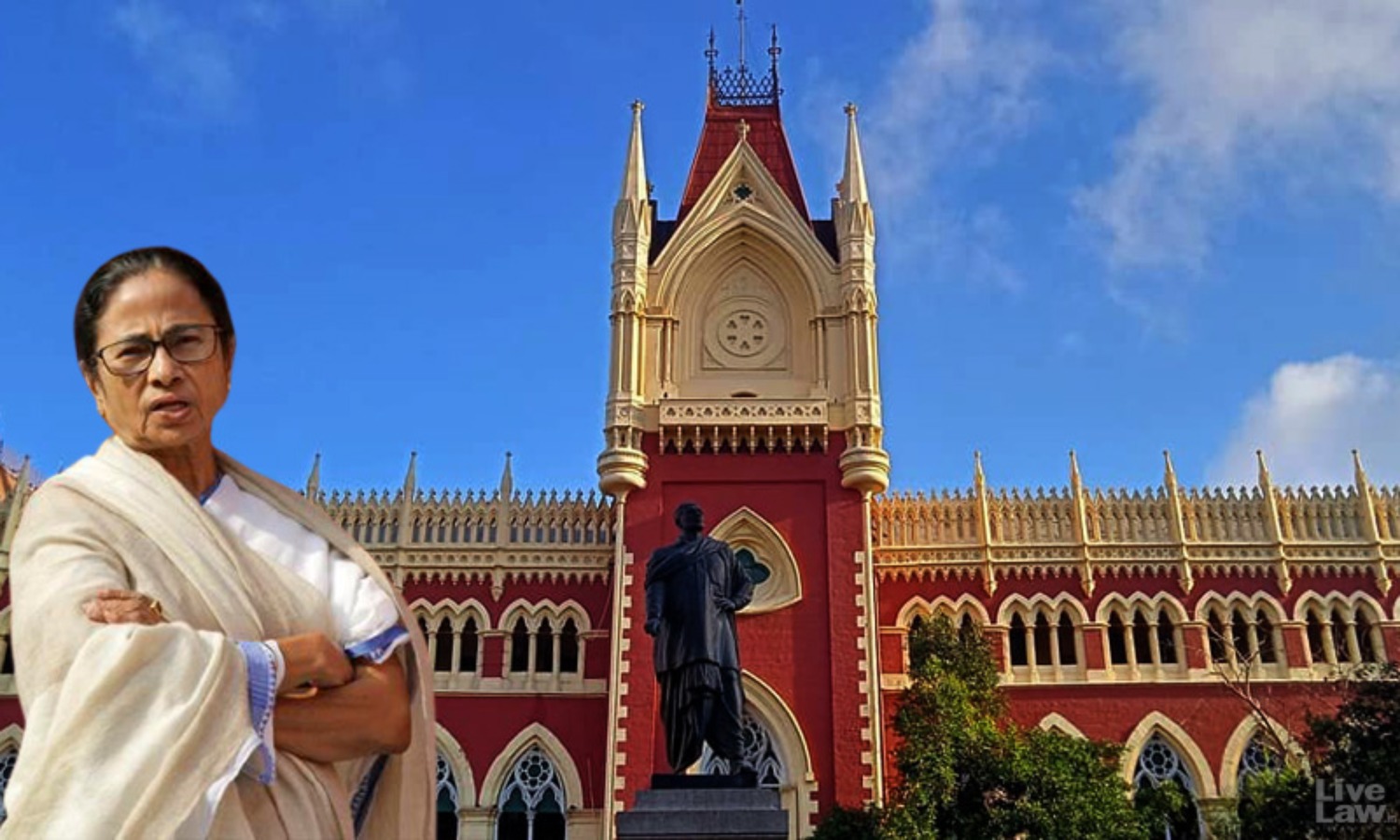
The Calcutta High Court on Thursday granted interim relief to Mamata Banerjee’s faction of the Trinamool Congress by allowing it to access funds from its three frozen bank accounts for essential party expenses and legal costs. However, the court made it clear that the faction will not regain direct control over the accounts for the time being.
Instead, the High Court has appointed retired Justice Subrata Talukdar as a Special Officer to oversee the operation of the accounts until 30 September. Any withdrawal of funds must now be made through him.
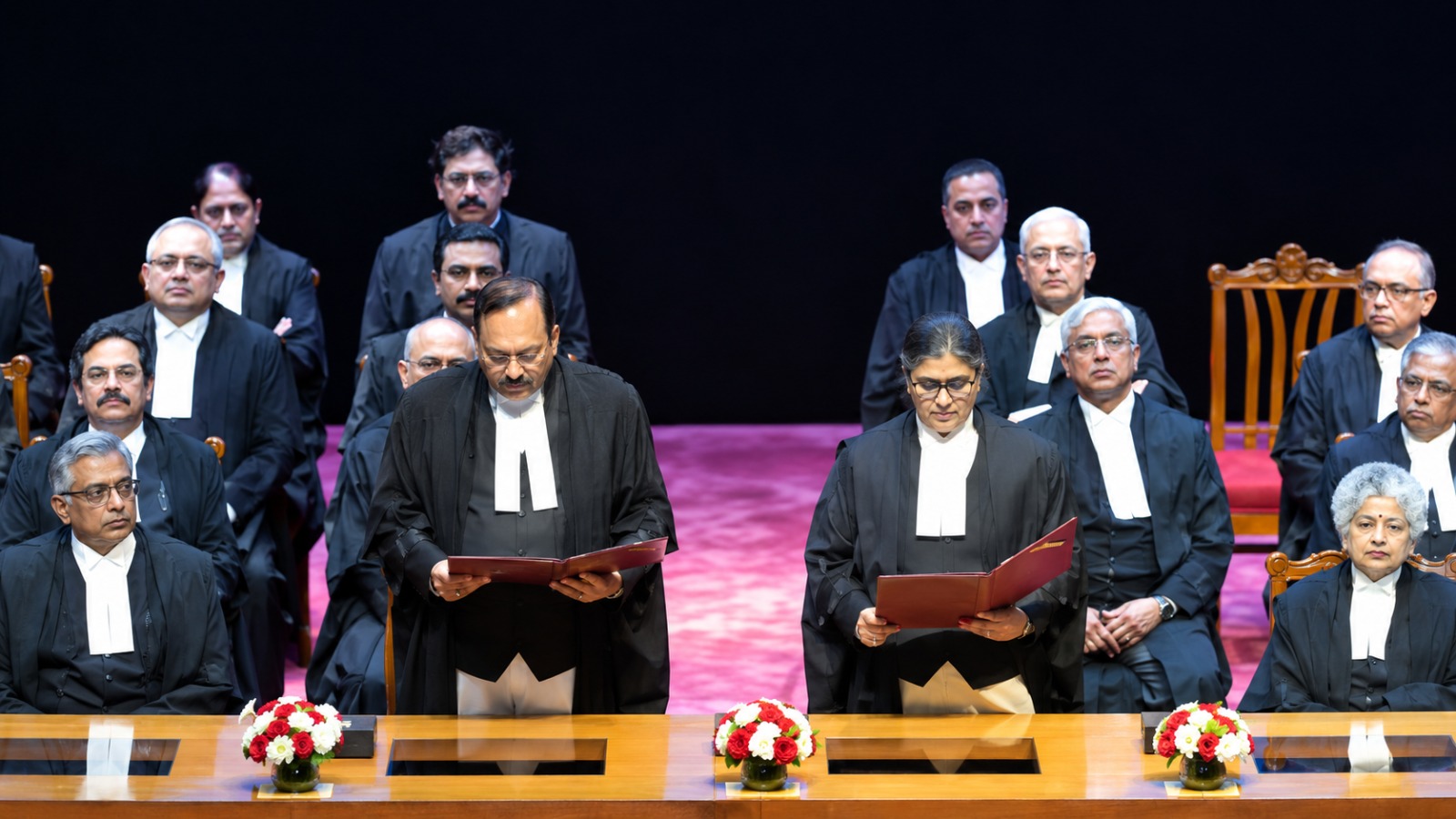
The matter came up before Justice Sougata Bhattacharyya, who directed that the Special Officer would be responsible for administering the three accounts during the interim period. While routine expenditure required for the day-to-day functioning of the party and legal expenses may be approved, the court barred any large or unusual financial transactions. Justice Bhattacharyya also observed that the arrangement could be revisited if the Election Commission formally recognises either of the rival factions of the Trinamool Congress in the future. The matter is scheduled to be heard again on 21 September.
The dispute comes amid an intensifying internal rift within the Trinamool Congress following its electoral setback. The conflict between the Mamata Banerjee led faction and the Ritabrata Banerjee led faction has continued to deepen, prompting the Election Commission to seek submissions from both sides regarding their respective claims.
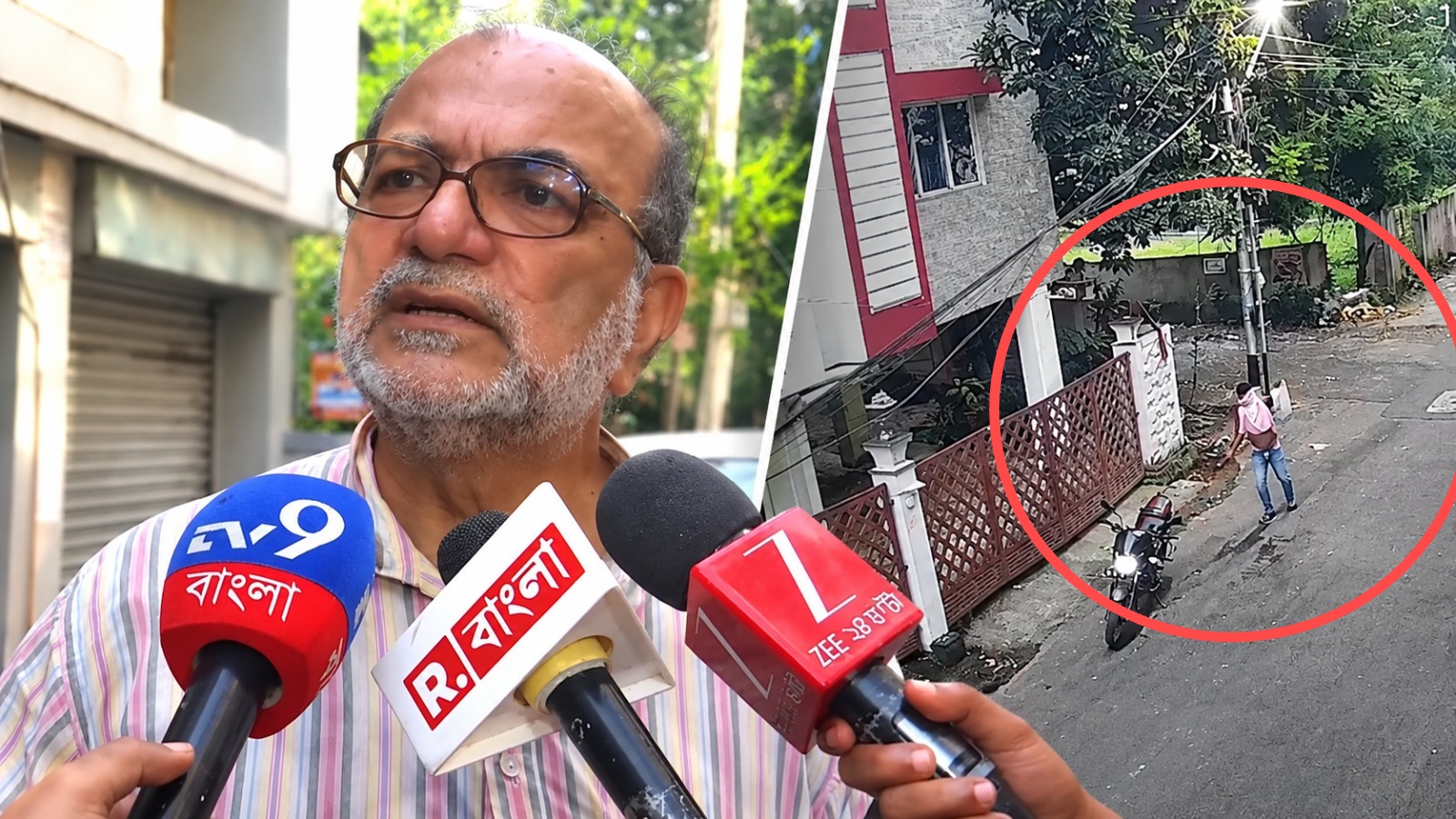
The controversy over the party's bank accounts began after a complaint at Bidhannagar Cyber Police Station was filed on 18 June, alleging that proceeds of a large-scale cyber fraud had been transferred into several bank accounts. He expressed suspicion that some Trinamool Congress accounts may have received such funds. Following the complaint, police registered an FIR and instructed banks the next day to freeze debit transactions from three of the party's accounts. Challenging that decision, the Kalighat faction approached the High Court.
Appearing for the Mamata Banerjee faction, senior advocate Abhishek Manu Singhvi argued that freezing the accounts had the potential to cripple the party's functioning and undermine the principle of a level playing field in the electoral process. "A political party requires funds to survive. Every rupee belonging to the party is subject to scrutiny by the Election Commission and the Income Tax Department. These are not cash transaction accounts. Nine bank accounts of the party have been frozen. In a democratic system, how is the political party expected to carry out its day-to-day functioning? Nothing like this has ever happened to a political party before," Singhvi submitted.
During the hearing, Justice Bhattacharyya questioned whether a bank account could not be treated as property liable to be seized in suspicious circumstances. "A police officer can seize any property found under suspicious circumstances. Does a bank account not also fall within the definition of property?" the judge asked. Responding to the court, Singhvi maintained that such a drastic measure required credible material beforehand and contended that the police had acted solely on the basis of a vague complaint.
Senior advocate Kishore Dutta, also appearing for the Mamata Banerjee faction, informed the court that the party had already submitted a detailed affidavit outlining its day-to-day expenditure. "We have placed the details of the party's routine expenses on affidavit," he said.
Representing the complainant aligned with the rebel faction, counsel argued that the dissidents, and not the Mamata Banerjee group, constituted the "real" Trinamool Congress. "We are being described as defectors. But we are the real Trinamool. Therefore, the rights over the party should vest with us," the lawyer submitted.
The court, however, questioned why no such claim had been made at the time the original police complaint was filed. Justice Bhattacharyya remarked, "At this stage, your position appears to be opportunistic. The issue of recognition is being considered by the Election Commission, not this court. Here, we are only examining whether the police acted lawfully. We are not deciding which faction is the real Trinamool."
Appearing for the State, Solicitor General Tushar Mehta defended the police action, stating that investigators had gathered evidence even before the formal complaint was lodged. He submitted that statements from three individuals had already been recorded prior to the registration of the FIR and rejected the allegation that the accounts had been frozen without supporting material.
Justice Bhattacharyya nevertheless sought clarification from the State, observing that the existence of complaints alone would not justify freezing bank transactions. "The police may have 70 complaints before them. But where is the relevant material that justifies stopping debit transactions from the bank accounts?" the judge asked.
Issuing the interim order, the High Court clarified that the rebel faction had no enforceable claim over the three accounts at this stage, noting that such a claim had not formed part of the original complaint before the police. "The rebel faction has no established claim over these bank accounts at this stage because no such claim was made in the complaint. They did not seek any right to operate these accounts. How can that issue now arise at this stage?" Justice Bhattacharyya observed.
The court further advised the dissident group to first obtain a clear determination from the Election Commission before seeking any relief regarding the party's finances. "First secure a clear and firm recognition of your status from the Election Commission. Thereafter, if necessary, you may approach this court."
While allowing access to funds for essential purposes, the court reiterated that no substantial or extraordinary expenditure would be permitted from the frozen accounts until further orders, restricting withdrawals strictly to necessary day-to-day expenses.