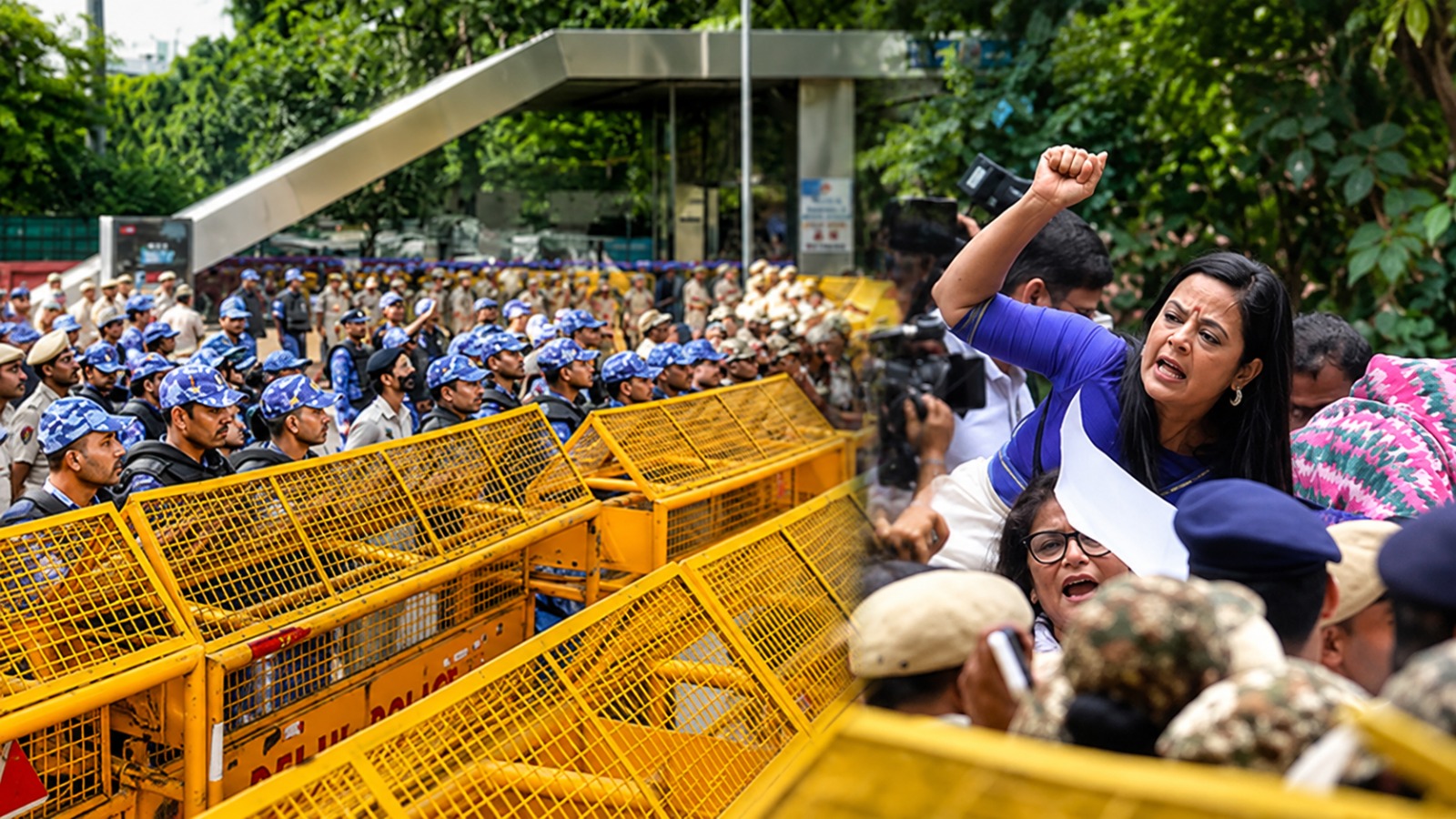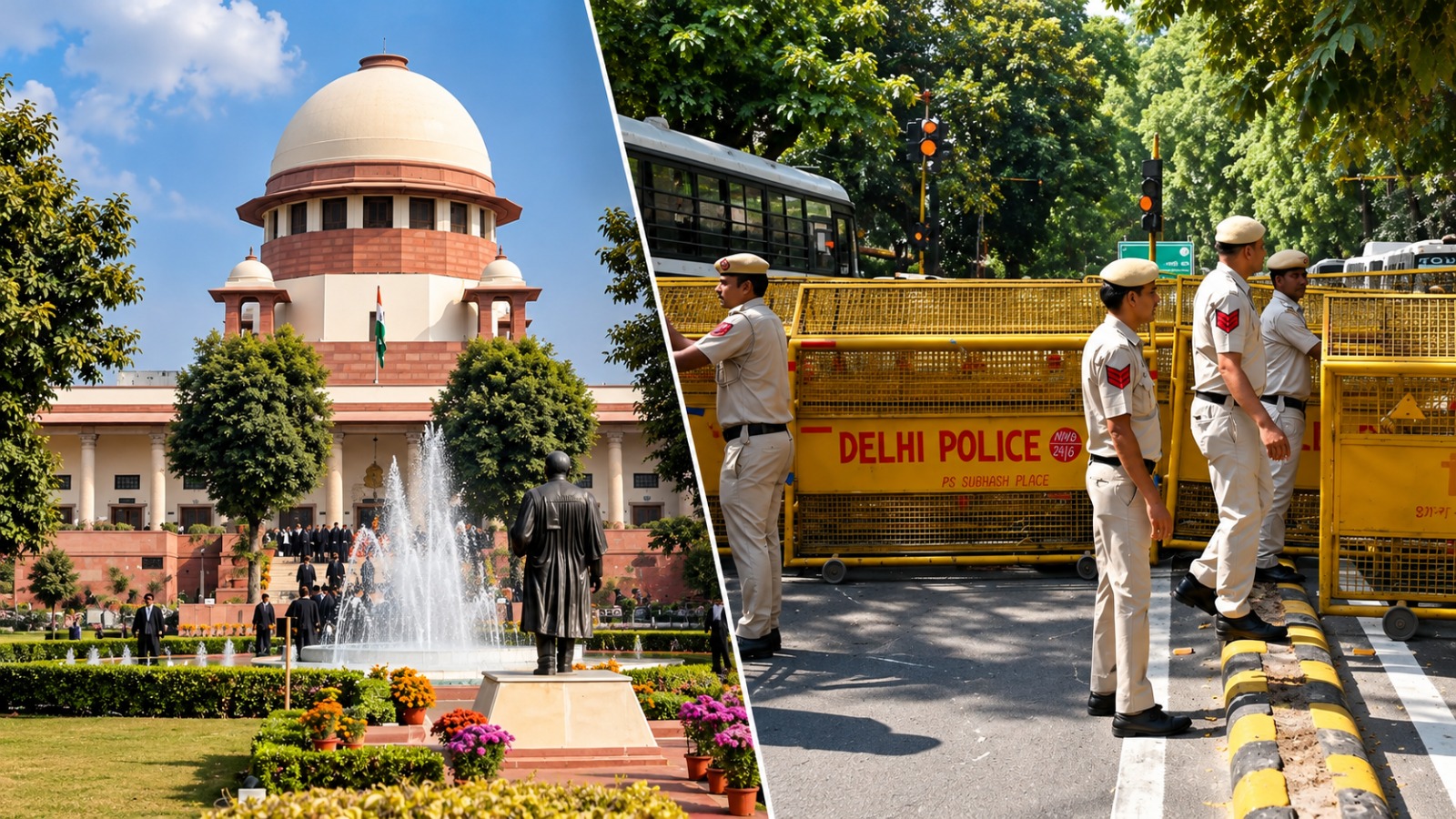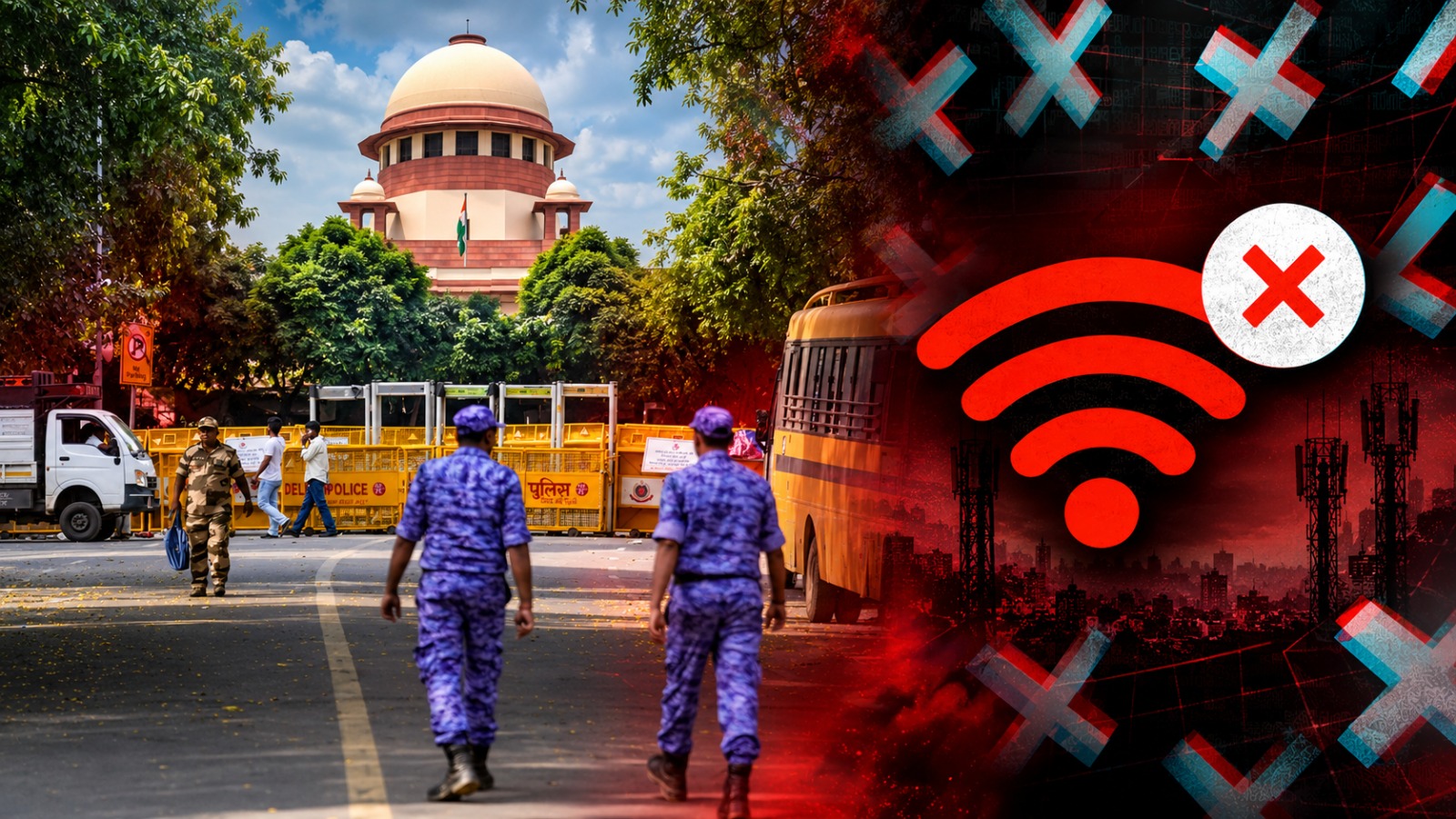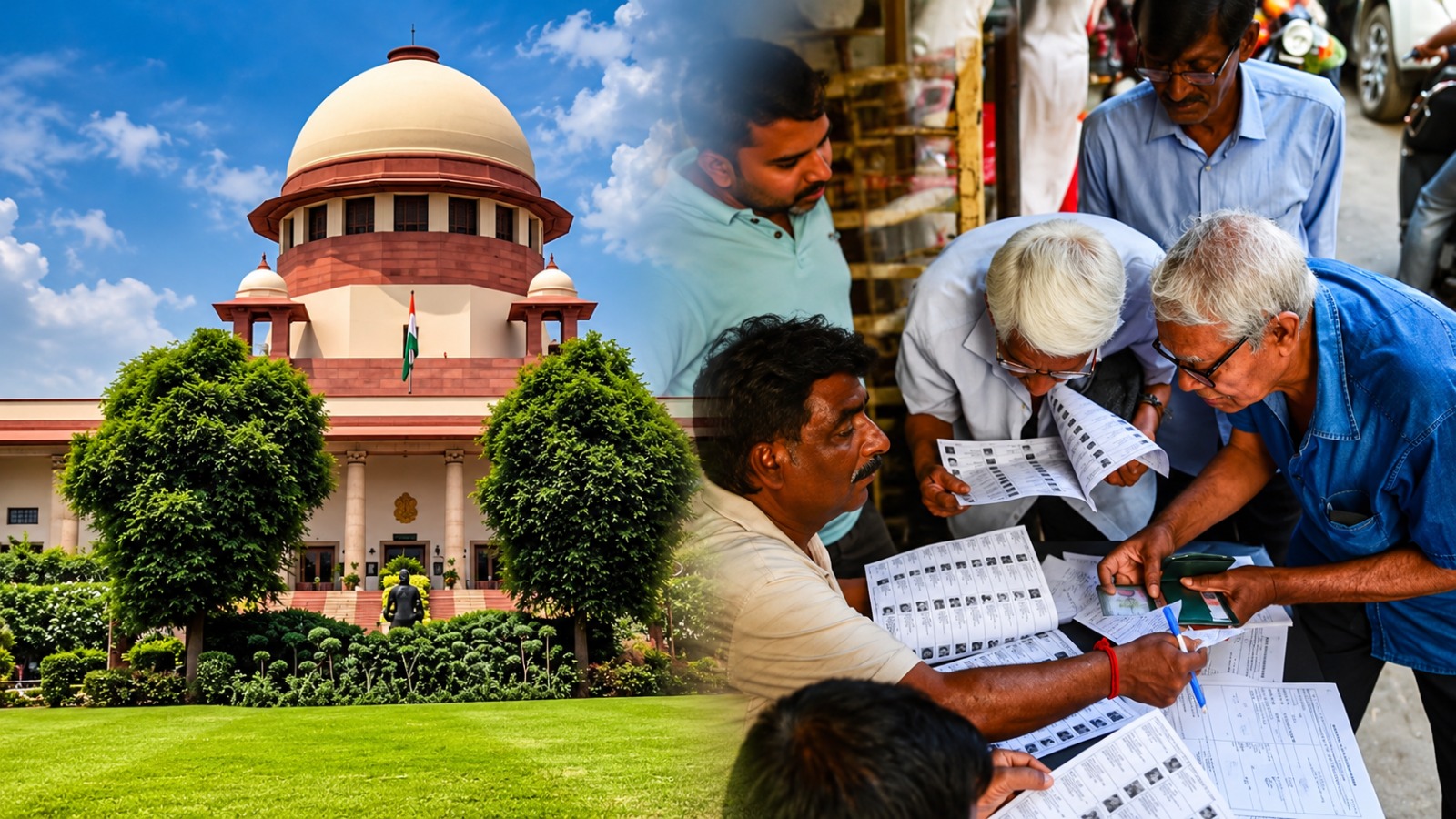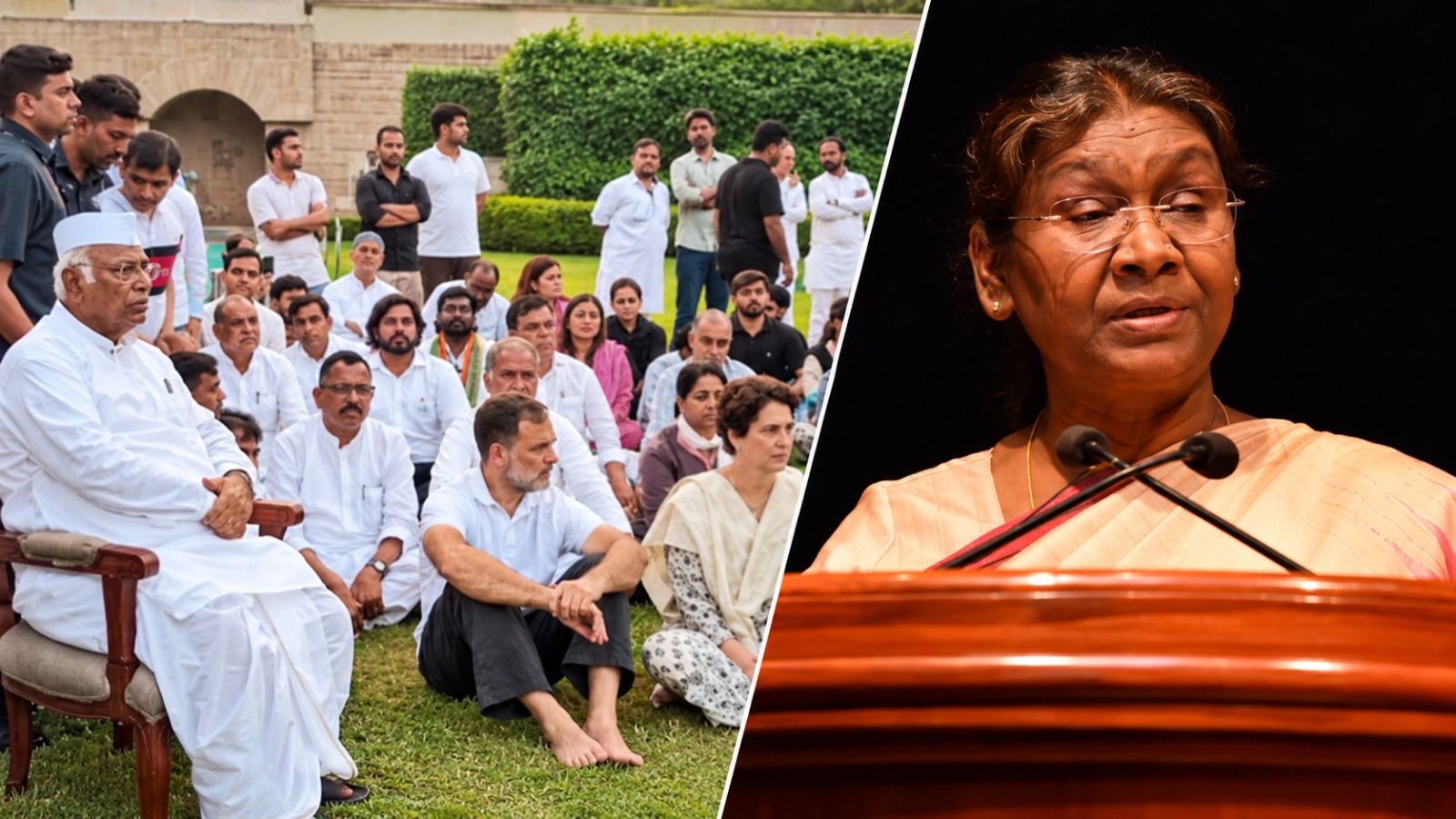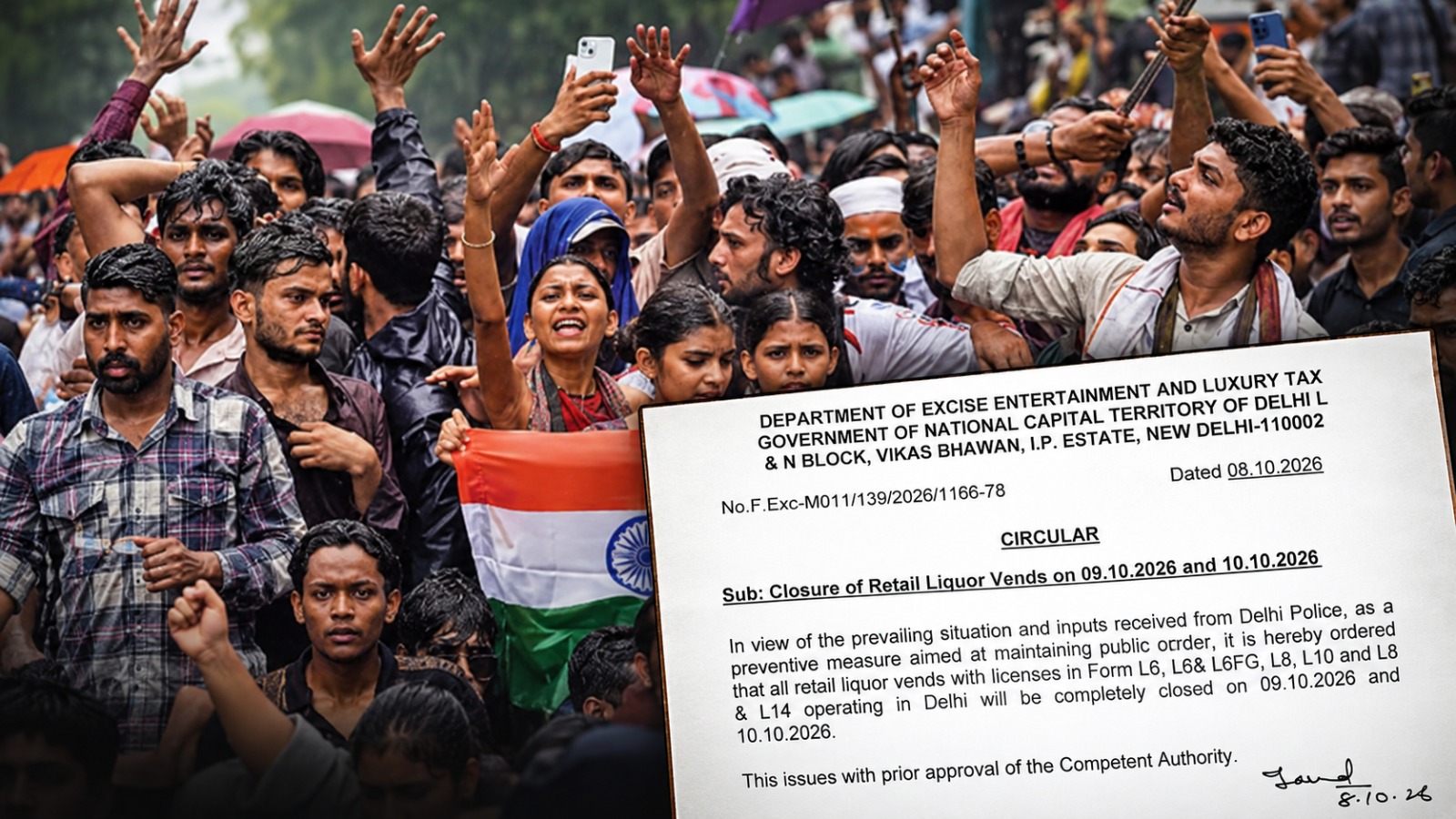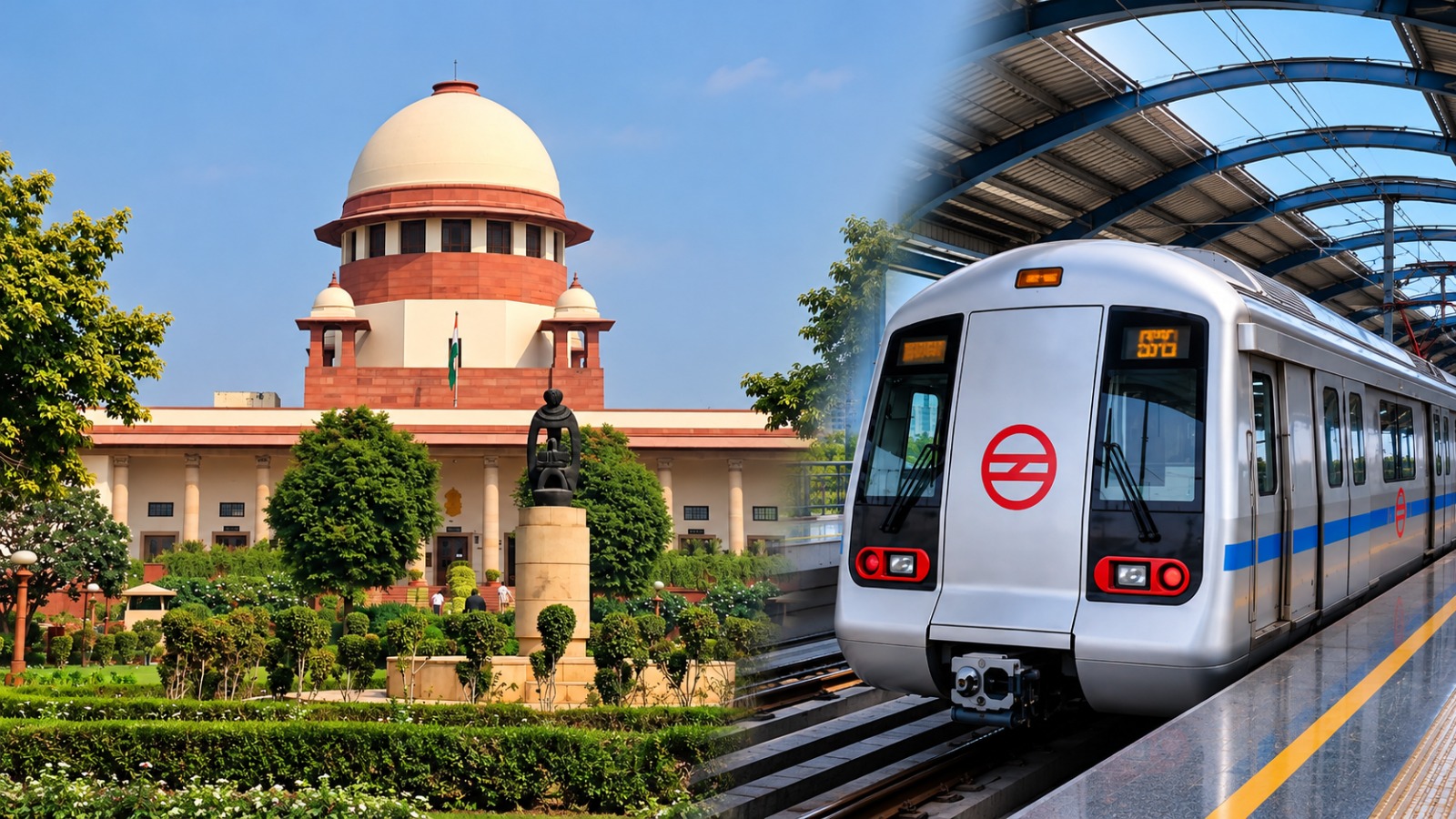
The Supreme Court on Sunday directed the Centre and Delhi Police to ensure the normal functioning of metro and railway services, maintain internet connectivity and review barricading arrangements across the national capital following restrictions imposed during Saturday’s protests organised by the Cockroach Janata Party (CJP) and student groups.
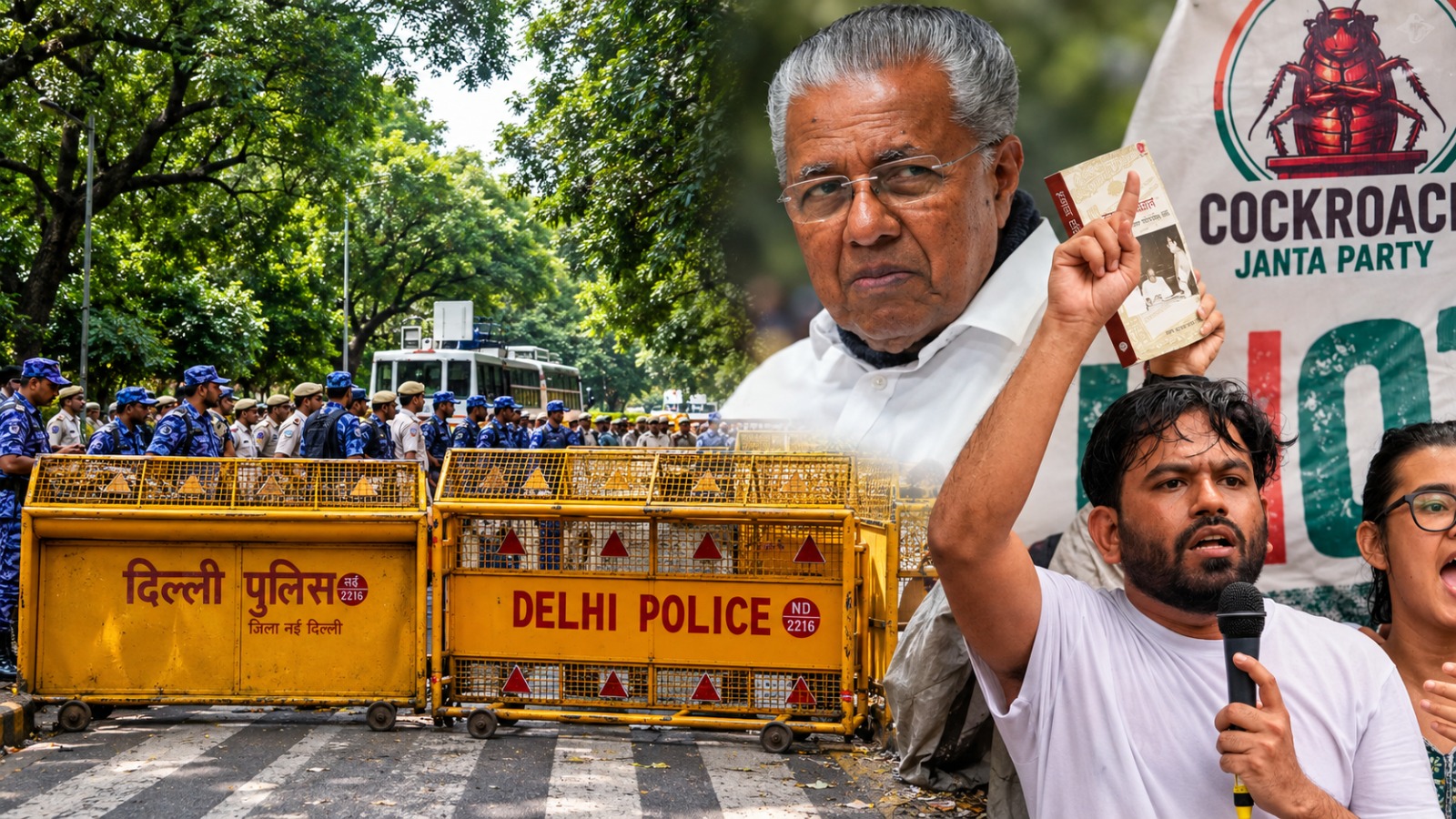
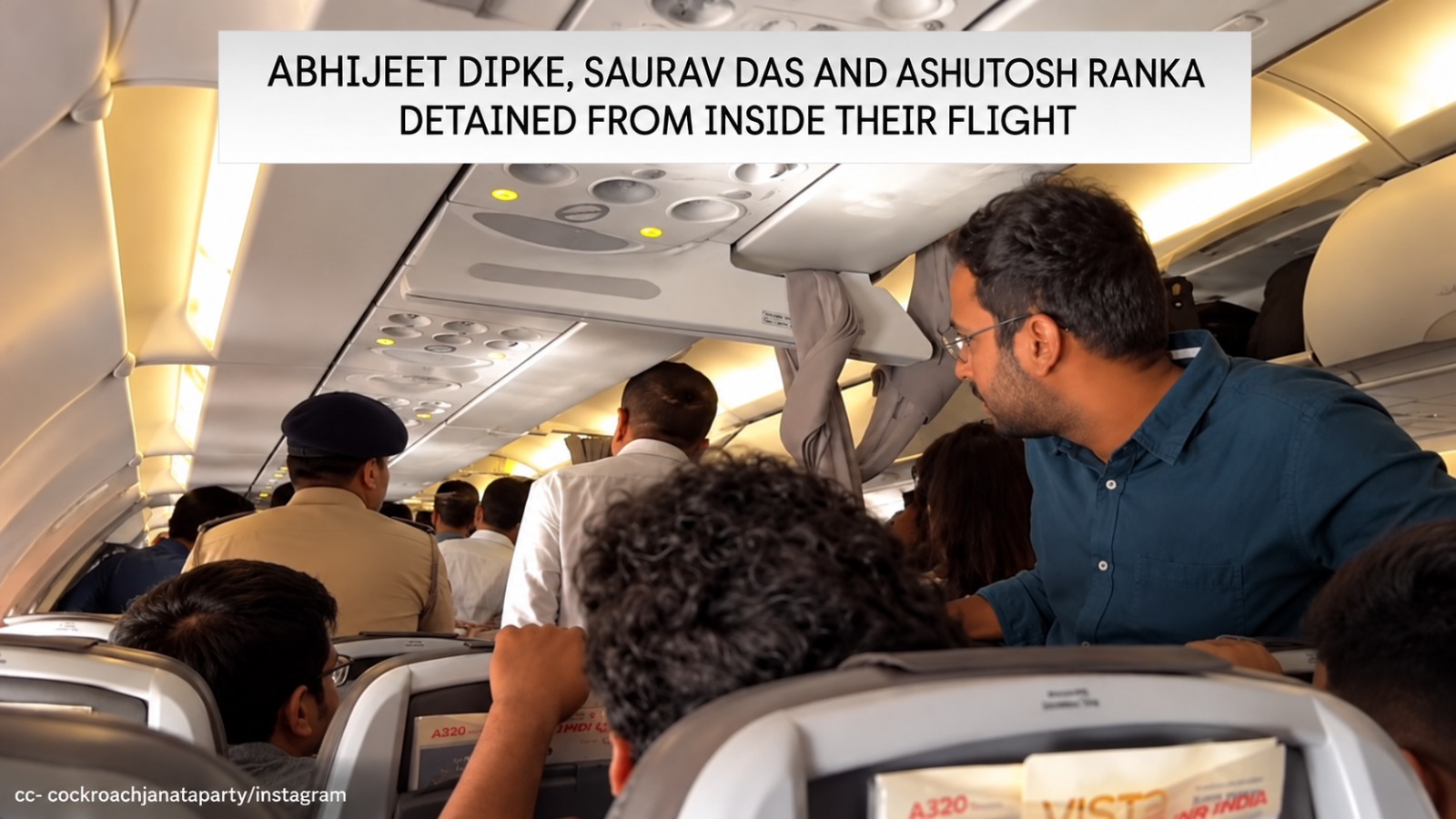
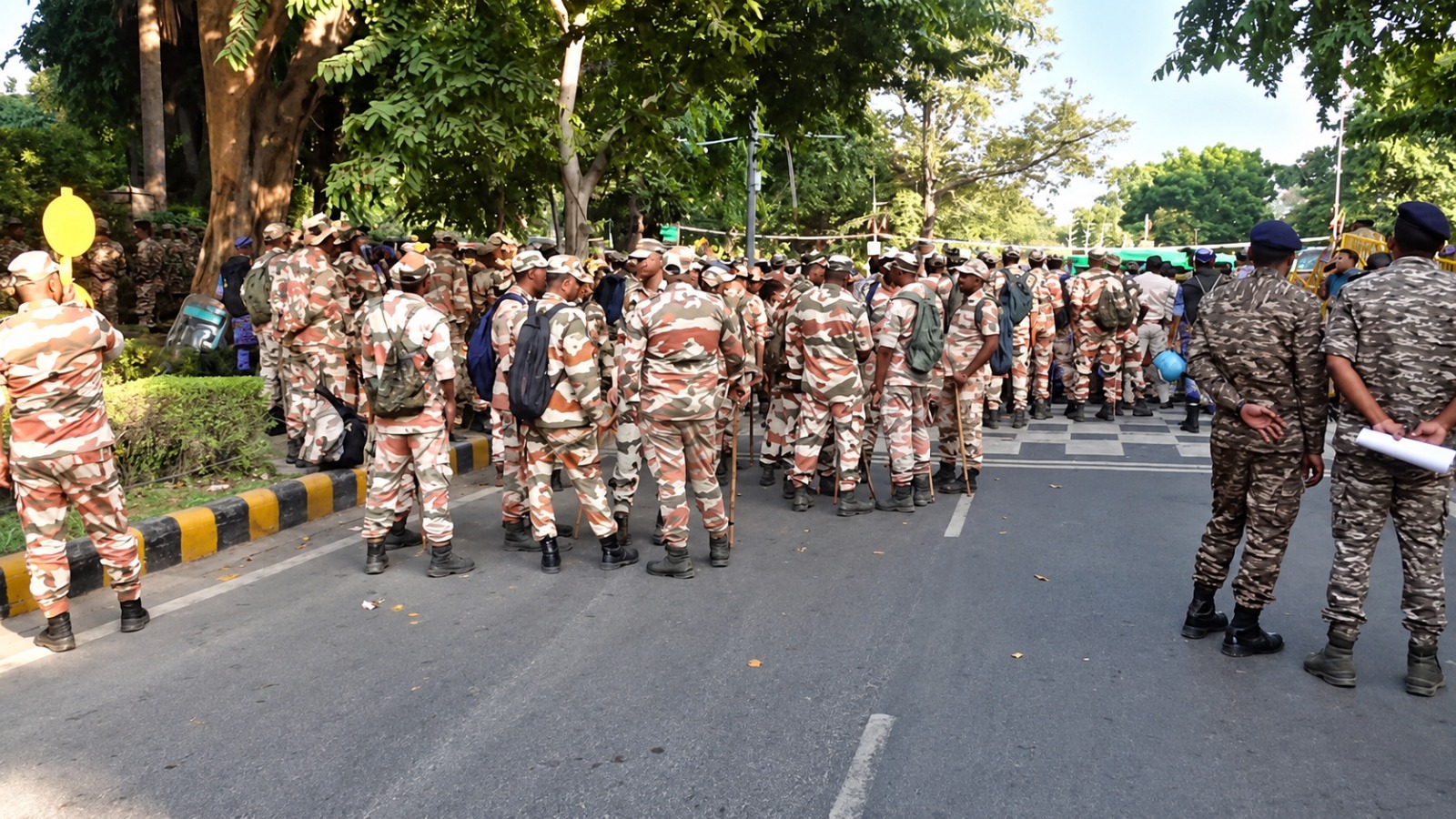
A special hearing was held after a petition challenged the extensive security measures put in place around central Delhi, including barricades, disruptions to internet services near Jantar Mantar and restrictions on public transport. The court also emphasised that citizens must be allowed to move freely in accordance with the law and that peaceful protesters should not be detained merely for exercising their right to demonstrate.
A bench comprising Justice Joymalya Bagchi and Justice V. Mohan issued notice to the Centre and sought responses to allegations of excessive force, unlawful detention and the deployment of police personnel without visible name tags. The matter is scheduled for its next hearing on Tuesday.
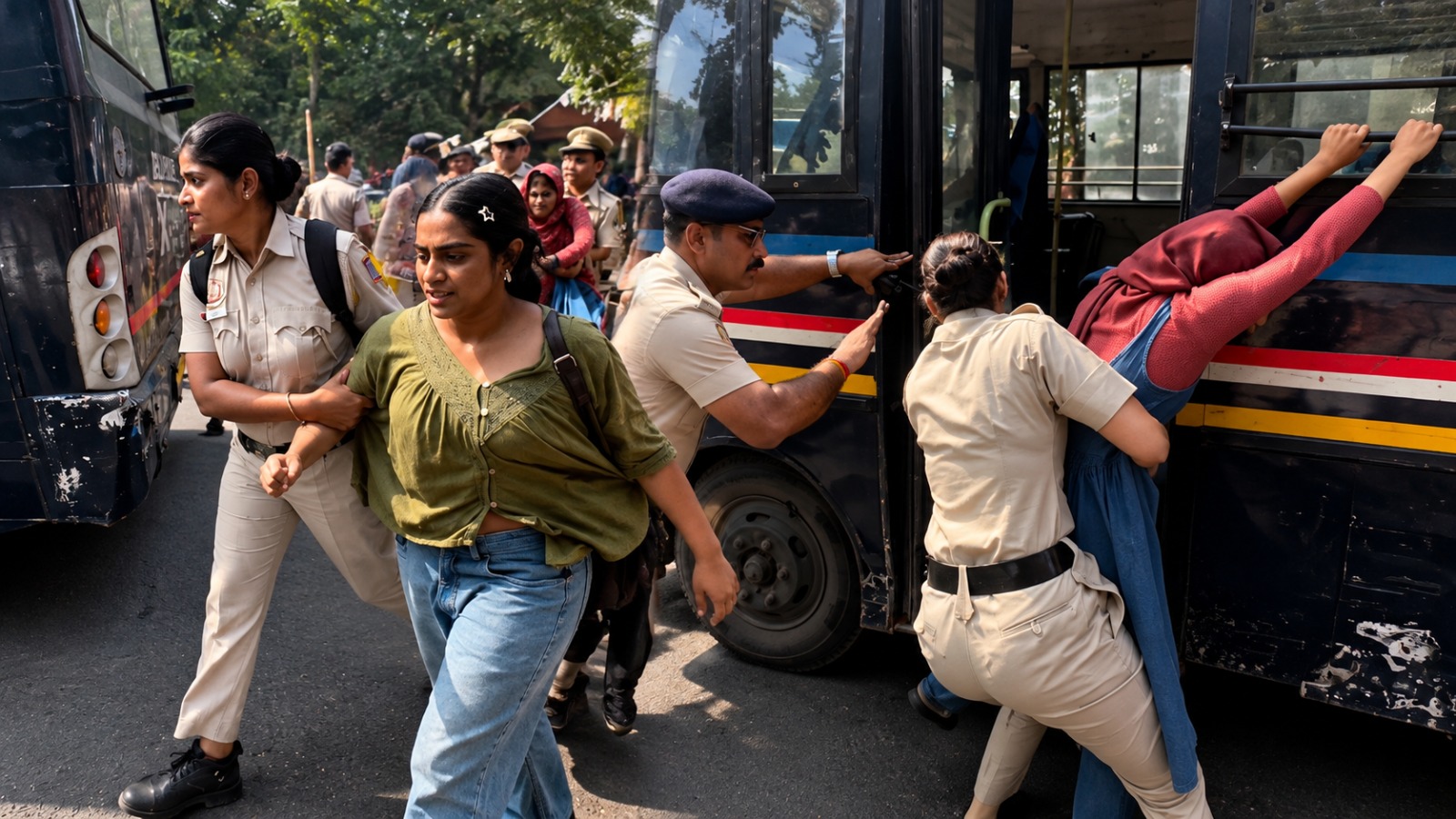
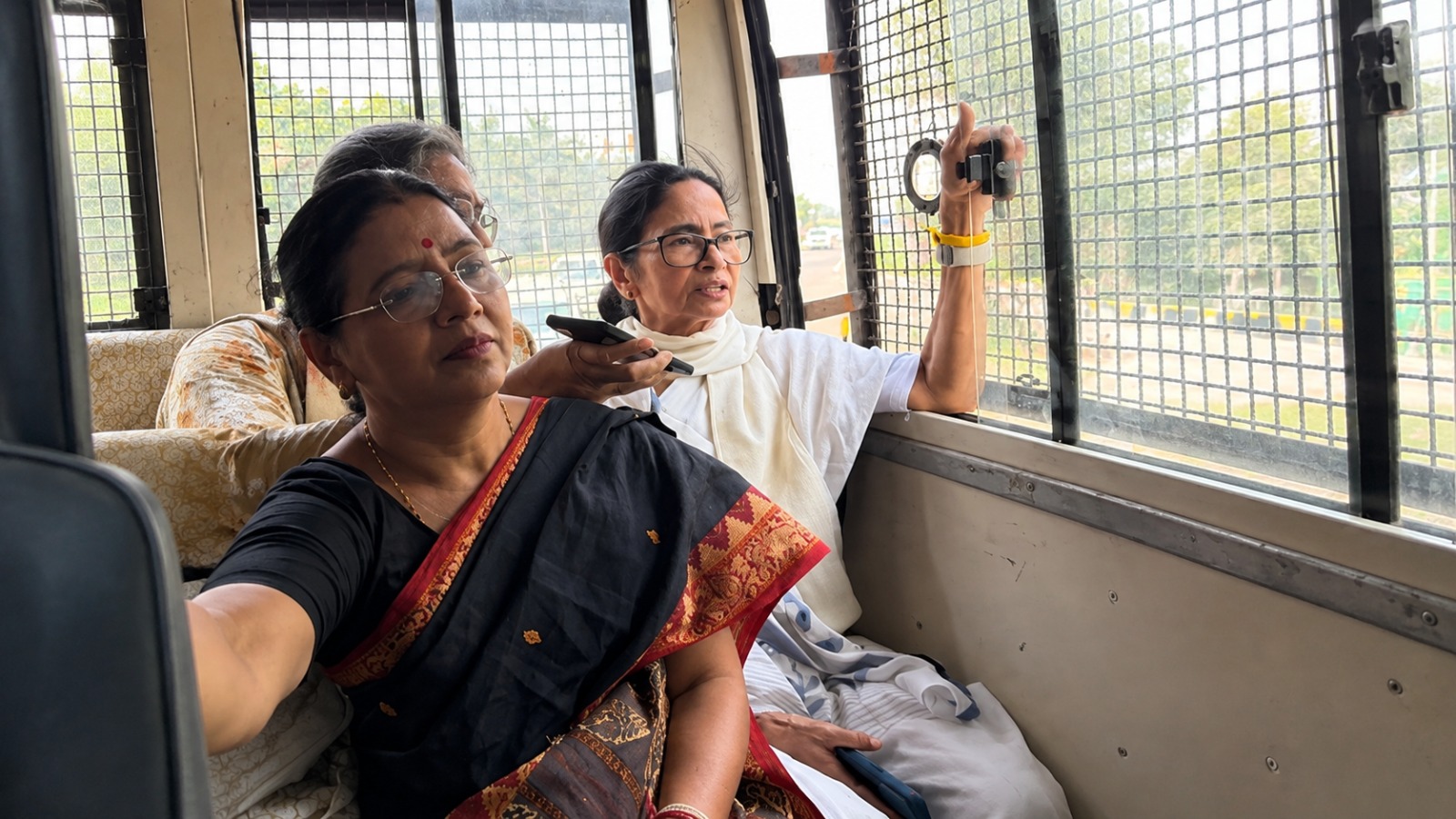
Appearing for the petitioners, senior advocate Kapil Sibal argued that citizens were being prevented from reaching the designated protest venue and alleged that demonstrators had been forcibly taken away in prison vans and detained unlawfully.
Responding to the allegations, Solicitor General Tushar Mehta told the court that the protesters had not obtained the necessary police permission. The bench observed that while the right to peaceful protest was not in dispute, demonstrations must comply with the law. It also indicated that it would examine the restrictions imposed by the authorities in the context of Article 19(2) of the Constitution.
The bench further questioned the imposition of prohibitory orders under Section 163 of the Bharatiya Nagarik Suraksha Sanhita (BNSS) around the Supreme Court premises. It directed the removal of notices announcing the restrictions from within and around the court complex and stressed that access to the Supreme Court and other courts must remain unobstructed.
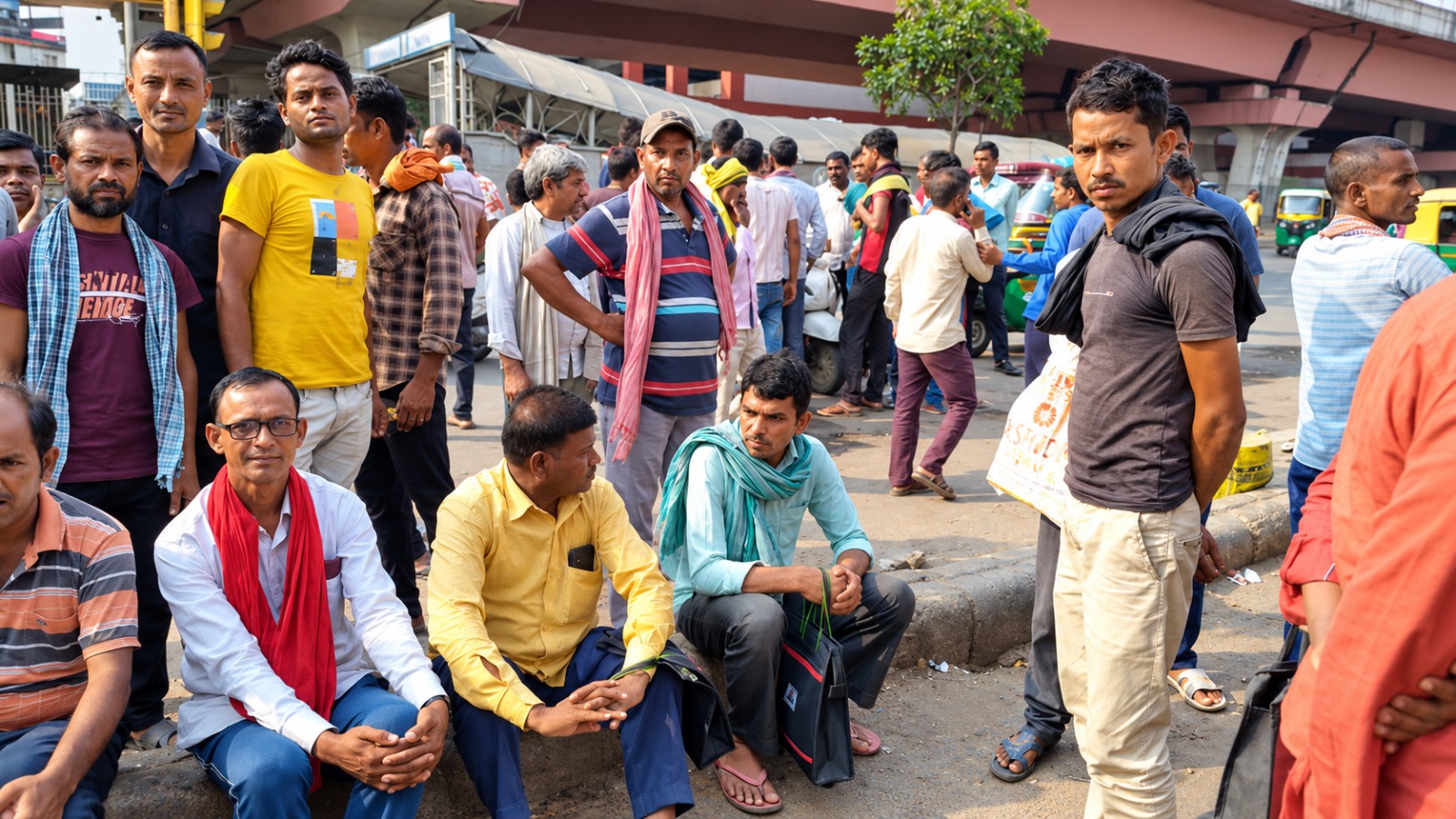
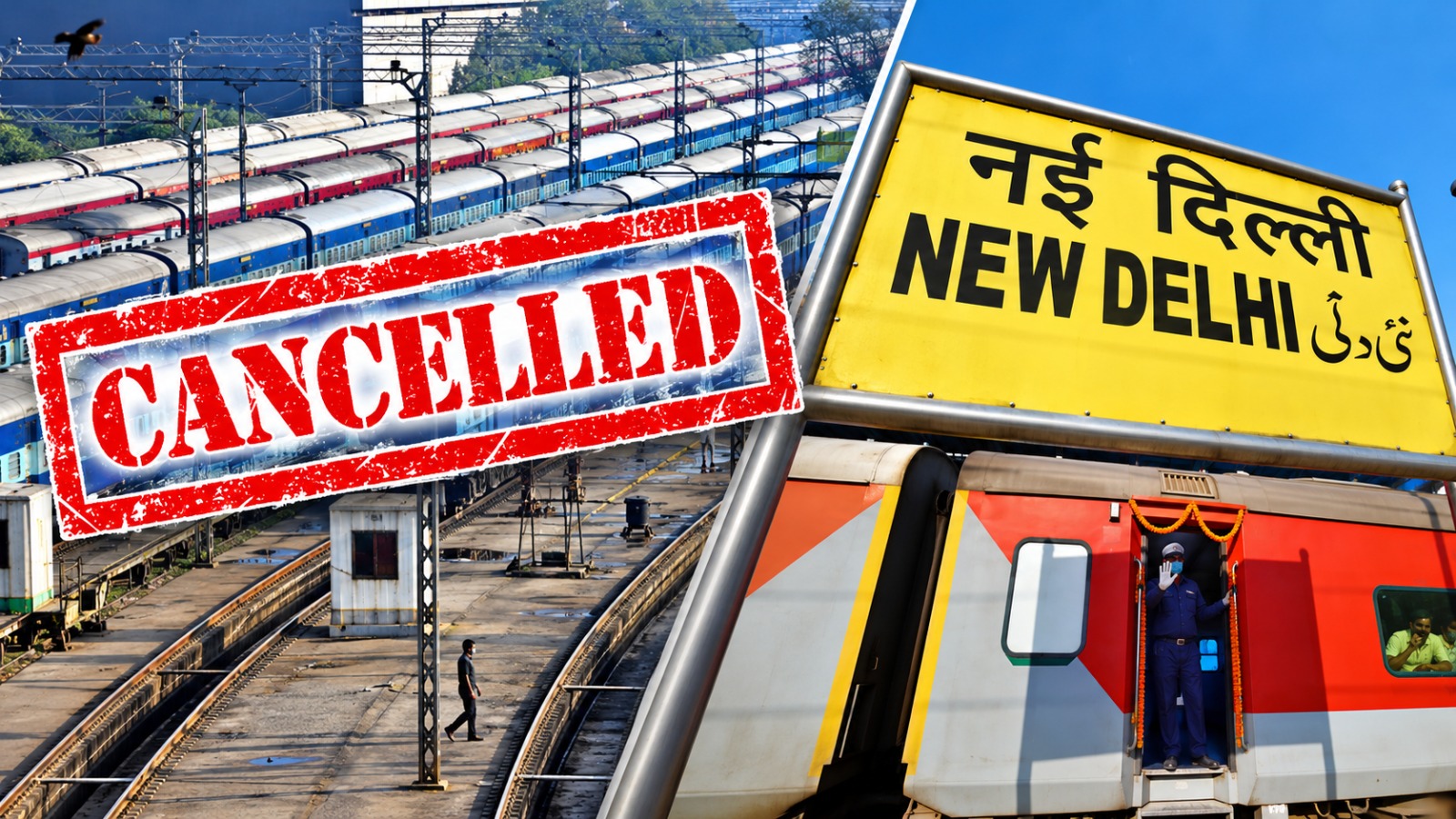
Security measures had been intensified from Friday night amid expectations of a large turnout for CJP’s ‘Jantar Mantar 2.0’ protest. Several metro stations were closed on Saturday, while train services to Delhi were also affected, triggering complaints about the inconvenience caused to commuters.
The Supreme Court had previously cautioned that security concerns could not automatically justify depriving the public of essential transport facilities. It had also made clear that metro and train services should not be shut down entirely.