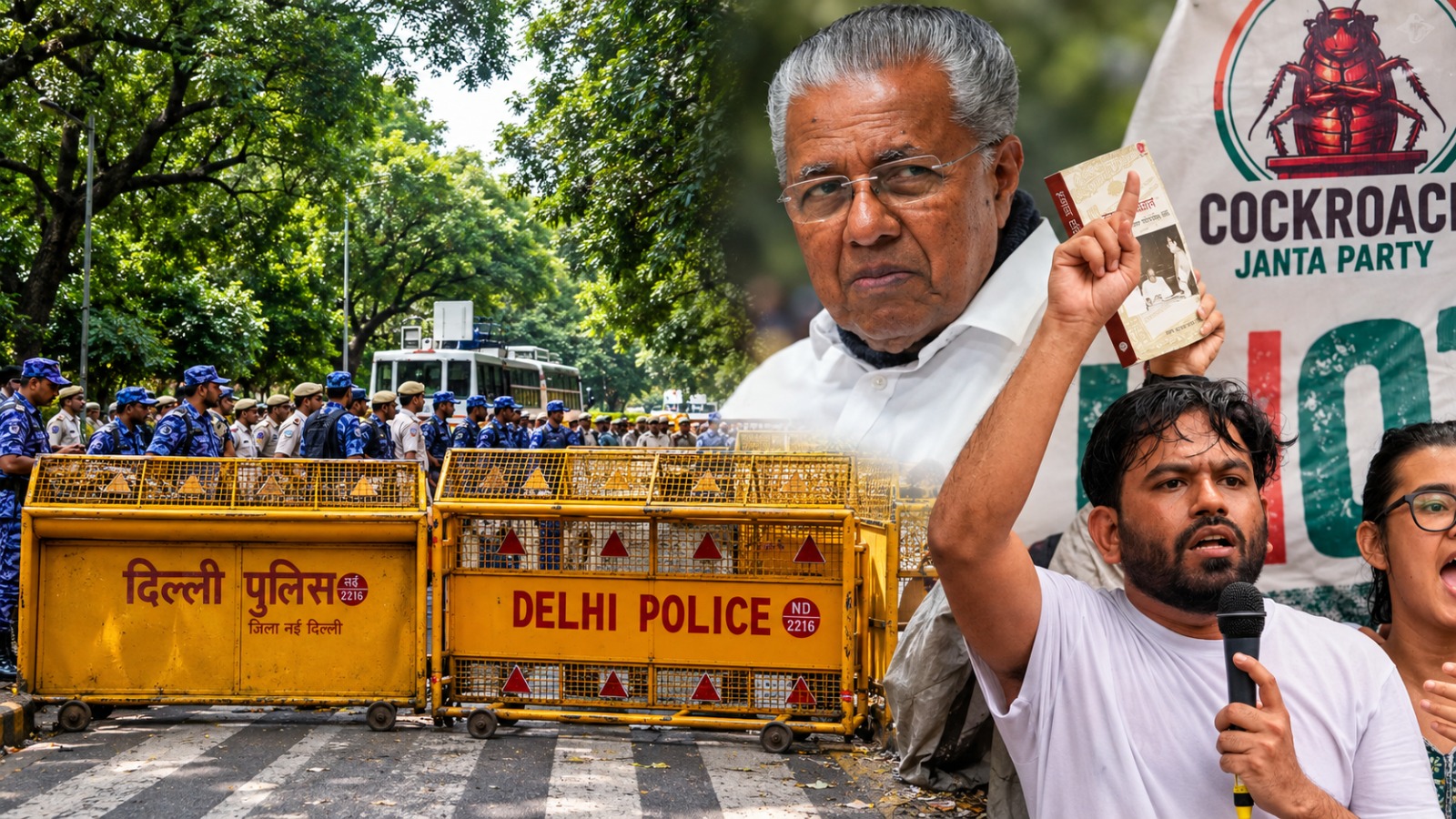

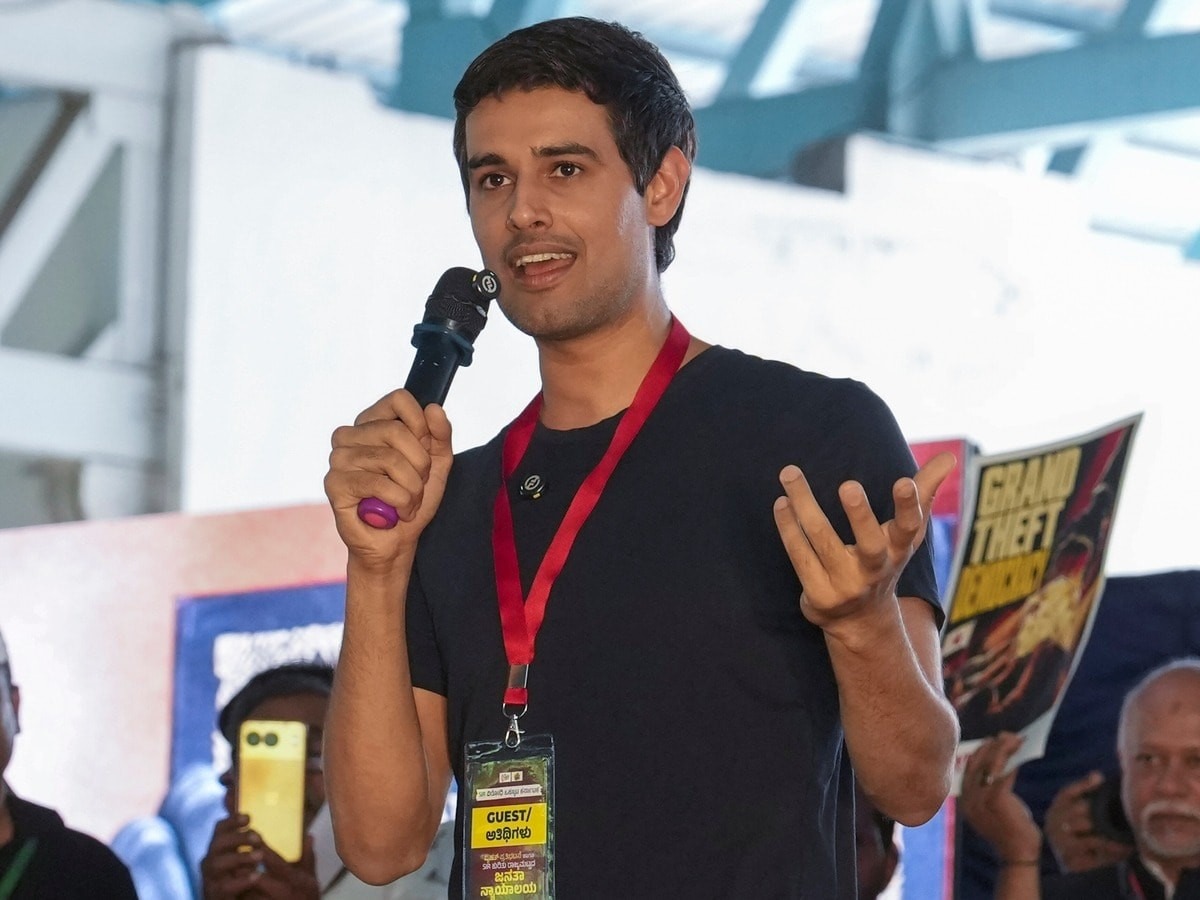
YouTuber Dhruv Rathee was detained by police at his Gurugram residence on Saturday morning, hours before a planned protest at Delhi’s Jantar Mantar against Chief Election Commissioner Gyanesh Kumar over alleged irregularities in the Special Intensive Revision (SIR) of electoral rolls.
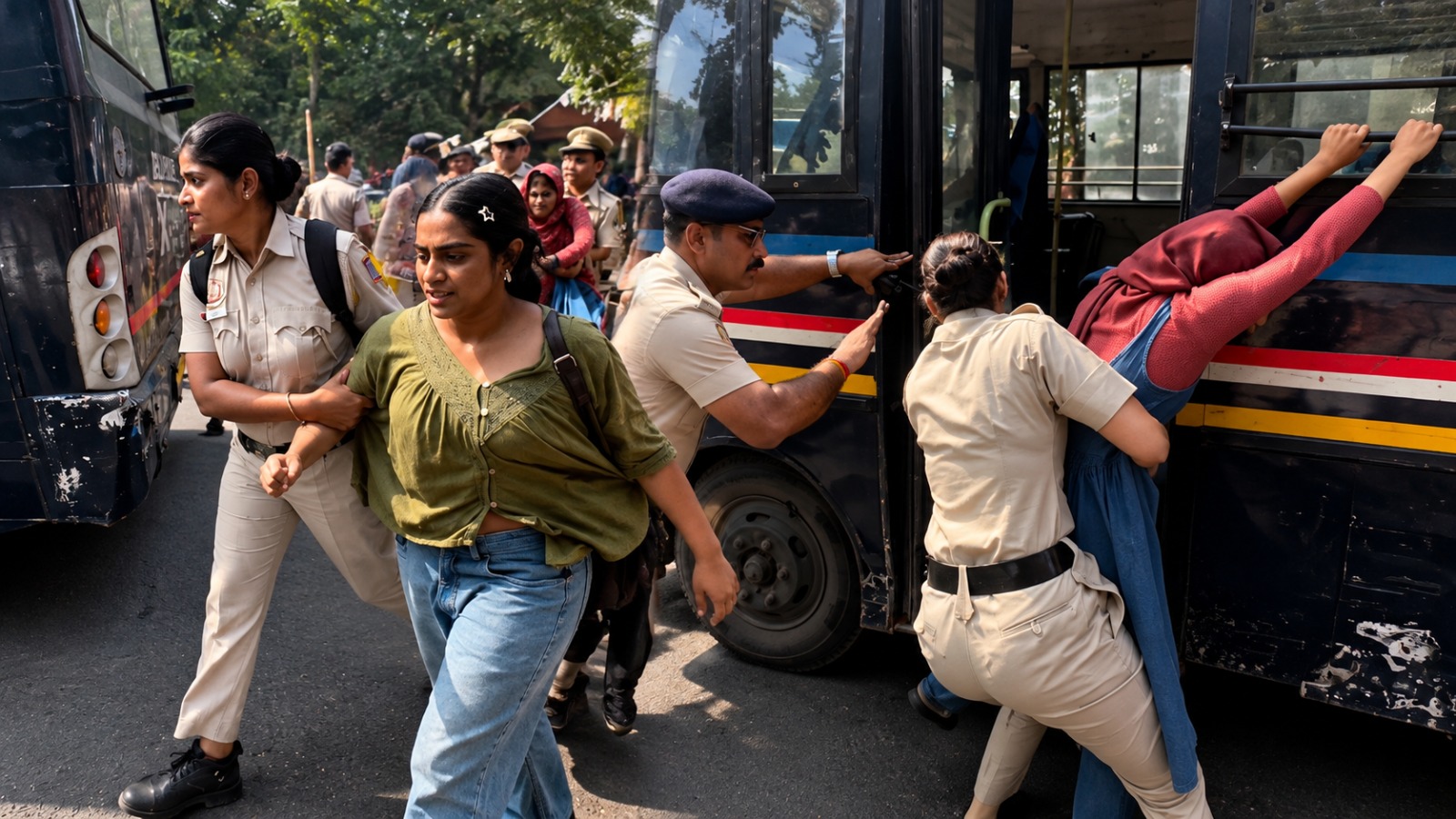
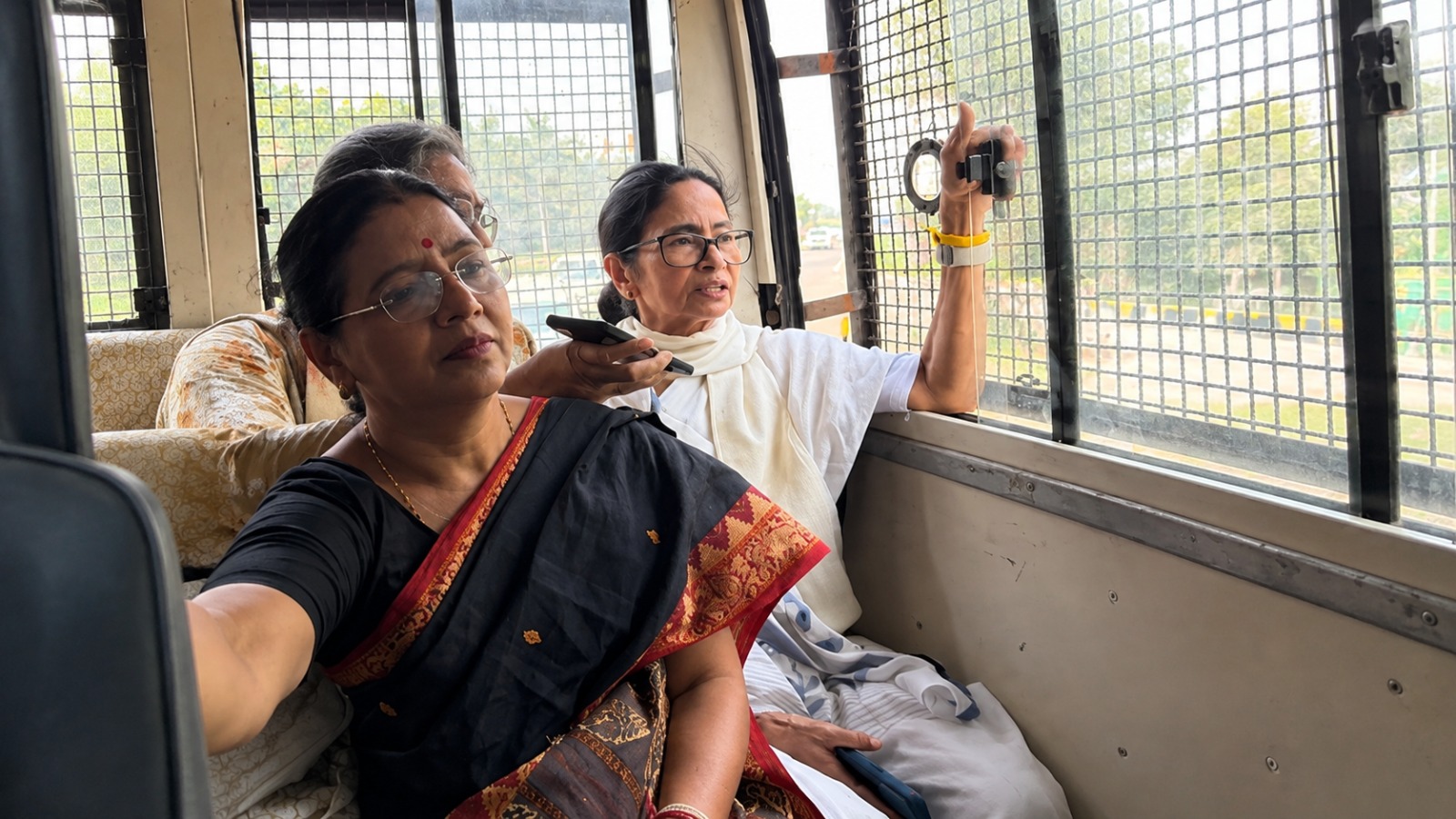
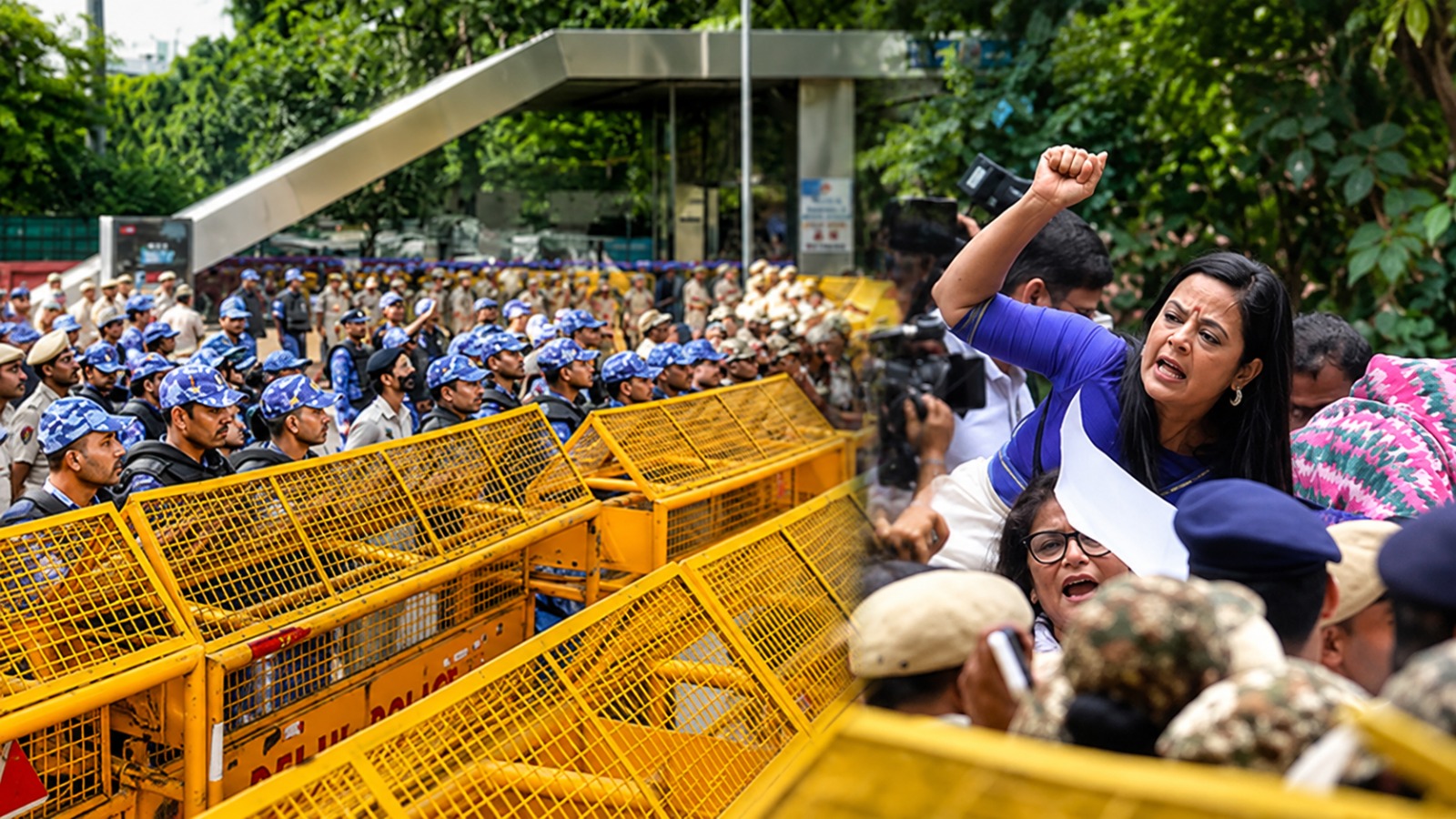
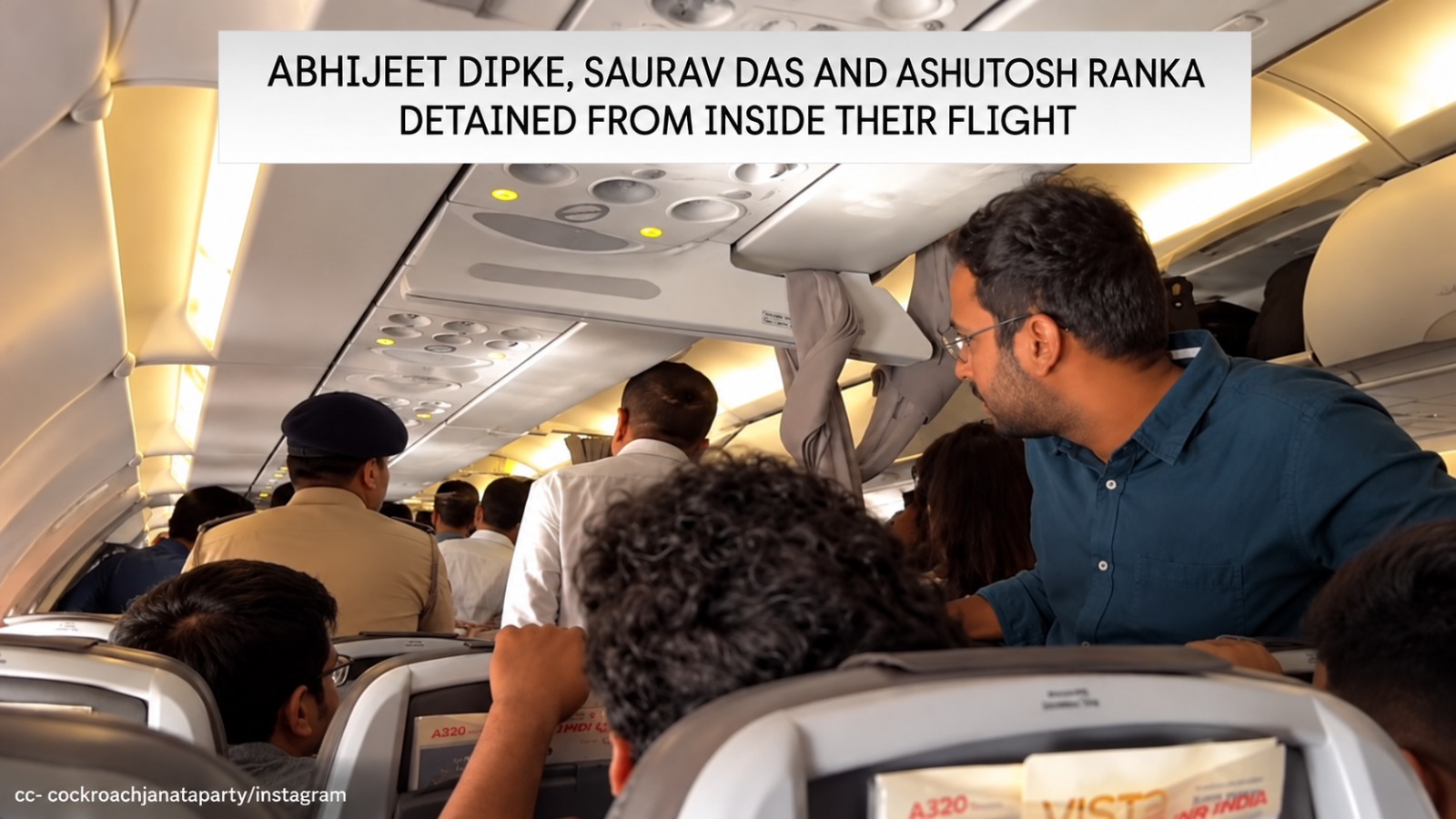
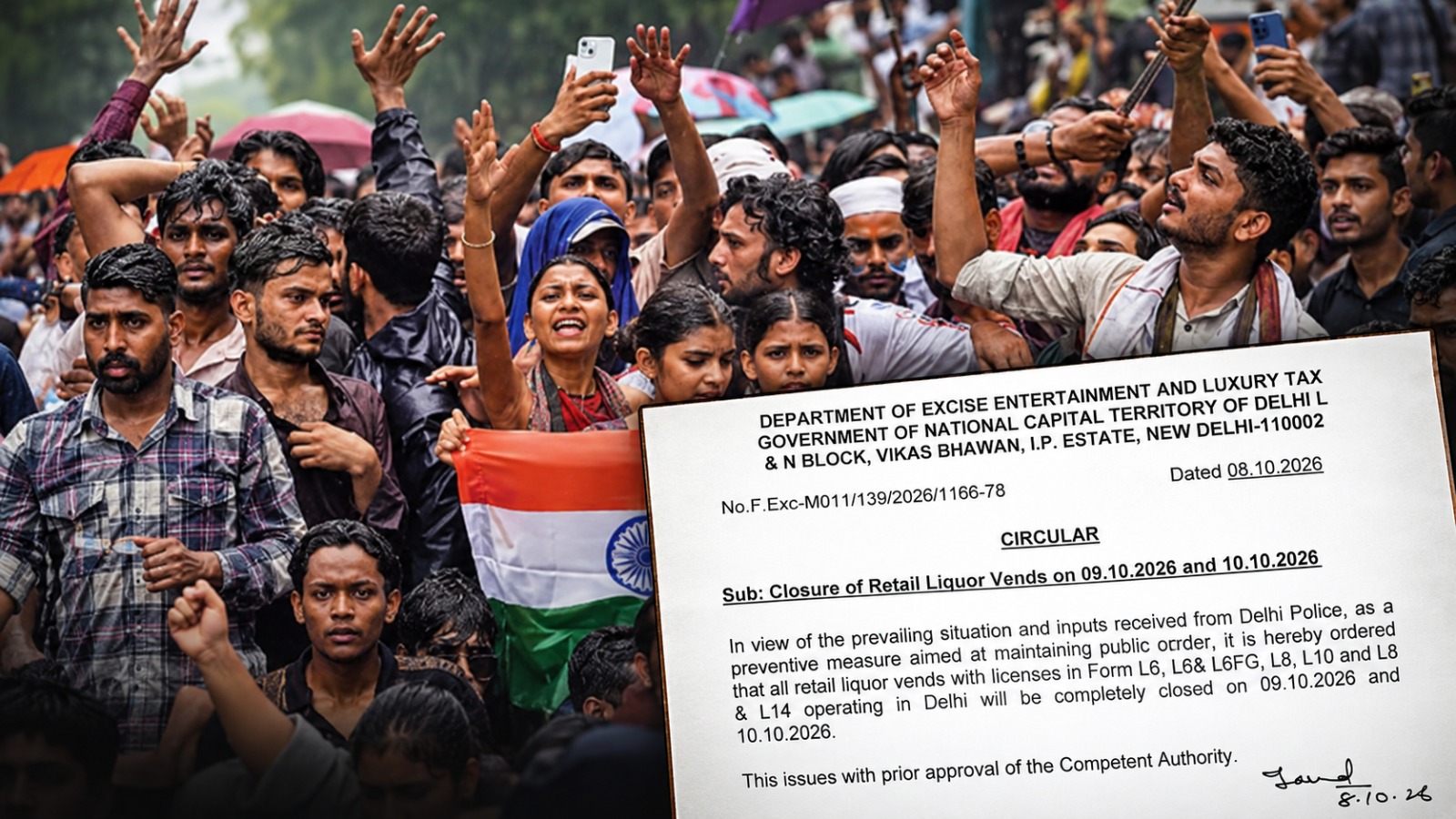
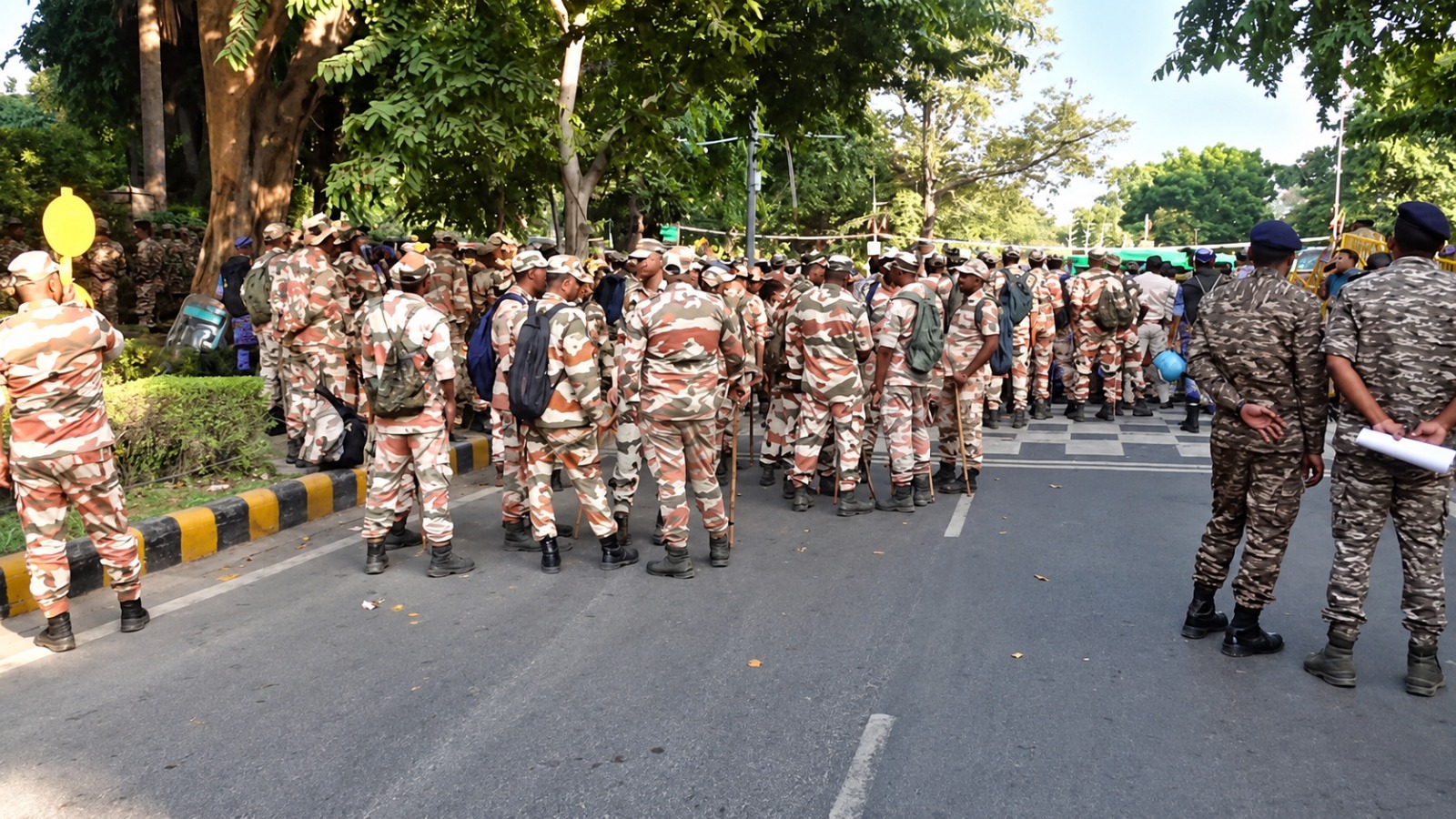
The detention comes amid an extensive security operation across the national capital, with police imposing transport restrictions, setting up barricades and detaining people suspected of planning to join the demonstration organised by the Cockroach Janta Party (CJP).
According to Hindustan Times, police teams reached Rathee’s residence in Kendriya Vihar, Sector 56, Gurugram, ahead of the protest. Police sources said officers had attempted to persuade him not to attend the demonstration, citing prohibitory orders in Delhi and the absence of official permission for the event. Rathee reportedly refused to withdraw his plans to participate.
CJP Condemns Detention, Alleges Crackdown on Dissent
The CJP condemned Rathee’s detention, alleging that the action was part of a wider effort to prevent people from participating in the protest.
In a statement posted on X, the organisation said the government was “terrified of young people who question its wrongdoings and refuse to stay silent”. It described the detention as “high-handed” and demanded the immediate and unconditional release of Rathee and other detained activists. These are allegations made by the organisation; the police have cited public-order restrictions and the lack of permission for the demonstration.
Rathee, who has a substantial online following, had joined an anti-SIR event in Bengaluru earlier this week, where activists and civil society groups called for accountability over the electoral-roll revision process.
The proposed Delhi demonstration seeks the resignation of Chief Election Commissioner Gyanesh Kumar. Organisers have raised concerns about voter-list revisions and alleged exclusion of eligible voters, while the Election Commission has defended its procedures.
Police Cite Prohibitory Orders
Police have maintained that the protest cannot proceed without permission. According to reports, officers told Rathee that restrictions imposed under Section 163 of the Bharatiya Nagarik Suraksha Sanhita (BNSS) in Delhi, along with the absence of authorisation for the demonstration, were reasons not to attend.
The detention also comes amid reports of preventive action against political workers and activists in the run-up to the protest. The CJP and other critics have questioned the legality and necessity of these measures, arguing that they could deter peaceful participation.
The immediate question is whether the authorities will permit any form of demonstration at Jantar Mantar or continue to prevent organisers and supporters from assembling.
Jantar Mantar Protest Amid Transport and Internet Restrictions
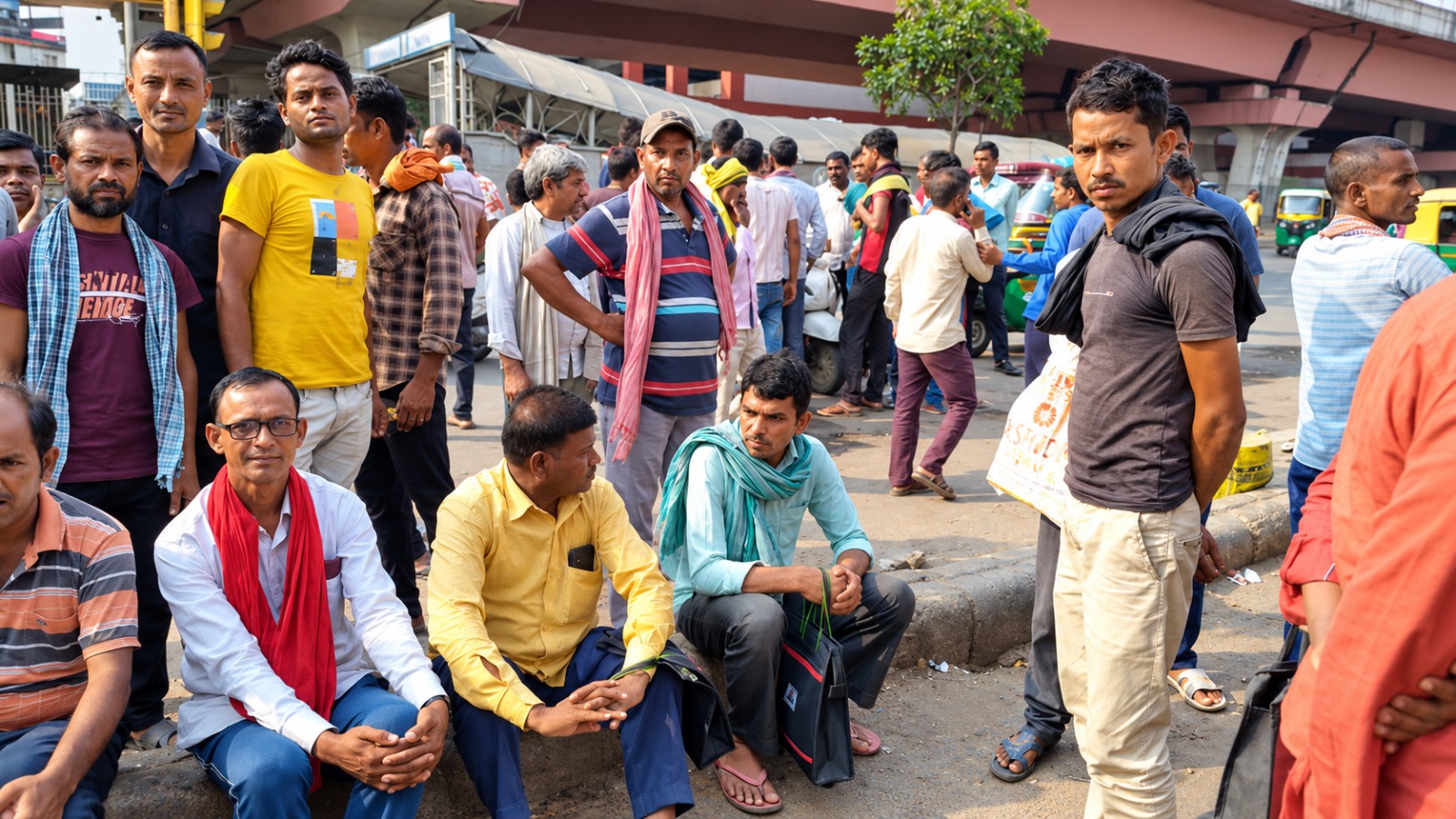
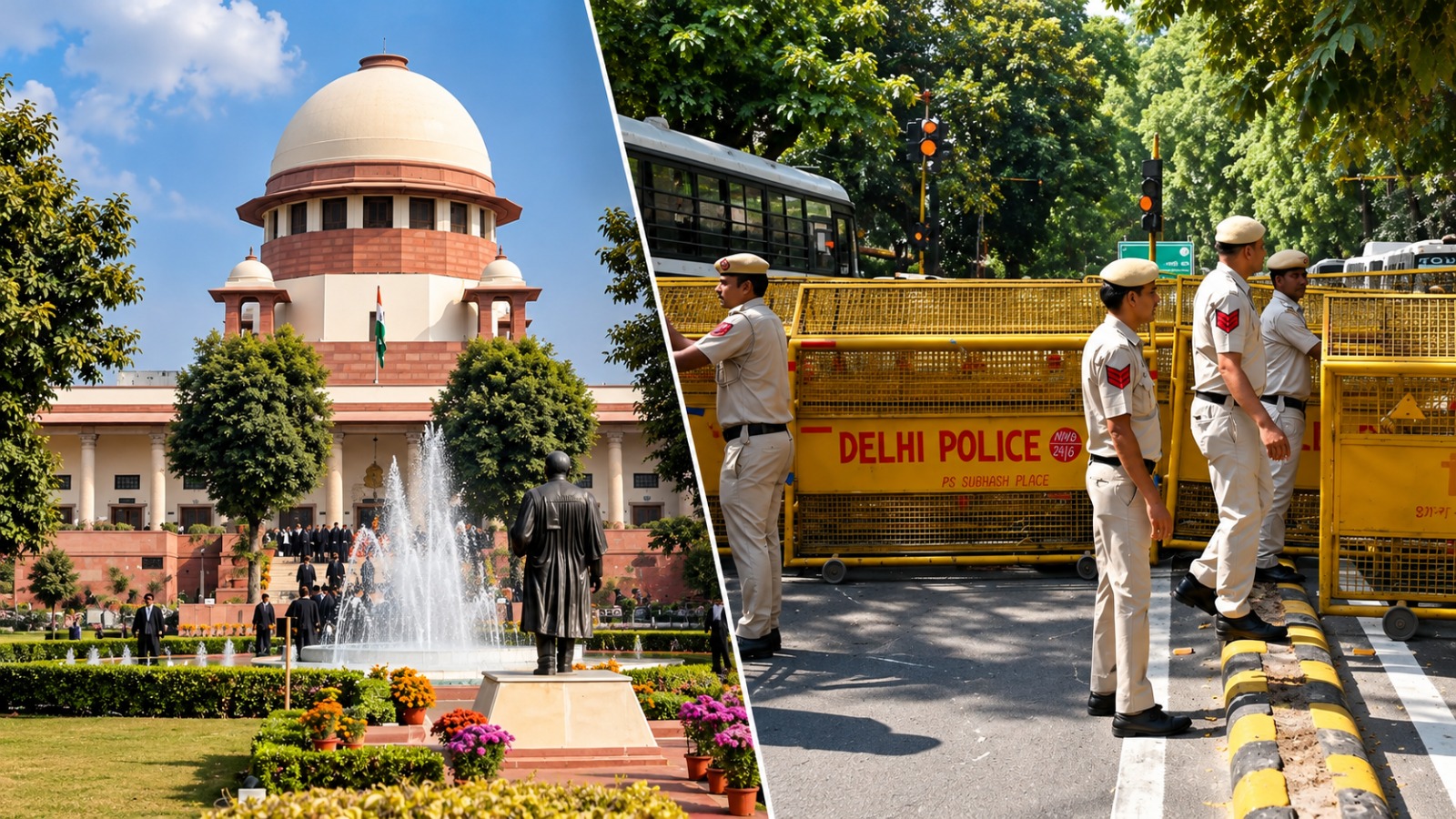
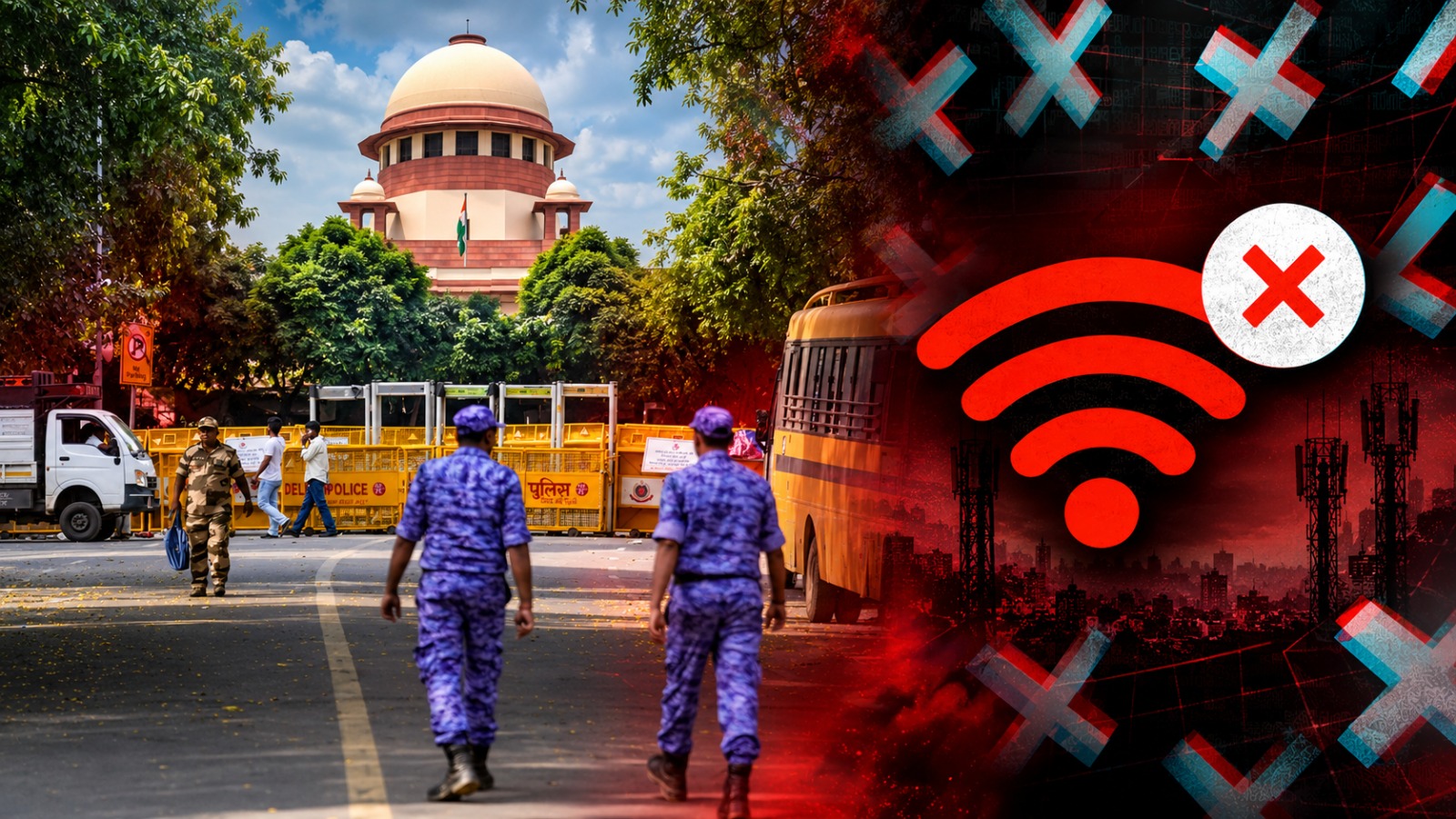
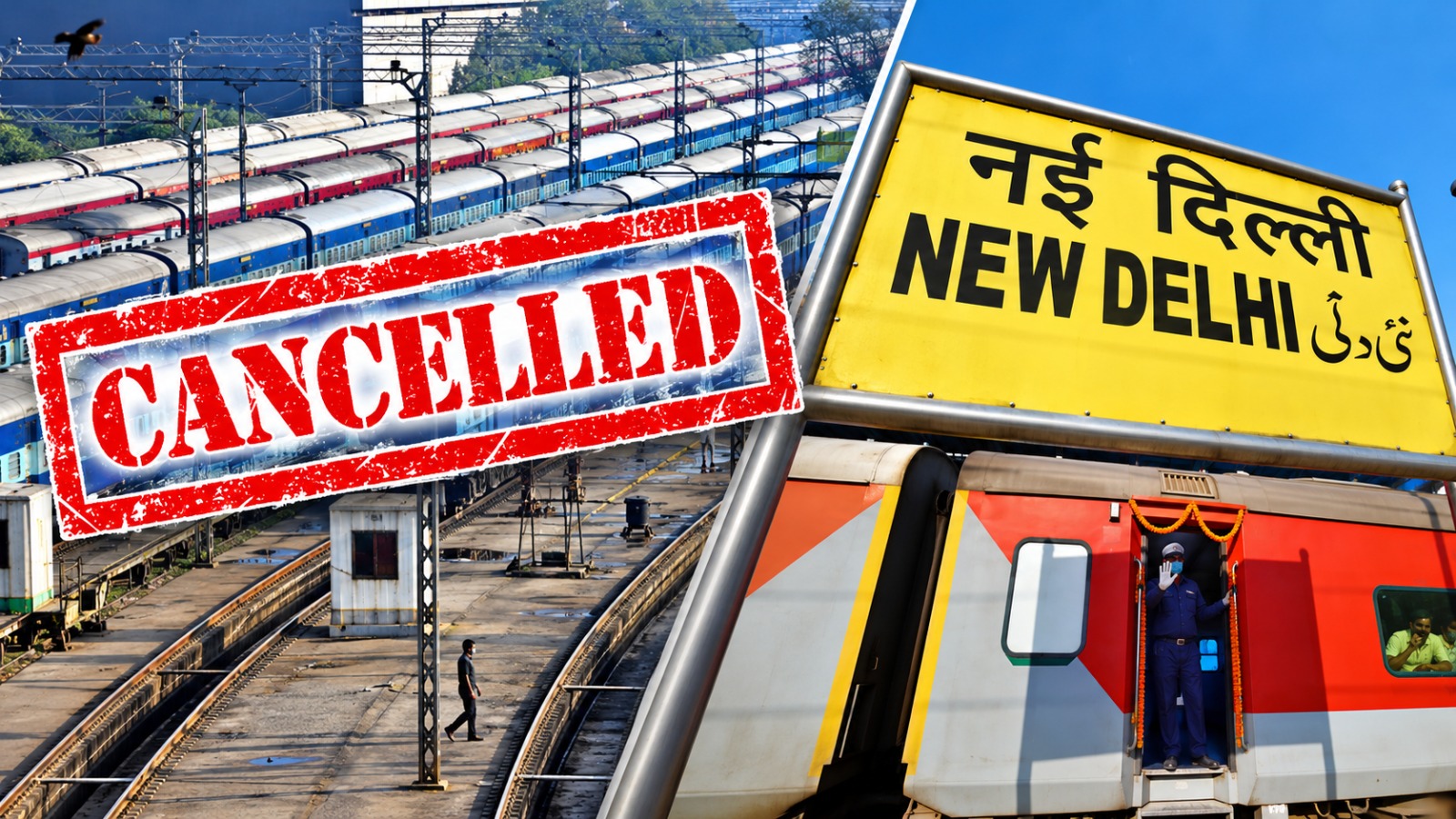
Delhi has witnessed an extensive security build-up ahead of the October 10 mobilisation. Restrictions on Metro station access, cancellations of several long-distance trains and a temporary mobile internet suspension around central Delhi have added to the disruption.
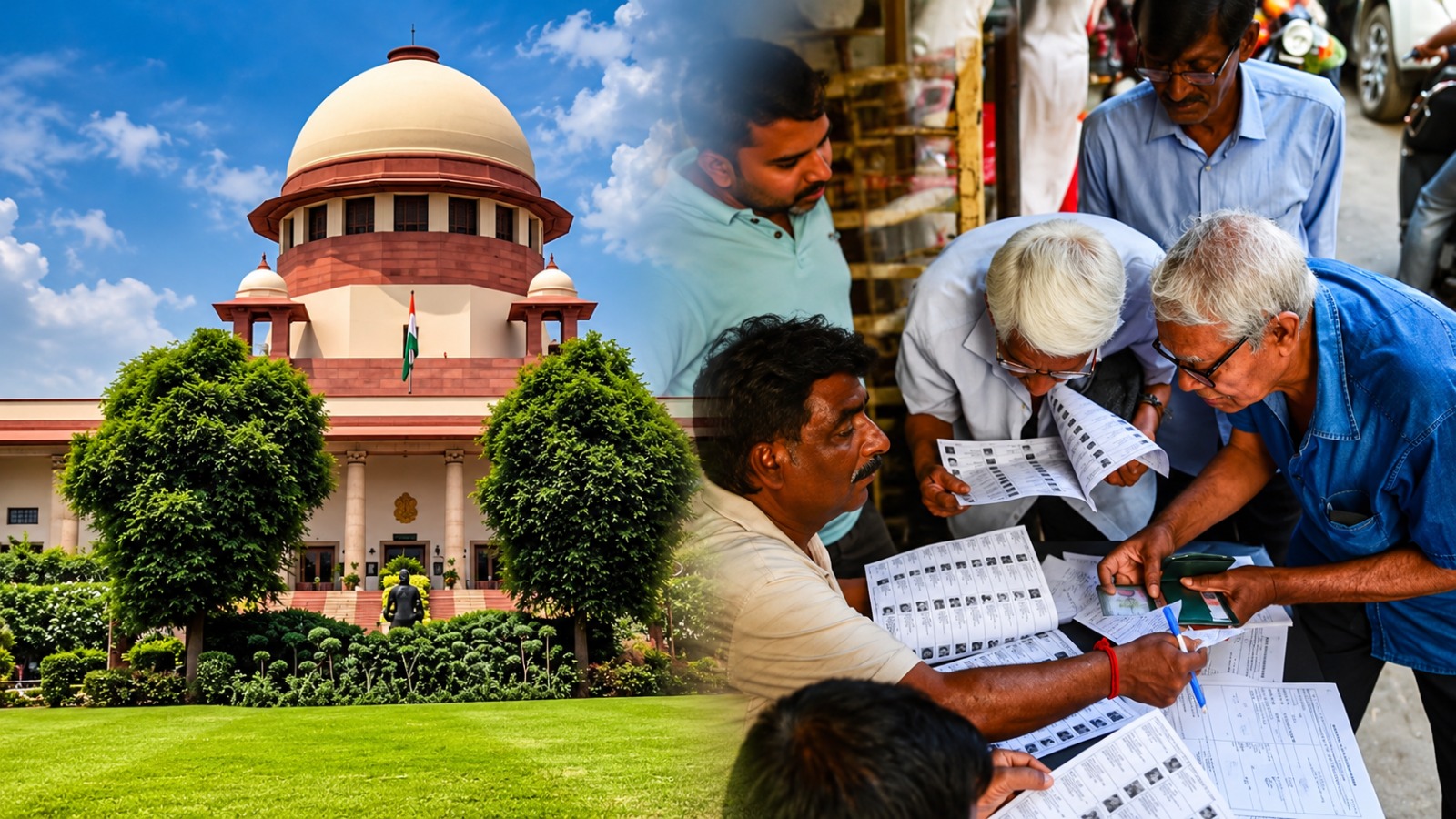
The Supreme Court has separately expressed concern over the potential hardship caused by restrictions on public transport, asking the Centre to ensure that Metro and railway services are not completely halted.
The court’s intervention has brought the proportionality of the security measures into sharper focus: while authorities are responsible for maintaining public order, the consequences for ordinary commuters and residents remain significant.
Electoral Accountability at the Centre of the Dispute
The CJP’s protest is part of a broader campaign against the SIR process and the Election Commission’s handling of electoral rolls. Organisers have demanded Kumar’s resignation, alleging that the revision exercise threatens eligible citizens’ voting rights.
The Election Commission’s role in preparing and revising electoral rolls has become a major political flashpoint, with opposition parties and activists demanding greater transparency and accountability.
Rathee’s detention adds another dimension to the confrontation, shifting attention from the electoral-roll dispute to the restrictions placed on those seeking to protest against it.