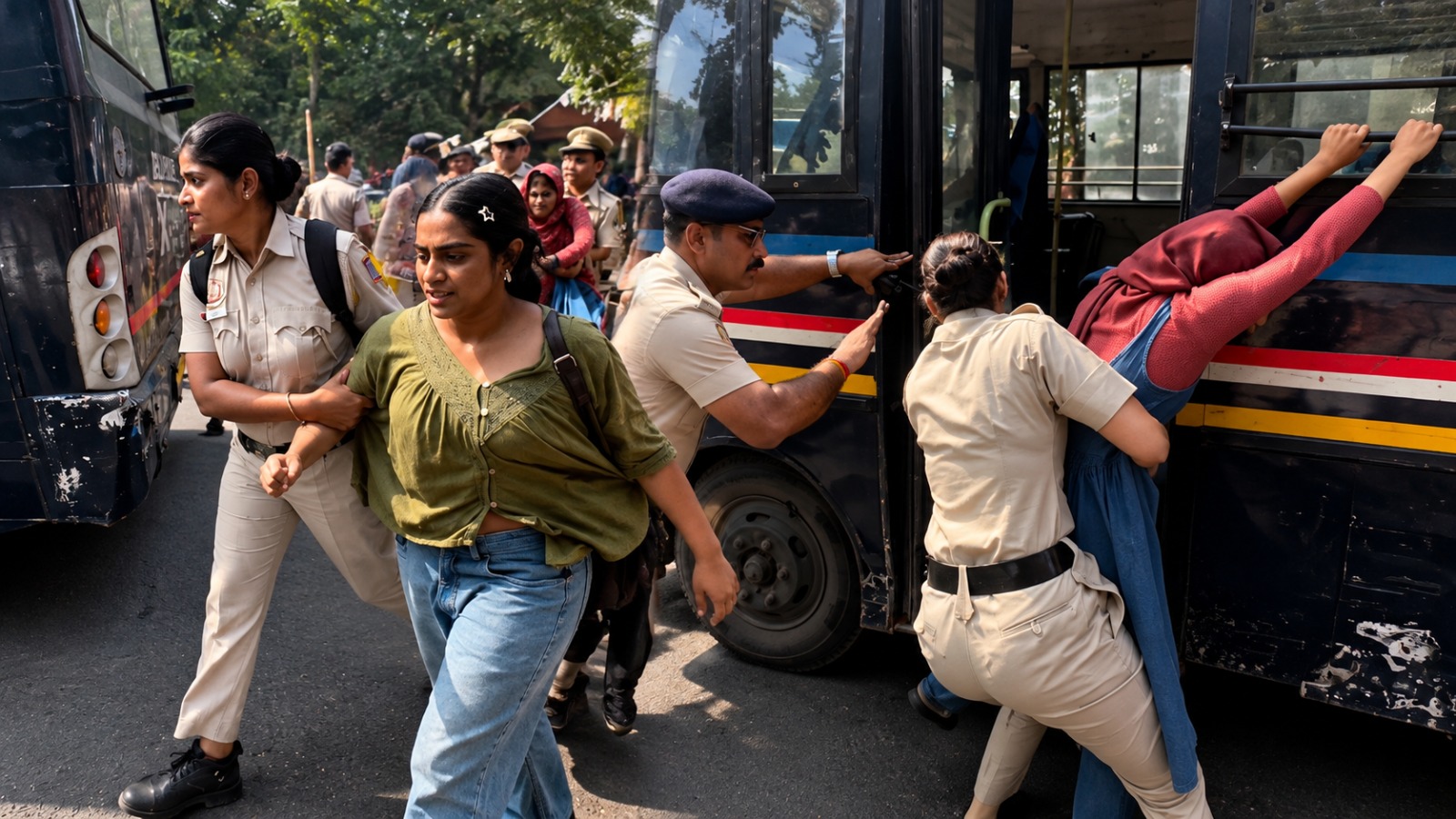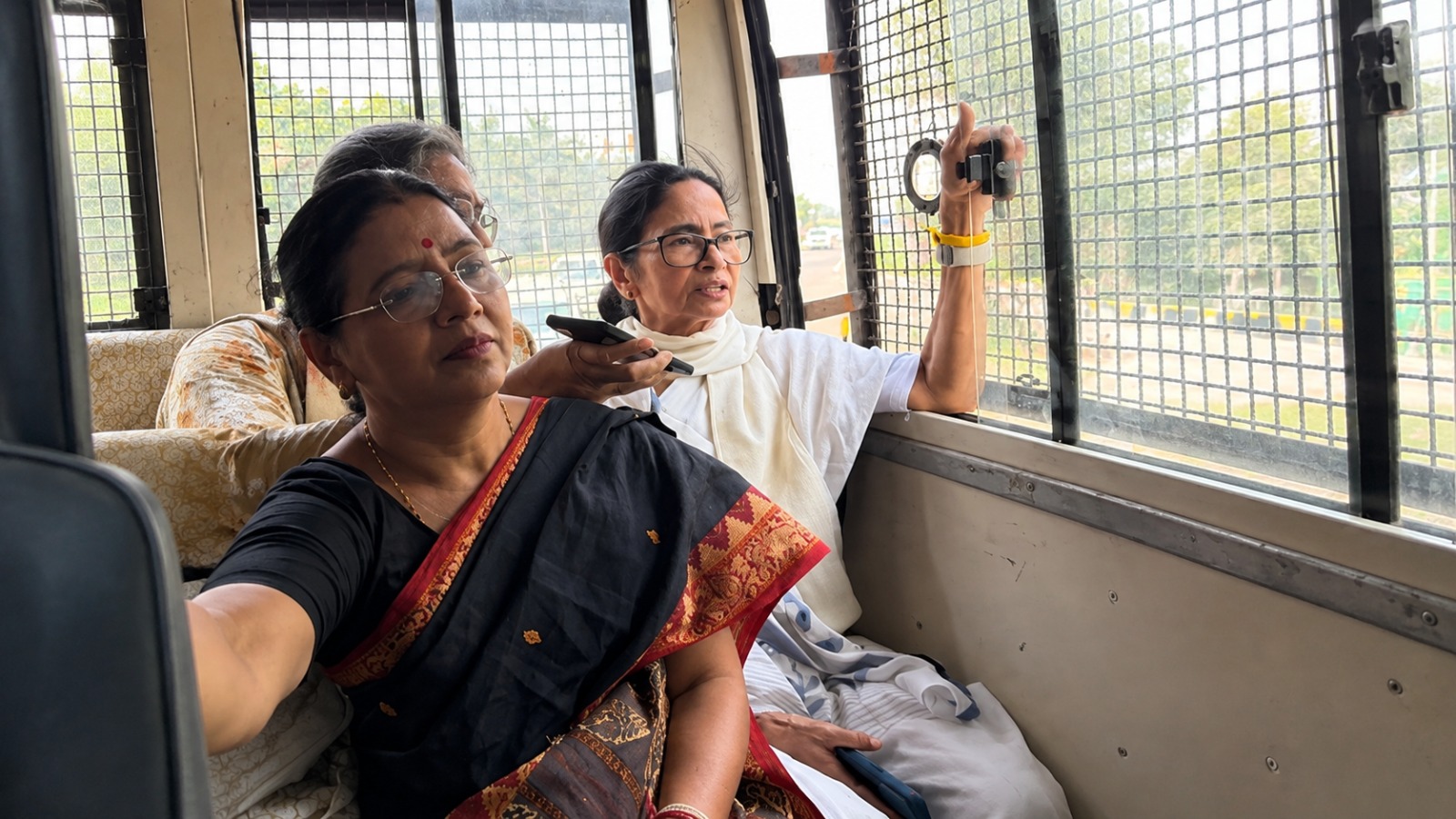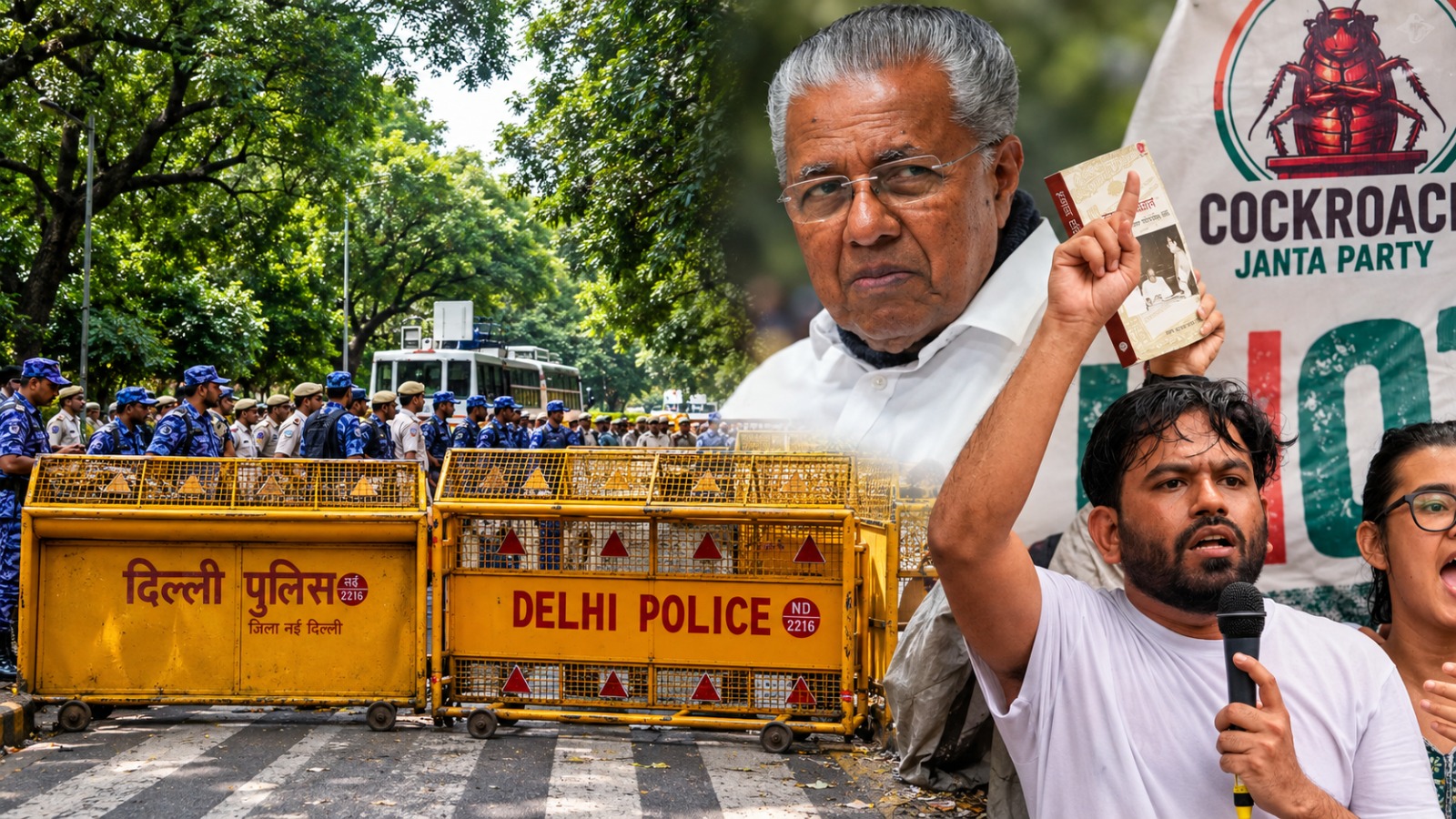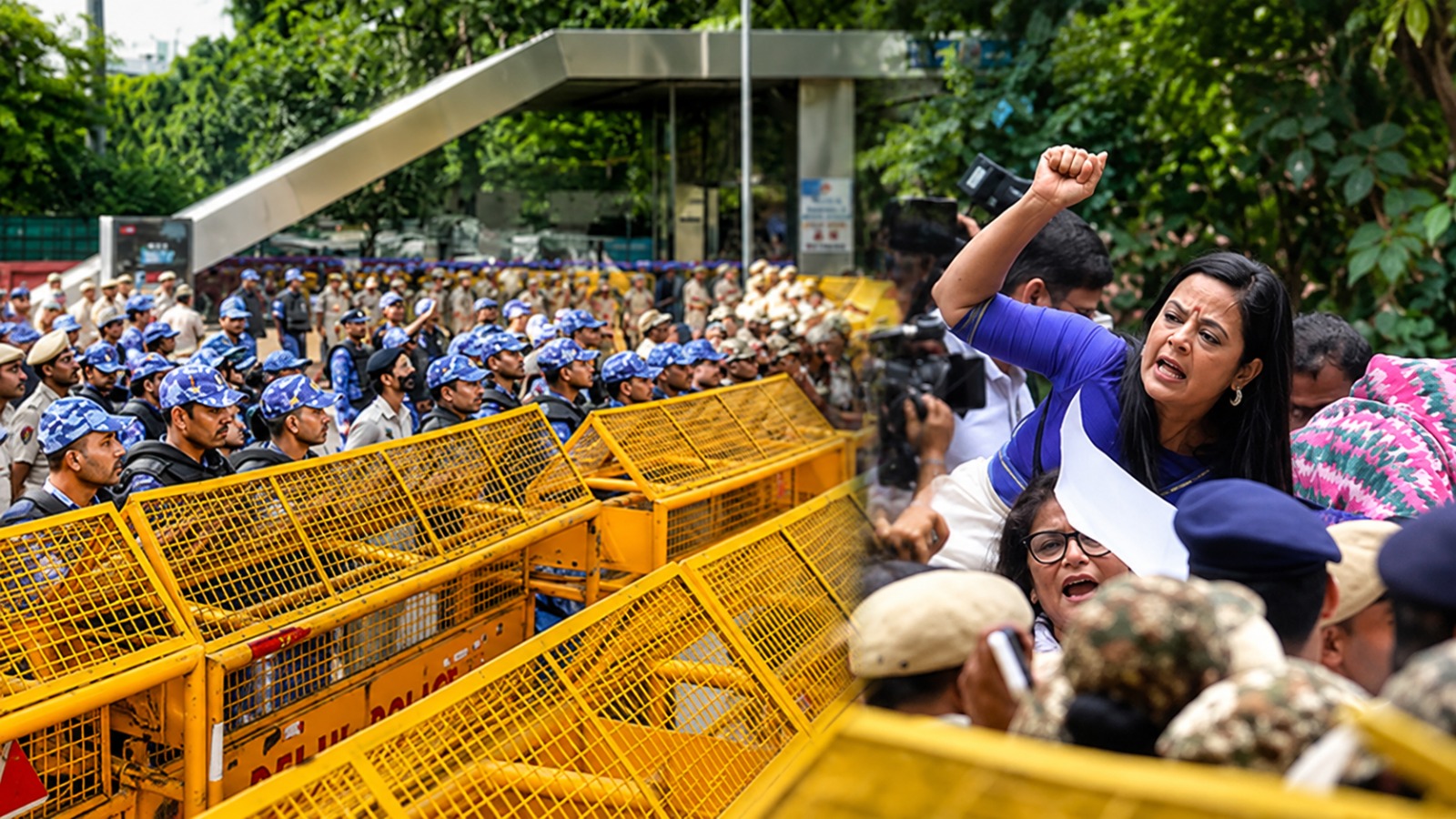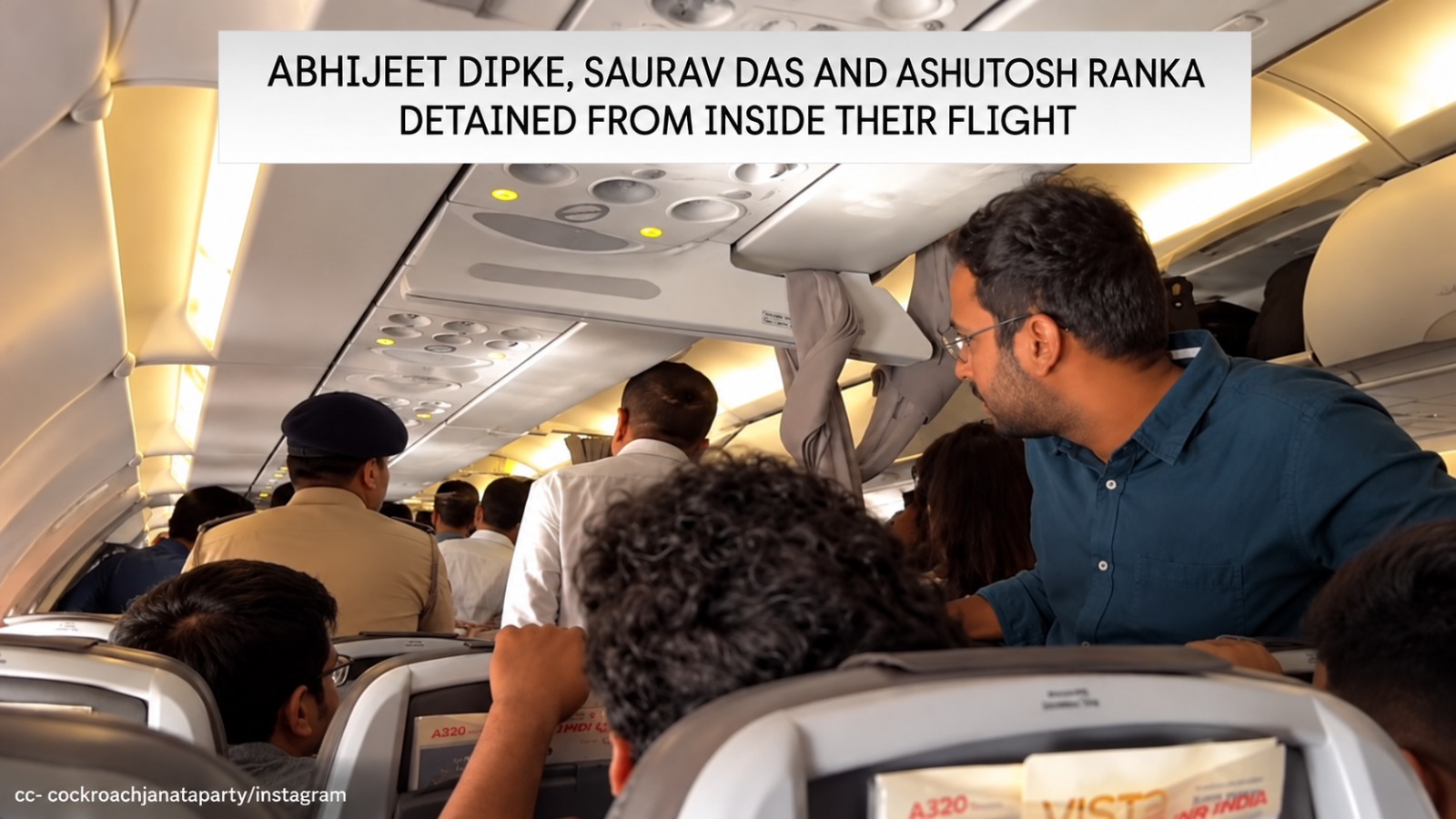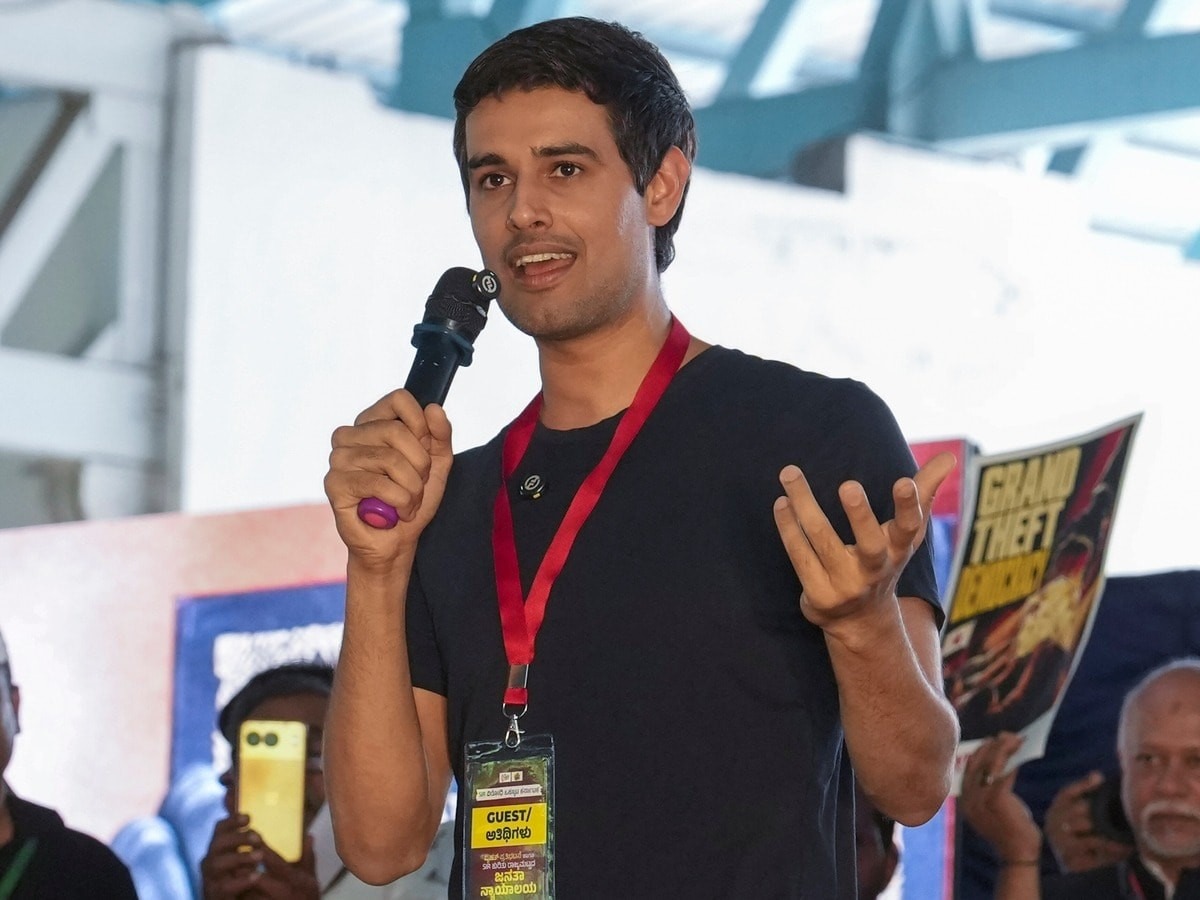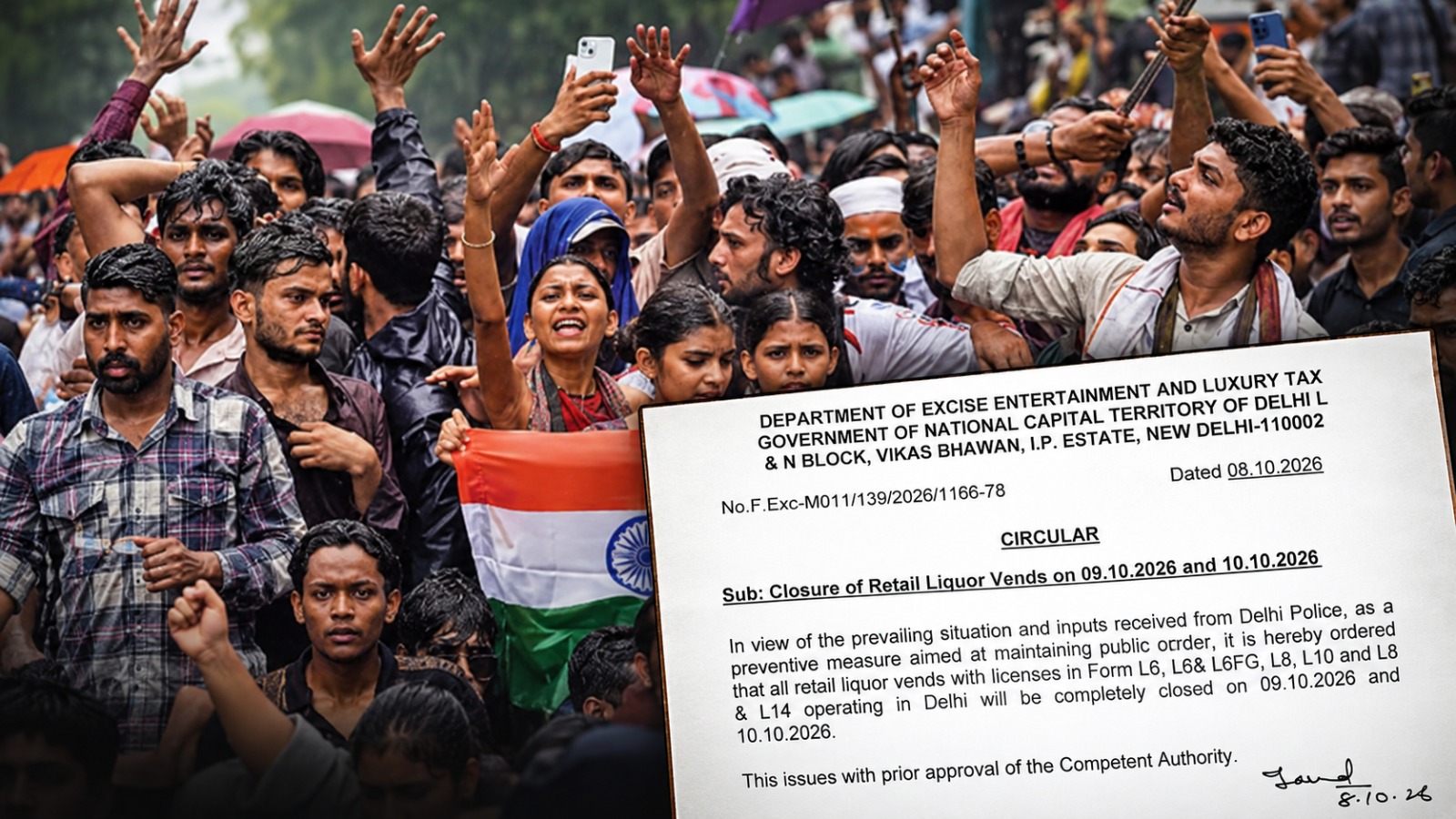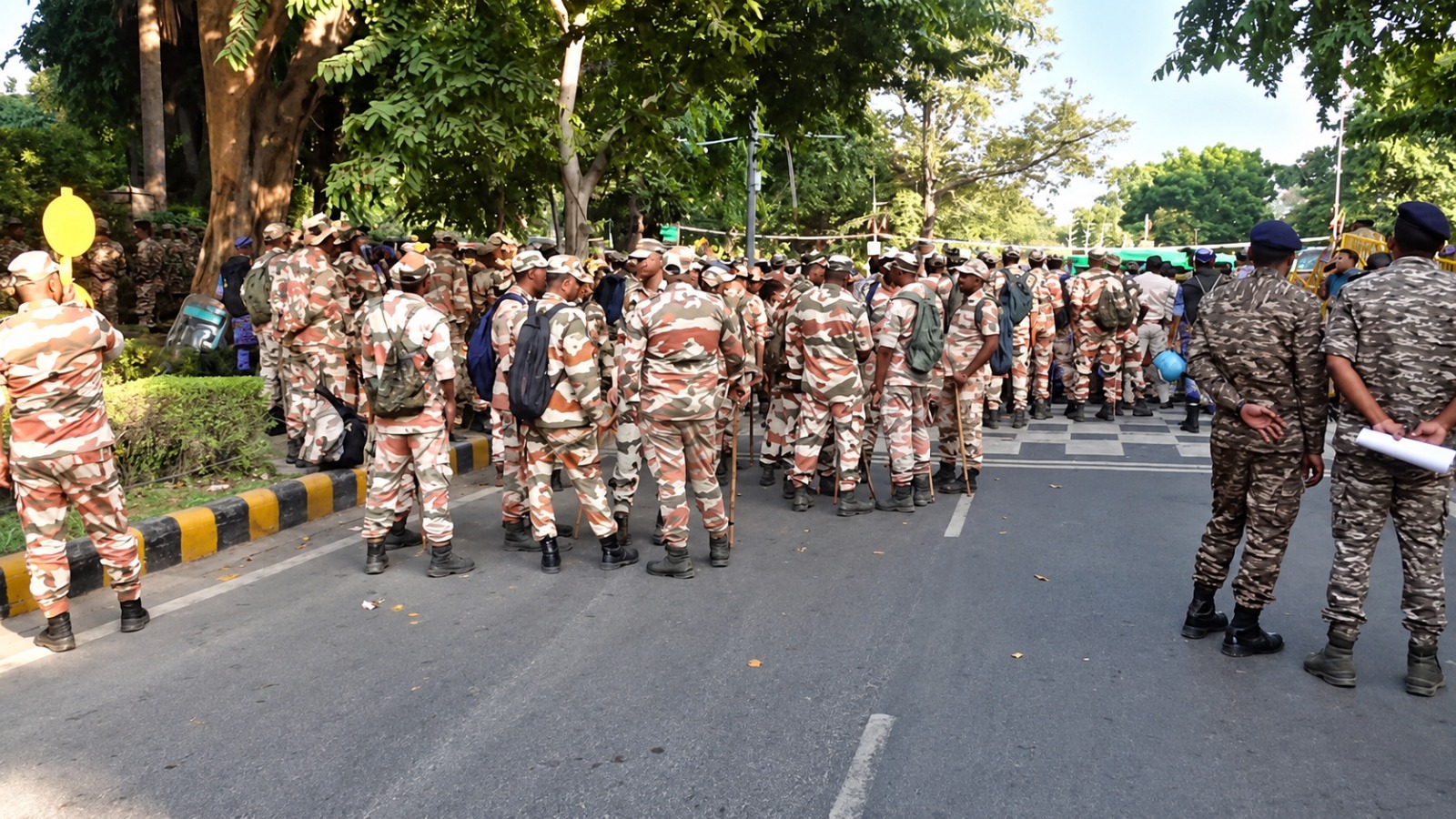

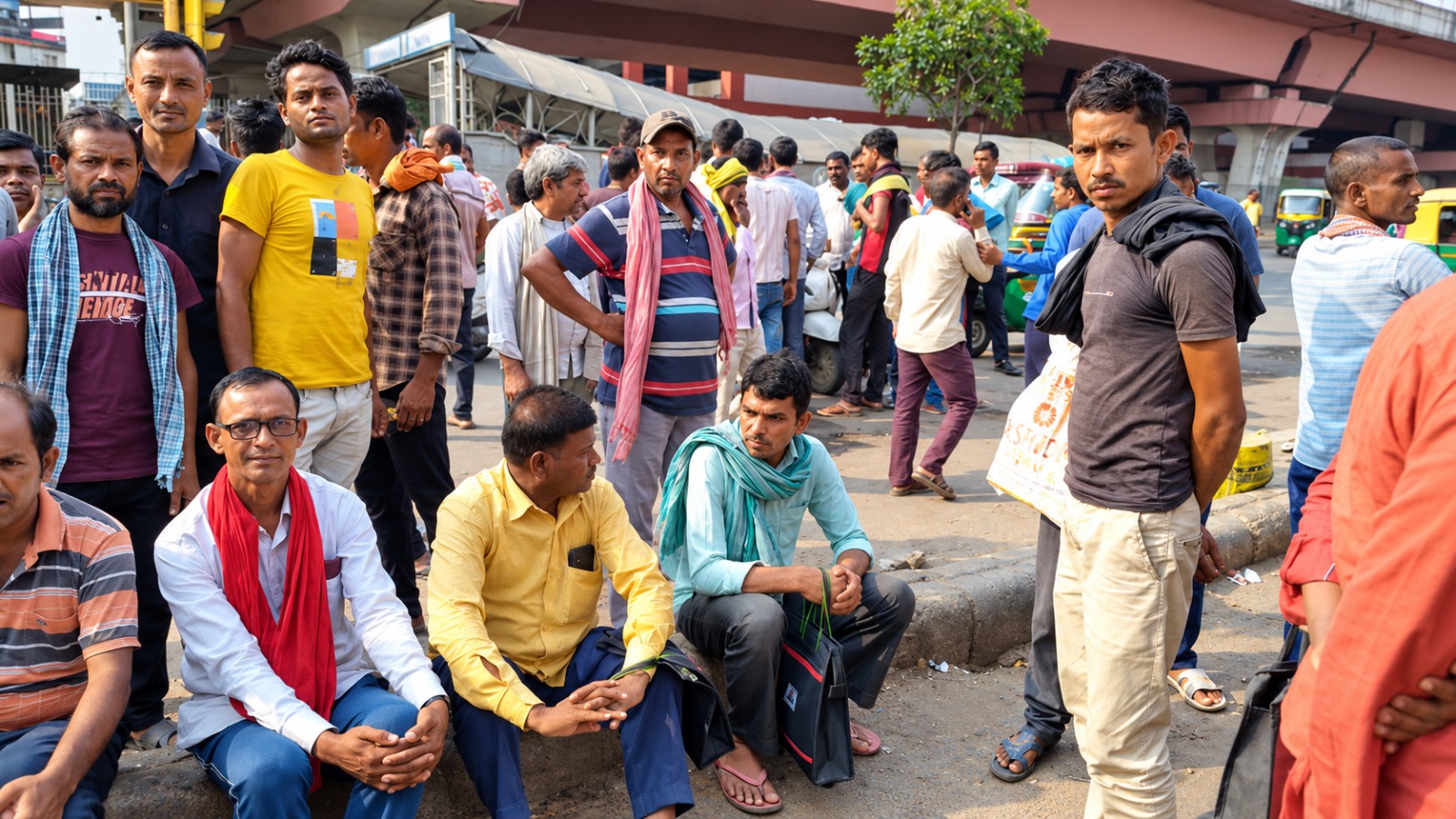
As sweeping security restrictions gripped the national capital ahead of the Cockroach Janta Party’s (CJP) protest at Jantar Mantar, daily wage workers found themselves among those bearing the cost of the measures, with access to workplaces reportedly disrupted.
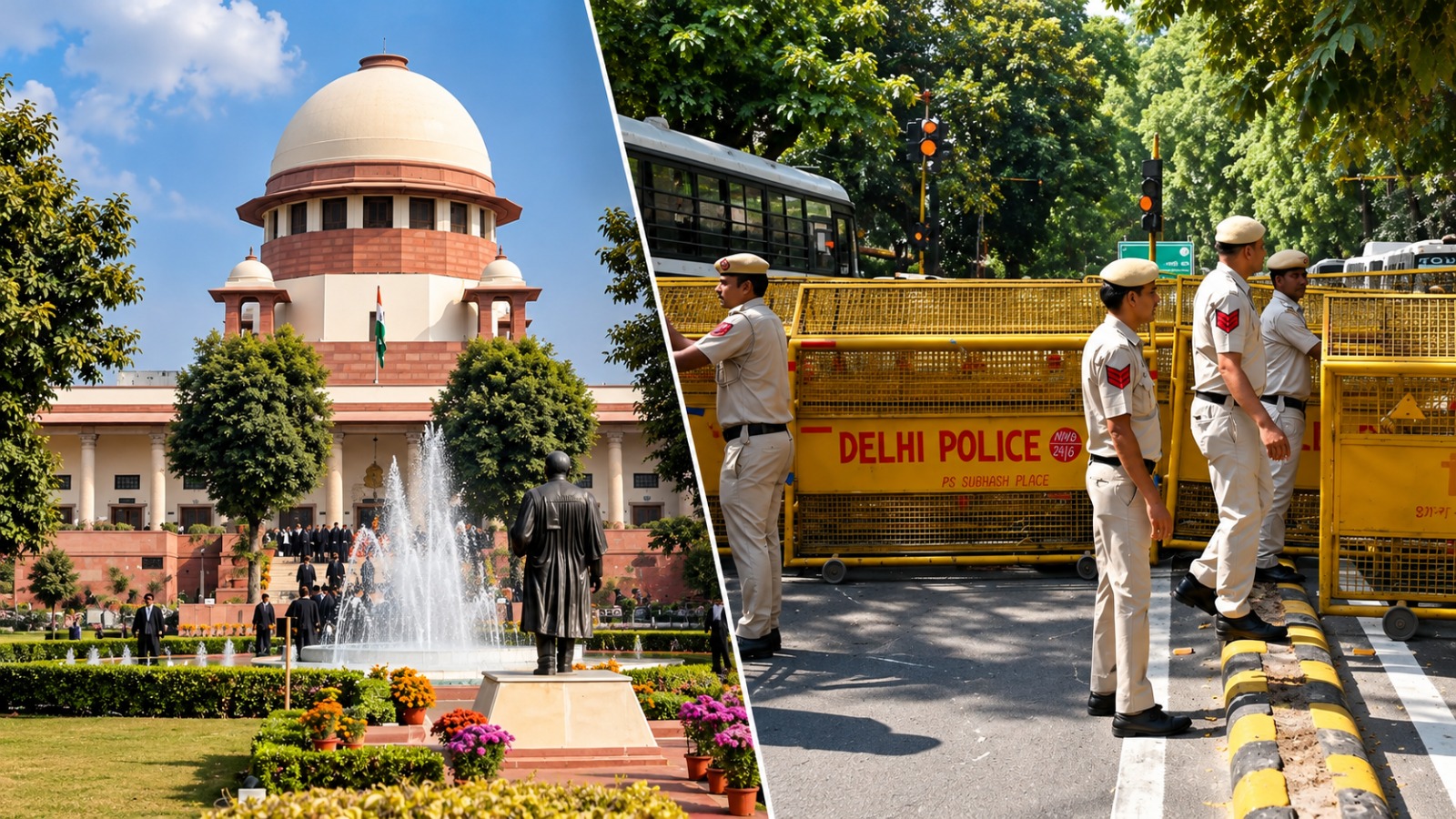
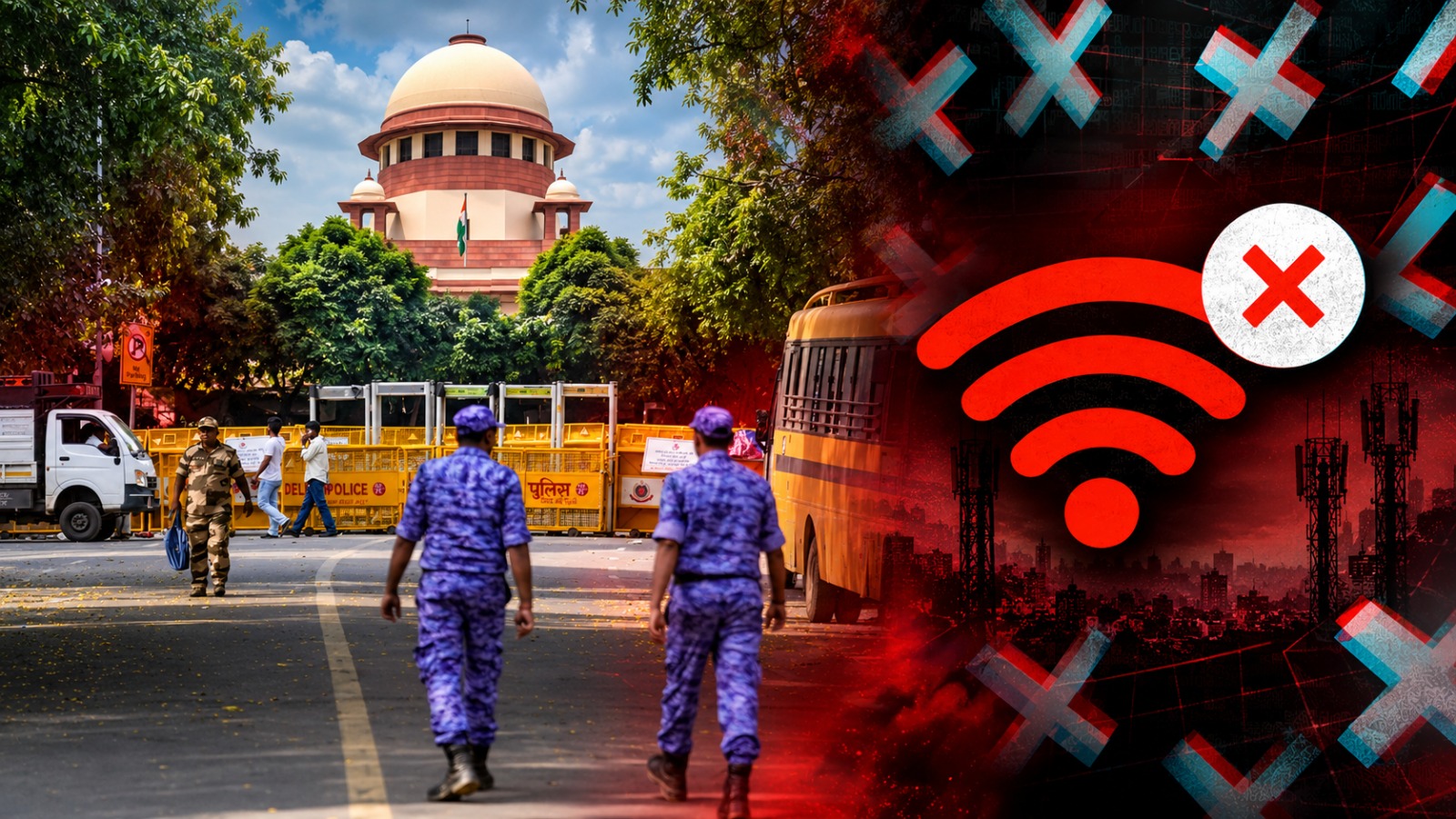
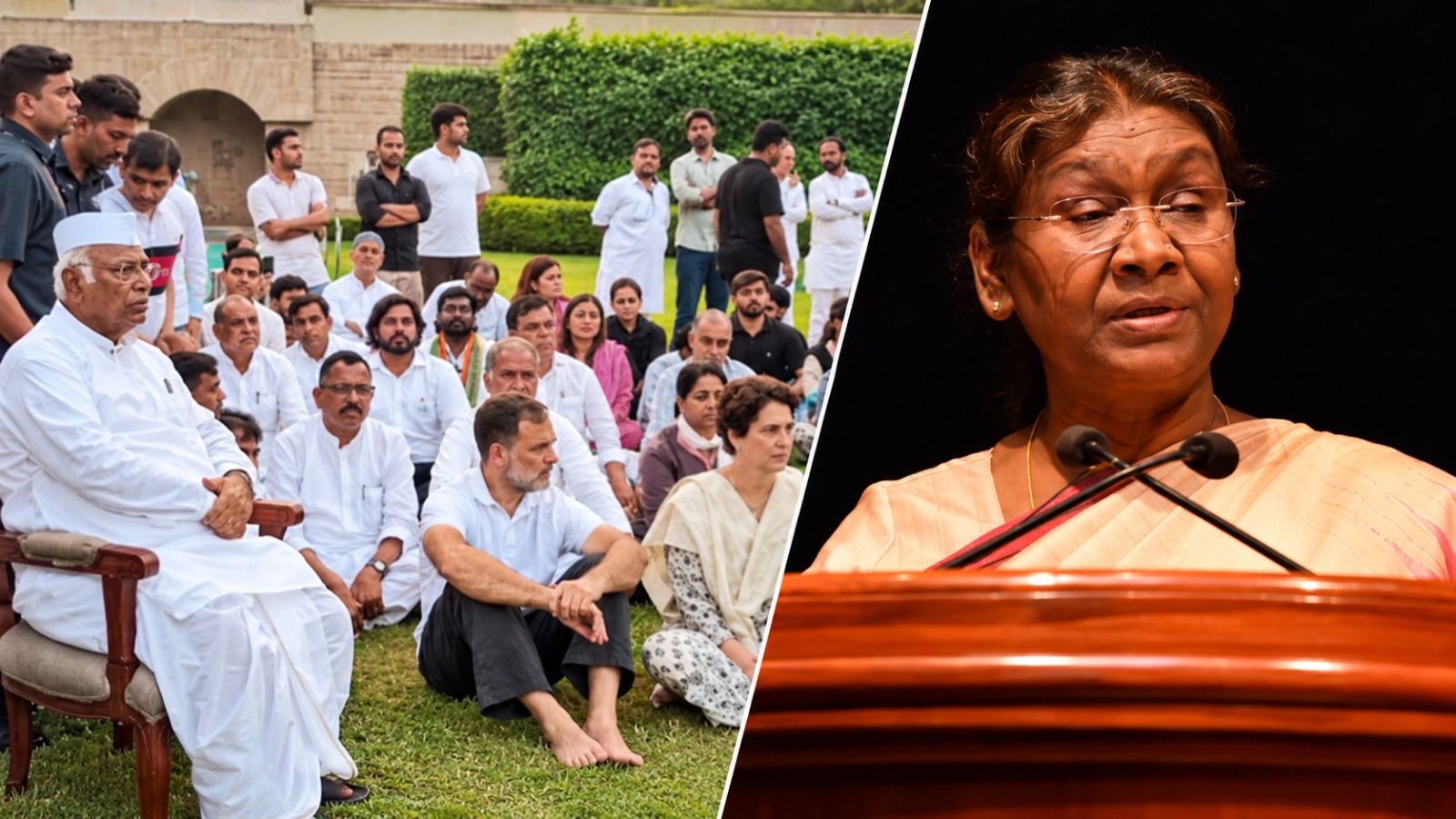
The protest, scheduled for October 10, was called to demand the resignation of Chief Election Commissioner Gyanesh Kumar over allegations surrounding voter-list revisions. Authorities tightened security across central Delhi, setting up barricades, restricting movement and curbing public transport services in several areas.
However, the restrictions extended beyond the proposed protest site, affecting ordinary residents and commuters whose daily livelihoods depend on being able to travel freely across the city. For workers paid by the day, an inability to reach their workplace can mean an immediate loss of income.
The disruption has raised questions about the balance between maintaining public order and protecting the everyday needs of citizens who have no direct connection with the political mobilisation.
Security measures, everyday consequences
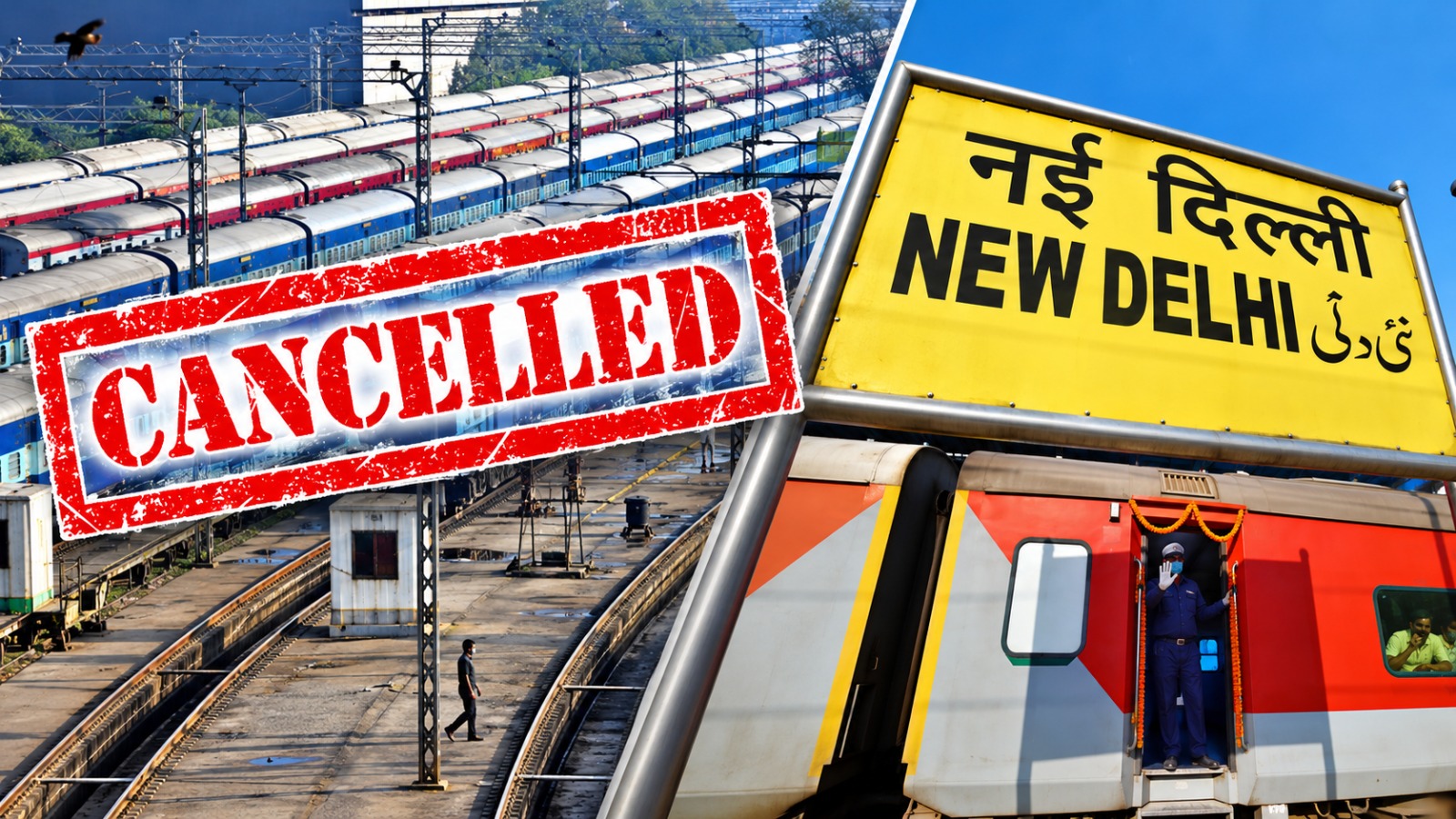
The extensive restrictions came amid heightened deployment of security personnel and the closure or curtailment of transport services in parts of the capital. The authorities said the measures were intended to manage the situation surrounding the planned demonstration.
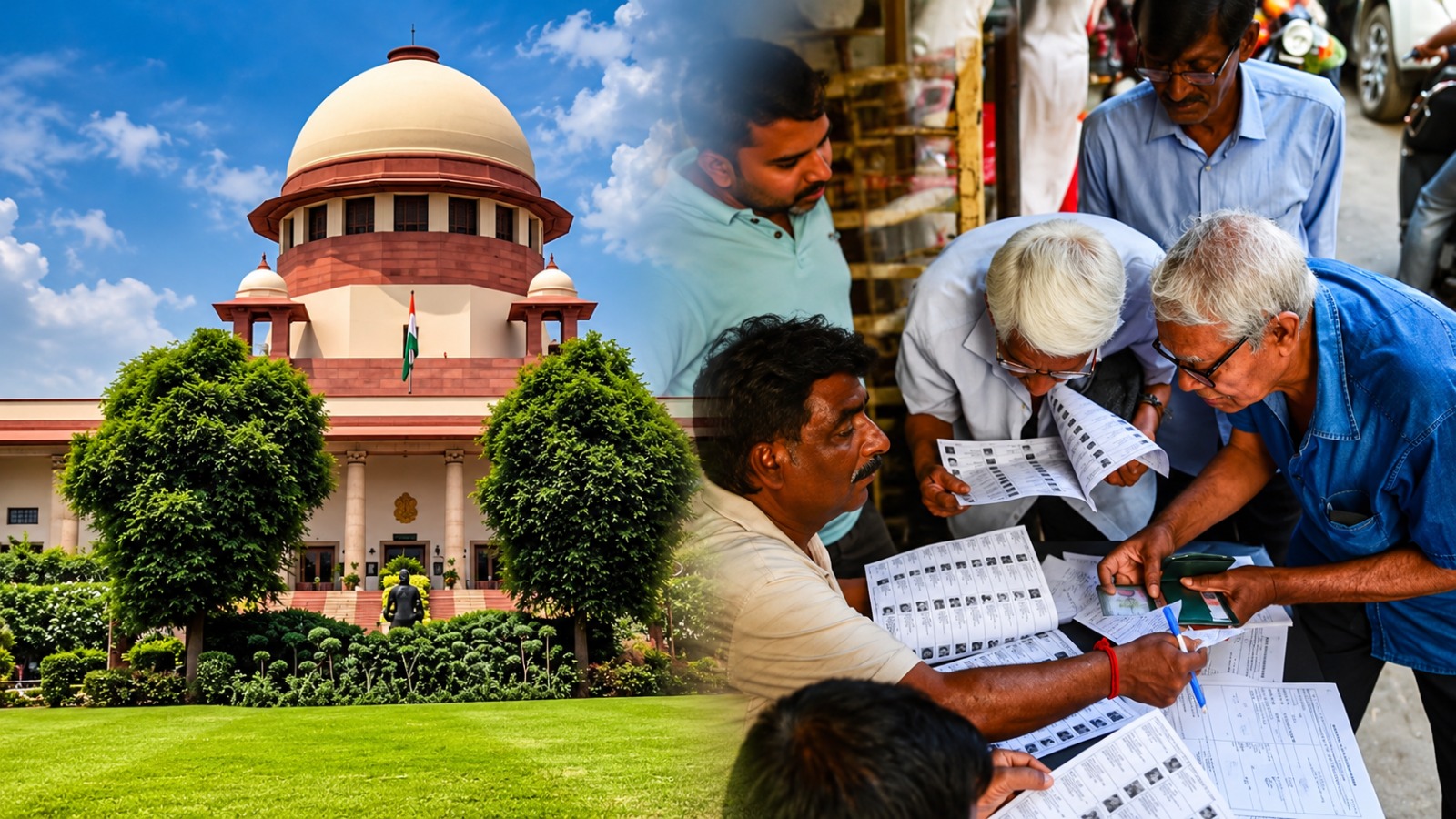
The Supreme Court had also urged the Centre to ensure that metro and railway services were not brought to a complete halt, emphasising the need to avoid unnecessary hardship for ordinary commuters.
The difficulties faced by daily wage workers highlight how preventive measures adopted for a political event can have consequences far beyond the immediate area of a proposed gathering. Unlike salaried employees, many informal-sector workers cannot afford to lose even a single day's earnings.
A protest, a city and the cost of restrictions
The CJP demonstration sought to draw attention to concerns over electoral processes and the role of the Election Commission. But as the capital was placed under extensive security restrictions, the impact was felt not only by protesters attempting to reach Jantar Mantar but also by people trying to get to work.
The episode has brought the wider implications of protest-related restrictions into focus: public safety remains a legitimate concern, but so does the right of ordinary citizens to move through the city and earn a living.