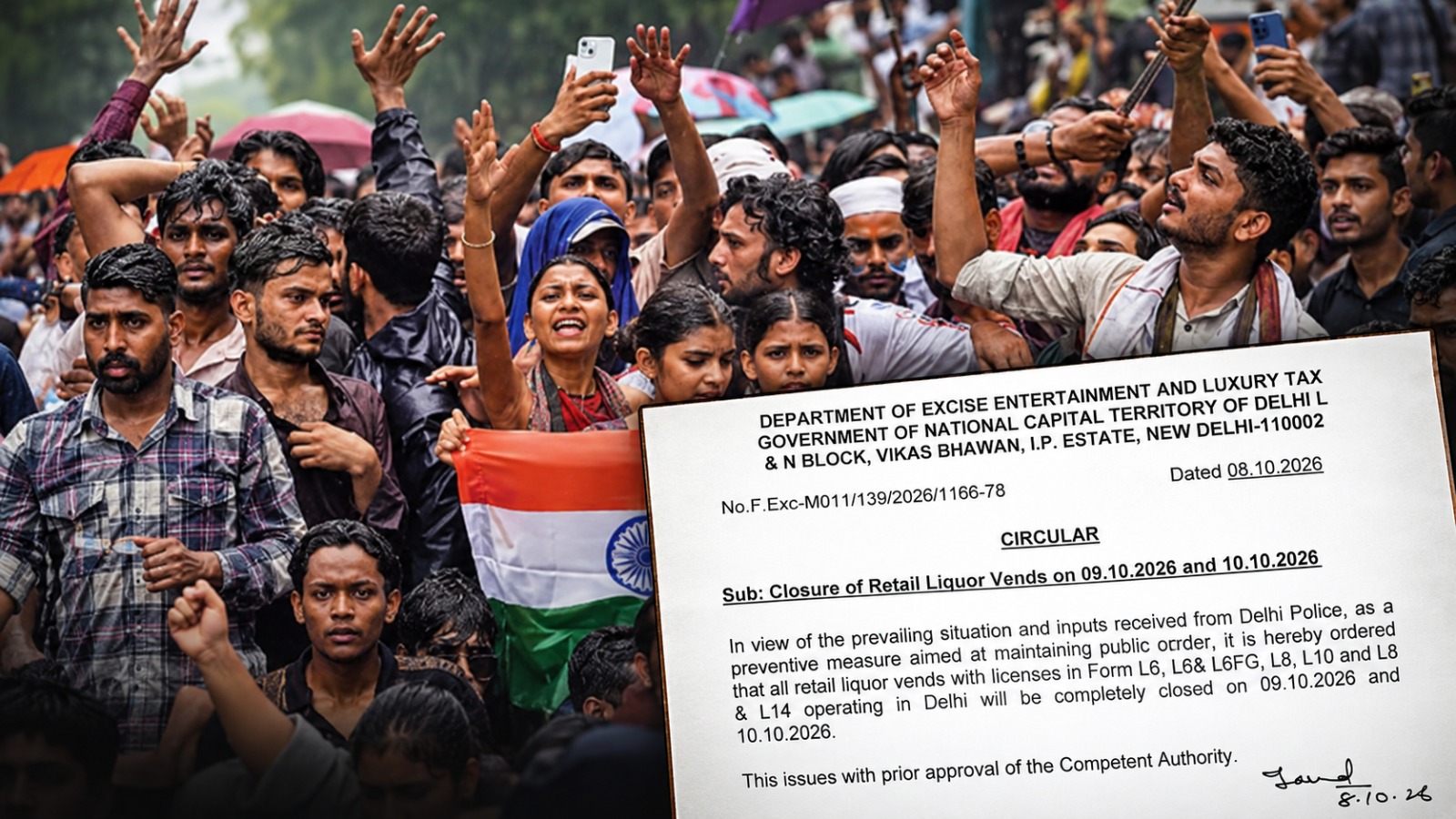

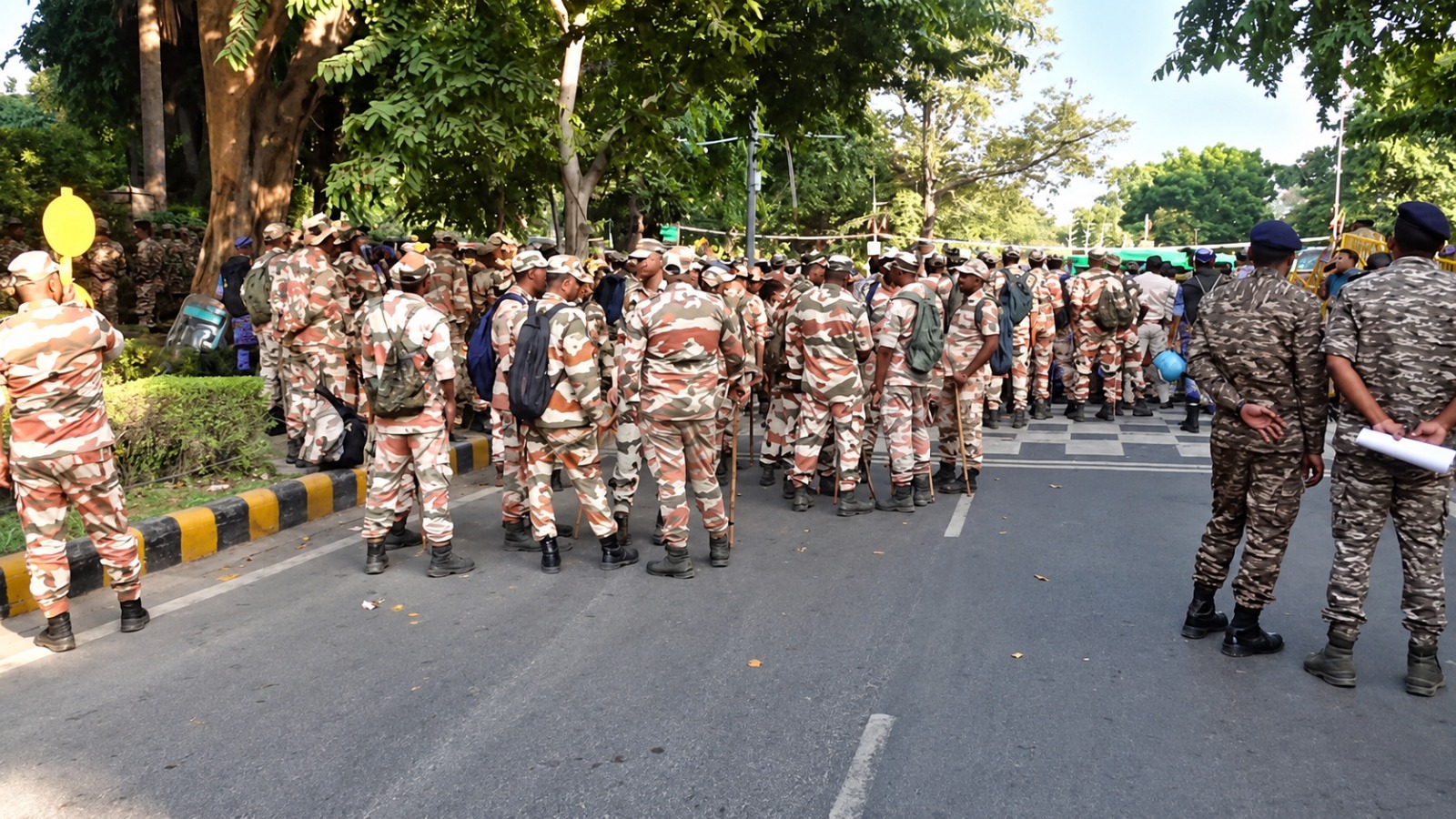
The Centre has stepped up security arrangements in the national capital ahead of the Cockroach Janta Party’s (CJP) proposed protest on October 10, with around 12,000 paramilitary personnel being airlifted from West Bengal, Jammu and Kashmir and Chhattisgarh, according to a report by The Telegraph.
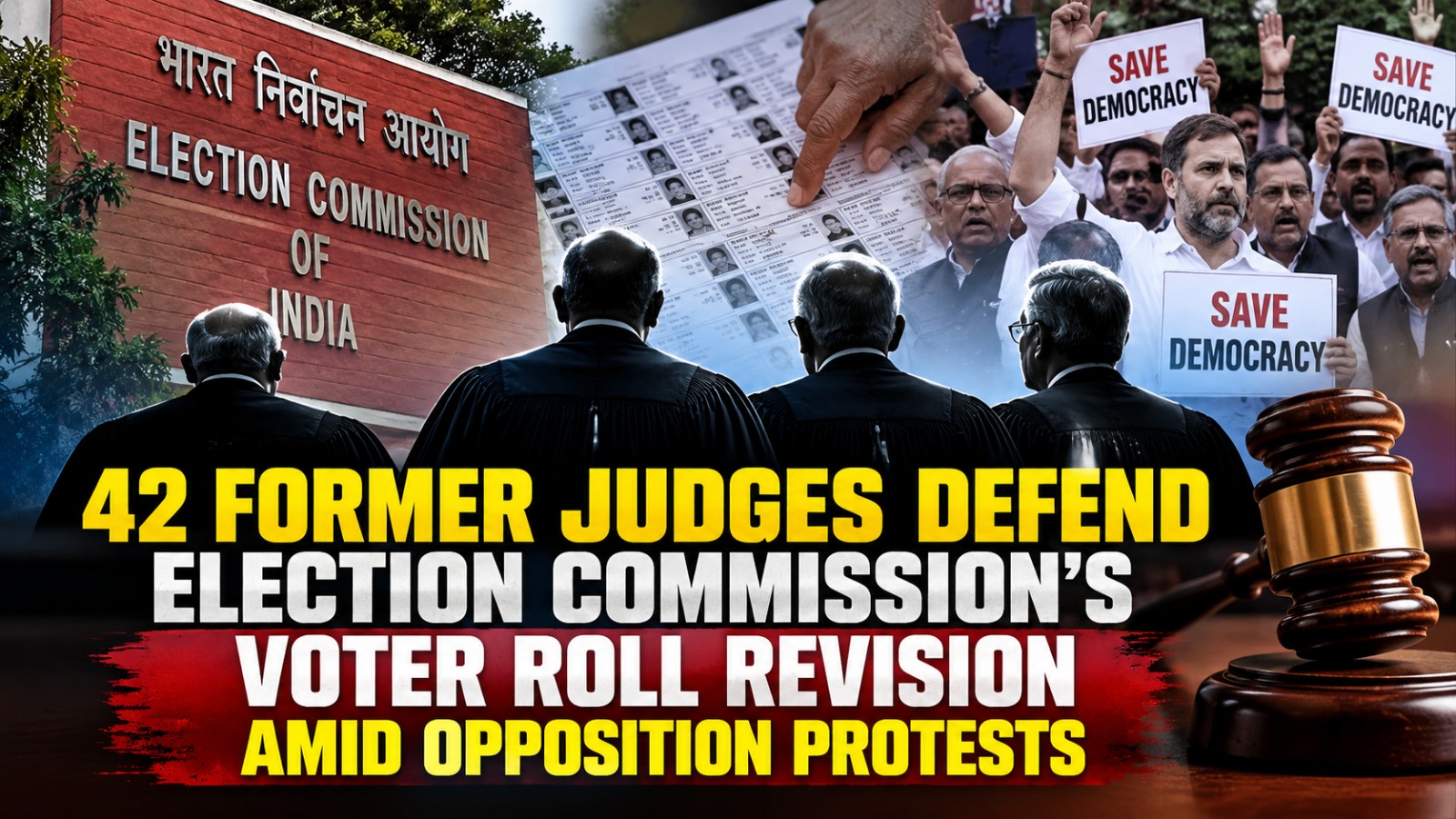
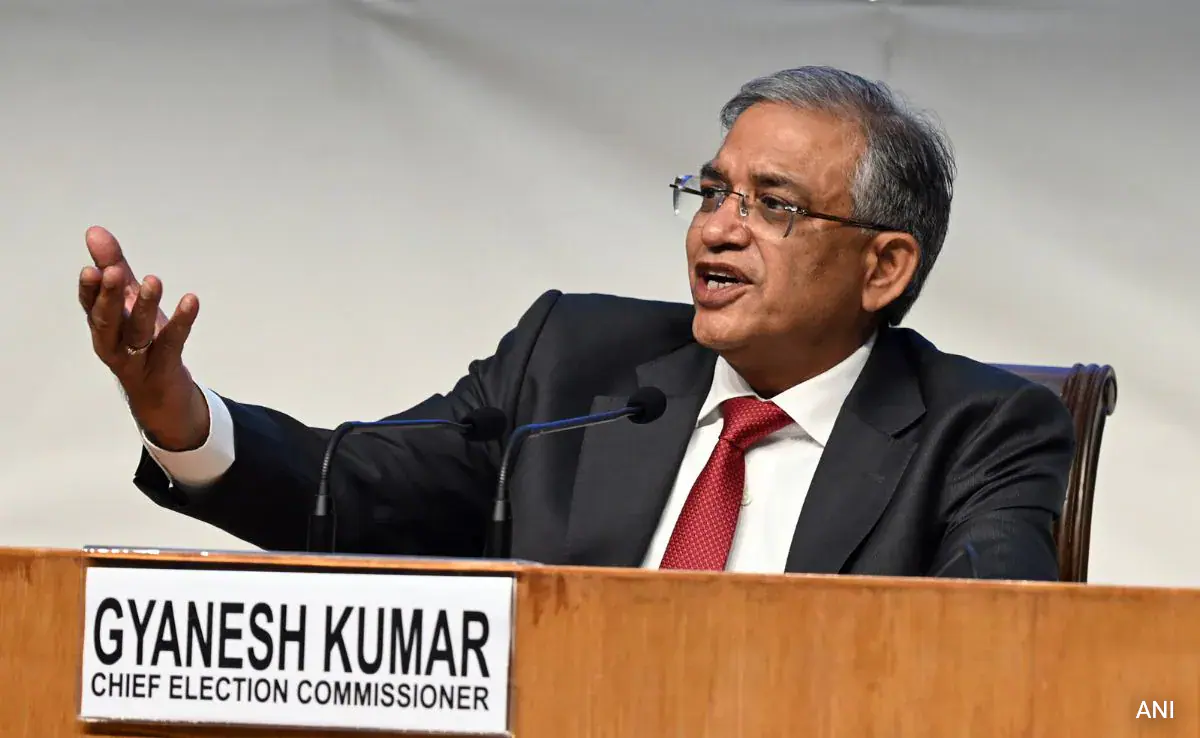
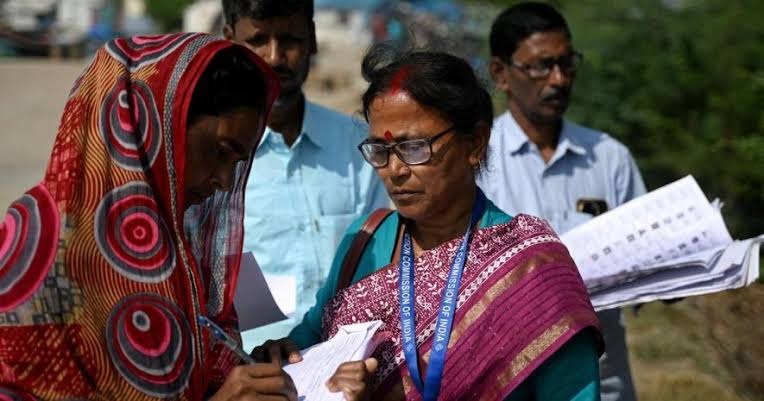
The planned mobilisation comes amid escalating protests against Chief Election Commissioner Gyanesh Kumar over alleged irregularities in the Special Intensive Revision (SIR) of electoral rolls. Opposition parties and youth groups have demanded his resignation, alleging that the voter-list revision process threatens electoral transparency and citizens’ voting rights.
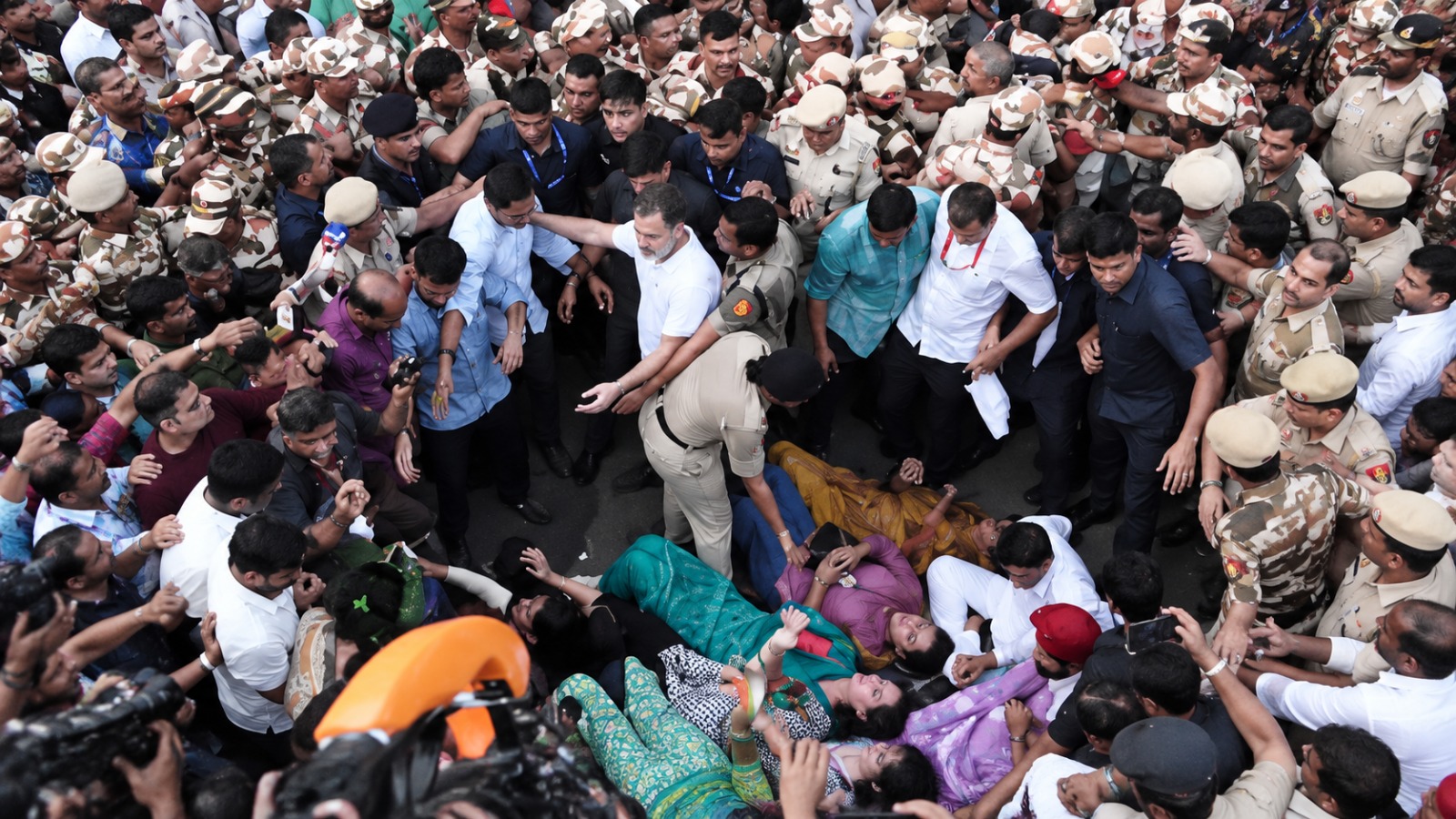
A security official told The Telegraph that the deployment would be among the largest in recent years. “This is going to be one of the biggest deployments of security forces in the capital in the recent past as we are expecting a large crowd. The deployment will be almost on a par with the G20 summit in 2023,” the official said.
Forces Requisitioned From Bengal and Sensitive Areas
According to the report, personnel are being moved from several regions, including parts of West Bengal where central forces remained stationed after the Assembly elections, as well as areas in Jammu and Kashmir and Chhattisgarh.
The mobilisation includes personnel who had been deployed for anti-Maoist operations and other security duties. The additional forces are intended to reinforce the deployment already in place in Delhi as authorities prepare for a potentially large turnout.
A security official said around 12,000 paramilitary personnel were already deployed in the capital amid the ongoing protests, with further reinforcements being brought in. The arrangements reflect the administration’s concerns over the possibility of demonstrations spreading across central Delhi.
For comparison, approximately 50,000 security personnel, including Delhi Police and paramilitary forces, were deployed during the G20 summit in September 2023.
Jantar Mantar and Key Areas Under Tight Security
Security has been strengthened around Jantar Mantar, Parliament and the Election Commission of India’s office. Multi-layered iron barricades have been installed in key locations, while checks have been intensified at Delhi’s borders to regulate the movement of people entering the capital.
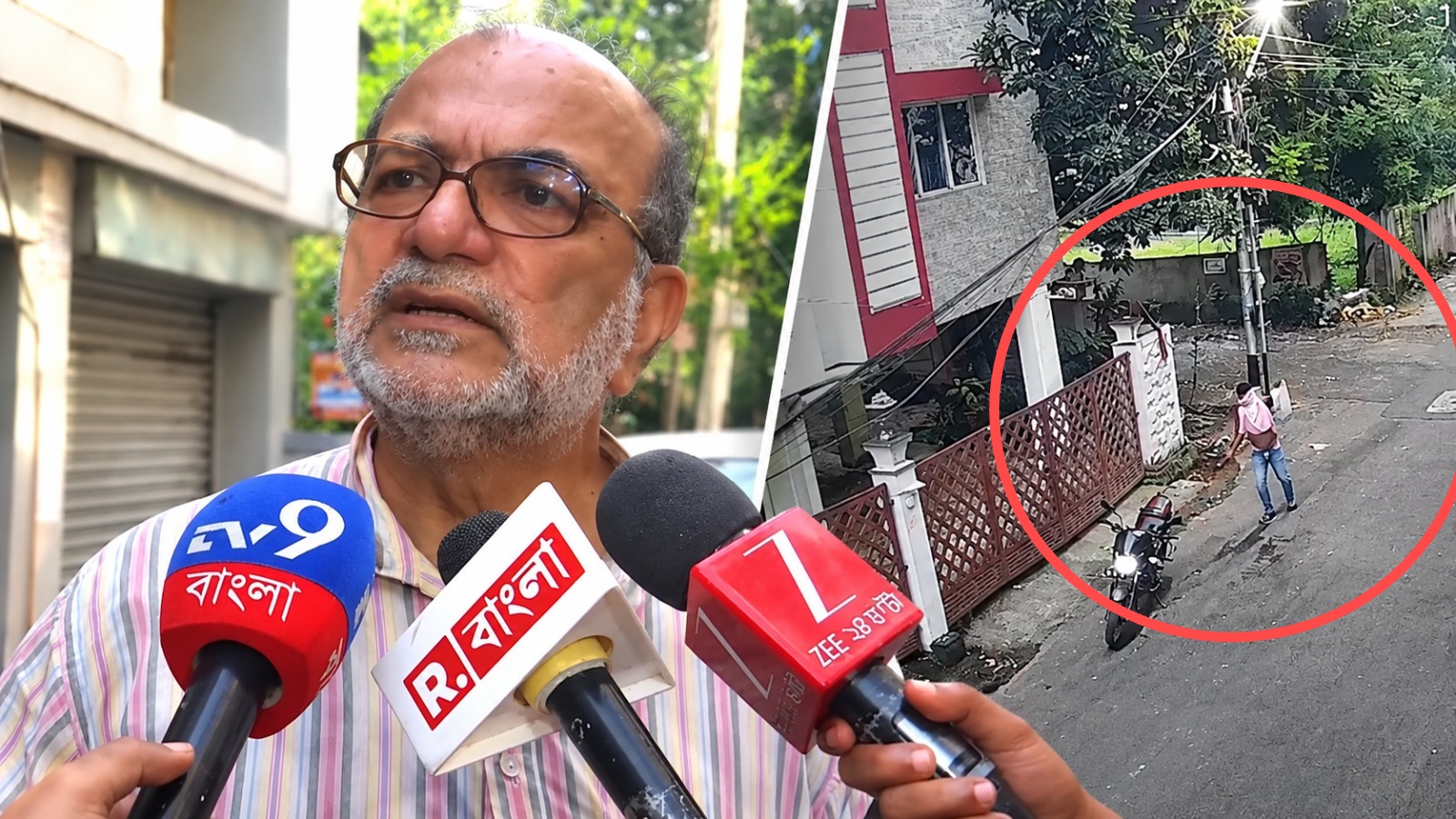
Police officials have also reportedly been asked to monitor buses entering the New Delhi district. Educational institutions and paying-guest accommodation operators have been approached as part of efforts to track the movement of students ahead of the planned demonstration.
Intelligence inputs cited in the report suggest that student organisations, Opposition supporters and farmers from neighbouring states, including Haryana, Punjab and Uttar Pradesh, could join the protest.
CJP Calls for Protest Over Voter Roll Revision
The CJP has announced its October 10 demonstration at Jantar Mantar, seeking the resignation of Gyanesh Kumar over alleged irregularities in the SIR exercise.
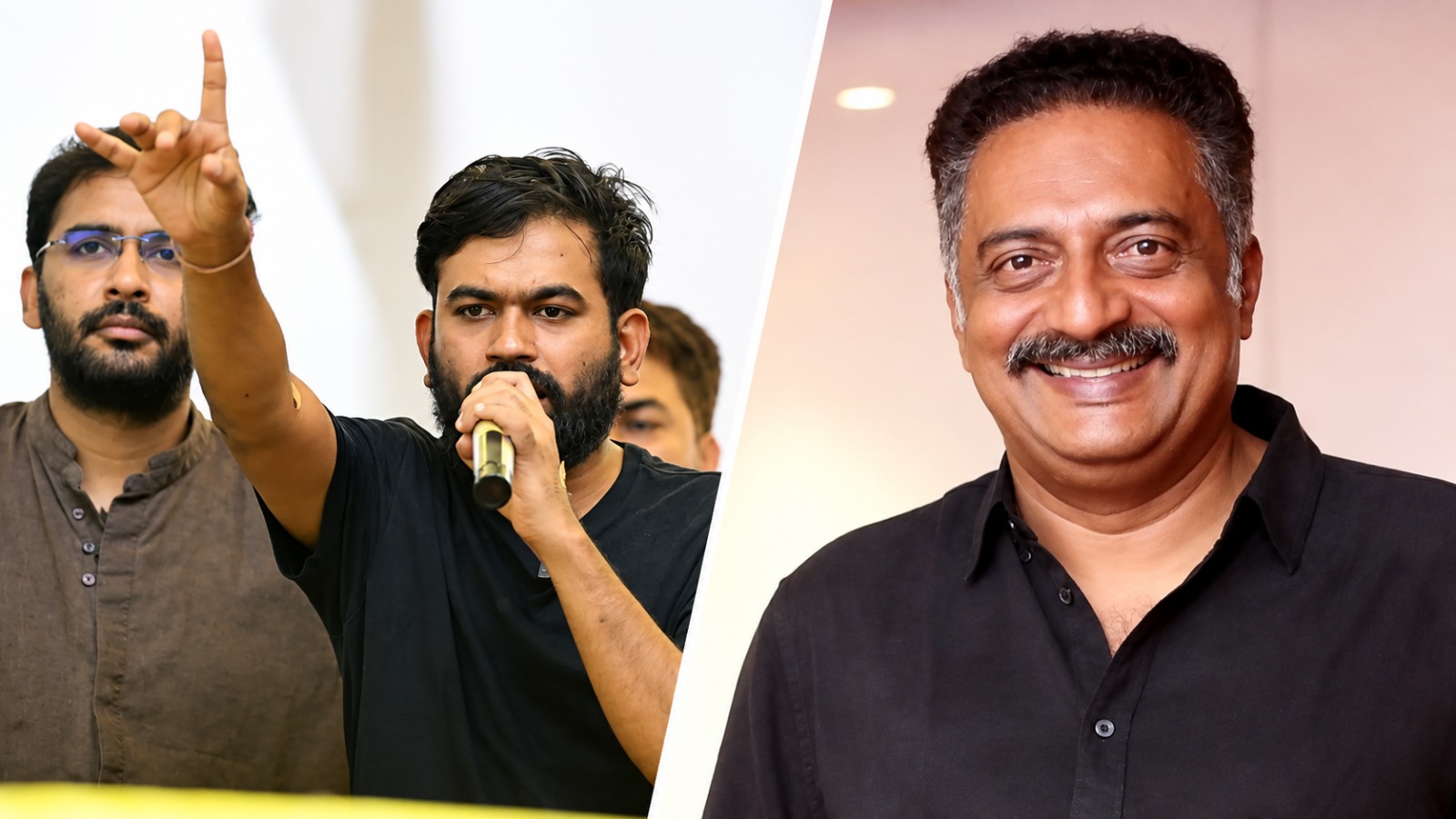
The party’s chief spokesperson, Saurav Das, said on Wednesday that the organisation had formally informed Delhi Police about the planned gathering. He said the protest would bring together young people from across the country to raise concerns about elections and voter lists.
The demonstration comes as Opposition parties have intensified their campaign against the Chief Election Commissioner. Congress and other INDIA bloc leaders have also staged protests in Delhi, alleging that the Election Commission has failed to adequately address concerns over voter deletions and electoral transparency.
The Election Commission and the BJP have denied allegations of wrongdoing.
Crowd-Control Measures Under Scrutiny
Amid preparations for the protest, the Union home ministry is also learnt to have directed security officials to ensure that personnel do not carry potentially lethal weapons such as pellet guns for crowd control.
According to the report, officials have been instructed to follow established procedures and rely on measures such as lathis, tear gas and water cannons when necessary to disperse unlawful or aggressive crowds.
The issue remains sensitive following allegations of pellet-gun injuries during the CJP-led protest in July, which triggered political criticism and legal scrutiny.