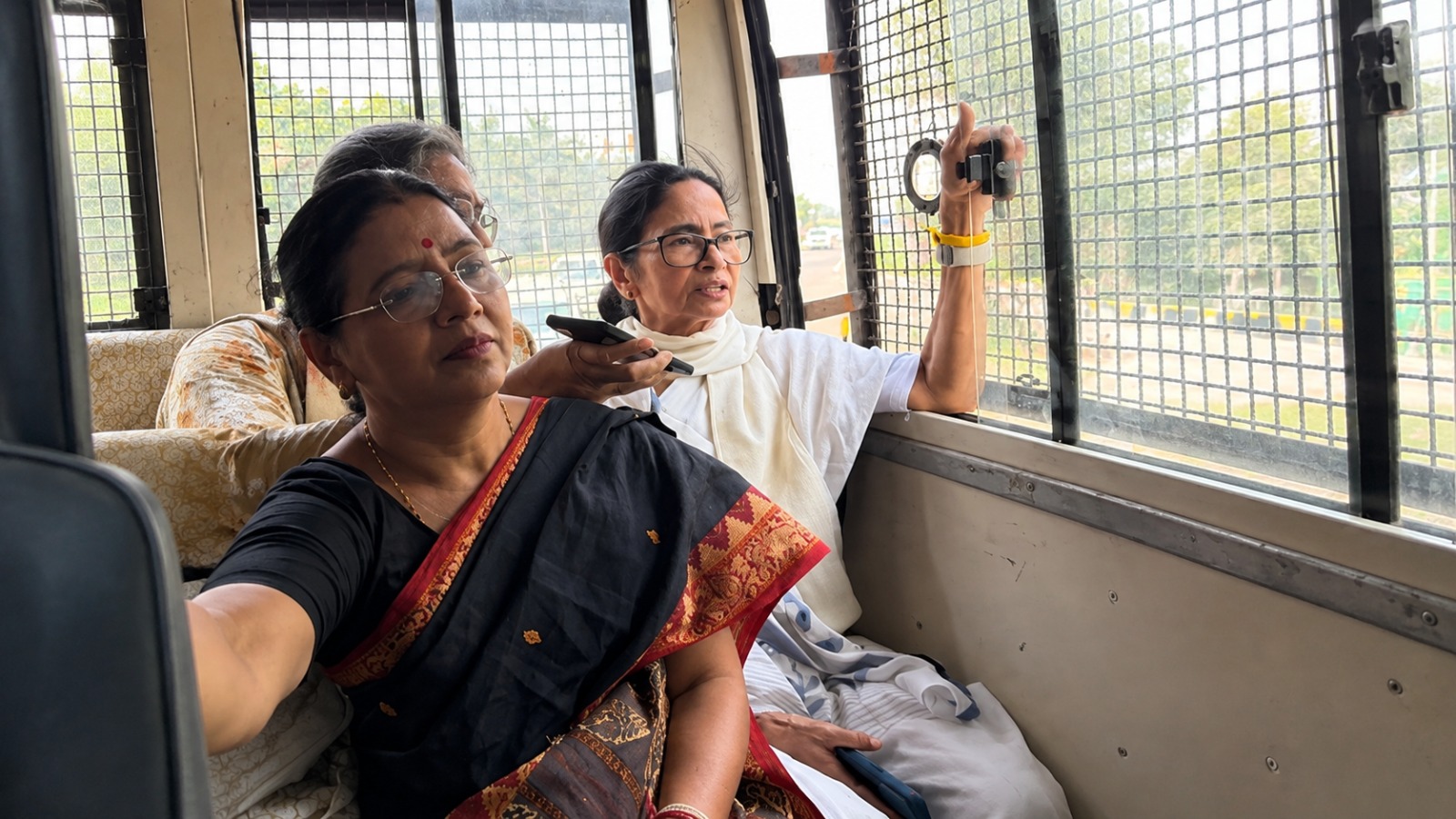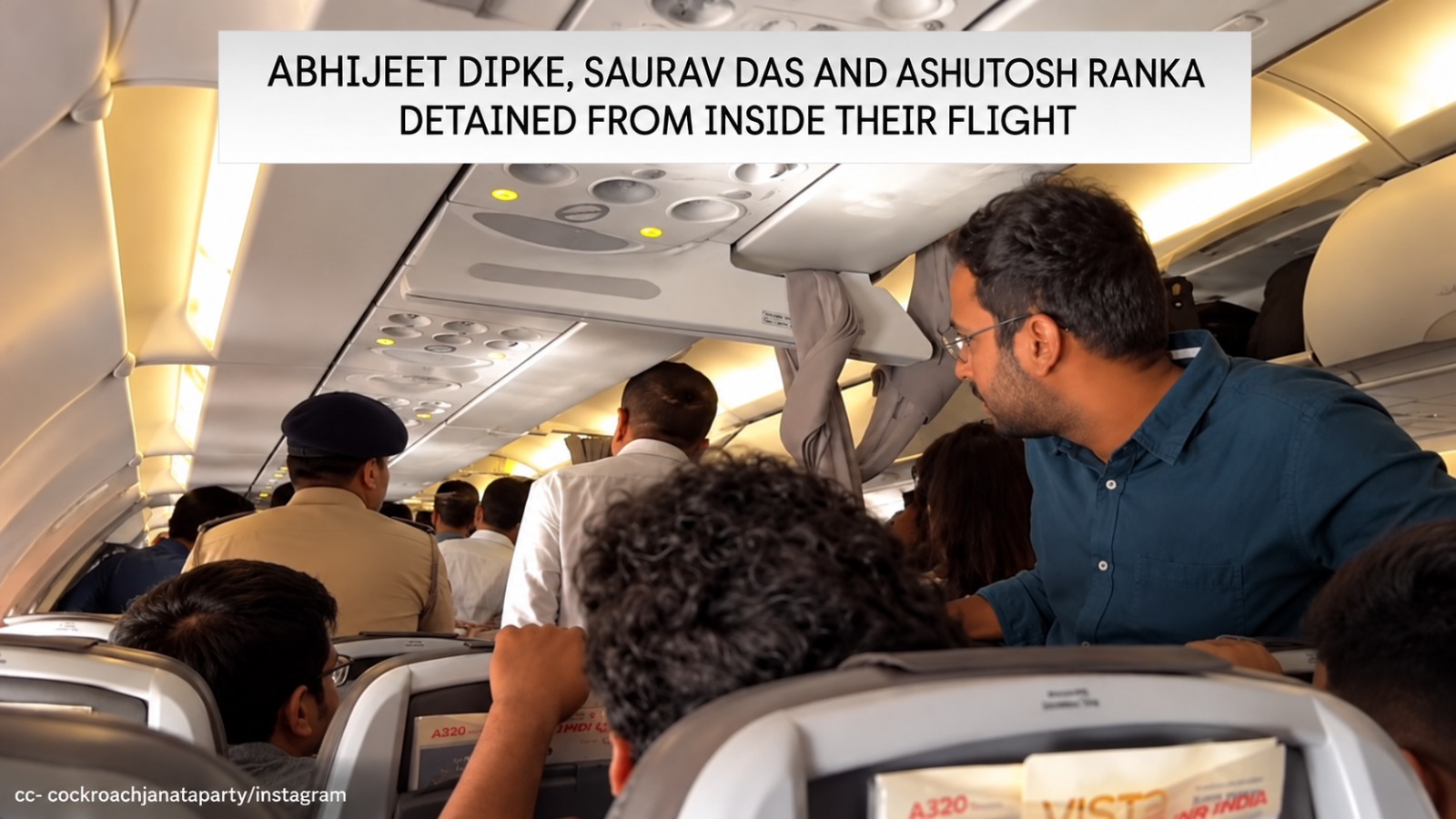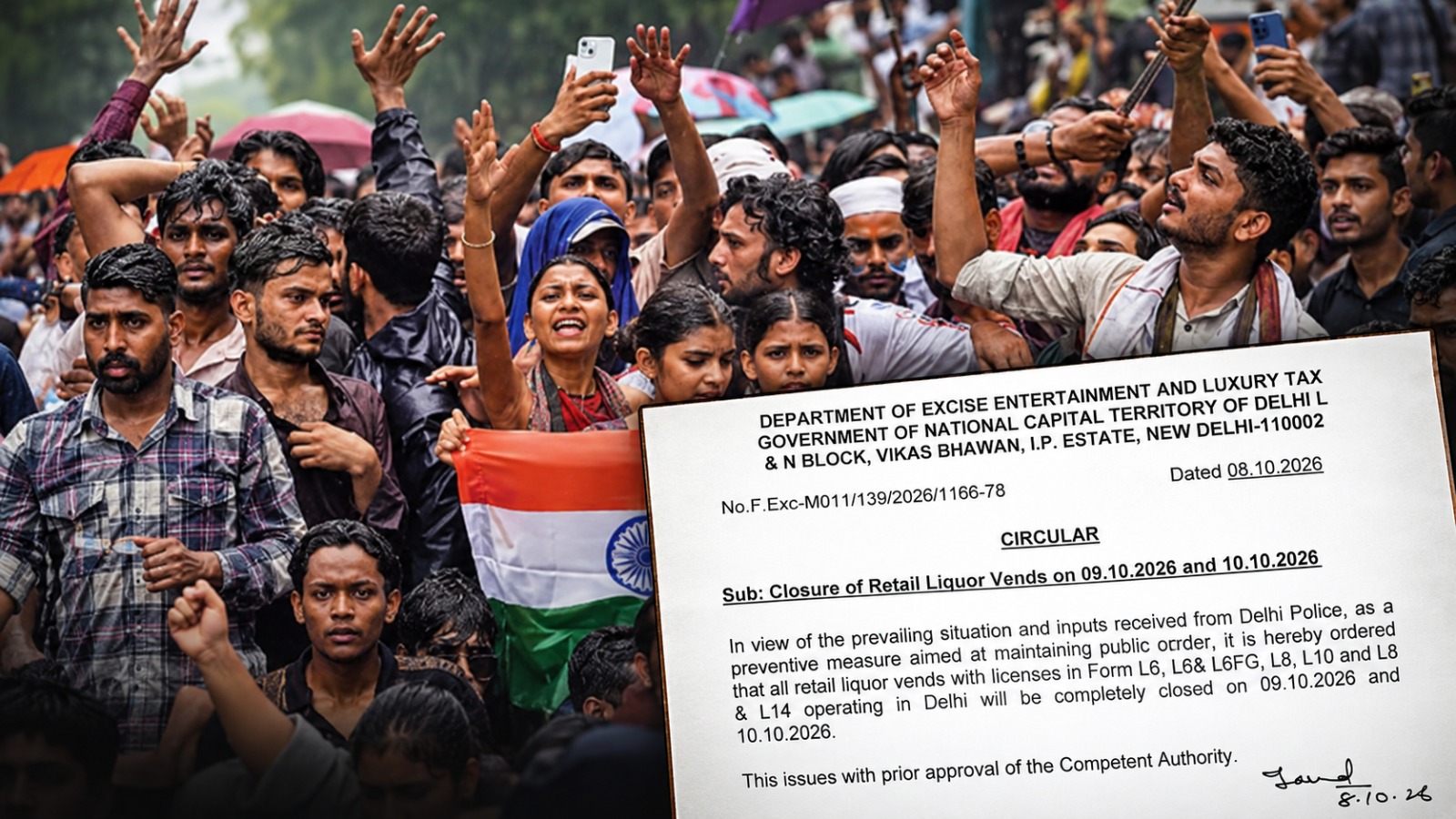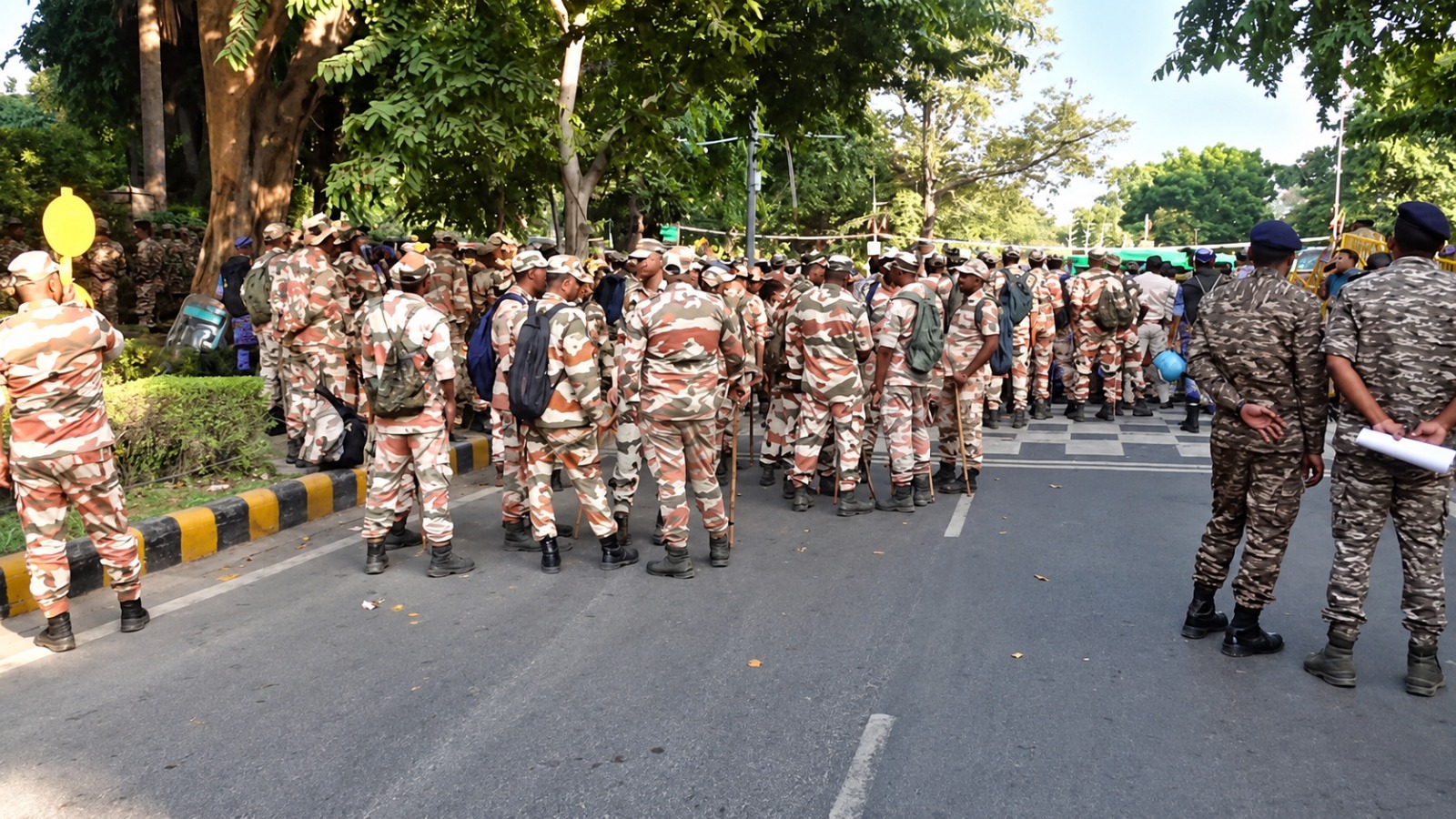

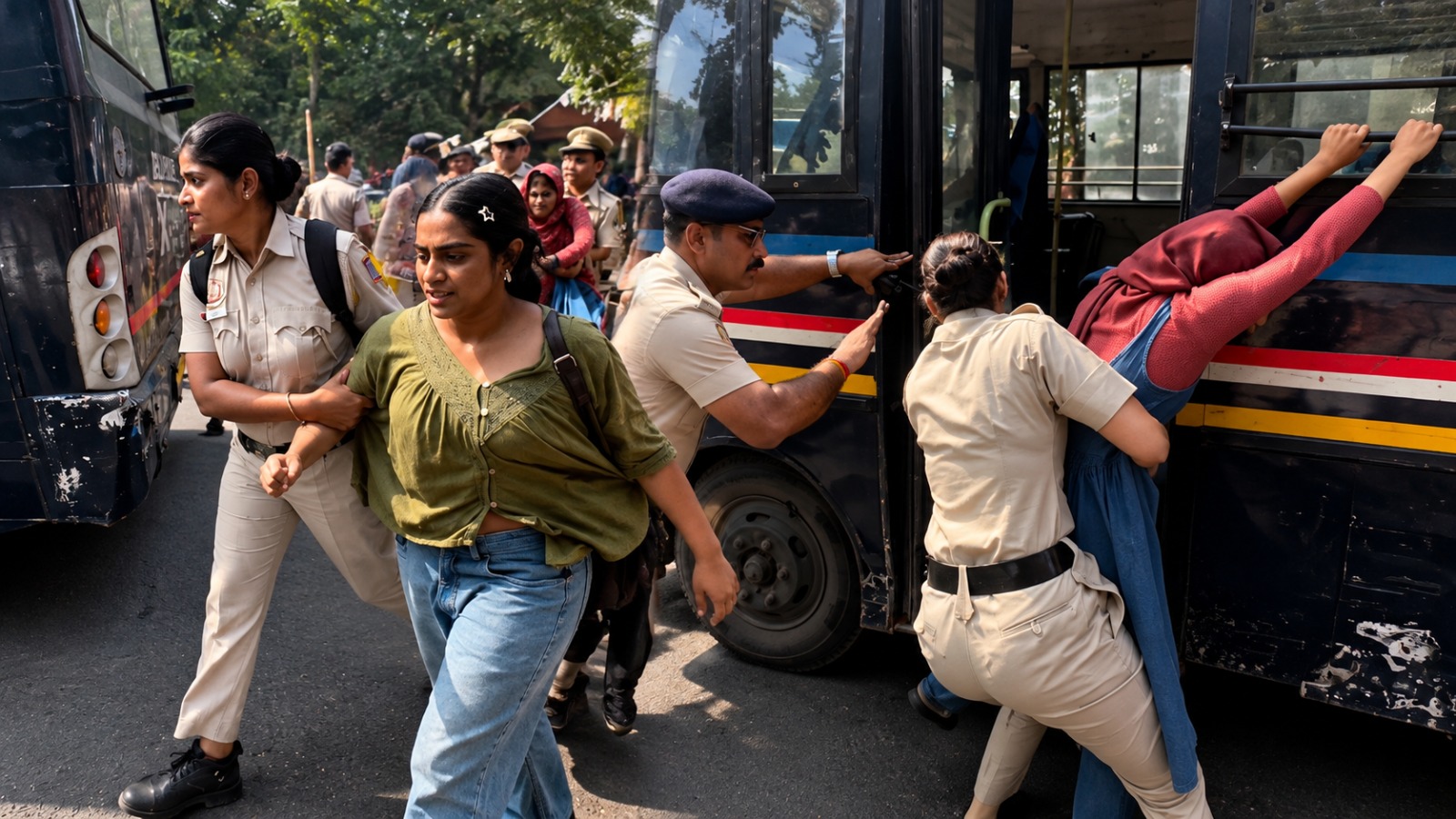
More than 3,300 people had been detained across Delhi by 1 pm on Saturday, October 10, with over 500 picked up from Jantar Mantar and surrounding areas, a Delhi Police officer told The Hindu.
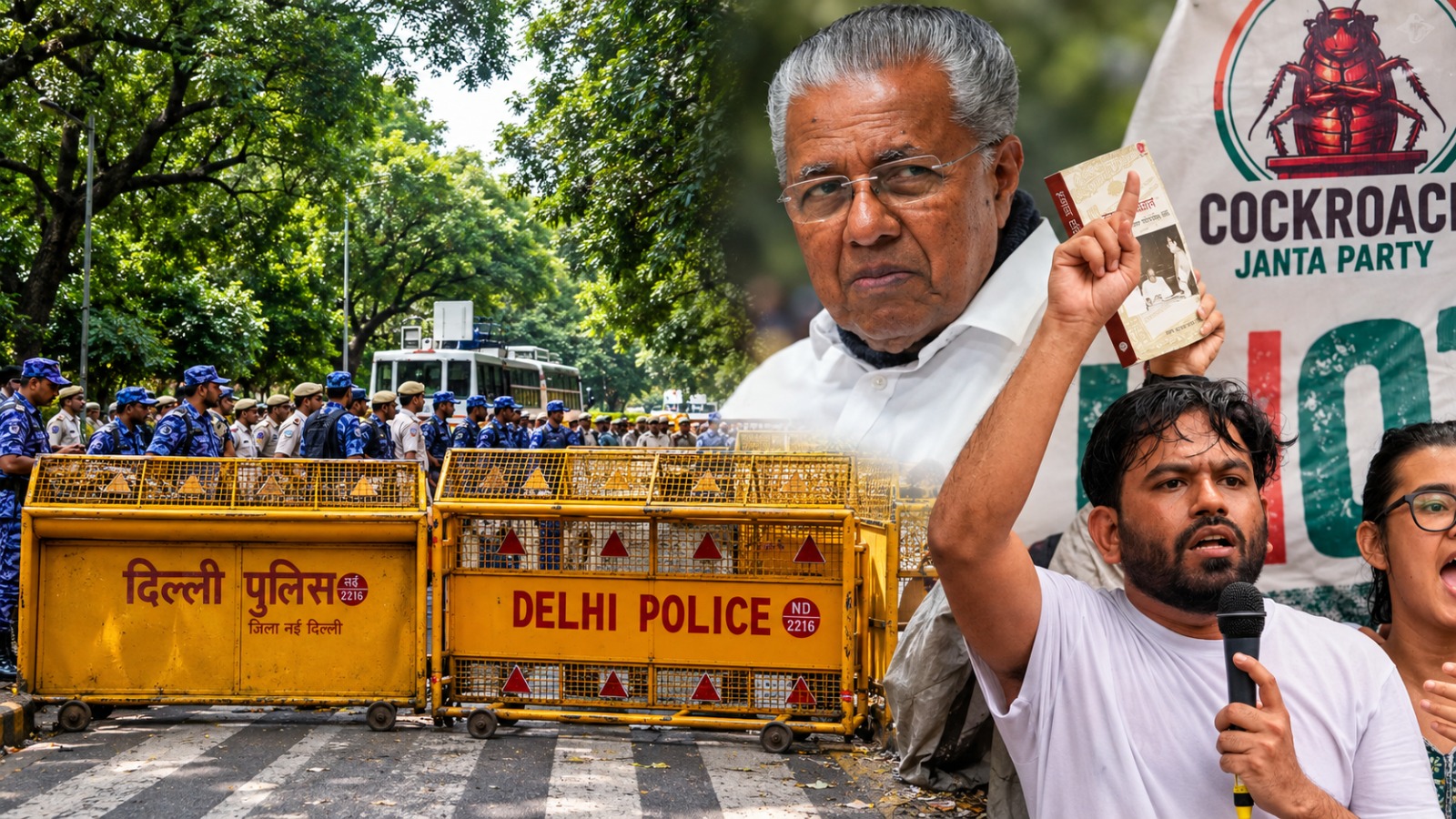
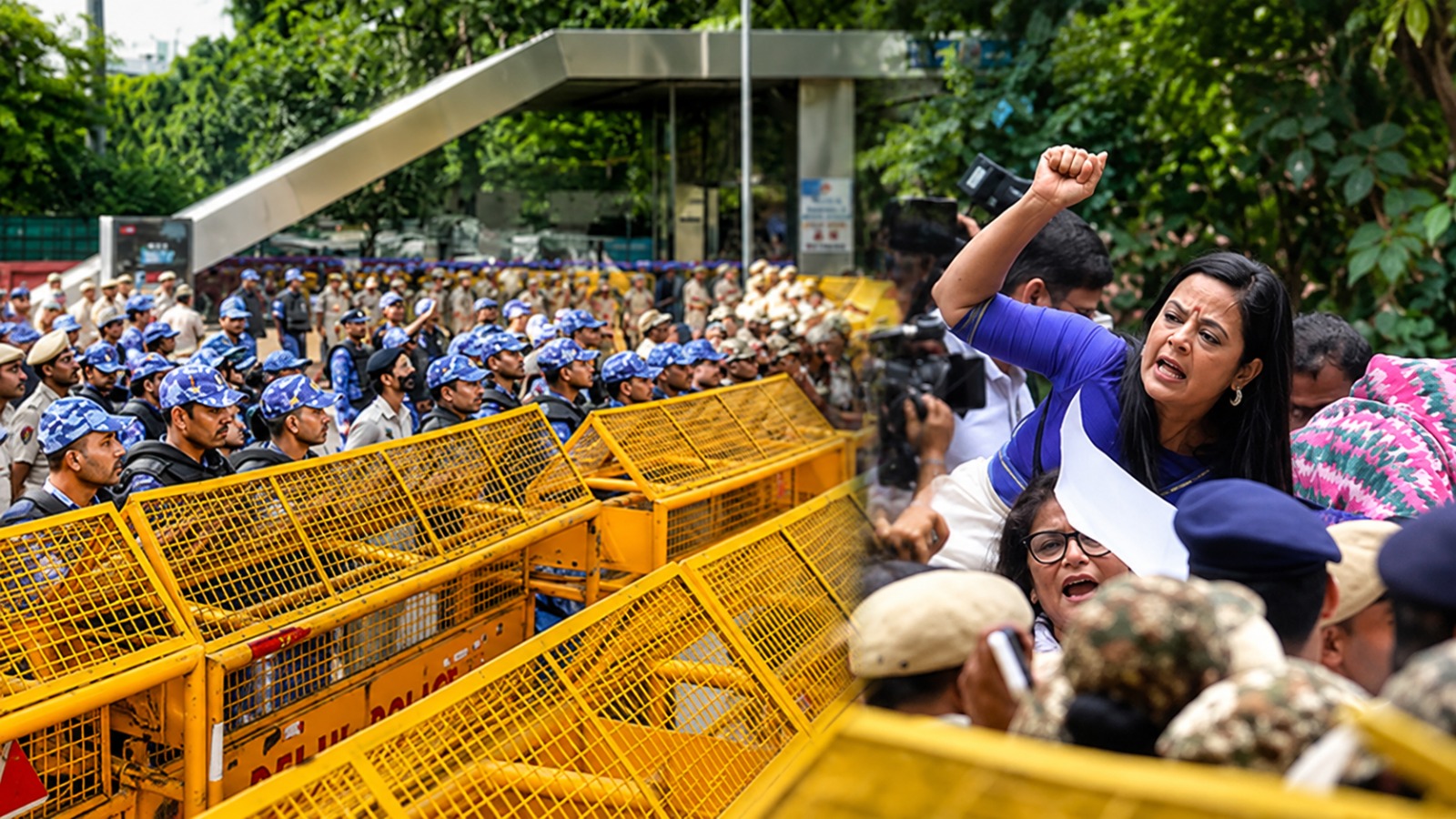
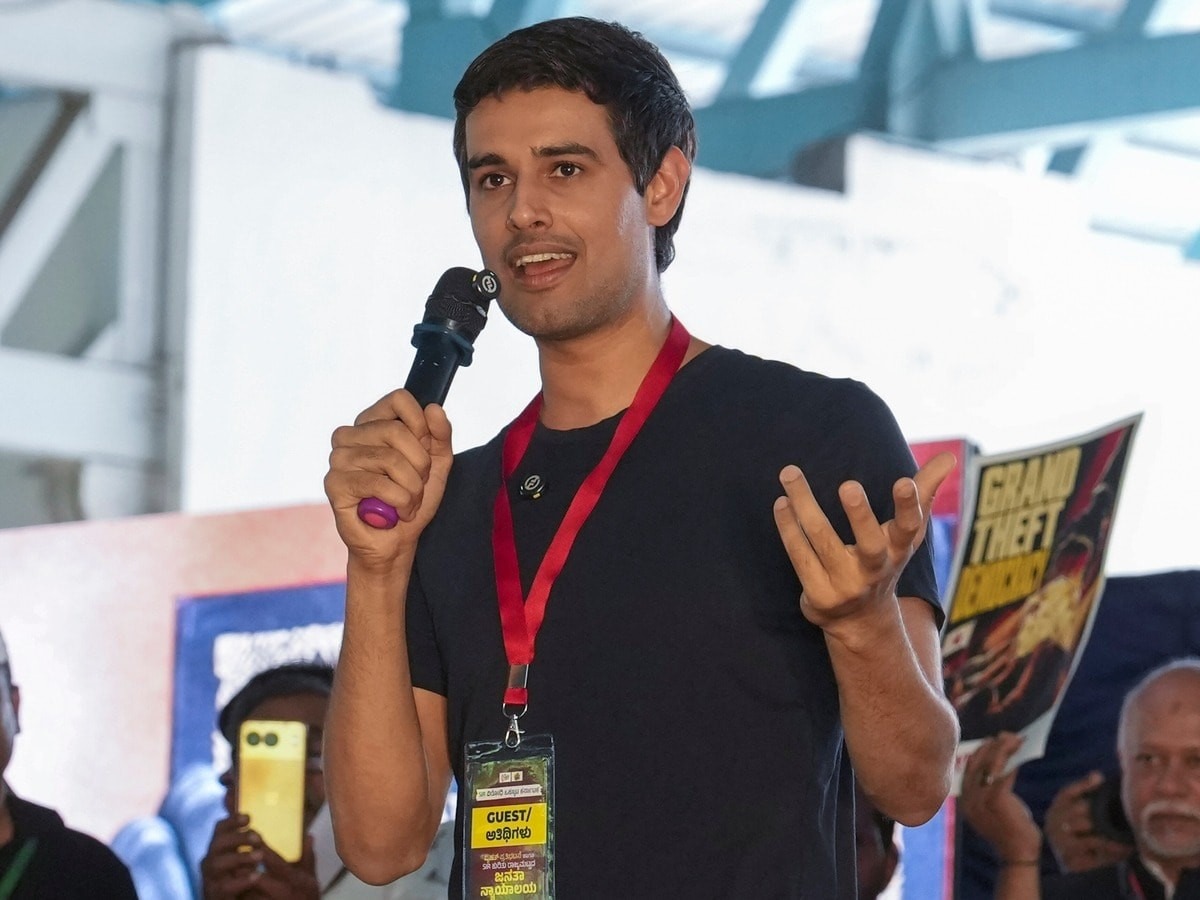
The detentions came as protesters attempted to reach the designated protest site for a demonstration called by the Cockroach Janta Party (CJP) and Left groups against Chief Election Commissioner Gyanesh Kumar.
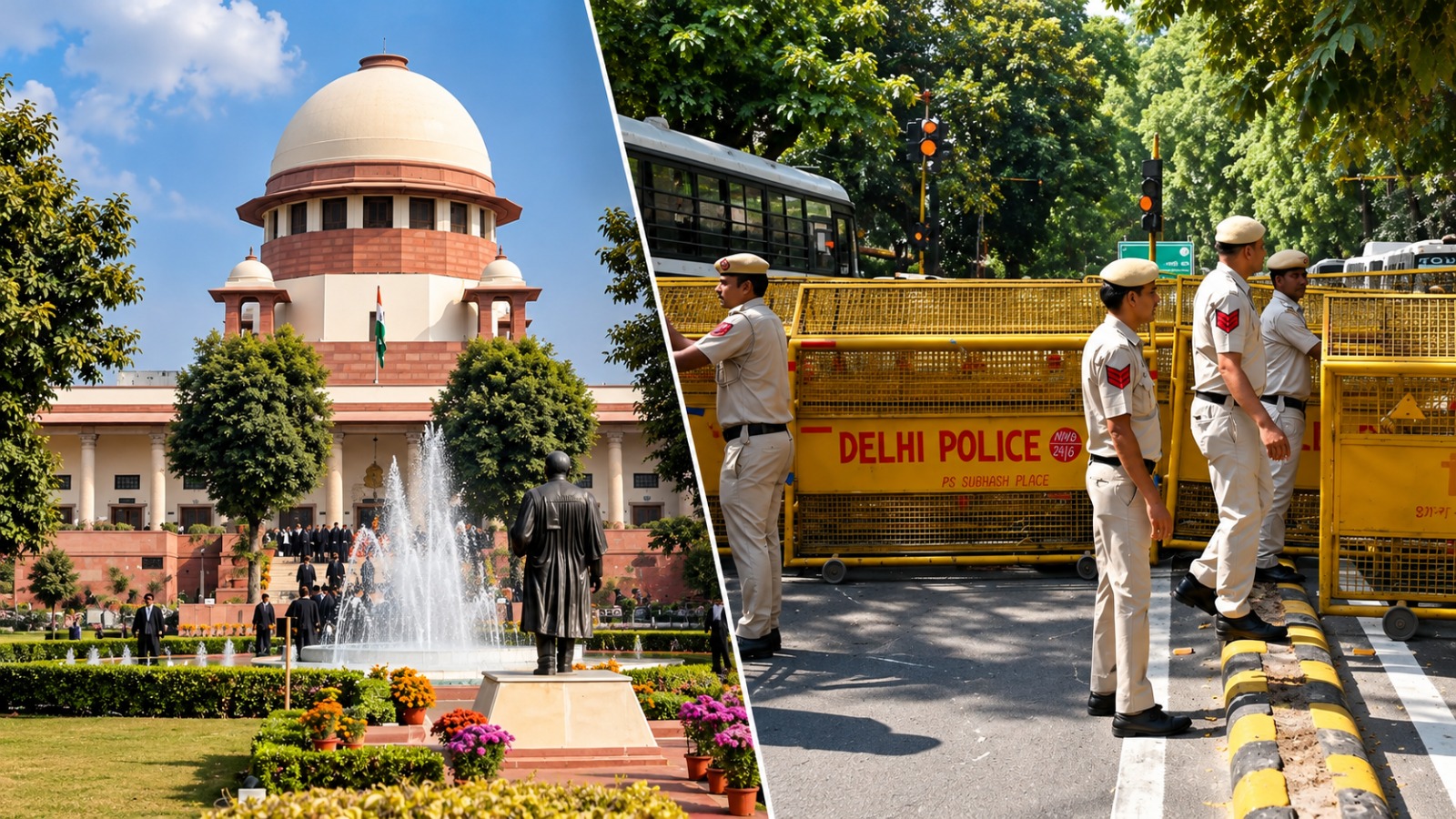
According to the figures reported, police personnel were taking protesters away in buses to different locations. CJP alleged that peaceful demonstrators were being detained and moved to undisclosed locations as they tried to reach Jantar Mantar. The party shared a video showing a bus passing through a heavily barricaded stretch, with security personnel deployed along the road.
The restrictions extended beyond the protest site. Delhi Police closed the tunnel connecting Ring Road to India Gate, while barricades and security deployments disrupted access to parts of central Delhi. The scale of the measures raised questions about the balance between security arrangements and citizens’ right to assemble and express dissent peacefully.
Internet shutdown disrupts everyday life
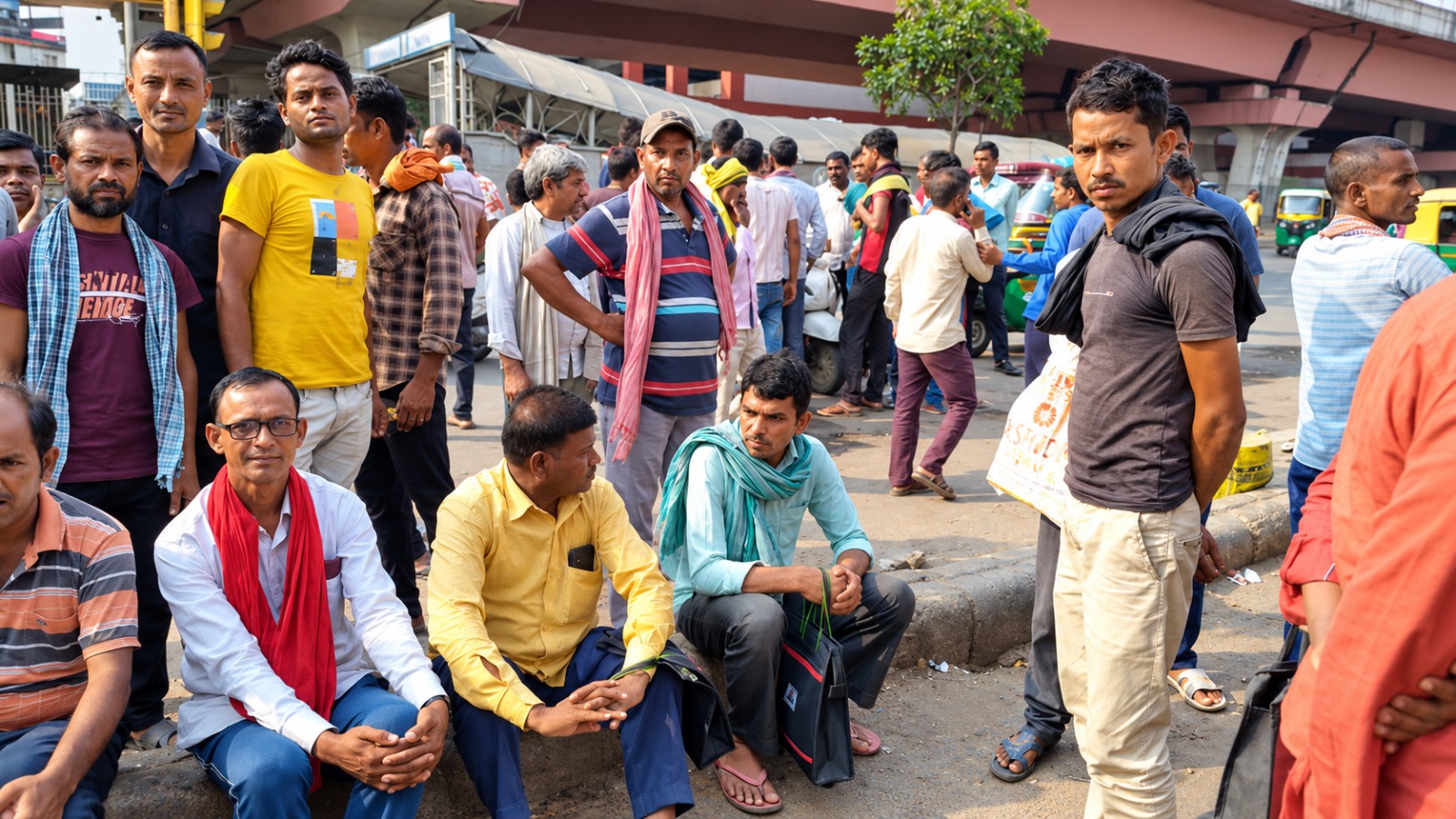
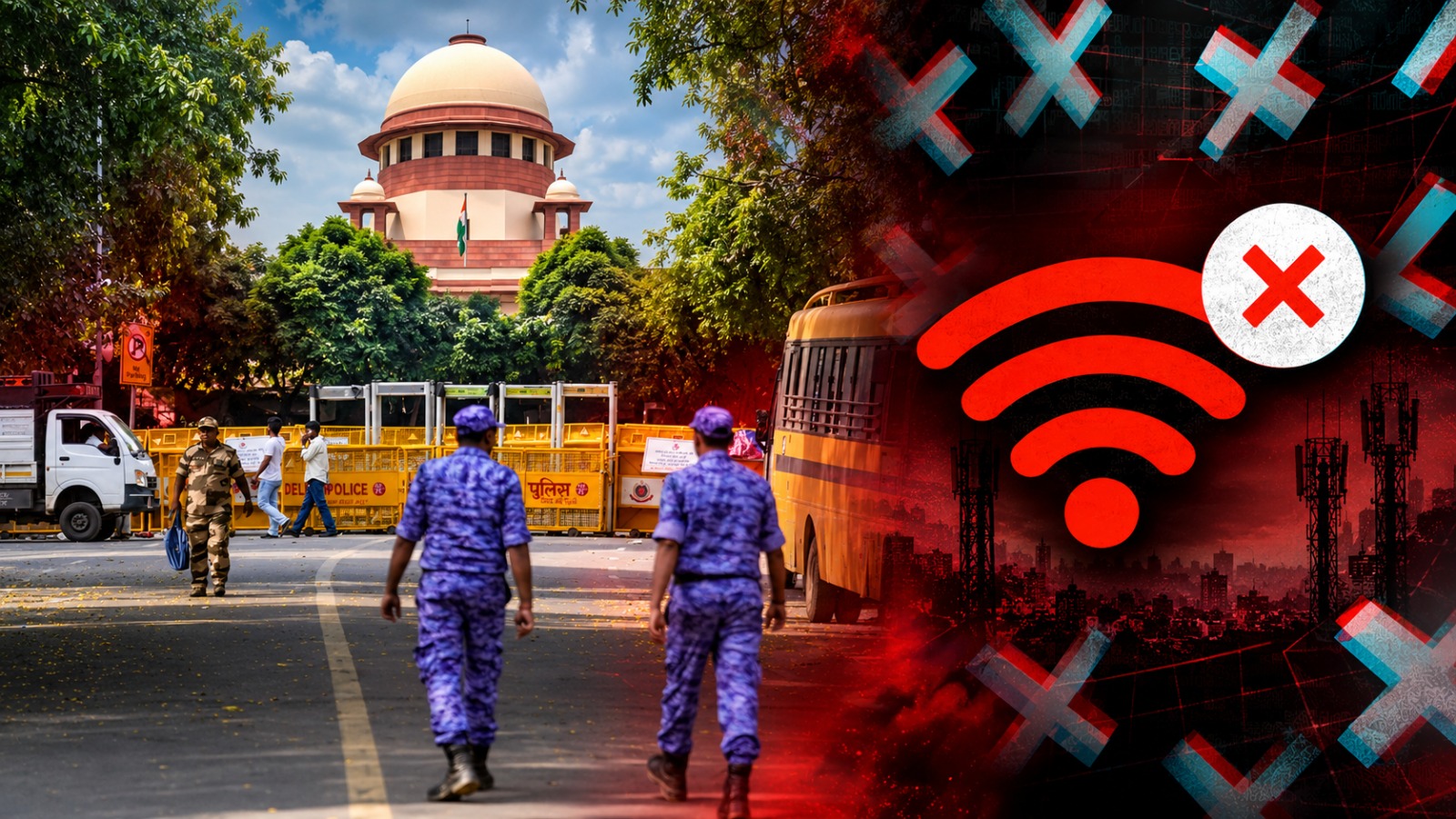
The restrictions also affected ordinary commuters. With mobile internet services suspended in parts of central Delhi, people who depend on UPI payments faced difficulties paying transport fares. Users relying on ride-hailing applications and digital navigation tools also reported disruption.
Several protesters had reportedly spent the night at Bangla Sahib Gurdwara in an attempt to avoid travel difficulties before the planned demonstration. The internet shutdown and transport restrictions, however, added another layer of uncertainty to an already heavily policed protest day.
CJP calls on youth to carry the movement forward
With several of its leaders detained, CJP appealed to young people to take charge of the movement. The party’s response came amid reports of protesters being intercepted at multiple locations and prevented from reaching Jantar Mantar.
The detentions and restrictions have placed the government’s handling of dissent under renewed scrutiny. While authorities may cite security considerations for imposing restrictions, the scale of the action raises a larger democratic question: how can public order be maintained without making peaceful protest practically impossible?
As the protest unfolded, the focus shifted beyond the demand for accountability from the Election Commission to the conditions under which citizens can gather, demonstrate and make their voices heard.
Congress MP Shashi Tharoor also criticised the restrictions, describing them as “regressive” and questioning the decision to impose such sweeping curbs in the national capital. In a post on X, he said, “The government should provide answers, not lathis; expression, not repression.” He argued that a government confident in the fairness of elections should welcome questions rather than restrict the space for dissent.
Tharoor also questioned the suspension of internet services and the closure of roads leading to Jantar Mantar, warning that such measures could deepen public suspicion rather than restore confidence in the Election Commission. Calling the situation an “undeclared Emer-GenZ”, he said young people deserved better.