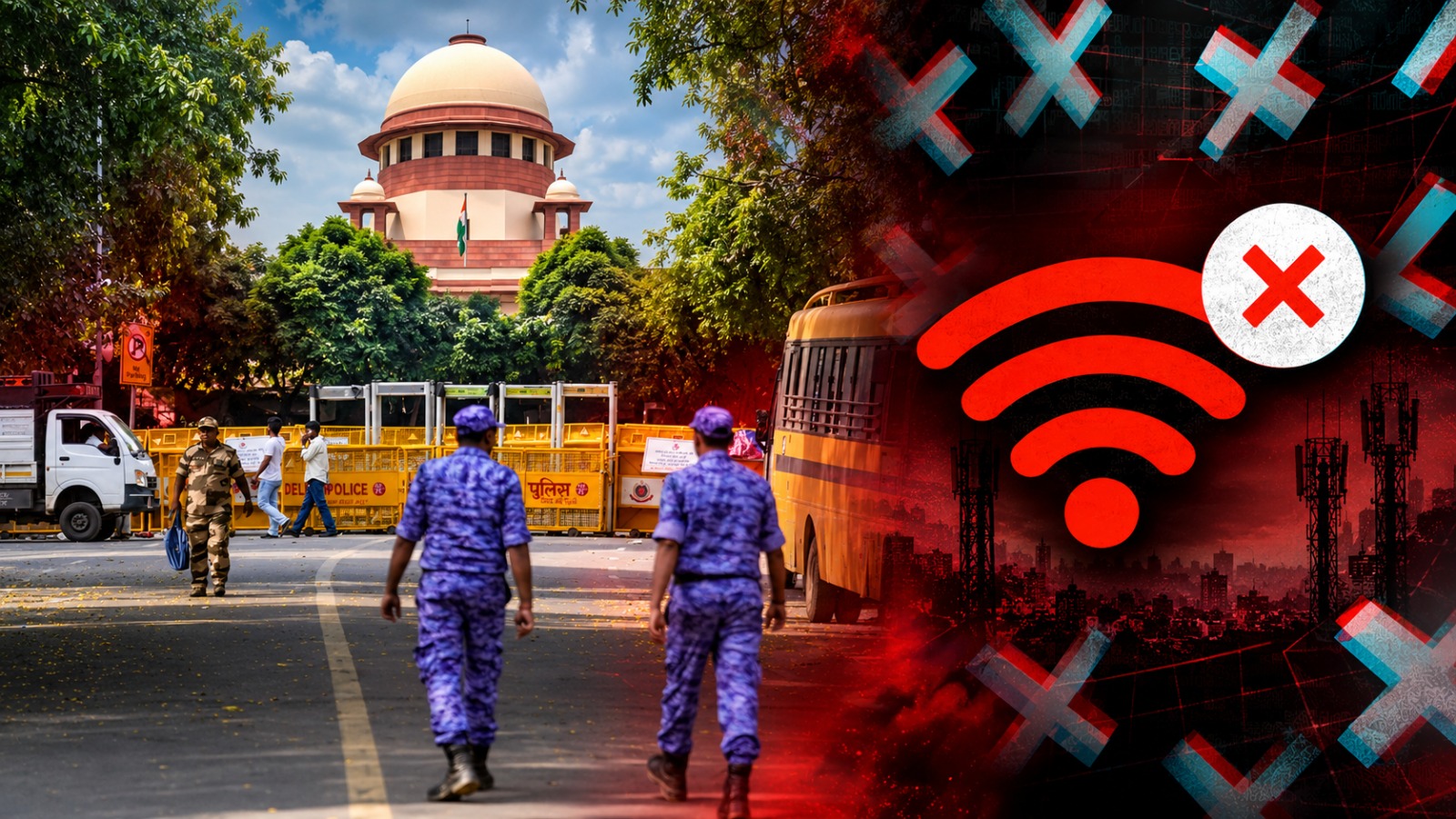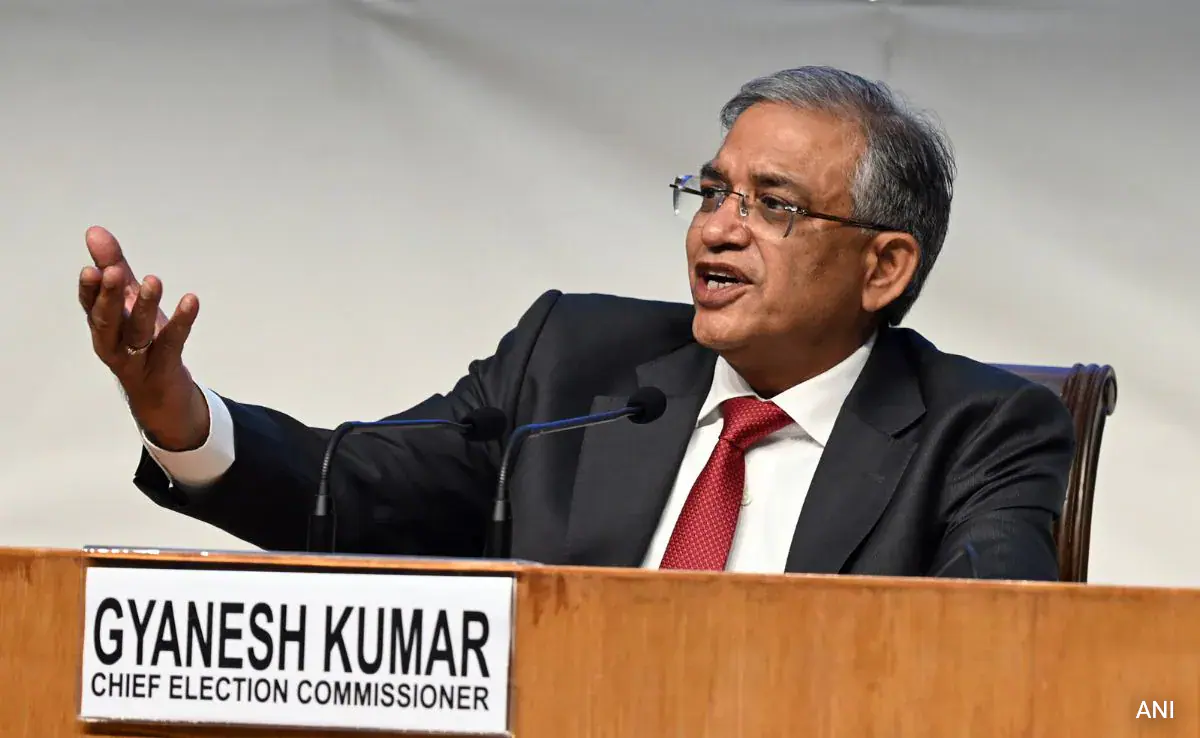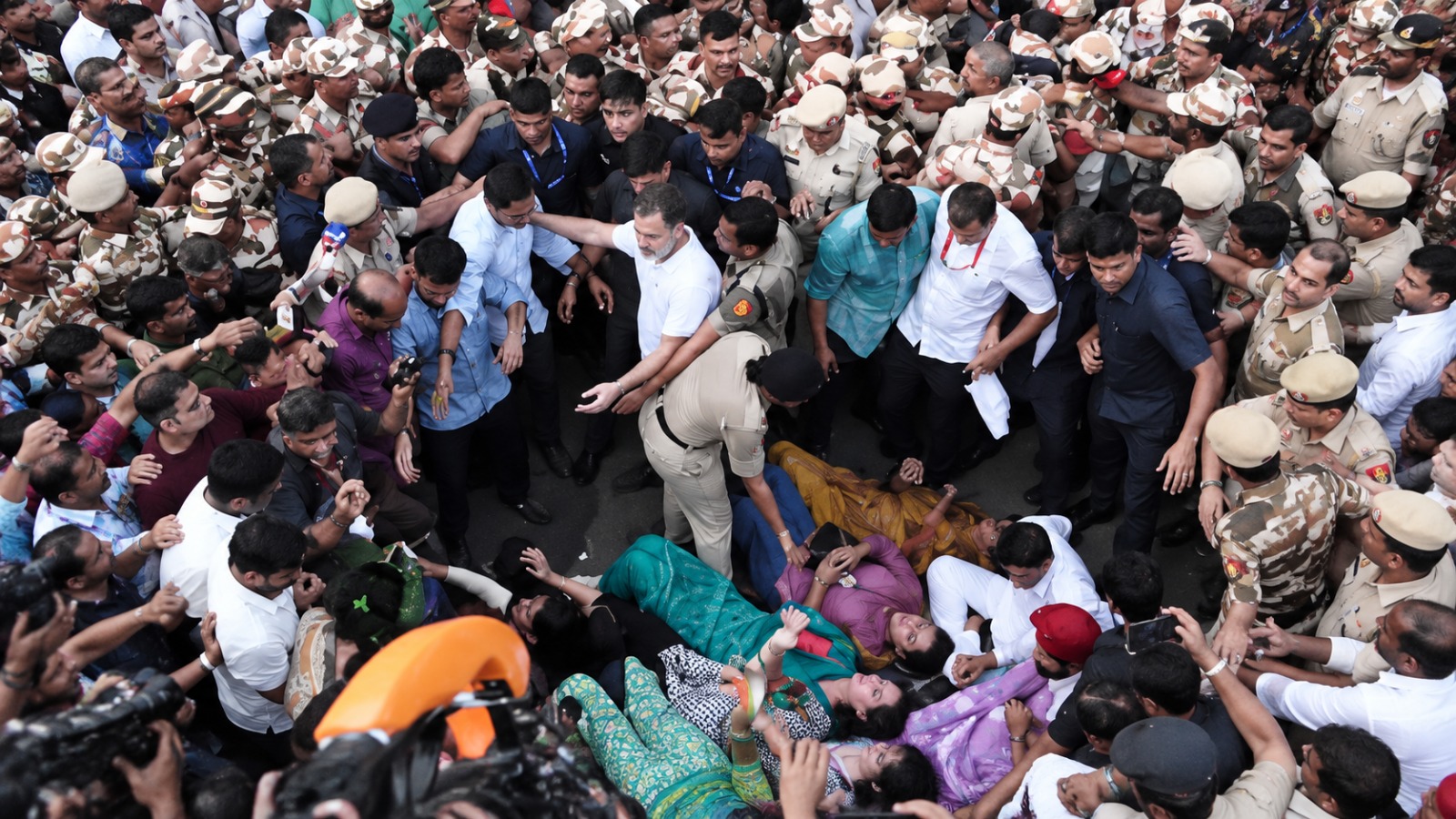

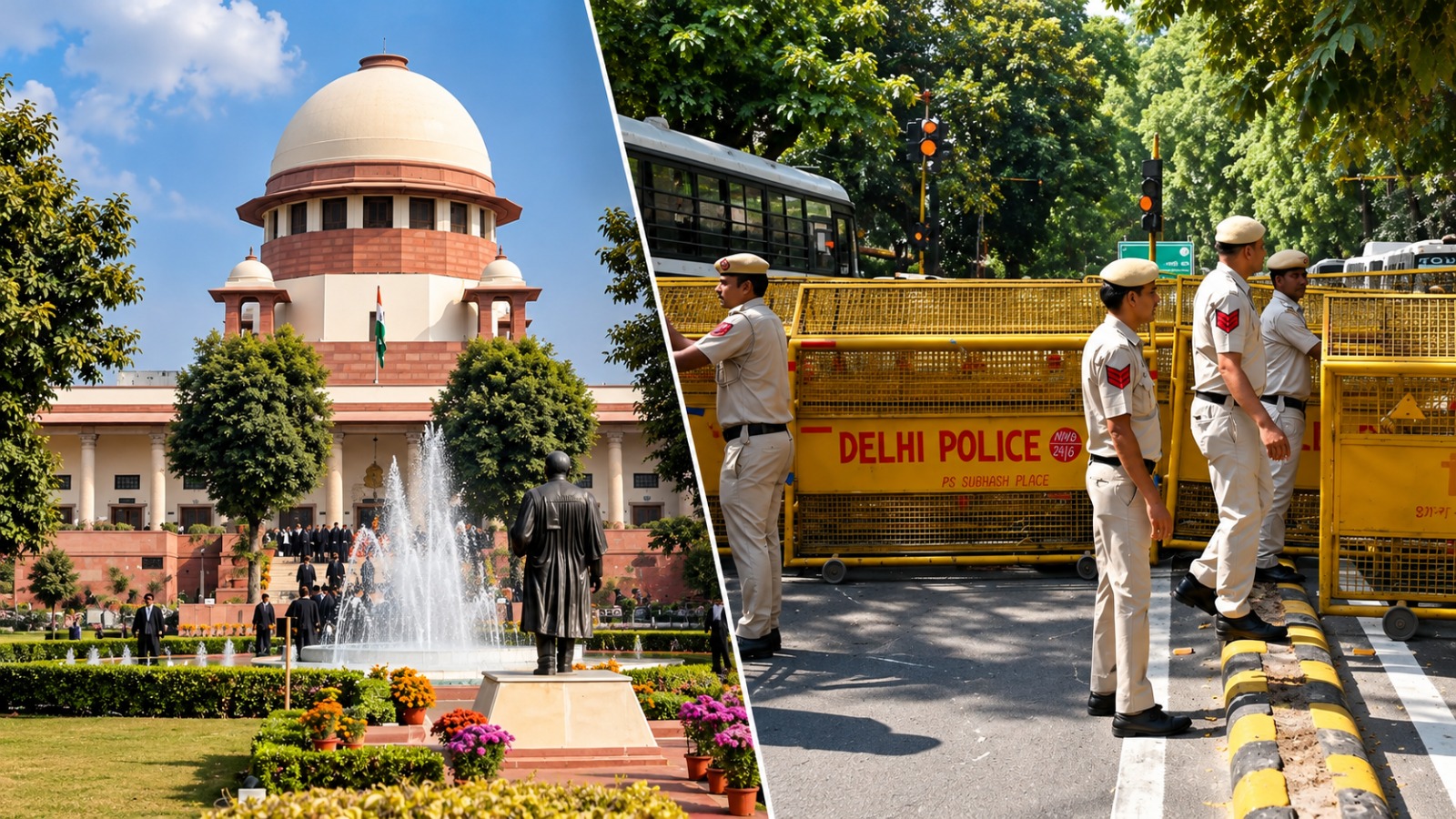
The Supreme Court on Friday asked the Centre and Delhi authorities to ensure that Metro and railway services are not completely halted ahead of the October 10 protest called by the Cockroach Janta Party (CJP) and student organisations against Chief Election Commissioner Gyanesh Kumar. Raising concerns over the impact on ordinary commuters, the court said security measures must not leave citizens without access to public transport.
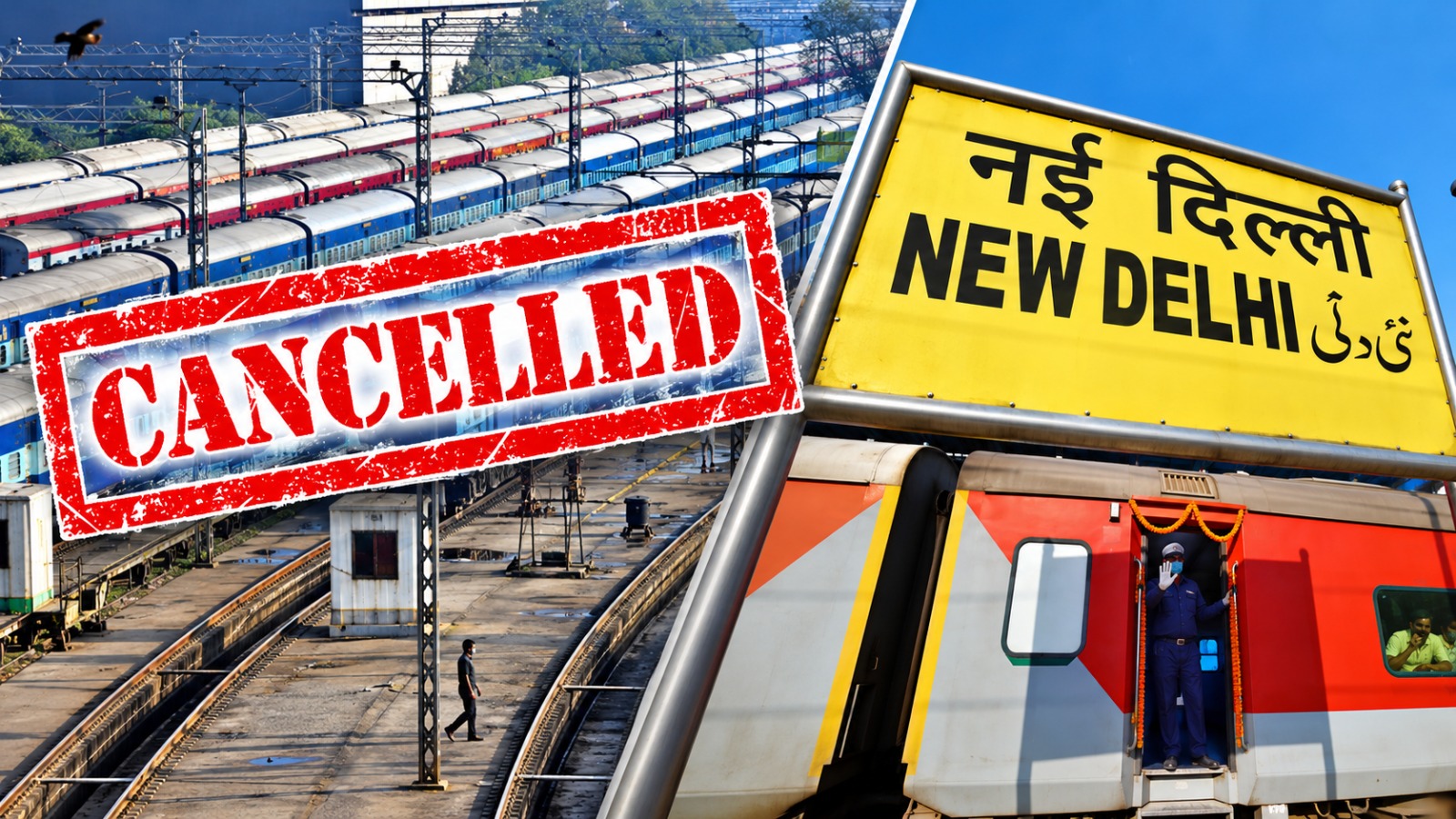
A bench comprising Chief Justice of India Surya Kant and Justices Joymalya Bagchi and V. Mohana was hearing challenges to proposed restrictions that included the closure of entry and exit gates at 57 Metro stations and the cancellation of several long-distance trains arriving in Delhi.
“We are mainly concerned about the complete closure of metro station entries; we have serious concerns about this,” the bench said, asking the authorities to take corrective steps while keeping commuters’ difficulties in mind.
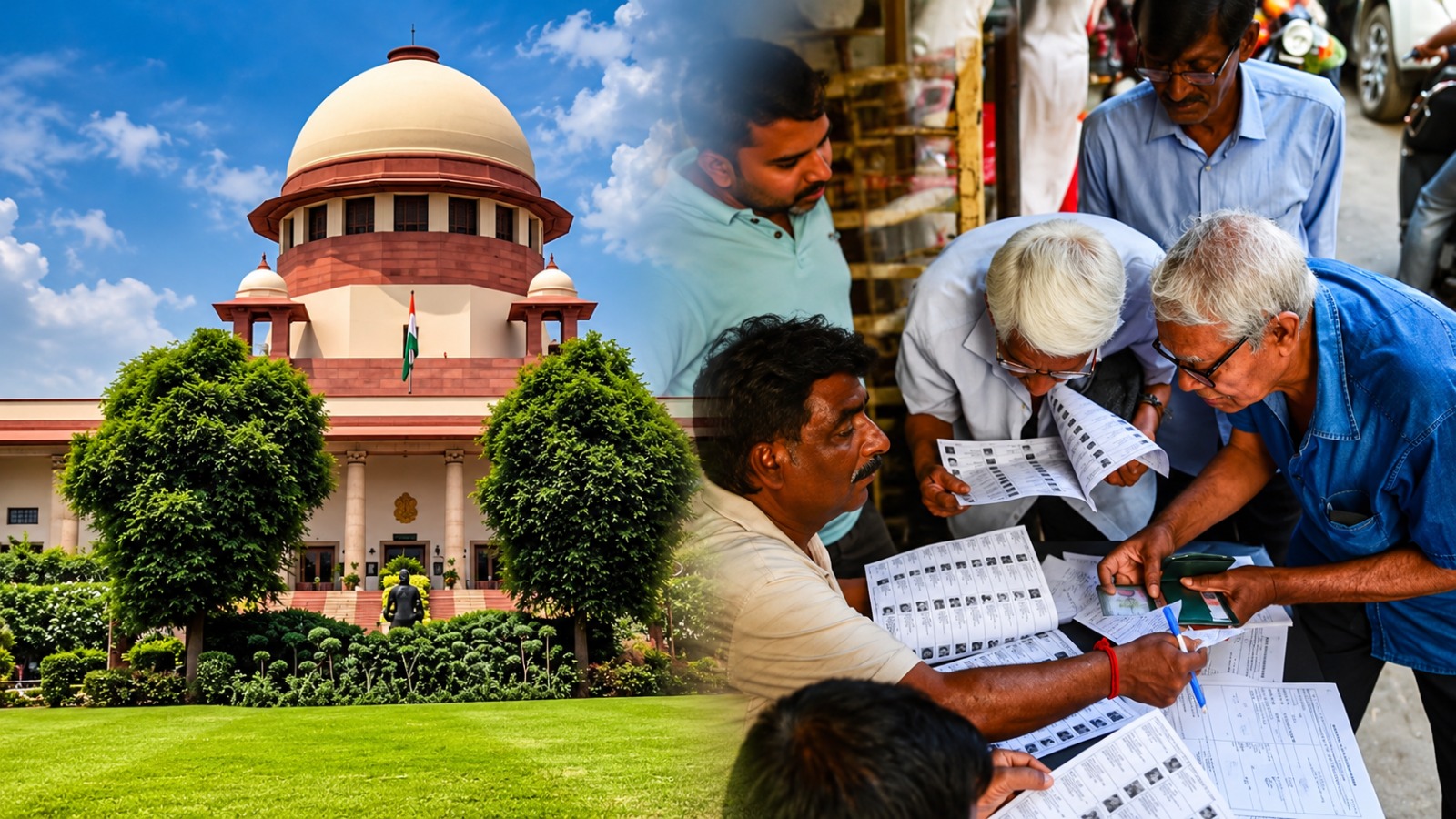
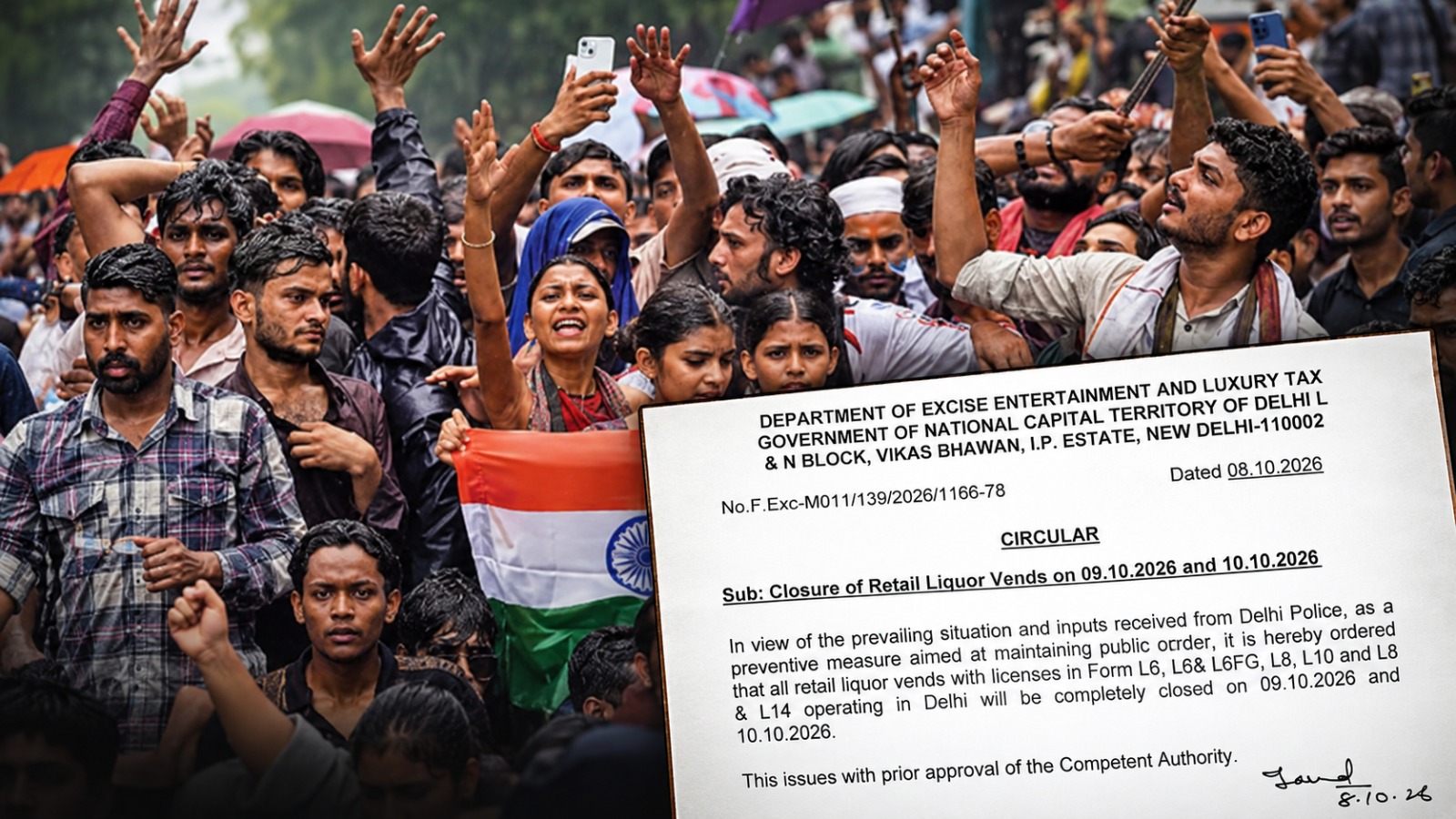
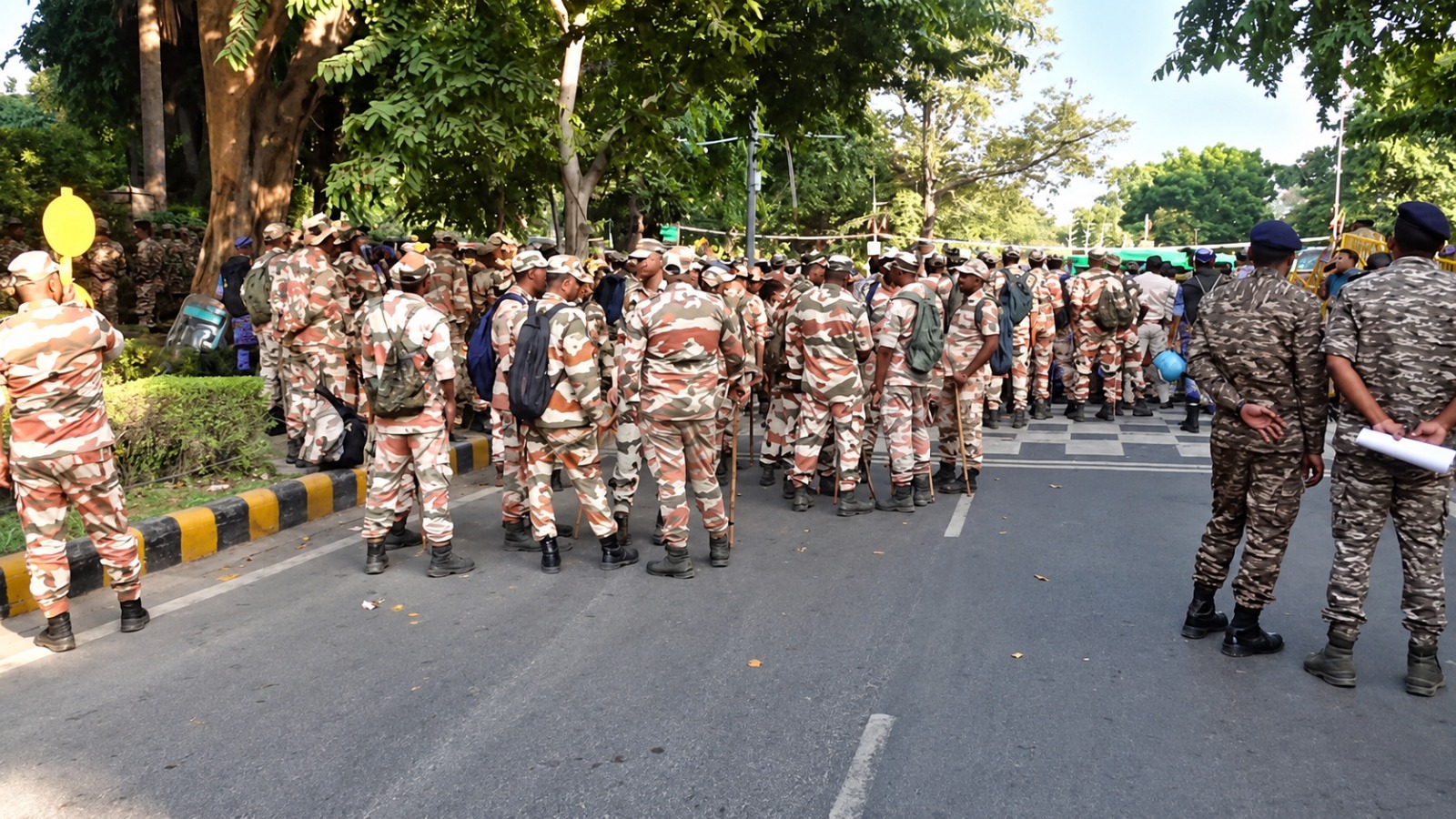
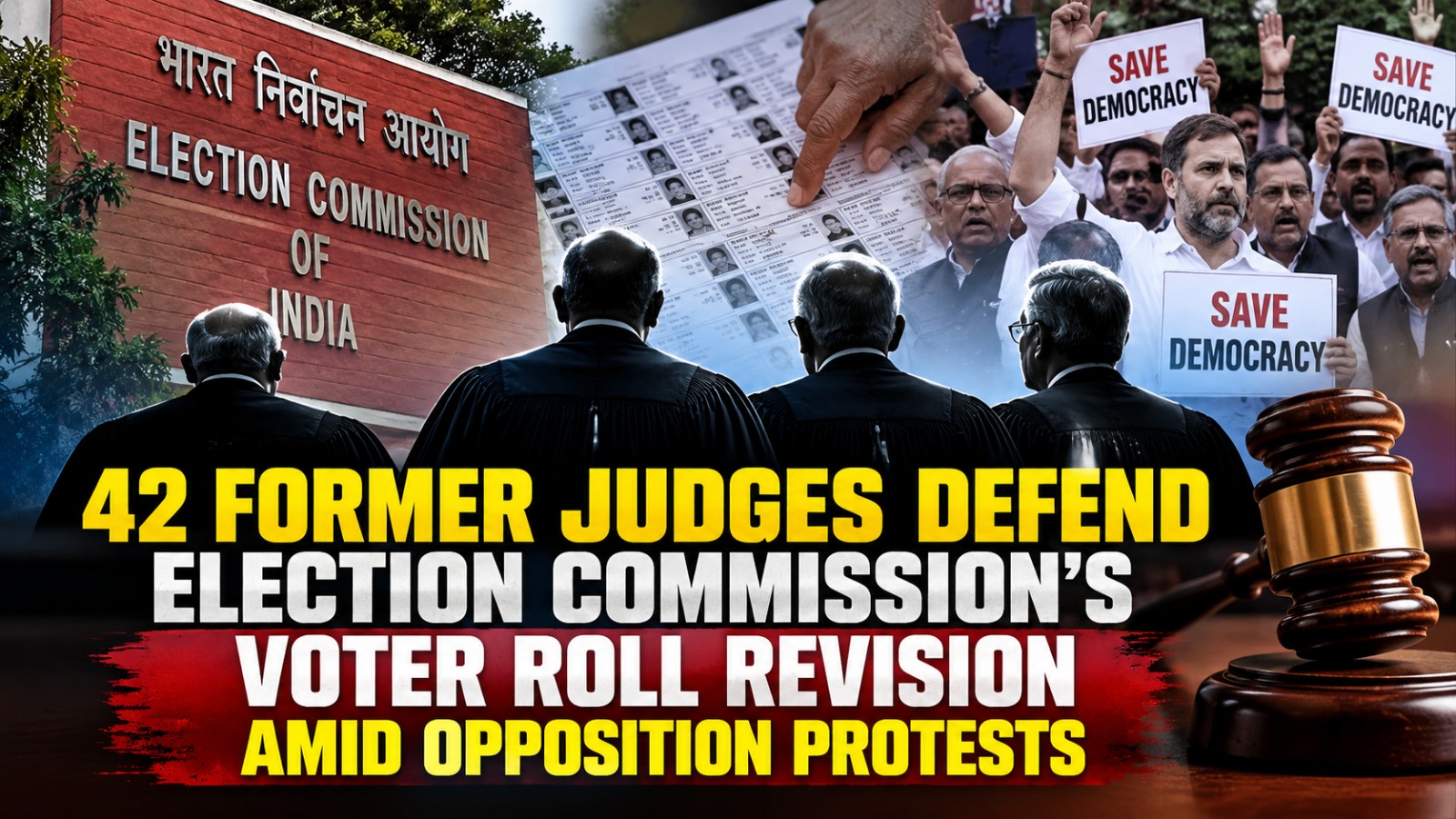
The court’s intervention comes amid heightened security arrangements across the capital ahead of the demonstration, which seeks the CEC’s resignation over alleged irregularities in the Special Intensive Revision (SIR) of electoral rolls.
‘Everybody Does Not Have a Car’
Emphasising the impact on people who depend on public transport, Chief Justice Surya Kant said: “Everybody does not have a car… You cannot bring everything to a halt and leave people without any transport facility.”
The bench noted that students, employees and senior citizens travel daily to Delhi from Gurugram, Greater Noida and other parts of the National Capital Region (NCR). A blanket shutdown, it observed, could impose substantial hardship on people who have no connection with the proposed protest.
The court acknowledged that authorities are entitled to take preventive measures to maintain public order. However, it stressed that restrictions must be proportionate to the threat being addressed and should not disrupt essential services beyond what is necessary.
The distinction, the bench indicated, is between regulating movement to prevent disorder and effectively bringing the city’s transport network to a standstill.
Centre Asked to Reconsider Blanket Restrictions
The petitions were mentioned by senior advocates Kapil Sibal, Abhishek Manu Singhvi and others, who argued that the proposed closures and cancellations would severely restrict movement across the capital. They maintained that peaceful protest is a democratic right and questioned the need for citywide disruption in anticipation of possible law-and-order problems.
Justice Bagchi observed that the authorities’ response would depend, in part, on the circumstances surrounding the proposed demonstration. He said preventive action could be taken, but restrictions must be assessed in light of the applicable law and the facts of the case.
Solicitor General Tushar Mehta, appearing for the Centre, told the bench that the measures were intended to prevent unlawful activity. He assured the court that he would take up its concerns with the government and seek to ensure that Metro and railway services continued in a suitably regulated manner.
The court also called for wide publicity of the authorities’ decisions so that commuters could plan their journeys and avoid unnecessary hardship. It asked officials to review road closures and barricading and issue appropriate traffic advisories.
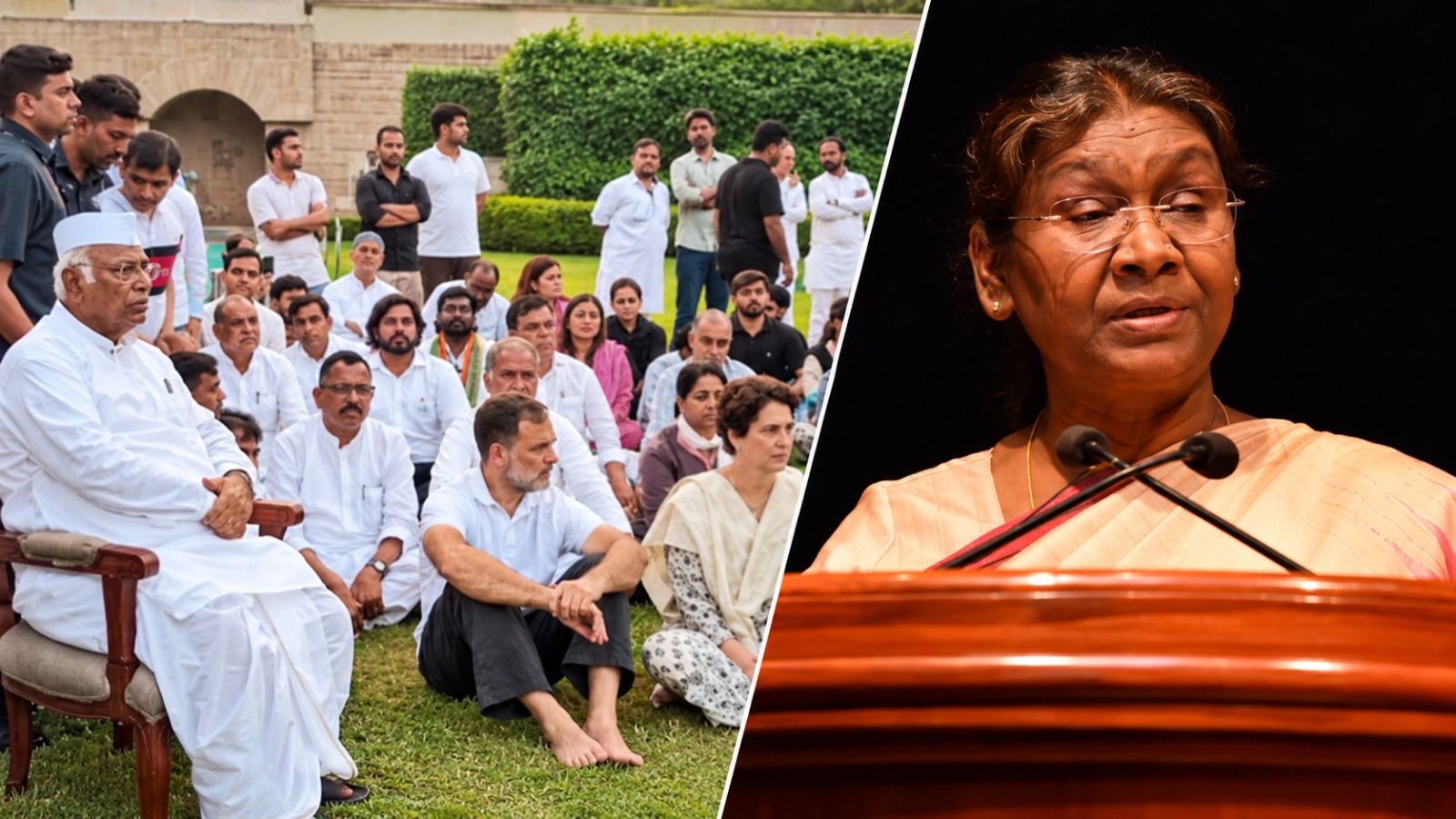
The CJP-led demonstration is planned for October 10 at Jantar Mantar, with organisers demanding Gyanesh Kumar’s resignation over the SIR exercise. Delhi Police has denied permission for the protest, citing the late submission of the application and alleged violations of conditions during an earlier demonstration.