Nepal’s confirmed death toll from last week’s catastrophic flash floods has risen to at least 903, with some official tallies later Monday putting recovered bodies at 939, disaster authorities said as search operations entered a seventh day on Tuesday. Combined with 16 confirmed deaths reported in China’s Tibet region, the overall toll stands at more than 919, and one later compilation put the combined figure at 955.
More than 4,200 people remain unaccounted for in Nepal alone, including hundreds of foreign nationals and an estimated 933 workers at hydropower projects along the Bhotekoshi and Trishuli river corridors. Hundreds more are listed as missing on the Chinese side of the border. Bodies continue to surface far downstream, including in Chitwan and neighboring districts, after the torrent carried victims dozens of miles from the worst-hit mountain valleys.
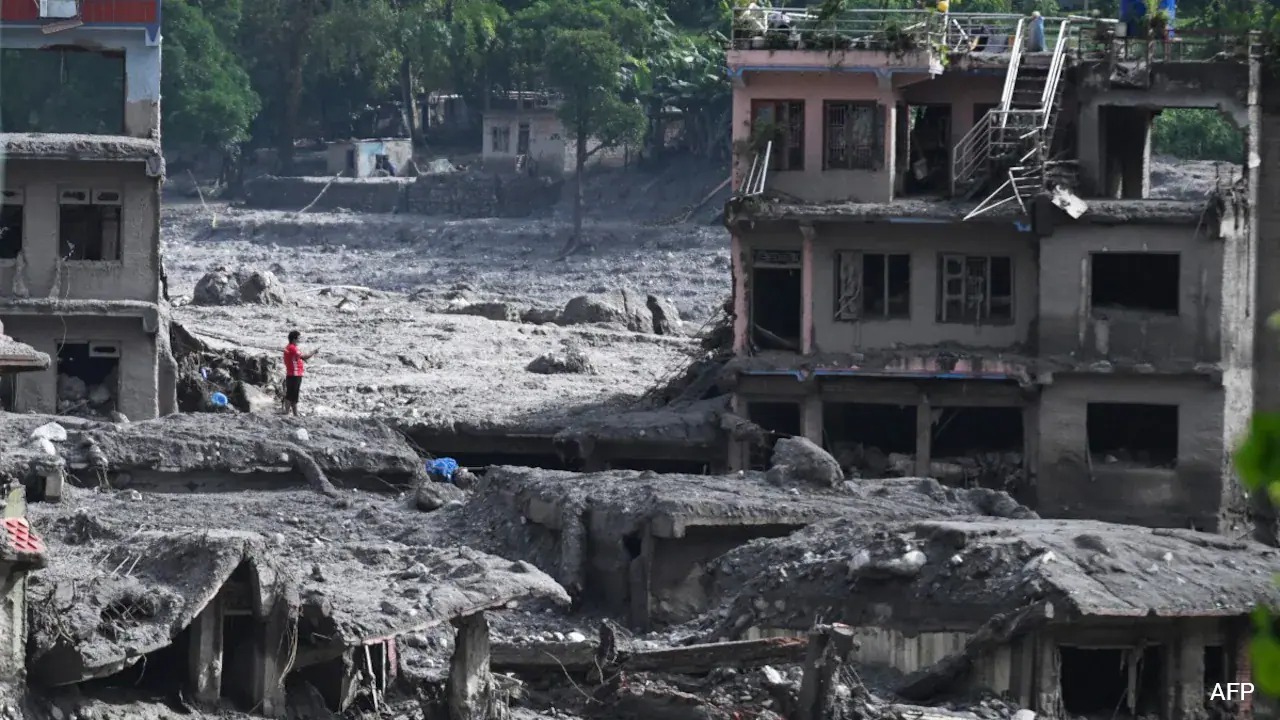
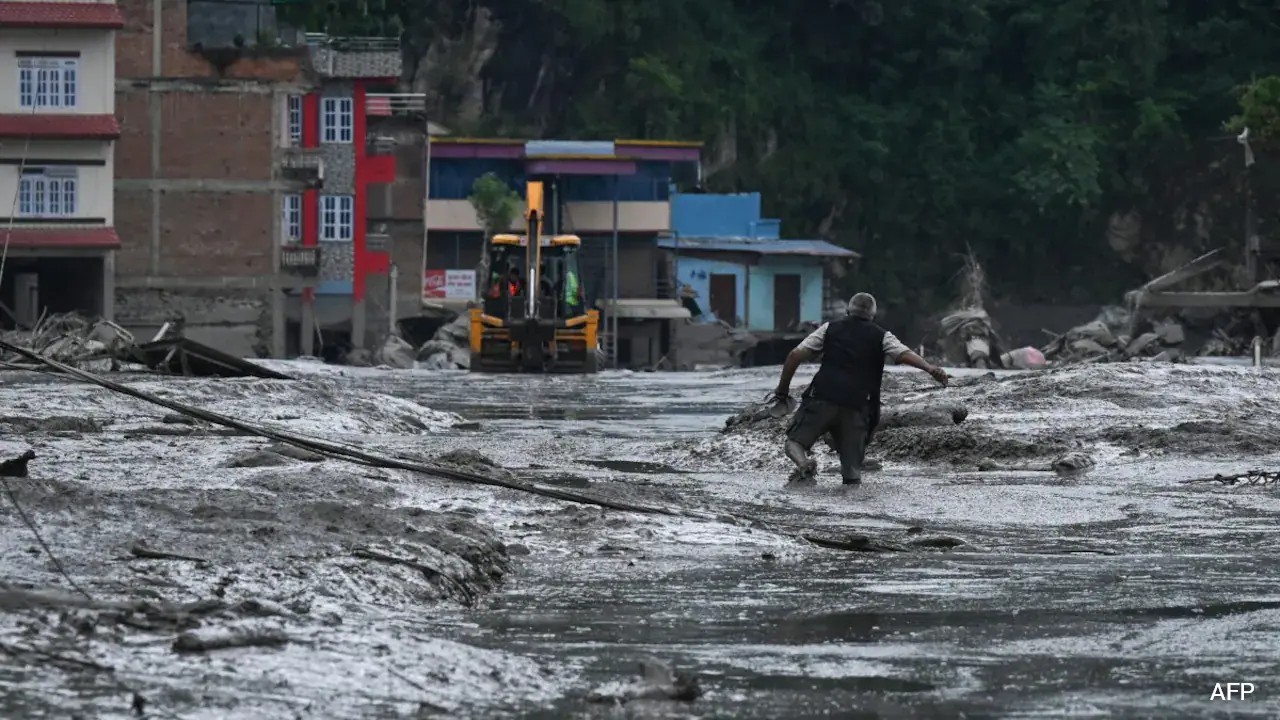
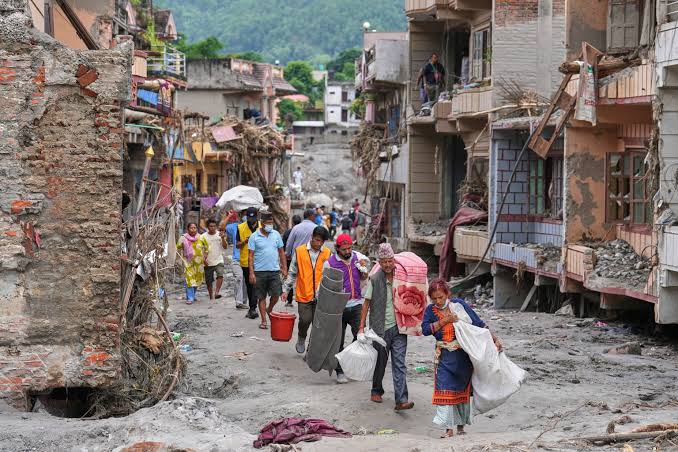
The disaster struck on August 26 when a glacial collapse and ice-rock avalanche near the Nepal-Tibet border sent a wall of water, mud, ice and debris roaring down Himalayan river valleys. Settlements, roads, bridges and hydropower sites in Rasuwa, Nuwakot and surrounding districts were devastated. Scientists have described the initial rockfall as so large it registered as a magnitude 5.2 seismic event. The flood then surged south, depositing debris and remains across central Nepal and, in some cases, into rivers reaching India, where authorities have recovered additional bodies.
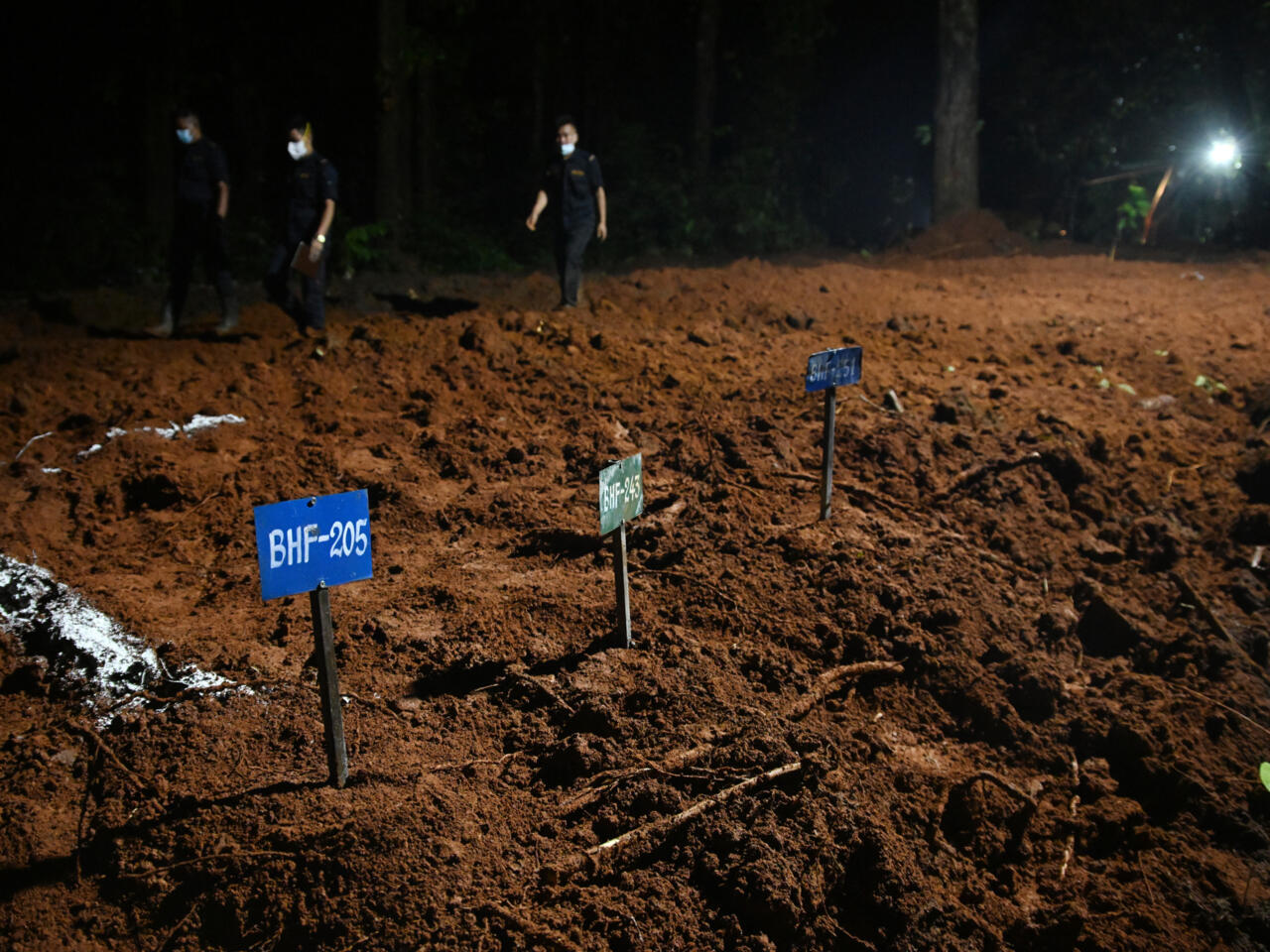
Chitwan has recorded the highest number of recovered remains so far, with 272 bodies, followed by Nawalparasi East (207) and Nawalparasi West (151). Other districts including Nuwakot, Gorkha, Dhading, Tanahun and Rasuwa have also reported dozens of recoveries. Many of the bodies arrived in an unrecognizable state after days in fast-moving water and mud. Morgues filled quickly, prompting authorities to begin mass burials after collecting DNA samples, photographs and other identifying information so families can later claim relatives. The practice has drawn debate in a predominantly Hindu country where cremation is customary.
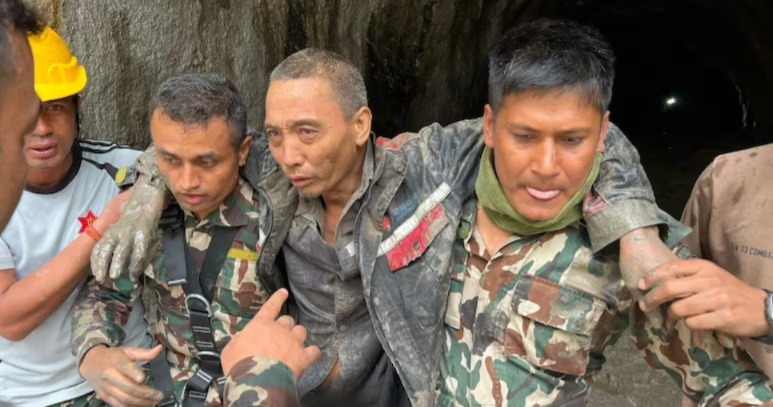
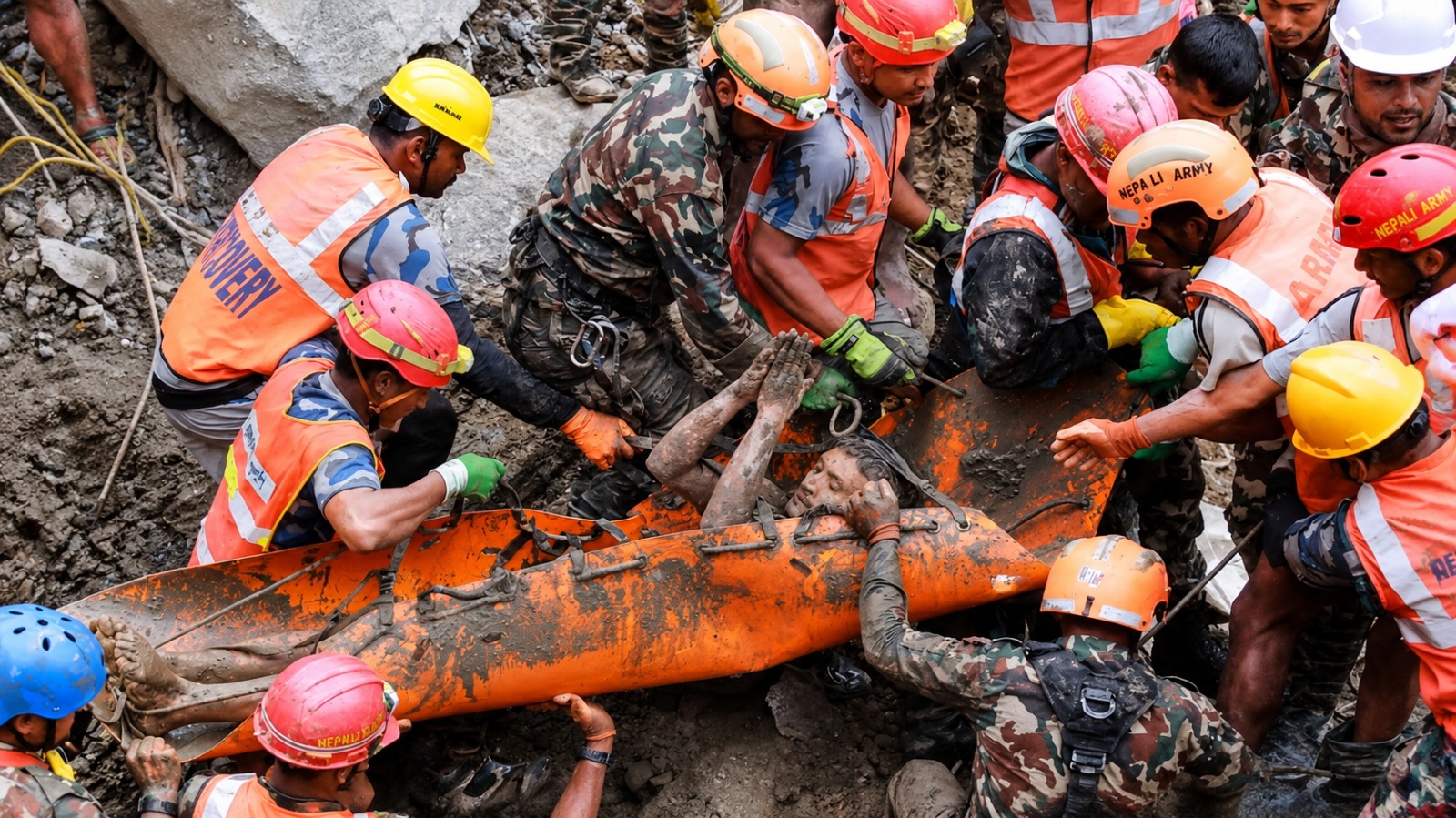
Rescue teams, including more than 20,000 security personnel from the Nepal Army, police and armed police, plus technical assistance from India and China, continue to focus on blocked hydropower tunnels. Engineers have drilled and inserted pipes in an effort to reach workers believed trapped at sites such as Trishuli 3A. Intermittent rain, damaged roads and rising river levels have repeatedly interrupted operations. Officials have warned of possible further flooding and urged people in affected areas to stay alert. More than 10,000 people have been rescued to date, including hundreds of foreigners.
Prime Minister Balendra Shah has called the event an “unimaginable and heartbreaking” disaster and said a complete accounting of losses remains extremely difficult. The United Nations and aid agencies have begun assessing longer-term needs, including protection for tens of thousands of children, nutrition support, and disease-prevention measures as water and sanitation systems remain disrupted. The Red Cross estimates more than 90,000 people have been affected. International assistance, including cash and supplies from China, the United States, India and others, is arriving as Nepal also requests emergency financing from climate-related loss-and-damage funds.
The scale of missing persons, the number of unidentified remains, and the condition of remote infrastructure mean official figures are still changing. Families continue to search hospitals and official lists, while recovery crews work riverbanks and debris fields in conditions that remain hazardous.