A week after a Himalayan glacier collapse sent a wall of ice, rock and mud down the Bhotekoshi and Trishuli river systems, Nepal is no longer framing the disaster as a plea for donations. Foreign Minister Shisir Khanal has told international partners that recovery should be treated as climate compensation - “justice, not aid” and has named China, the United States and India as the world’s three largest current greenhouse-gas emitters with a “historical responsibility” toward highly exposed countries.
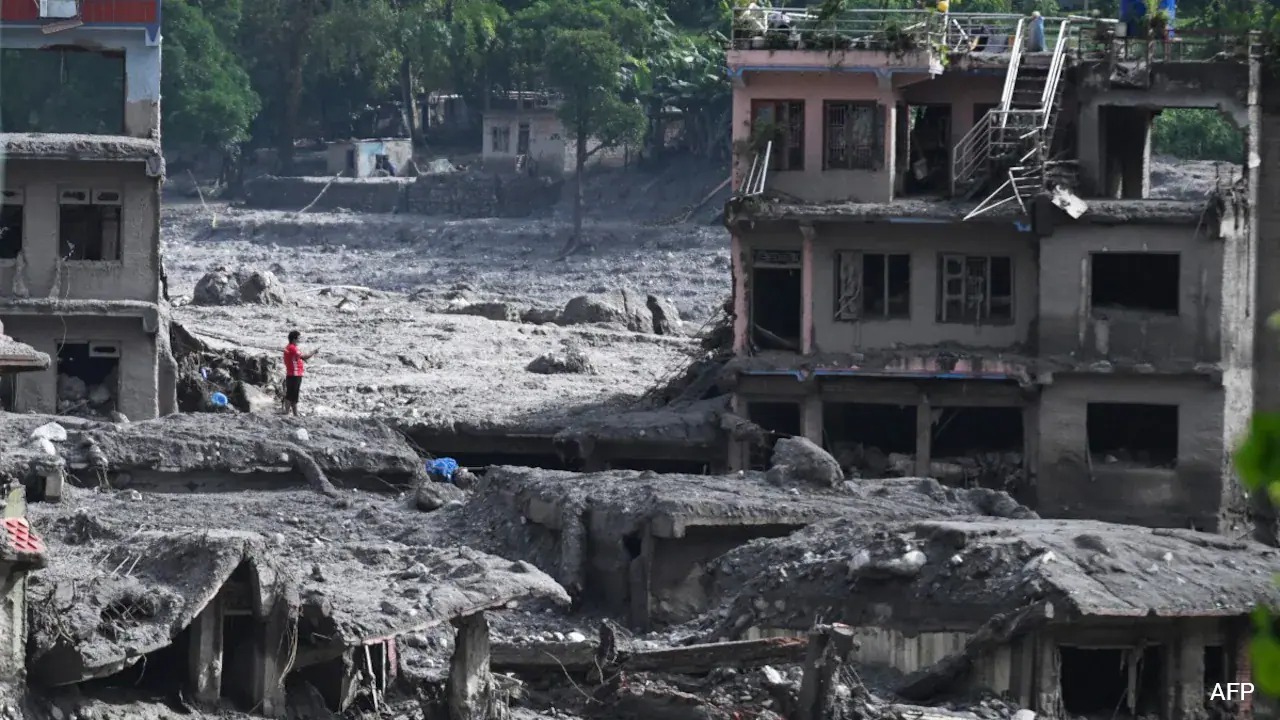
The August 26 surge tore through settlements in Rasuwa, Nuwakot and neighbouring districts, destroyed stretches of the China - Nepal border infrastructure, wrecked hydropower sites and left bodies and debris as far downstream as parts of India. Nepal Police put the confirmed death toll at 1,127 on Wednesday, with thousands still listed as missing and search teams still working through tunnels and debris fields. Early government estimates put reconstruction and recovery in the region of $5 billion - a sum officials have described as preliminary and far beyond Nepal’s immediate fiscal capacity.
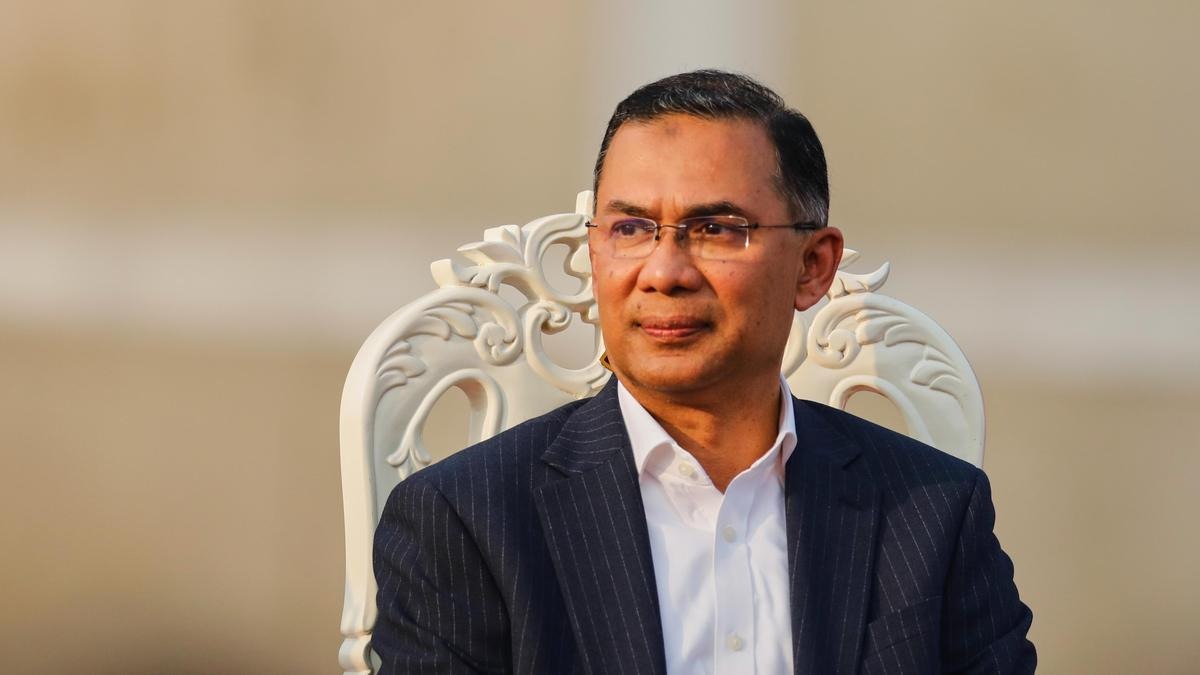
Khanal, speaking in an interview with Kantipur TV that was widely reported by ‘The Kathmandu Post’ and other outlets, said Nepal’s own emissions are “virtually negligible” and that the country is “paying the ultimate price for a global crisis we did not create.” He described the event as a “catastrophic mountain tsunami” linked to rapid glacier melt. “This is not a matter of charity; it is a matter of legal and moral liability,” he said. Nepal, he added, is shifting its diplomatic language from traditional post-disaster aid toward “justice and compensation.”
He identified China as the world’s top emitter, the United States as second and India as third, and said those countries have a duty to compensate climate-vulnerable nations. Independent tallies commonly place Nepal’s share of global CO₂ emissions around 0.04 percent. China, the United States and India together account for a large majority of current annual emissions, though per-capita and historical-responsibility figures differ sharply among the three.
The Finance Ministry has already sent a formal climate-compensation claim to international partners and has approached the board of the UN Fund for Responding to Loss and Damage, the mechanism agreed at COP27 and made operational at COP28. A letter signed by Finance Minister Swarnim Wagle and Forests and Agriculture Minister Geeta Chaudhary described losses that exceed Nepal’s ability to respond on its own. Officials have also discussed sending Prime Minister Balendra “Balen” Shah to the UN General Assembly to press the case in person.
The demand does not erase the emergency help already arriving. India has flown in relief supplies and specialised rescue teams. China has provided cash and material assistance and has its own casualties and missing on the Tibetan side of the border. The United States has pledged emergency humanitarian funding. Those packages remain conventional disaster aid. Kathmandu’s new line is that they should not be the last word.
Scientists and disaster agencies have not issued a final, single-cause verdict on the collapse. The U.S. Geological Survey recorded a seismic pulse consistent with a large ice-and-rock failure; officials on both sides of the border continue to investigate how much warming, rainfall and slope instability contributed. What is not in dispute is the scale: millions of tonnes of debris, wrecked roads and bridges, damaged generation capacity, and thousands of households displaced. The UN has warned of contamination and disease risk in temporary camps.
For Nepal, the argument is both moral and practical. A landlocked, high-mountain country with a tiny emissions footprint sits on one of the world’s most rapidly changing cryospheres. Khanal has gone further, saying that if Himalayan glaciers continue to disappear, water security for more than two billion people who depend on rivers such as the Ganges and the Trishuli would be at stake and that Kathmandu is speaking not only for itself. Whether China, the United States and India accept that framing as a bill rather than a request will be tested in coming weeks at the Loss and Damage Fund, at UNGA, and in bilateral channels that have so far been defined by rescue flights and emergency grants. Rescue work continues. Identification of the dead, clearance of hydropower tunnels, and the first phase of rebuilding will dominate the next months.