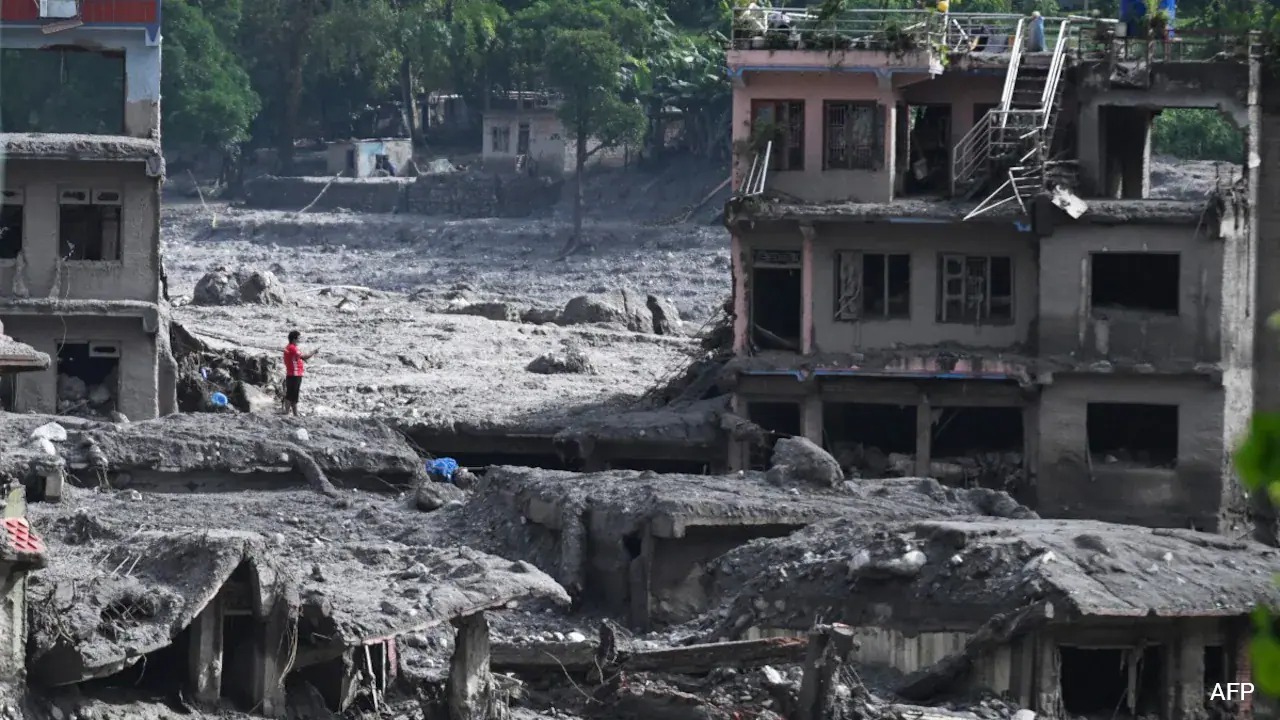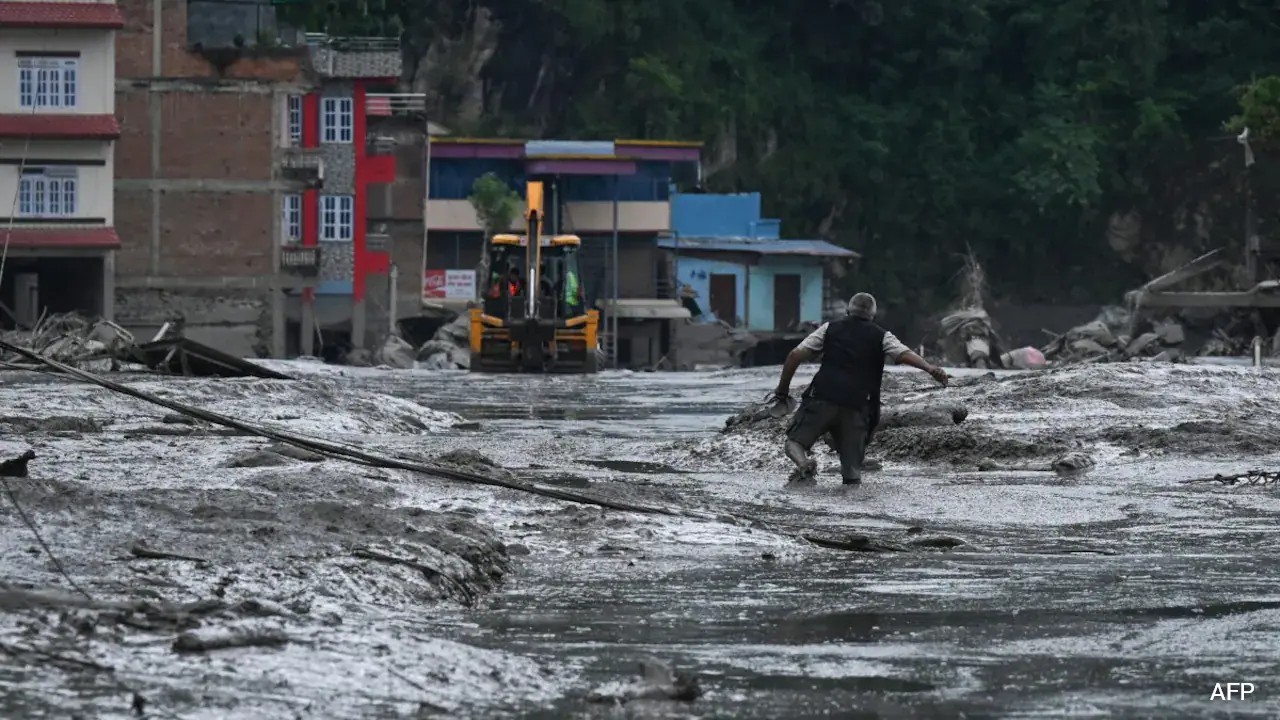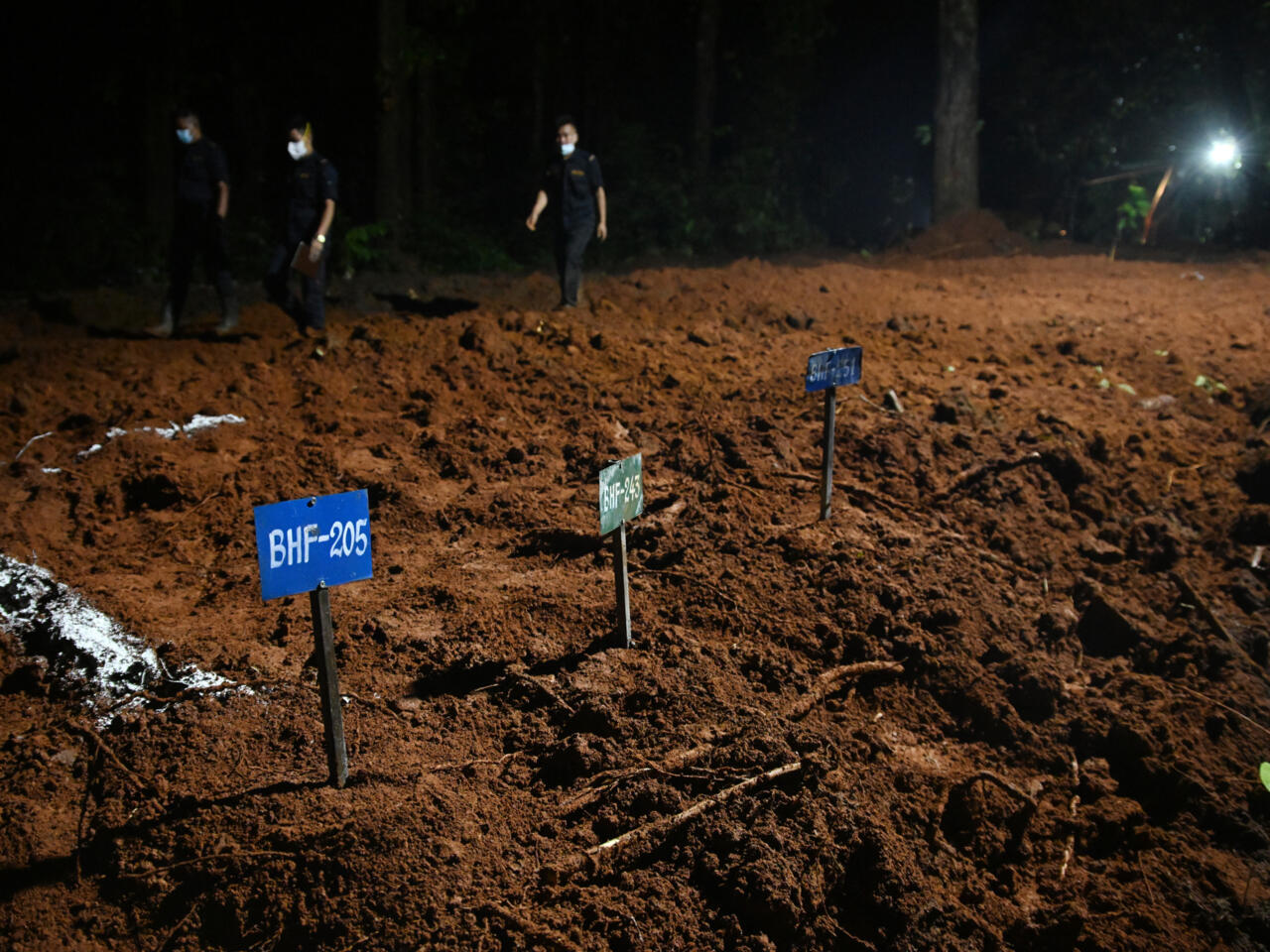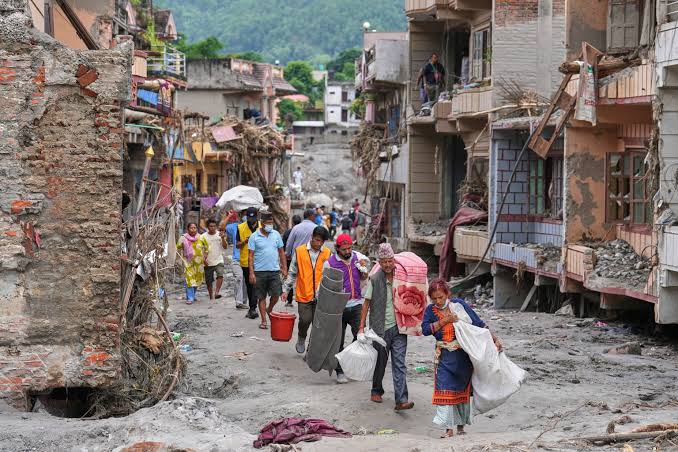
Authorities in Nepal and neighboring China are grappling with the aftermath of catastrophic flash floods that swept through the Nepal-China border region last week, leaving at least 955 people dead and roughly 4,470 unaccounted for, officials said. Morgues and temporary storage sites were quickly overwhelmed by the scale of the disaster, forcing emergency teams to bury hundreds of unidentified victims in mass graves while search-and-recovery efforts continue along rivers, roads and tunnel sites where entire communities and infrastructure were buried by mud, ice and water.
On the ground in Bharatpur, Sub Inspector Hari Sharan Dhakal and his team are coordinating the painful task of reuniting families with recovered bodies. Dhakal’s center has compiled lists with 837 names and relies on photos, clothing remnants and tattoos to assist identification, but prolonged exposure to river conditions has made visual confirmation difficult. Teams are collecting DNA samples and working with hospitals and other recovery centers across the country, yet the process remains slow and emotionally fraught as relatives continue to wait for news.
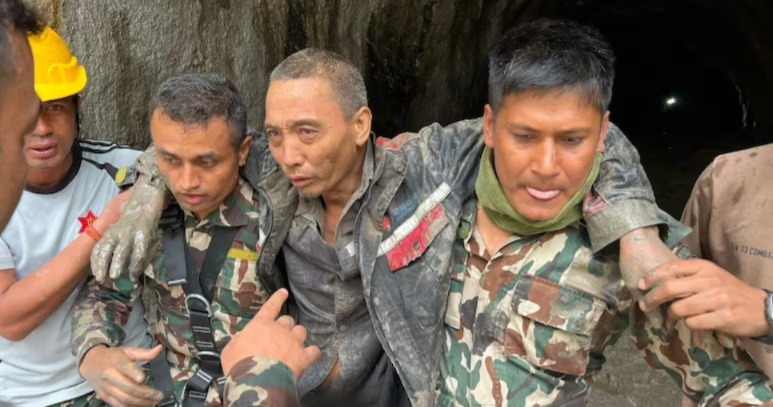
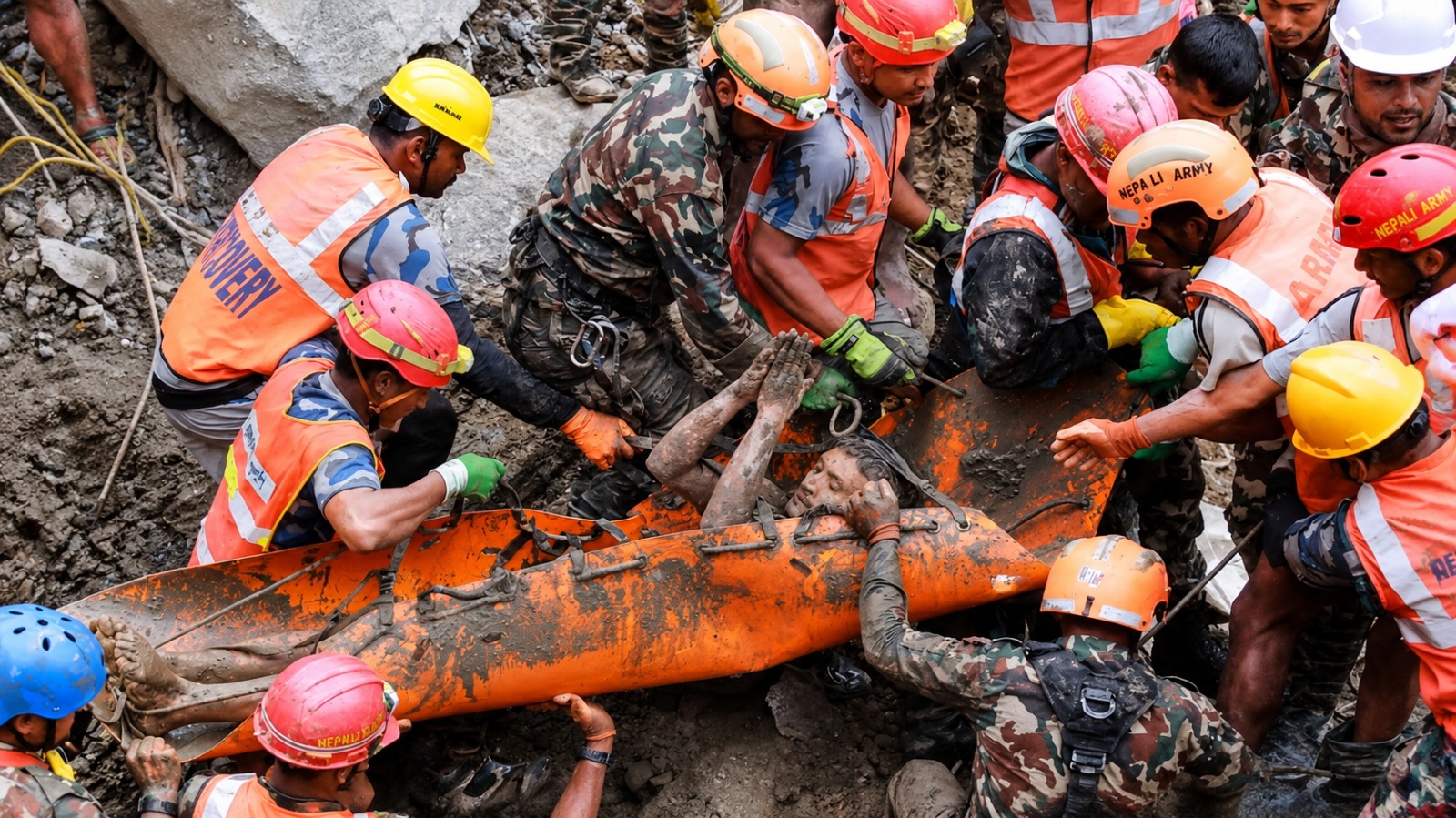
Rescue crews are racing to reach workers believed trapped inside hydropower tunnels and to clear thick mud from affected towns. Around 900 workers are still reported missing from tunnel sites alone. Helicopter pilots, including Nepal’s first female helicopter captain, have flown dozens of missions to evacuate survivors and support relief operations, describing both the scale of destruction and the urgency of saving those still reachable by air.
Across the border, Chinese state media described widespread devastation at the Gyirong port area, with satellite imagery showing most facilities reduced to rubble and only a single water tower left standing. Narrow mountain paths, ongoing rockfalls, and poor visibility have hampered heavy-equipment access and stabilization work. International consular teams are assisting foreign nationals; governments from Australia, the U.S., Canada and other countries have reported nationals among the missing and deceased.
Humanitarian organizations and local groups are mobilizing to deliver emergency shelter, food, medical care and psychological support to survivors. Authorities have urged families seeking information to register with official recovery centers to aid identification and reunification efforts. As search operations press on, officials warn that numbers may change and that the immediate focus remains on rescuing survivors, identifying the dead, and preventing disease and further displacement among affected communities.