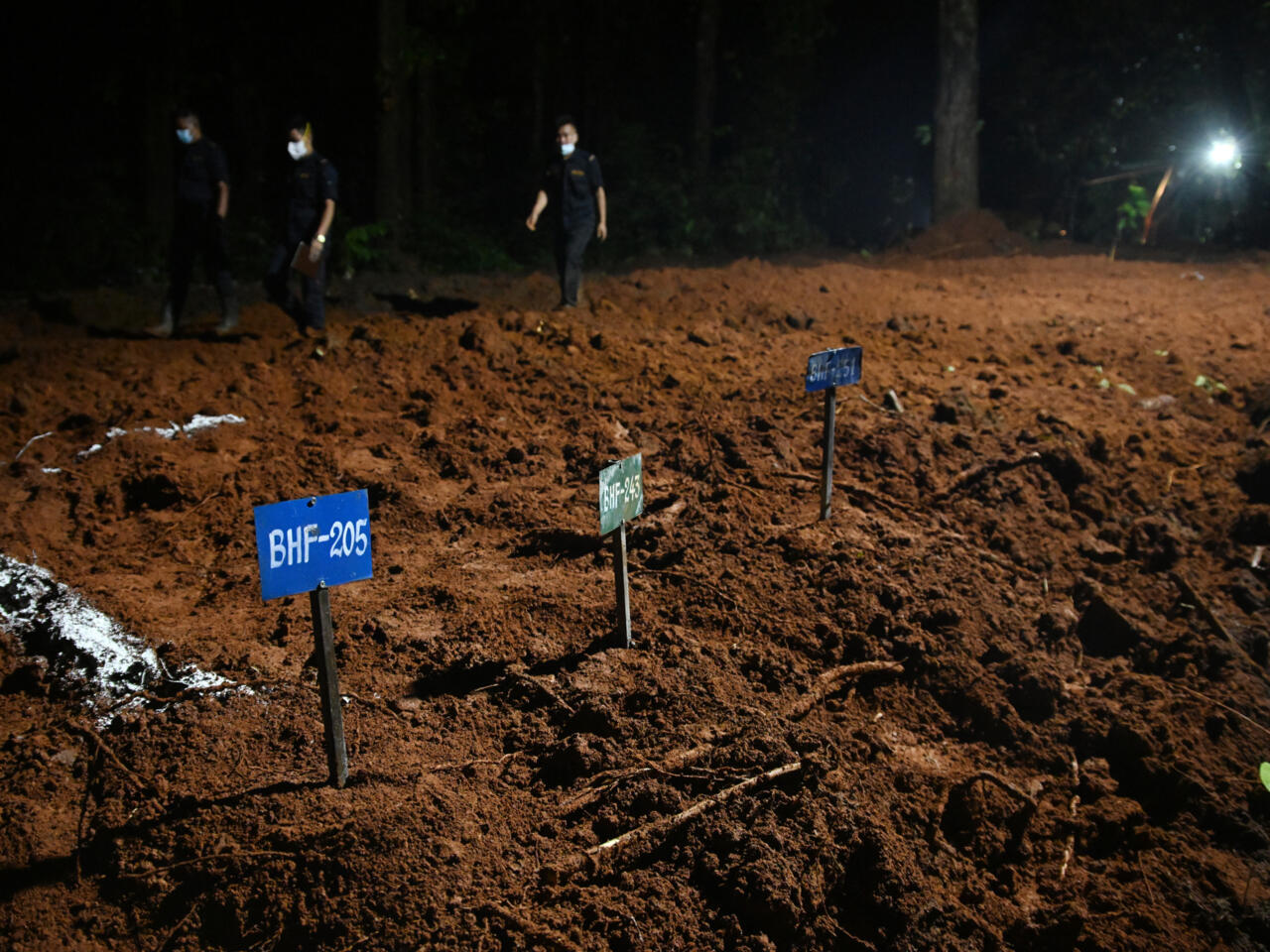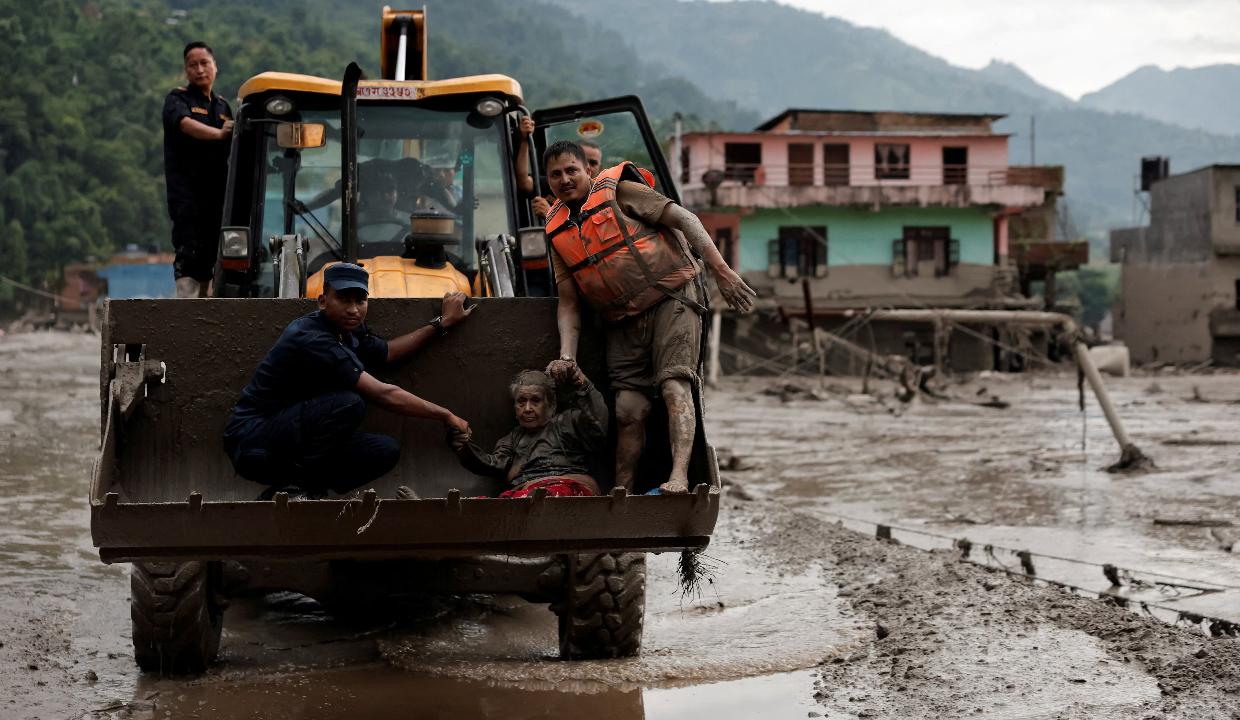
Rescue teams in Nepal have traced around 100 Indian nationals who were earlier reported missing after Wednesday’s flash floods, even as the confirmed death toll climbed to 270 and hundreds of people, including many more Indians, stay unaccounted for.
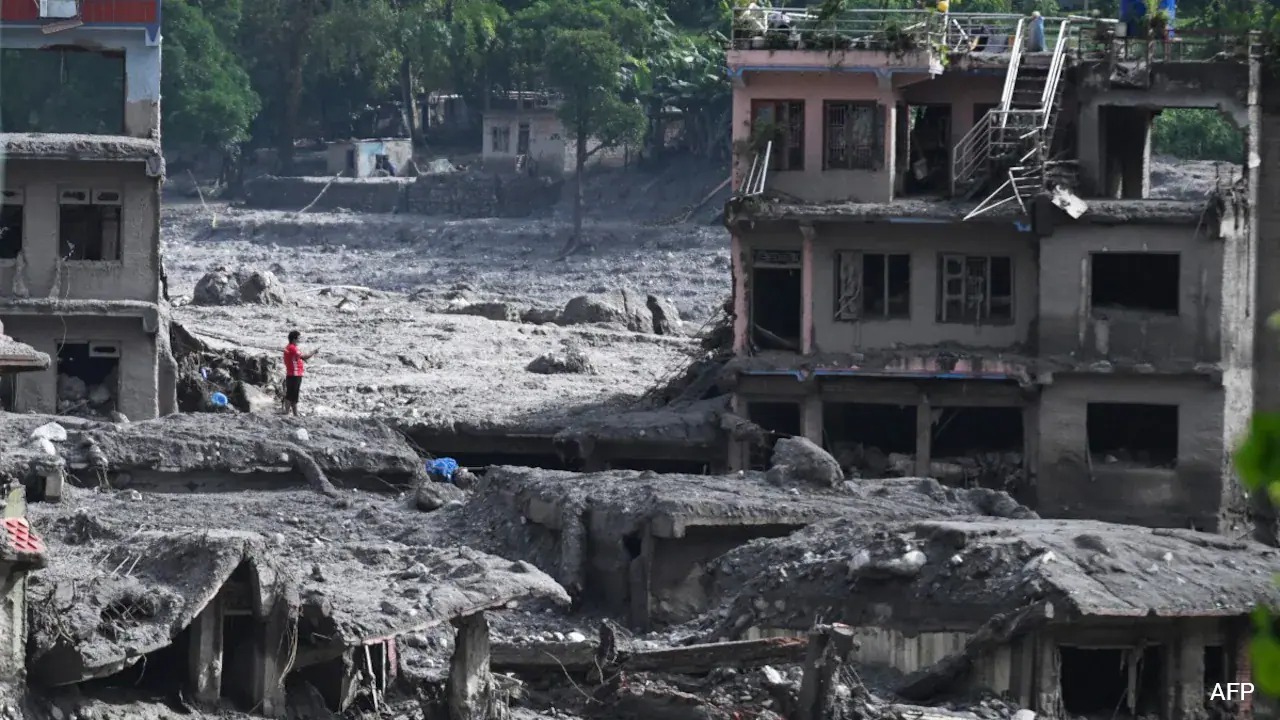
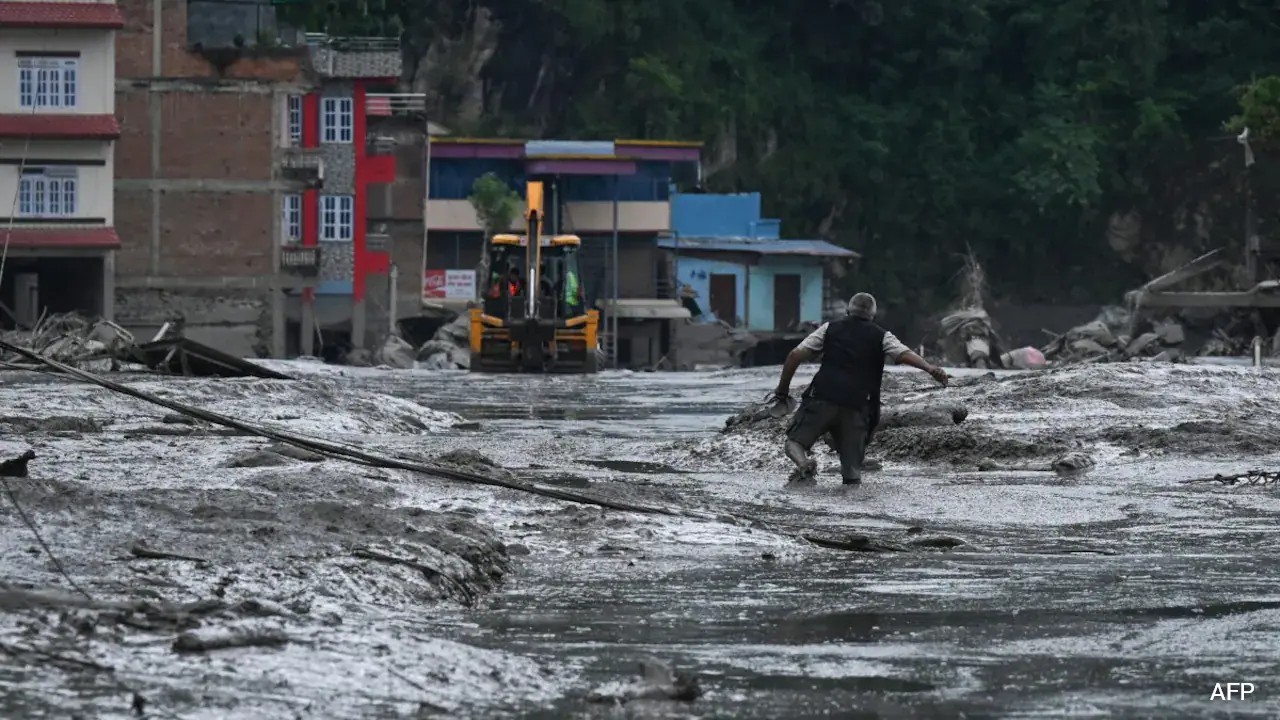
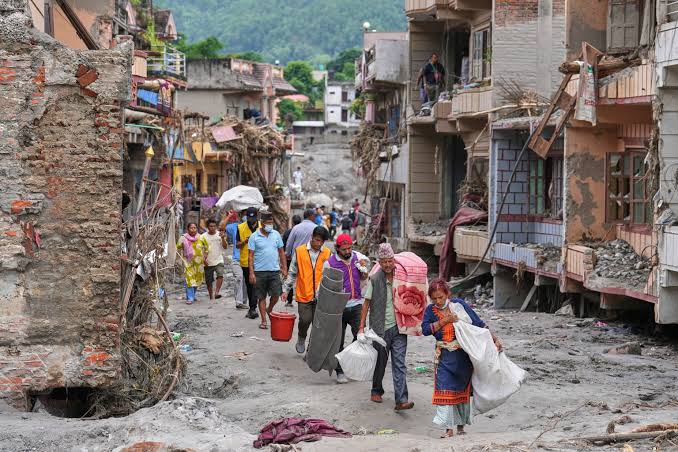
The floods began when an avalanche or glacial collapse blocked a tributary of the Bhotekoshi River near the Nepal-Tibet border. A sudden wall of water, mud and debris swept through Timure and Rasuwagadhi, then raced downstream through Rasuwa, Nuwakot, Dhading, Chitwan, Gorkha and neighbouring districts. Homes, roads, bridges and hydropower sites were destroyed. Nepal Police said dozens of additional bodies were recovered on Thursday, pushing the toll higher, and warned that the number could still rise as searches continue in debris-filled valleys.
Thousands of people were initially listed as missing across Nepal and Tibet. A large share of the foreign travellers on the lists were Indians, many of them pilgrims on or near the Kailash Mansarovar route.
India’s Ministry of External Affairs said 288 Indian nationals in Nepal remain uncontactable. That group includes 73 workers at the Trishuli-1 power project, two Tamil Nadu parties (37 and 49 people) travelling with different operators, a 32-member group from West Bengal that was in Rasuwa when the water hit, 61 travellers from various states, and 33 from Kerala.
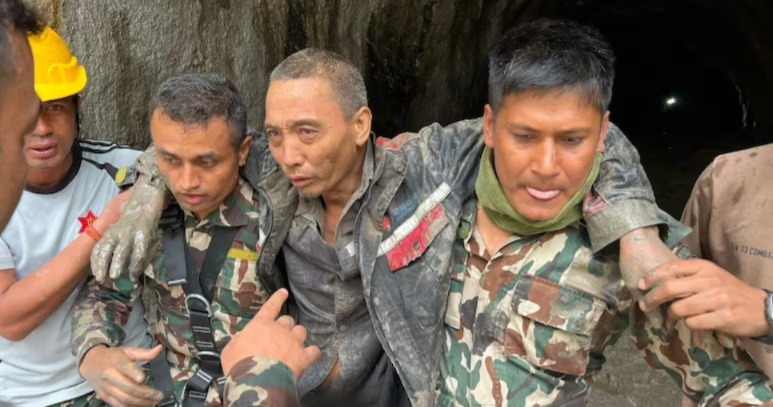
At the same time, authorities reported that roughly 100 Indians previously listed as missing have now been located. Separately, 21 Indians from Tamil Nadu have been rescued and are being brought to Kathmandu for the journey home. About 200 other Indians who are safe but stranded on the Chinese side have requested evacuation help; many of them are moving toward border crossings such as Hilsa.
India has opened a round-the-clock control room in New Delhi and emergency desks at its missions in Kathmandu and Beijing. Prime Minister Narendra Modi spoke with Nepal’s Prime Minister Balendra Shah and offered further support. Relief flights carrying food, medicine and other supplies have already arrived.
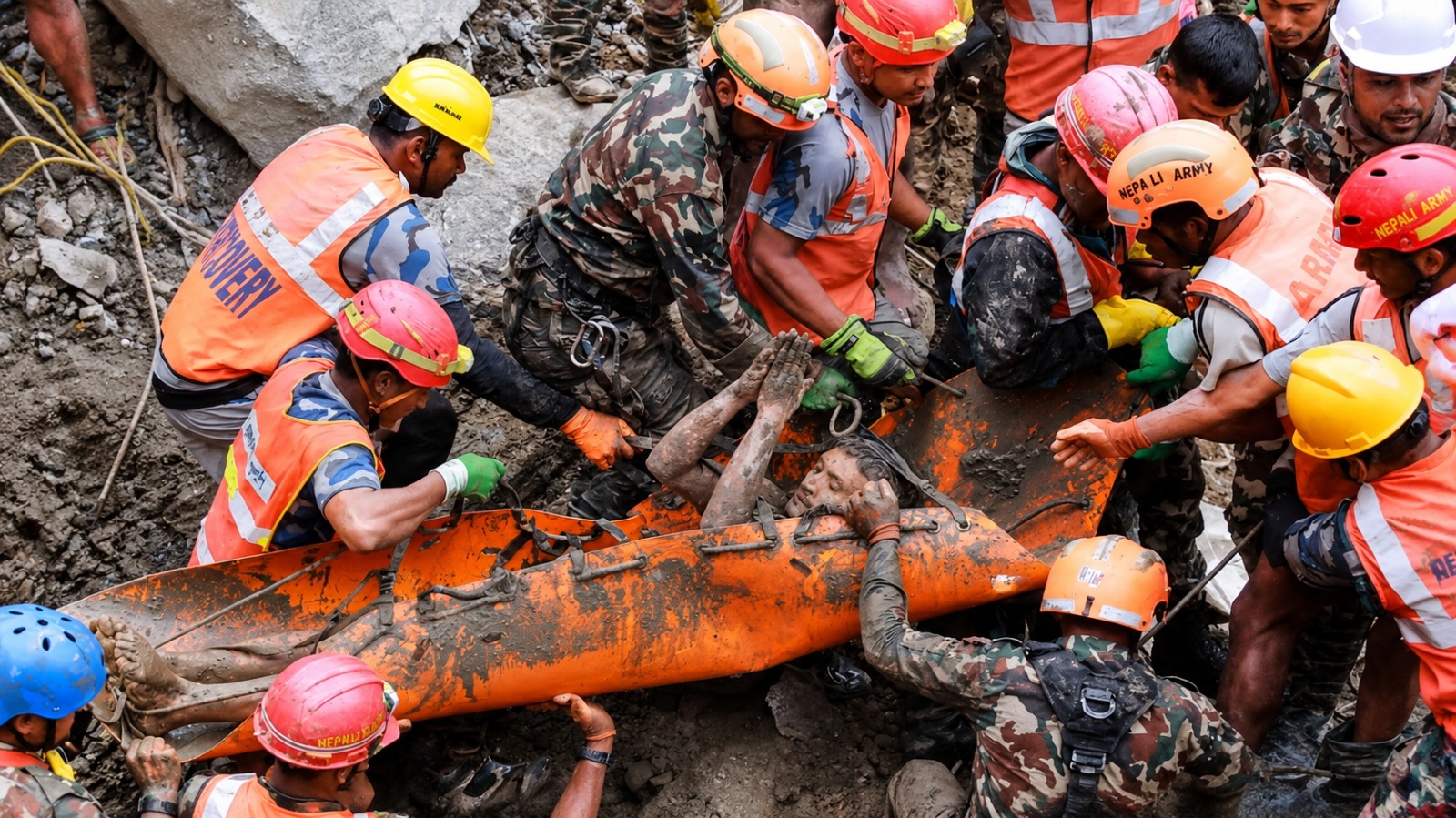
Nepal’s army, police and armed police, backed by helicopters, have pulled more than 800 people from the affected zones. Washed-out roads, communication failures and rain have slowed the work. Officials continue to urge people living along the river corridors to stay alert. Identification of the dead is still under way. Families of those still missing are waiting for further updates as coordinated searches resume.