Maharashtra took its first formal step towards implementing a Uniform Civil Code (UCC) constituting a committee that will prepare the framework and recommendations for the proposed law.
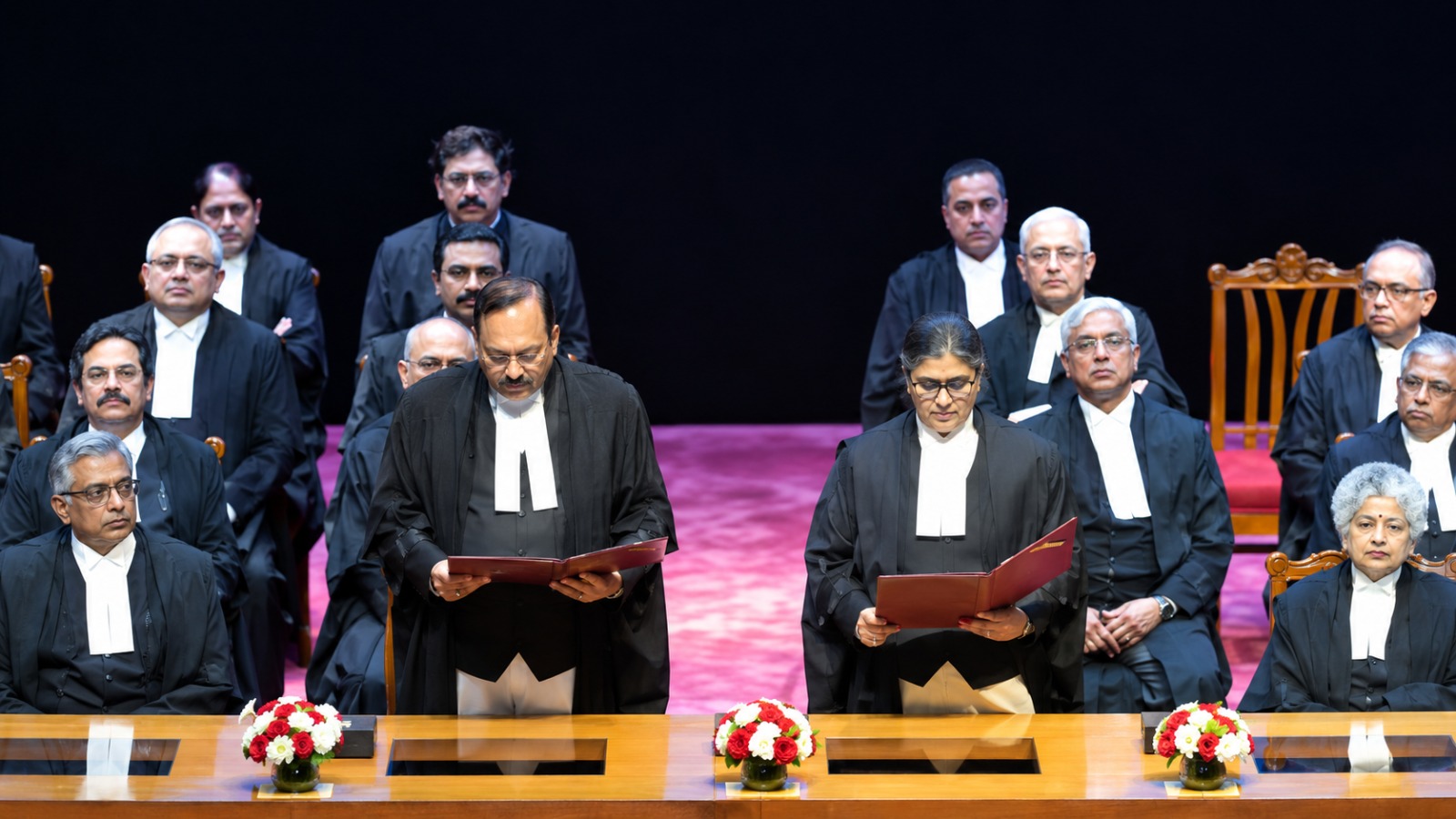
Announcing the decision, Maharashtra minister Ashish Shelar said the committee will be headed by former Supreme Court judge Justice Ranjana Desai, who had earlier led the panel that drafted the Uniform Civil Code legislation in Uttarakhand.
According to the state government, the seven-member committee comprises experts from the judiciary, administration and other fields. Apart from Justice Desai, the panel includes former Bombay High Court judges Justice RC Chavan and Justice SG Mehare, former Maharashtra Chief Secretary DK Jain, former Advocate General Birendra Saraf, Padma Shri awardee and social activist Ramesh Patange, and education expert Dr Suvarna Rawal.
Shelar made the announcement in the Maharashtra Legislative Council, while Chief Minister Devendra Fadnavis informed the Legislative Assembly about the government’s decision.
The state government plans to study the committee’s report before introducing the Uniform Civil Code Bill during the Winter Session of the Maharashtra Legislature in Nagpur.
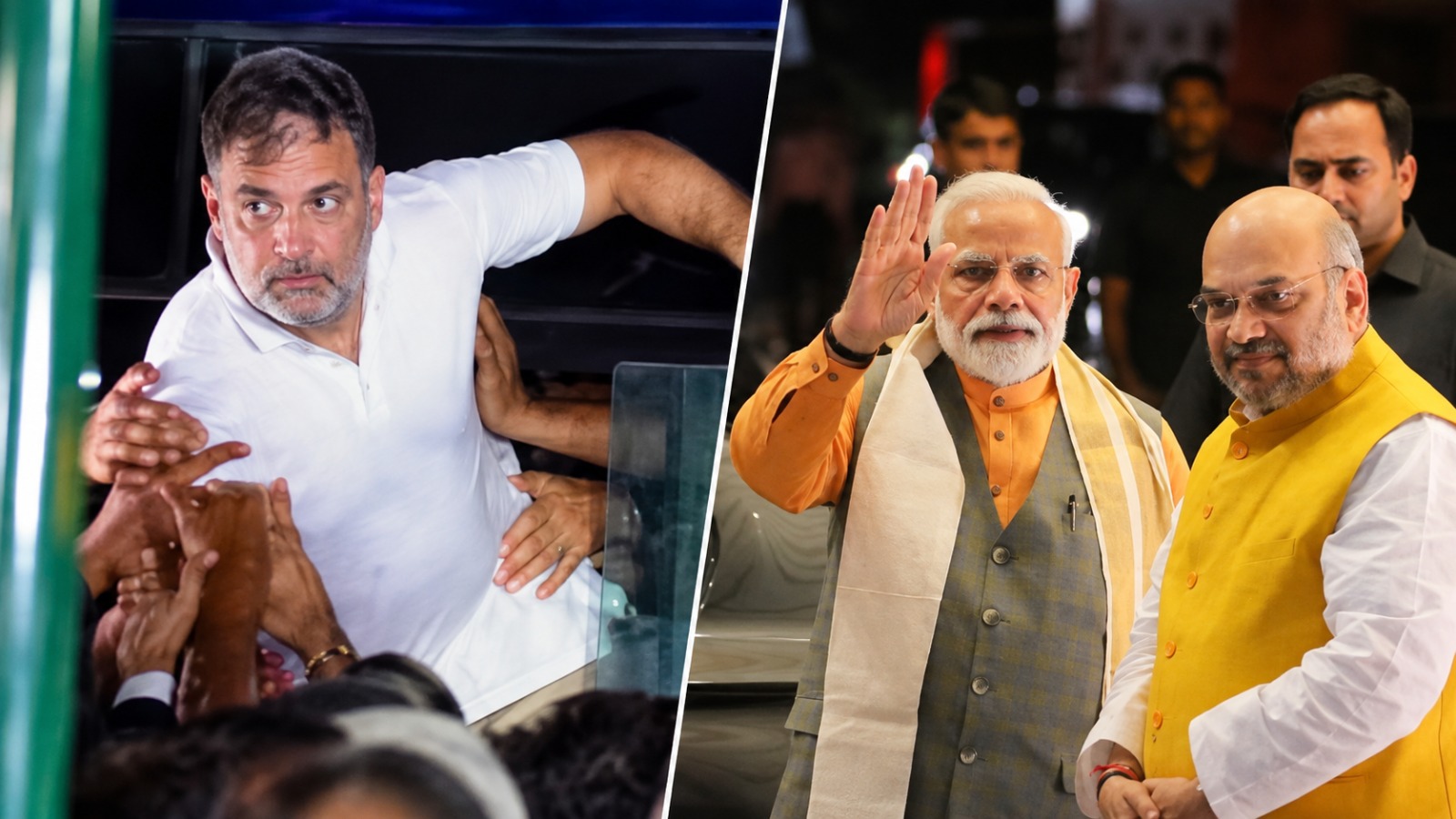
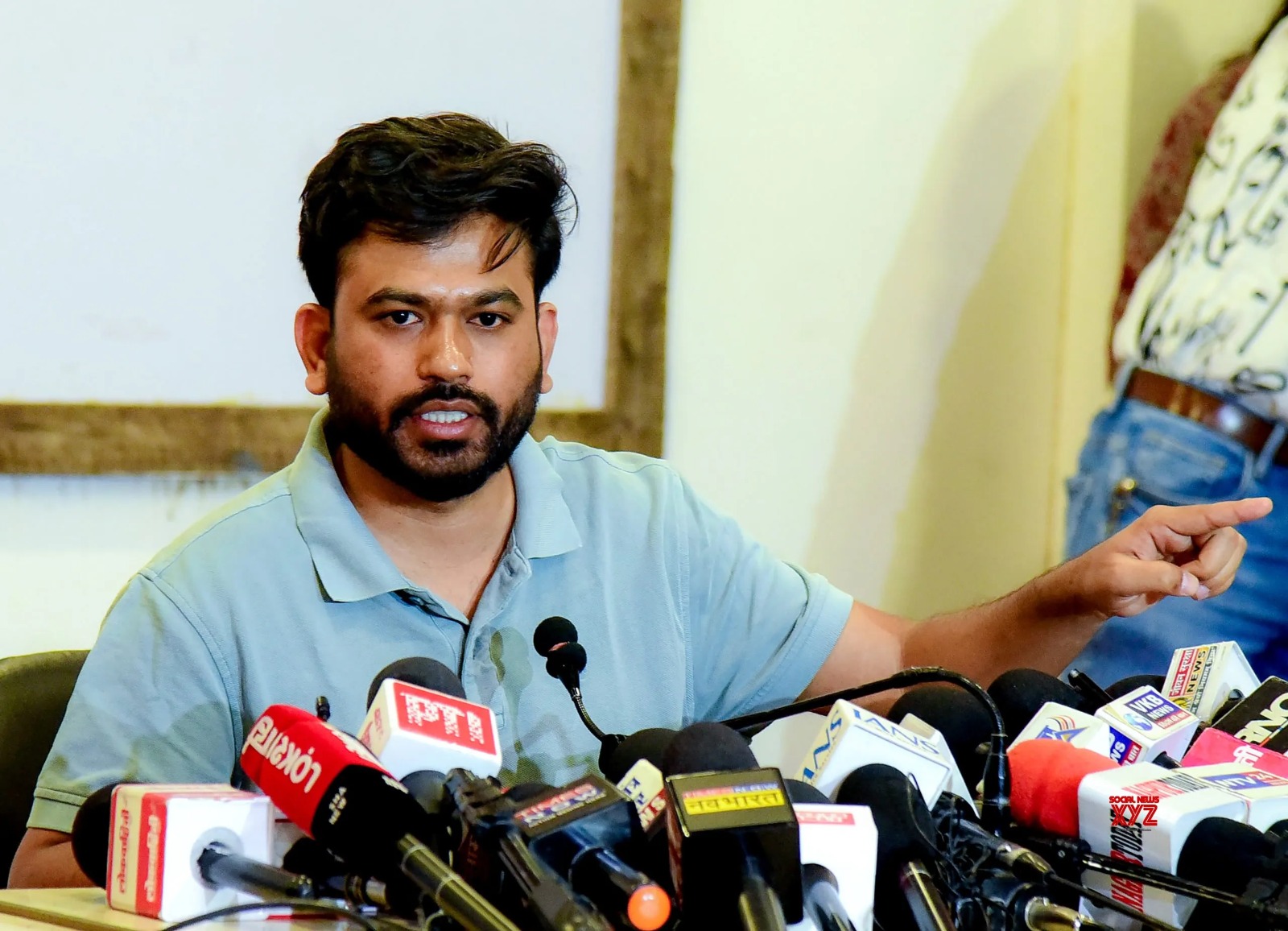
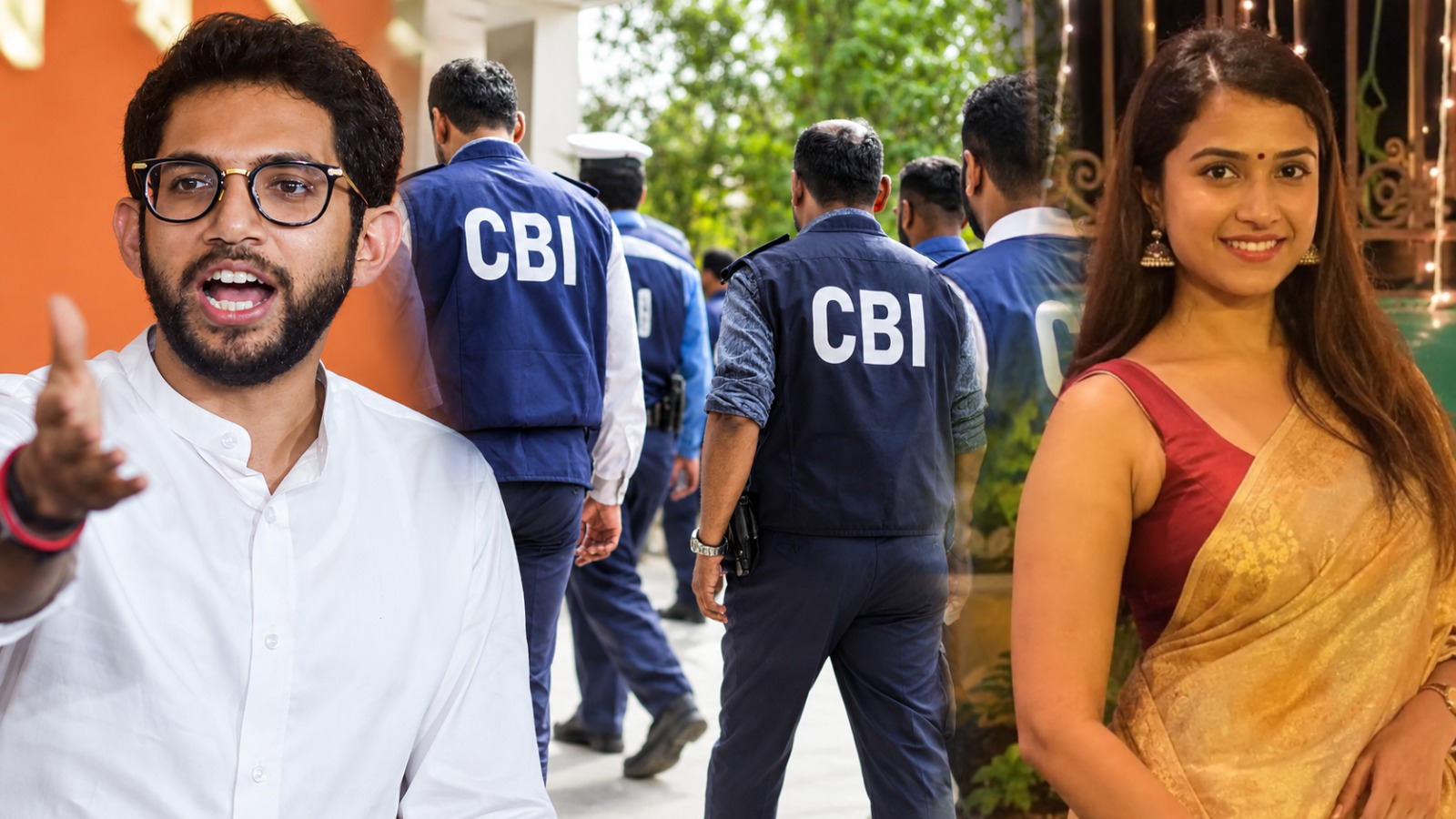
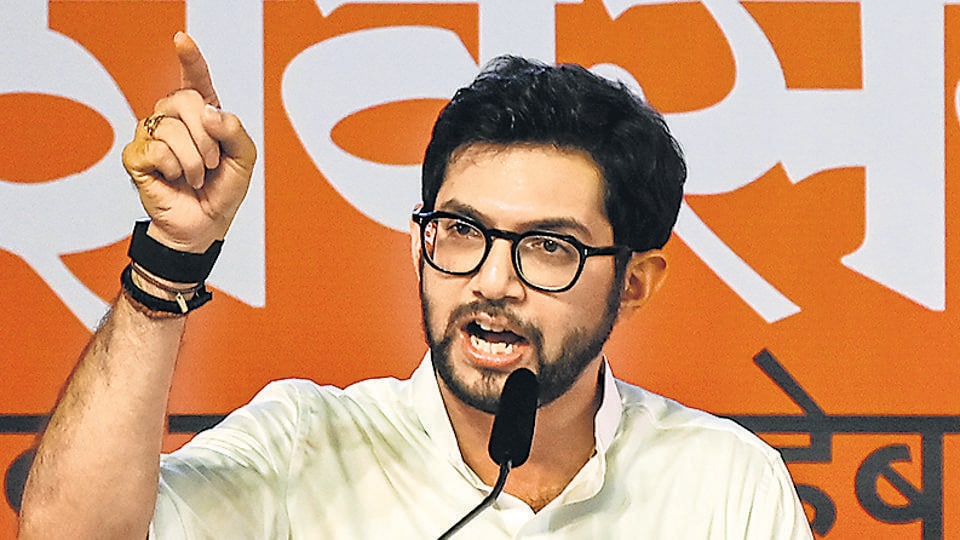
The announcement also triggered a political reaction from the Opposition. Shiv Sena (UBT) leader Aaditya Thackeray criticised the BJP and questioned its approach to the idea of uniformity.
“In terms of Uniformity in ED, IT and CBI acting on everyone in the country, why the ED and IT is going on Champat Rai and Agani Mishra’s House, get everyone under the same act of all your actions also. Also give MPLAND funds to everyone.”
He further said, “it is very premature to talk about let the bill be tabled then we can talk on it.”
A Uniform Civil Code seeks to establish a common set of laws governing personal matters such as marriage, divorce, inheritance, adoption, maintenance and succession for all citizens, irrespective of religion, caste, community or faith.
At present, different religious communities in India are governed by separate personal laws. Hindus, Muslims, Christians, Parsis and other communities follow different legal provisions in matters related to marriage, divorce, inheritance and succession.
If implemented, the Uniform Civil Code would replace these separate personal laws with a single legal framework applicable to all citizens.