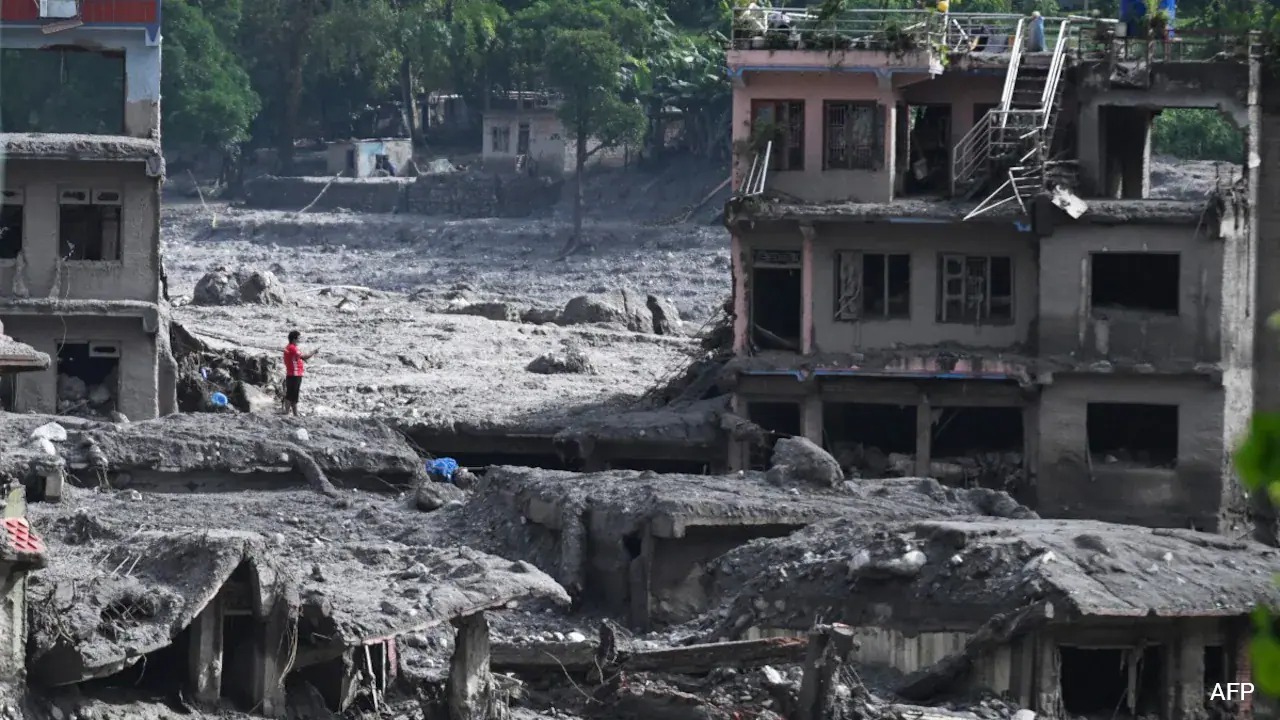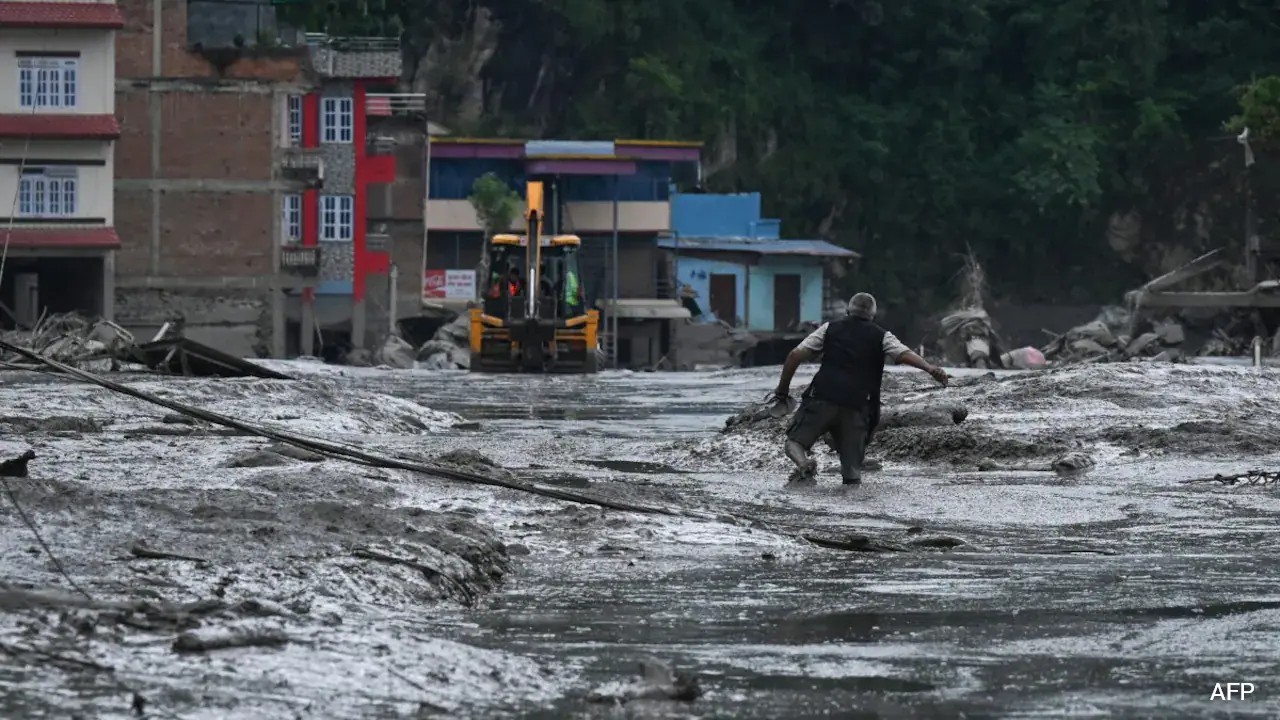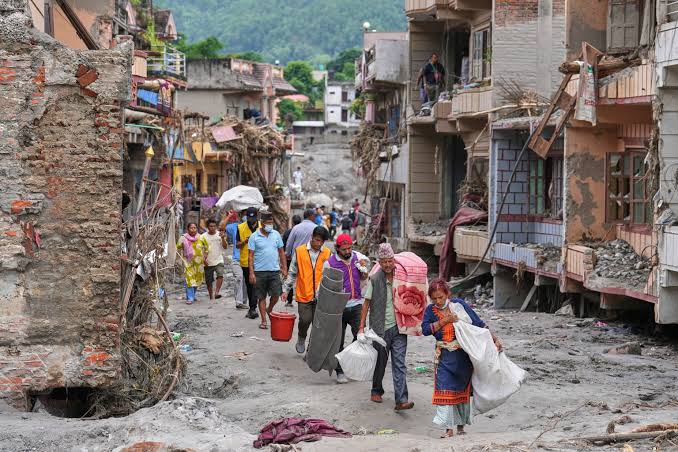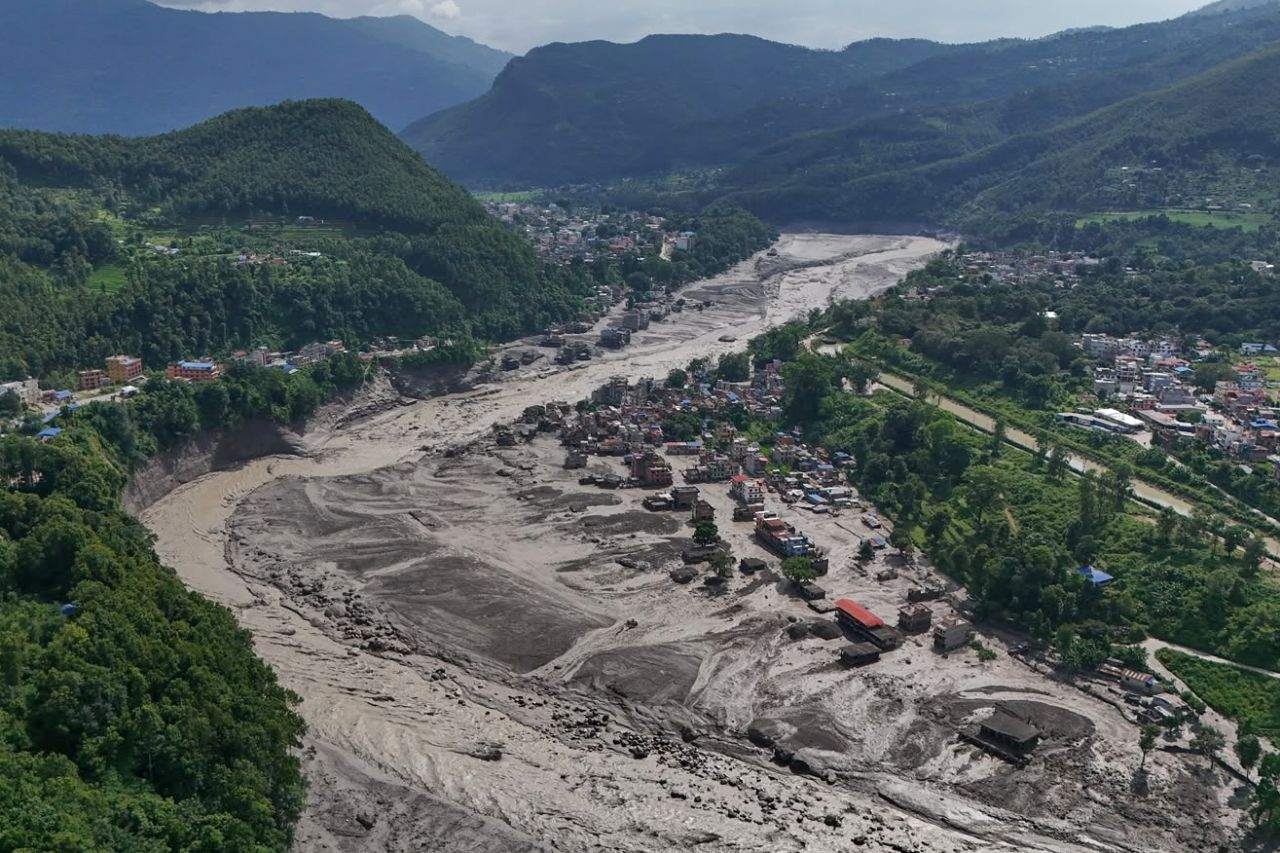
A sudden and devastating flash flood tore through northern Nepal’s Rasuwa district early Wednesday morning, sweeping away villages, roads, bridges and critical infrastructure along the Bhote Koshi River near the Tibet border. At least 17 people are confirmed dead, with nearly 400 others reported missing, including hundreds of tourists, as rescue teams scramble across the remote Himalayan terrain.
The torrent struck around 9 a.m. local time, primarily devastating areas around Syapru Besi and Timure in Rasuwa, a mountainous district of roughly 50,000 people just north of Kathmandu. Floodwaters then surged downstream into the Trishuli River, impacting Nuwakot and prompting high alerts in several other districts including Dhading, Gorkha and Chitwan. Officials described entire settlements being engulfed, with homes, vehicles and market areas in Timure Bazaar and the nearby customs zone left in ruins. The newly rebuilt Friendship Bridge at Rasuwagadhi was among the structures washed away.
Preliminary assessments point to a chain of natural events. Nepal’s Foreign Affairs Minister Shishir Khanal told parliament that an earthquake registered at approximately 8:37 a.m. local time appears to have triggered an avalanche of ice, rock and melted snow that poured into the Bhote Koshi River. Climate and mountain experts from the International Centre for Integrated Mountain Development in Kathmandu have suggested an avalanche from a glacier as a likely trigger, while satellite observations indicated significant rainfall on the Tibetan side. Notably, there was little to no heavy rainfall reported in the affected Nepali areas themselves, leaving residents and officials caught off guard. “There was no rain in Nepal, so we were not expecting anything like this,” said Narendra Pariyar, chief district officer of Rasuwa.
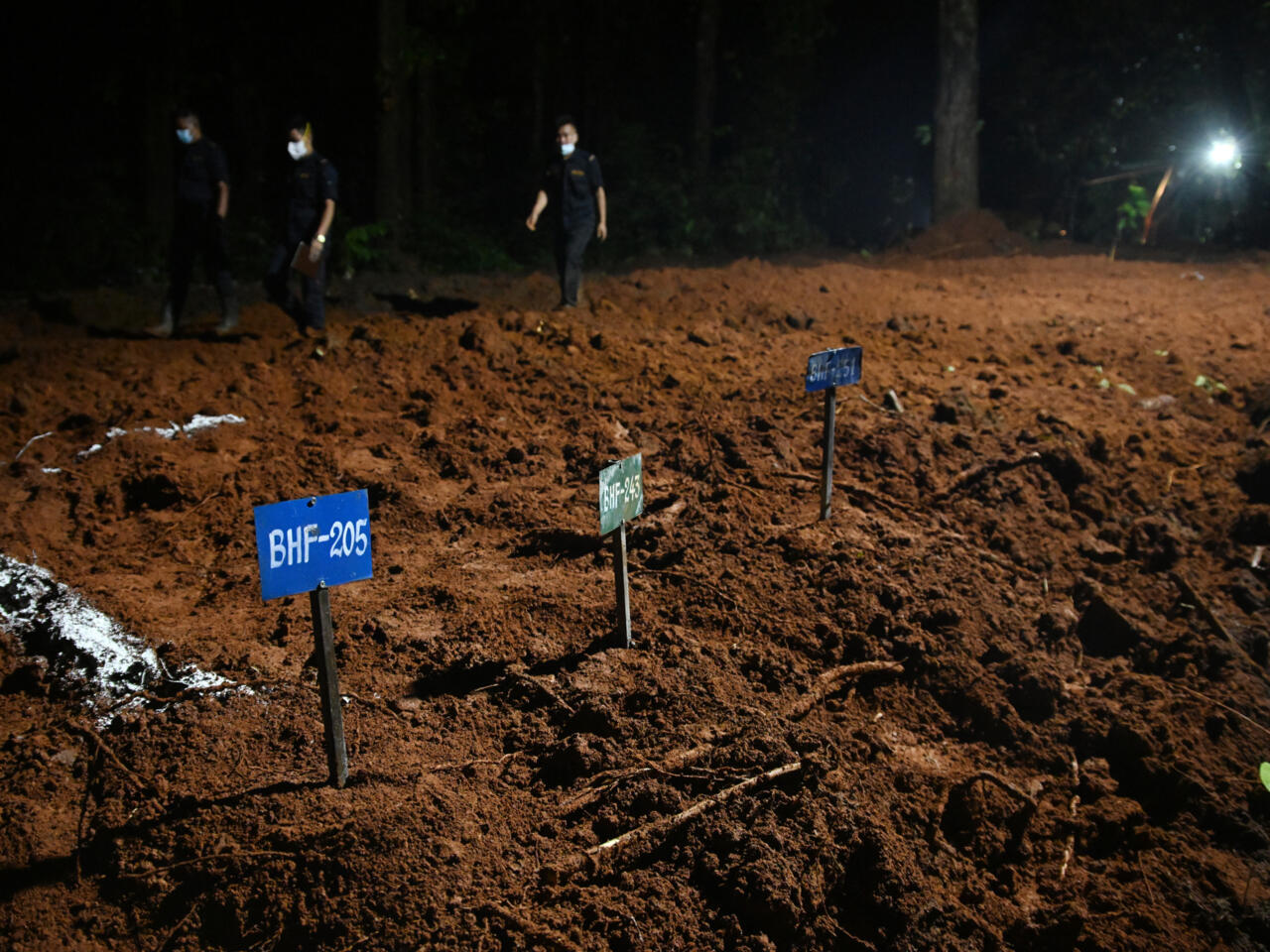
Casualty figures continue to rise as search operations intensify. Nepal Police confirmed that 17 bodies have been recovered across the impacted districts. The Nepal Tourism Board reported that 384 travellers are unaccounted for - 291 foreign nationals and 93 Nepalis, including guides. Among the foreigners are more than 100 Indians, a dozen British citizens, at least three Americans, 17 Malaysians and others whose nationalities are still being verified. Security forces have also suffered losses, with dozens of police, armed police and military personnel listed as missing from posts and border facilities in the area.
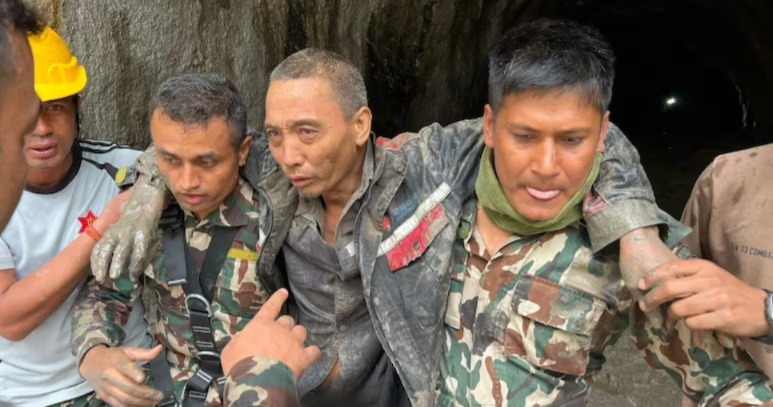
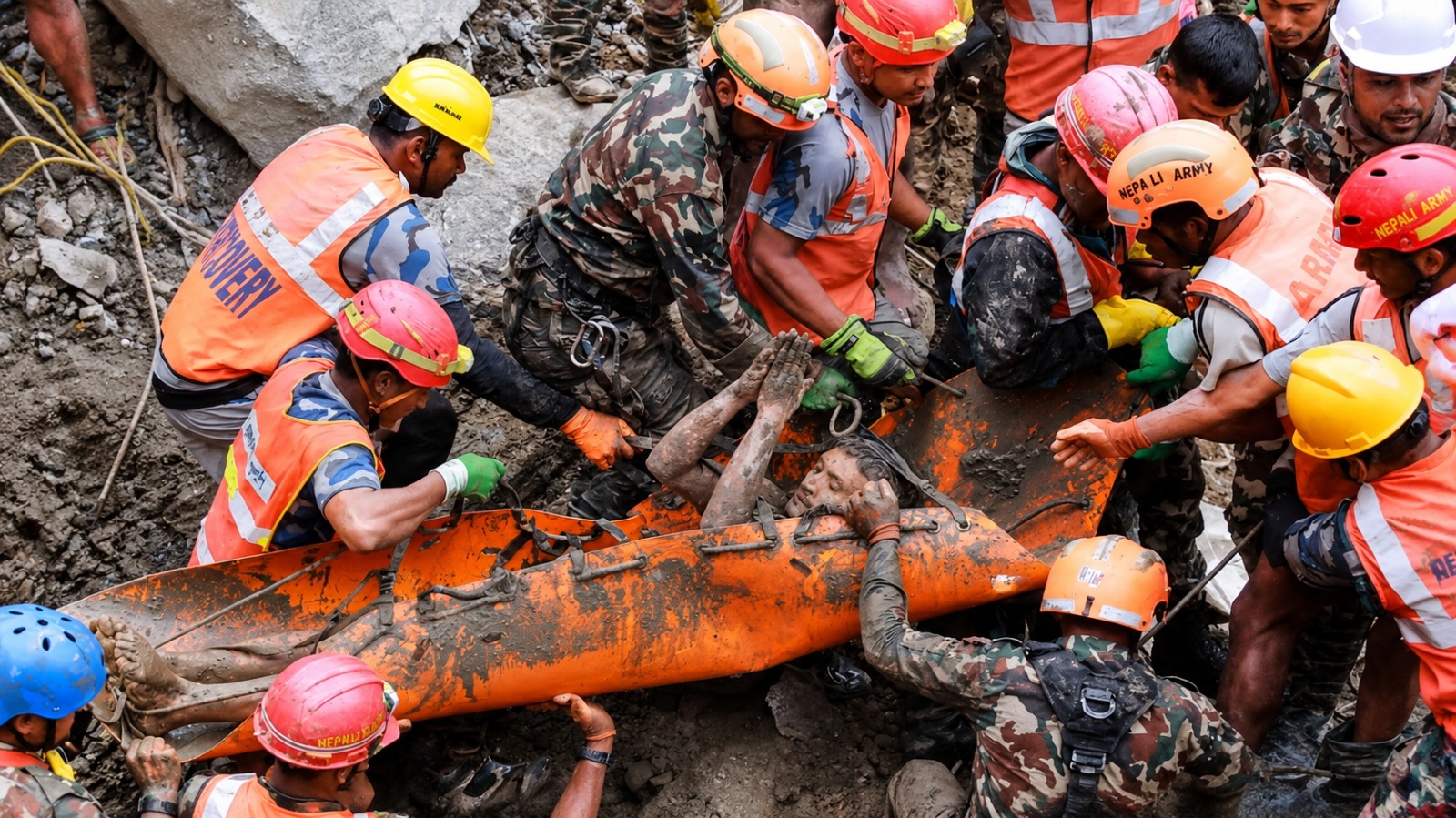
Rescue efforts face severe challenges. The Nepal Army has deployed helicopters and specialized disaster response teams, with reports of dozens already pulled to safety. However, high and debris-filled waters have prevented landings in the hardest-hit zones of Syapru Besi and Timure. Prime Minister Balendra Shah has ordered police and military units to join relief operations and instructed residents in lower-lying areas to move to safer ground. Authorities have appealed for assistance from both India and China.
Across the border, Chinese state media reported major casualties and missing persons in Gyirong County, Tibet, after a mudslide struck a key land crossing. The Gyirong port suffered damage to roads, communications and power links in the Shigatse region. Chinese President Xi Jinping called for all-out search-and-rescue efforts and improved monitoring systems to prevent further secondary disasters. Nepal and Chinese officials are coordinating on both the human toll and the investigation into the flood’s precise origin.
The disaster has also delivered a heavy blow to Nepal’s energy sector. The country’s Energy Ministry and the Nepal Electricity Authority reported that roughly 430 megawatts of generation capacity - more than 12 percent of the nation’s total installed hydropower output of about 3.2 gigawatts - has been disrupted. Multiple operational and under-construction hydropower projects along the affected rivers sustained damage to production, transmission and distribution facilities, causing power outages.
Residents along the Bhote Koshi, Trishuli and Narayani rivers have been urged to stay clear of the banks as water levels remain elevated and the risk of further surges persists. Videos circulating from the scene show bridges collapsing under the force of muddy torrents and multi-storey structures reduced to rubble. Local administrators have warned of potentially heavy additional losses of life and property as the full scale of the destruction becomes clearer.
As dusk falls on August 26, search-and-rescue teams continue working under difficult conditions on both sides of the border. Families of the missing, including those of foreign tourists who were trekking or travelling in the popular border region, wait anxiously for updates. Officials stress that the death toll and the number of people unaccounted for are likely to climb in the coming days as more remote areas are reached and the debris is cleared.