
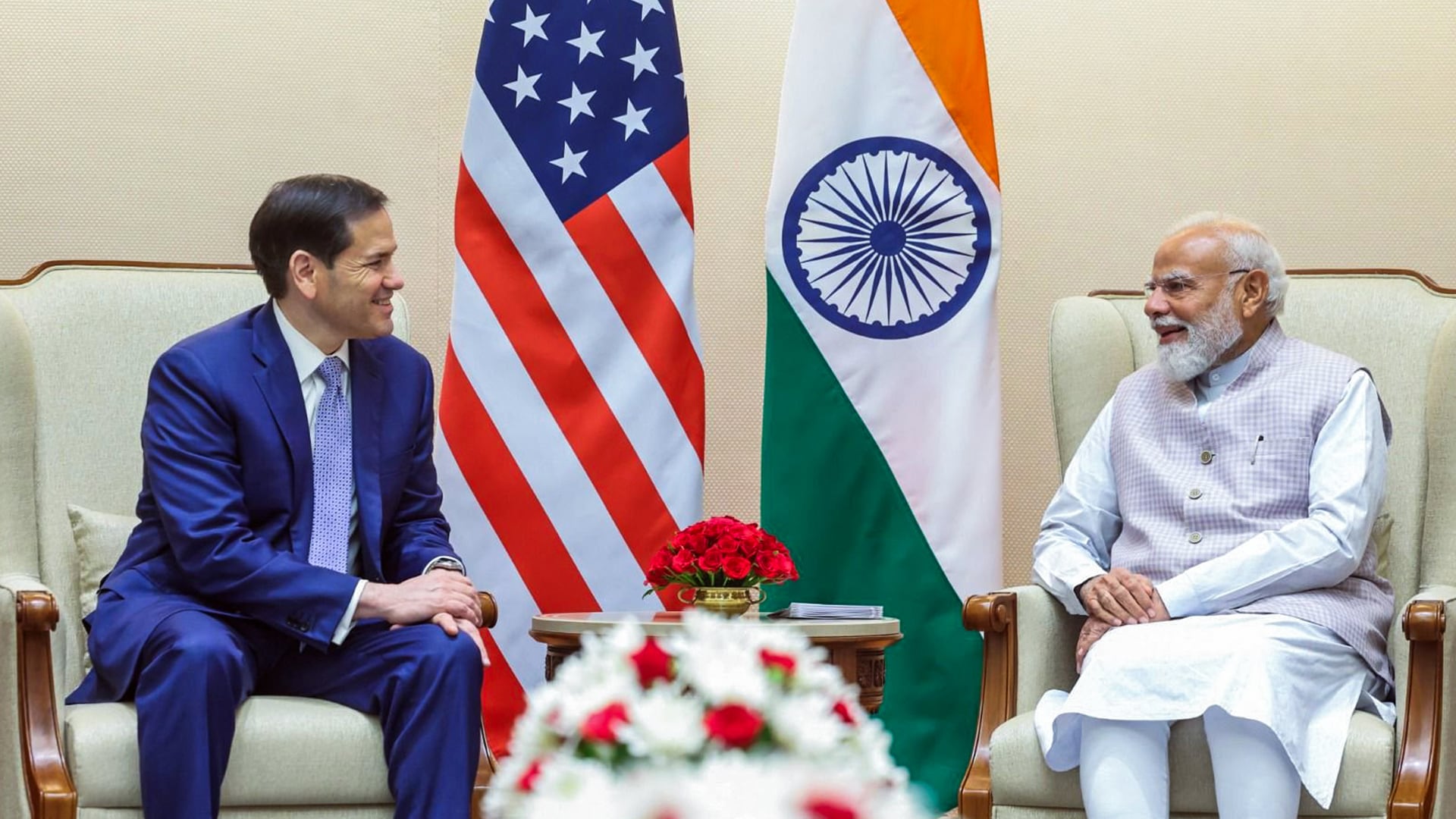
United States Secretary of State Marco Rubio on Saturday met Prime Minister Narendra Modi in New Delhi during his first official visit to India, as both countries attempted to reinforce strategic cooperation while managing tensions over trade, tariffs and foreign policy differences.
The high-level meeting took place on the sidelines of the Quad Foreign Ministers’ Summit and focused on strengthening bilateral ties in defence, trade, technology, energy security and the Indo-Pacific region. Officials from both sides described the discussions as “constructive” and aimed at deepening long-term strategic engagement between the two countries.
Following the meeting, Prime Minister Modi said India and the United States would continue working closely “for global good,” underlining the importance New Delhi places on its partnership with Washington.
Rubio arrived in New Delhi on Saturday after beginning his India visit in Kolkata, where he visited the headquarters of the Missionaries of Charity founded by Mother Teresa. He later travelled to the capital for meetings with Prime Minister Modi and External Affairs Minister S. Jaishankar.
US Ambassador to India Sergio Gor described the talks as productive, saying the two sides discussed ways to deepen cooperation across “security, trade and critical technologies” while advancing the vision of a “free and open Indo-Pacific.”
“We had a productive discussion on ways to deepen the U.S.-India cooperation across security, trade and critical technologies areas that strengthen both our nations and advance a free and open Indo-Pacific,” Gor said in a statement posted on social media.
The visit comes at a sensitive moment in India-US relations under US President Donald Trump and Prime Minister Narendra Modi. While the two countries have significantly expanded defence and strategic cooperation over the past decade, recent disagreements over tariffs, trade policies and India’s ties with Russia have created friction between Washington and New Delhi.
Trade has emerged as one of the most contentious issues in the relationship. The Trump administration had imposed steep tariffs on several Indian products and repeatedly criticised India’s market access policies. In response, Indian officials argued that the measures unfairly targeted a strategic partner.
Another major point of disagreement has been India’s continued purchase of Russian oil and defence equipment despite Western sanctions imposed on Moscow after the Ukraine conflict. The issue intensified last year when the United States imposed an additional 25 percent tariff on Indian goods, effectively raising duties to 50 percent on certain exports.
Following a later meeting between Trump and Modi, the two sides managed to reduce tensions through interim understandings. Trump subsequently announced that India had agreed to gradually reduce Russian oil purchases, after which Washington lowered tariffs on Indian goods to 18 percent. However, negotiations over a broader trade agreement remain unresolved.
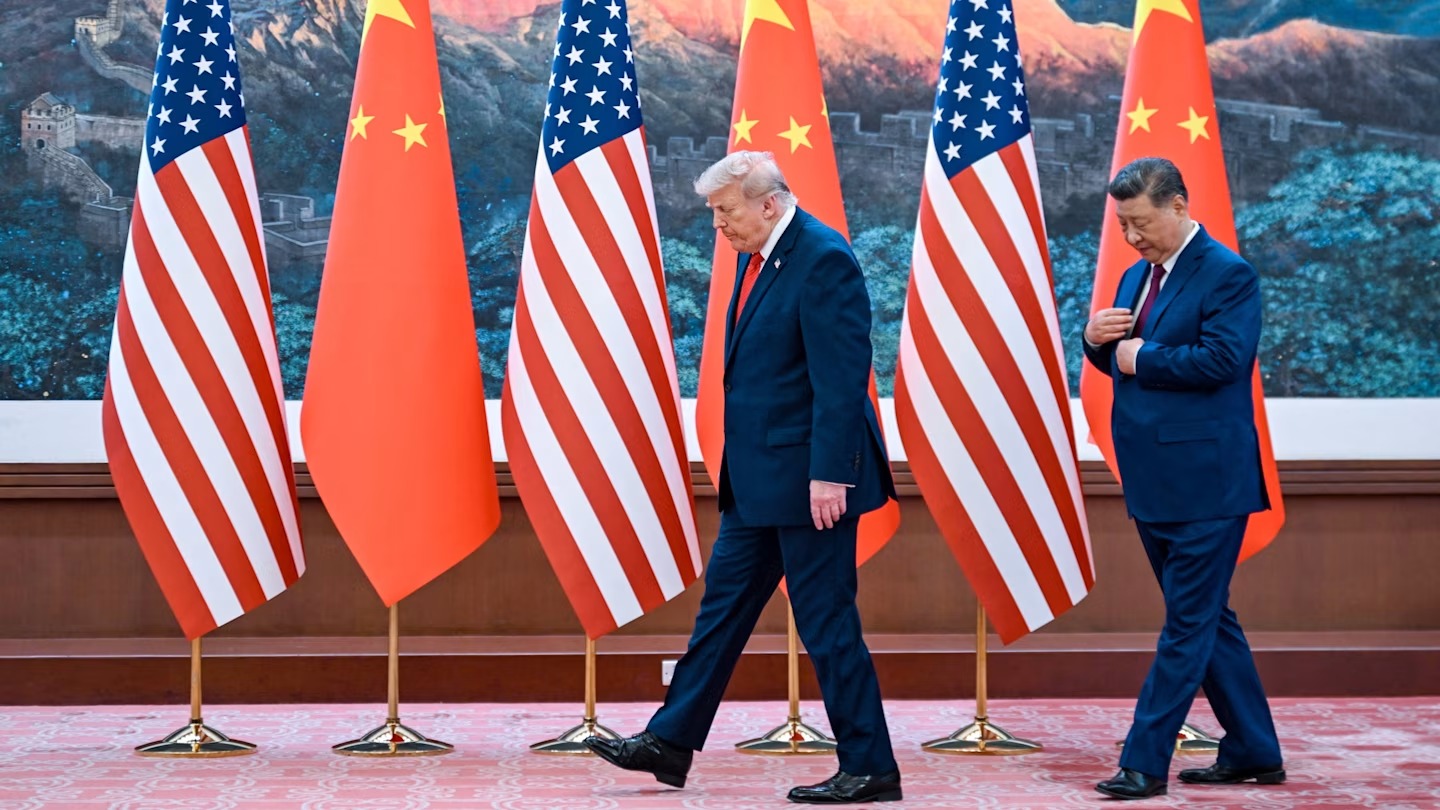
Despite these differences, both countries continue to view each other as critical strategic partners, particularly in the context of China’s expanding influence in the Indo-Pacific region. The United States considers India a key democratic and military partner in Asia, while India continues to rely on American investment, technology partnerships and defence cooperation.
Rubio’s visit is also being viewed as part of Washington’s broader diplomatic outreach to strengthen the Quad grouping — comprising India, the United States, Japan and Australia — amid growing geopolitical competition in the region.
Analysts believe the visit signals an attempt by both governments to prevent trade disputes from overshadowing the wider strategic partnership, which remains central to Indo-Pacific security calculations and emerging technology cooperation.