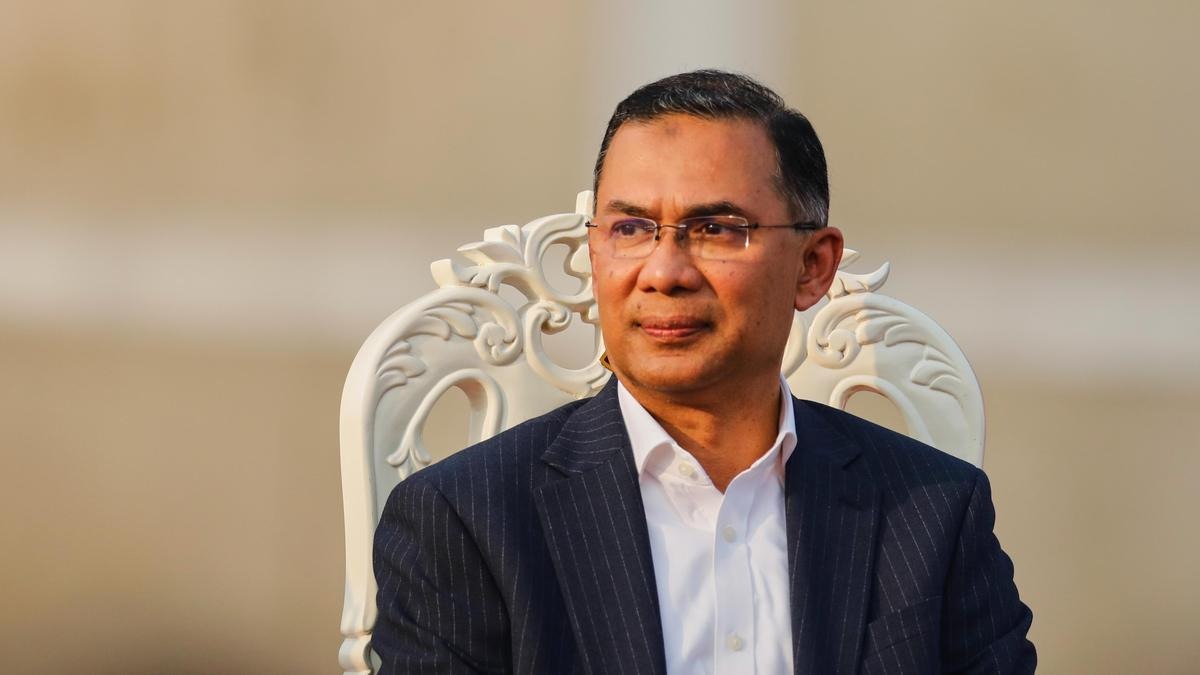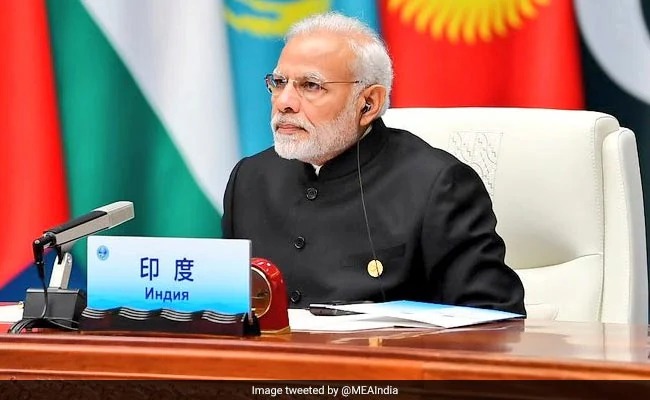
Pakistan on Tuesday formally assumed the rotating chairmanship of the Shanghai Cooperation Organisation, just as Prime Minister Narendra Modi used the grouping’s annual summit to warn that terrorism cannot be treated as a tool of state policy.
The 26th SCO Council of Heads of State meeting in Kyrgyzstan’s capital closed with Islamabad taking the gavel from Bishkek for 2026–27. Pakistan will host the next leaders’ summit in 2027. Prime Minister Shehbaz Sharif, who attended the Bishkek session, said his government would run the chairmanship under the theme “Turning Vision into Action: Connectivity, Innovation and Shared Prosperity,” with priorities including information technology and artificial intelligence, energy, poverty reduction, disaster management, health, culture and sport.
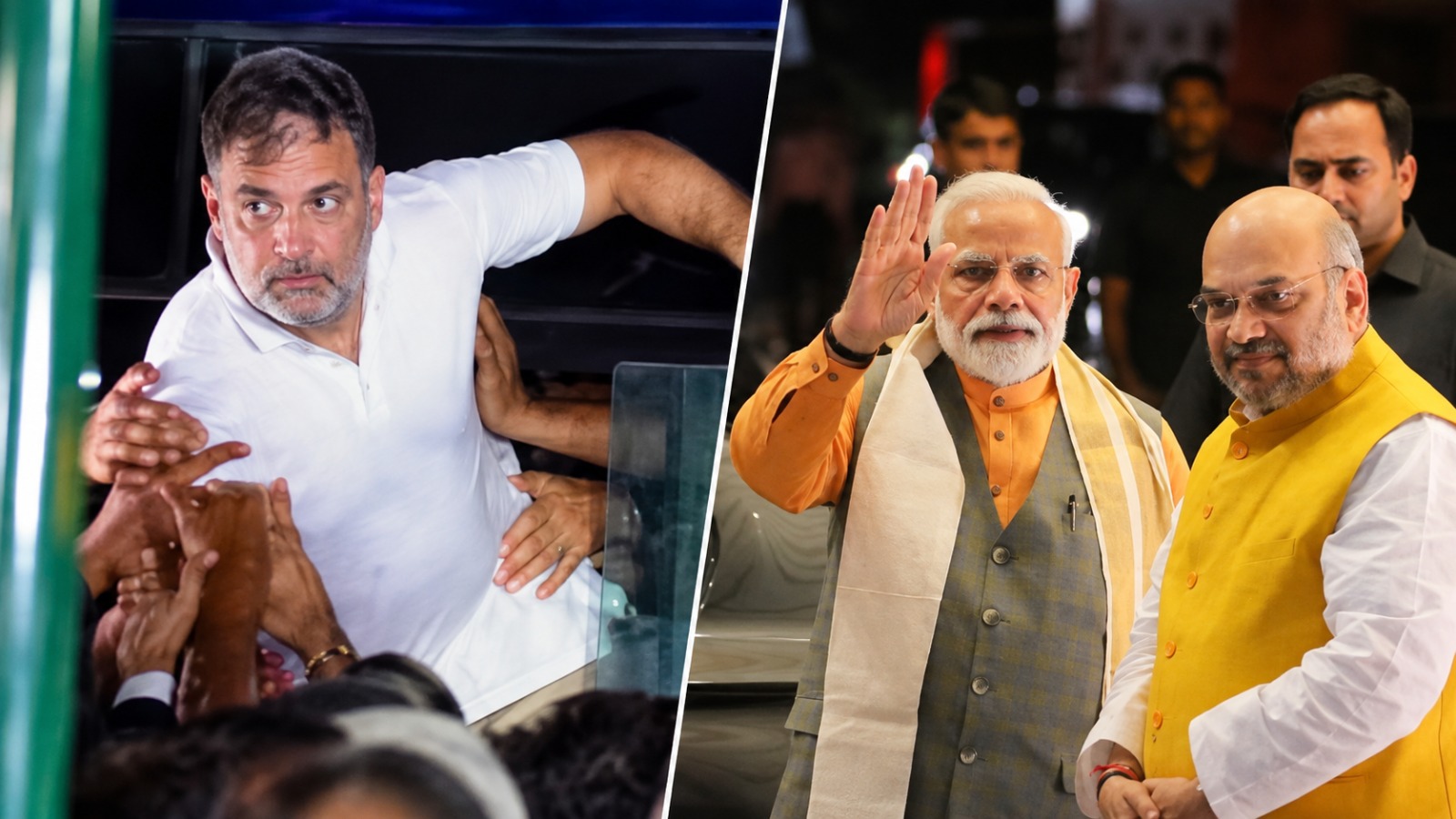
Modi spoke in the same hall as Sharif, Chinese President Xi Jinping, Russian President Vladimir Putin and other SCO leaders. Without naming any country - SCO rules discourage raising bilateral disputes from the floor - he framed terrorism as a test of the organisation’s credibility.
“Terrorism continues to pose a serious challenge to humanity as a whole. In the fight against terrorism, we cannot remain confined to an action-reaction approach,” he said. “We must dismantle the entire ecosystem of terrorist financing, recruitment, radicalisation, and safe havens. We must speak with one voice and make it clear that there can be no place for double standards on this serious issue.”
He added: “We must send a strong message to countries that use terrorism as an instrument of policy and provide safe haven and support to terrorists that terrorism can never be a strategic asset for anyone.”
Indian has long accused Pakistan of sheltering and backing groups that strike Indian targets. Those tensions sharpened after the April 2025 Pahalgam attack and India’s subsequent military response ‘operation sindoor’. New Delhi has not said whether Modi will travel to Islamabad for next year’s summit; officials have said the decision will be taken later by the appropriate authorities.
Sharif, for his part, presented Pakistan as a victim of terrorism as well as a partner in SCO counter-terror work. He said Islamabad remained committed to the Regional Anti-Terrorist Structure and that “terrorism in all its forms and manifestations, including state terrorism, must be condemned in clear and unambiguous terms.” He also argued that water “must never be weaponised” and that treaties on shared rivers must be honoured - language widely read as a reference to the Indus Waters Treaty dispute.
The summit’s Bishkek Declaration tracked much of the language India has pressed for years. Member states “strongly condemn terrorism in all its forms and manifestations,” said “double standards” in the fight against terrorism are unacceptable, and called for action against the cross-border movement of terrorists. They also said attempts to exploit terrorist, separatist or extremist groups “for selfish purposes” were inadmissible. Leaders approved regulations for a Universal Centre for Countering Challenges and Threats to the Security of SCO Member States.
PM Modi tied security to two other pillars he has used for India’s SCO agenda: connectivity and opportunity. Connectivity projects, he said, must respect the sovereignty and territorial integrity of all states - a line New Delhi has used against the China-Pakistan Economic Corridor, which India says runs through territory it claims. He also argued that wars, including the conflict in West Asia, cannot be settled on the battlefield and that their fallout hits energy markets, shipping and the Global South. The handover leaves Pakistan steering a 10-member grouping that includes India, China and Russia at a moment when New Delhi and Islamabad remain far apart on terrorism.