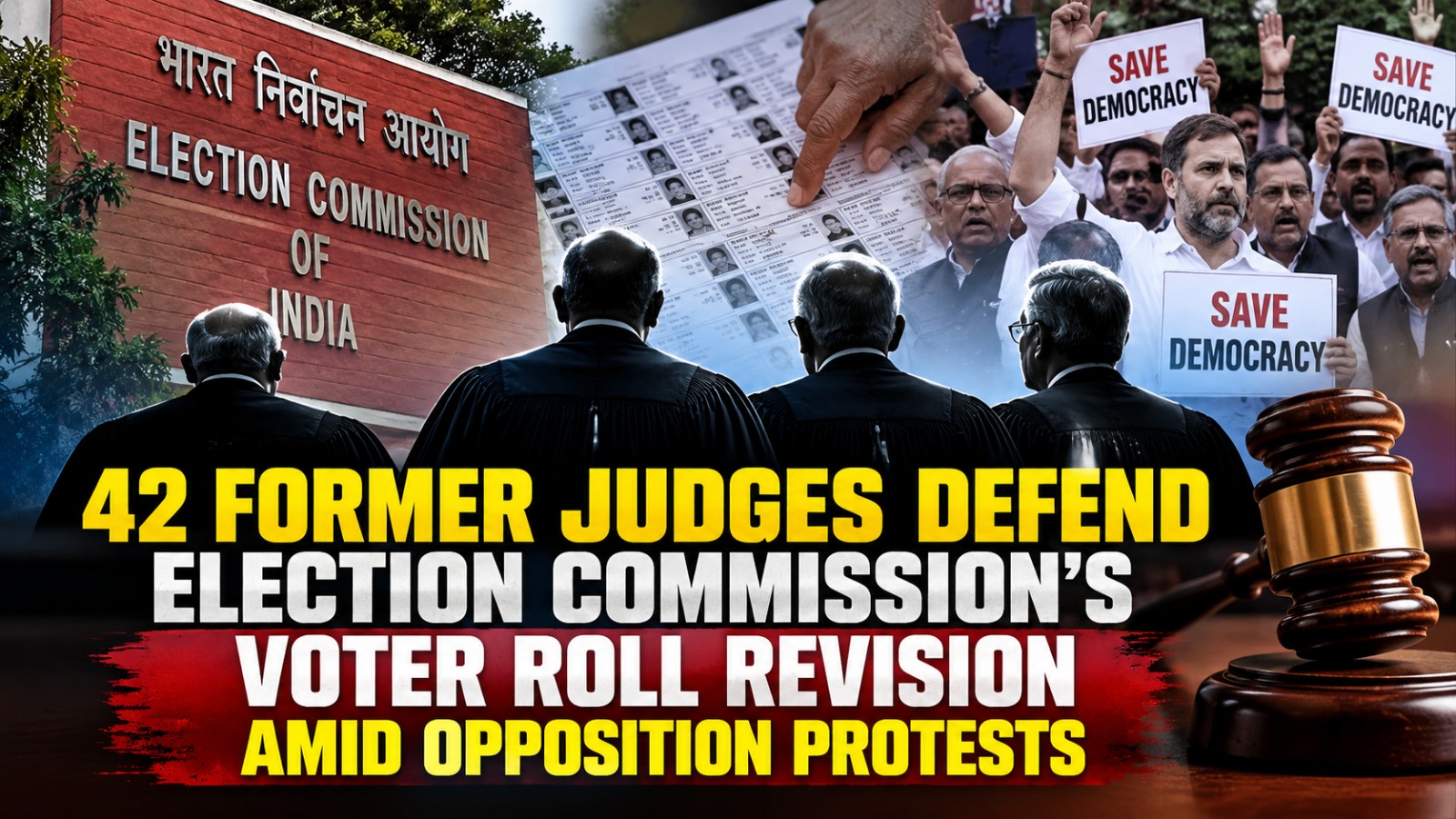
The Election Commission of India on Friday released the final electoral rolls for Uttar Pradesh following the completion of the 166-day Special Intensive Revision (SIR) exercise, revealing that more than 2.04 crore names have been deleted from the state’s voter list. The updated rolls now stand at 13.39 crore electors, down from 15.44 crore before the process began in October 2025 – a net reduction of approximately 13.21 per cent.
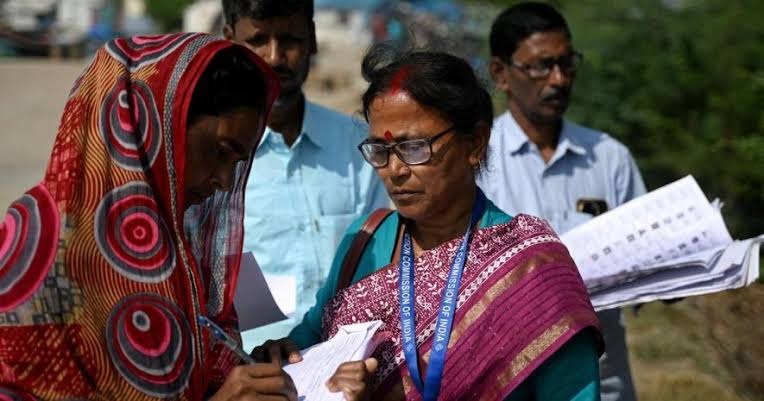
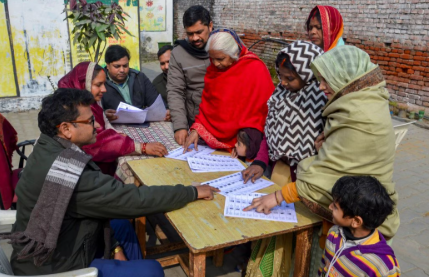
The SIR exercise, aimed at cleaning up the electoral rolls by removing duplicate entries, deceased voters, those who had shifted residences, and unverified names, saw an initial sharper drop in the draft list published on January 6, 2026, when nearly 2.89 crore names were proposed for deletion. Following claims, objections, and door-to-door verifications by booth-level officers, over 84.28 lakh new or reinstated voters were added, moderating the final decline.
Chief Electoral Officer Navdeep Rinwa described the exercise as a thorough verification drive that involved issuing notices to over 3 crore electors whose details could not be mapped or verified against older records. Deletions were primarily attributed to migration, death, and multiple registrations, with officials maintaining that the process ensured greater accuracy ahead of future elections.
A notable aspect of the final rolls is the concentration of deletions in urban and semi-urban districts, where population mobility and verification challenges appear to have been higher. According to data released by the Election Commission, predominantly urban areas accounted for the highest percentage and absolute drops in voter numbers.
Districts with the Highest Net Deletions (Final Rolls vs Pre-SIR Base):
Lucknow: Highest absolute deletions at approximately 9.14 lakh (22.89 per cent decline). The state capital saw its voter count drop from around 39.94 lakh to 30.80 lakh after additions from the draft stage.
Ghaziabad: 5.75 lakh deletions (20.24 per cent).
Kanpur Nagar: 6.87 lakh deletions (19.42 per cent).
Gautam Buddha Nagar: 19.33 per cent decline.
Meerut: 18.75 per cent decline.
Other districts with significant percentage drops included Shahjahanpur (17.9 per cent), Agra (17.71 per cent), Prayagraj (17.62 per cent), Hapur (17.59 per cent), and Kannauj (17.21 per cent). In absolute terms, Prayagraj followed Lucknow closely with over 8.26 lakh deletions, while Kanpur Nagar, Agra, and Ghaziabad rounded out the top five.
Rural districts, particularly in Bundelkhand and eastern Uttar Pradesh, recorded comparatively lower deletions, both in percentage and absolute numbers. For instance, districts like Hamirpur, Mahoba, Lalitpur, Chitrakoot, and Shrawasti saw the fewest removals.
The final rolls also reflect a slight improvement in the gender ratio, with additions of new young voters and women electors helping offset some losses. However, opposition parties have raised concerns over the scale of deletions, questioning whether the process inadvertently affected genuine voters from marginalised or migrant communities. The BJP, on the other hand, has welcomed the exercise as a step towards cleaner electoral rolls.