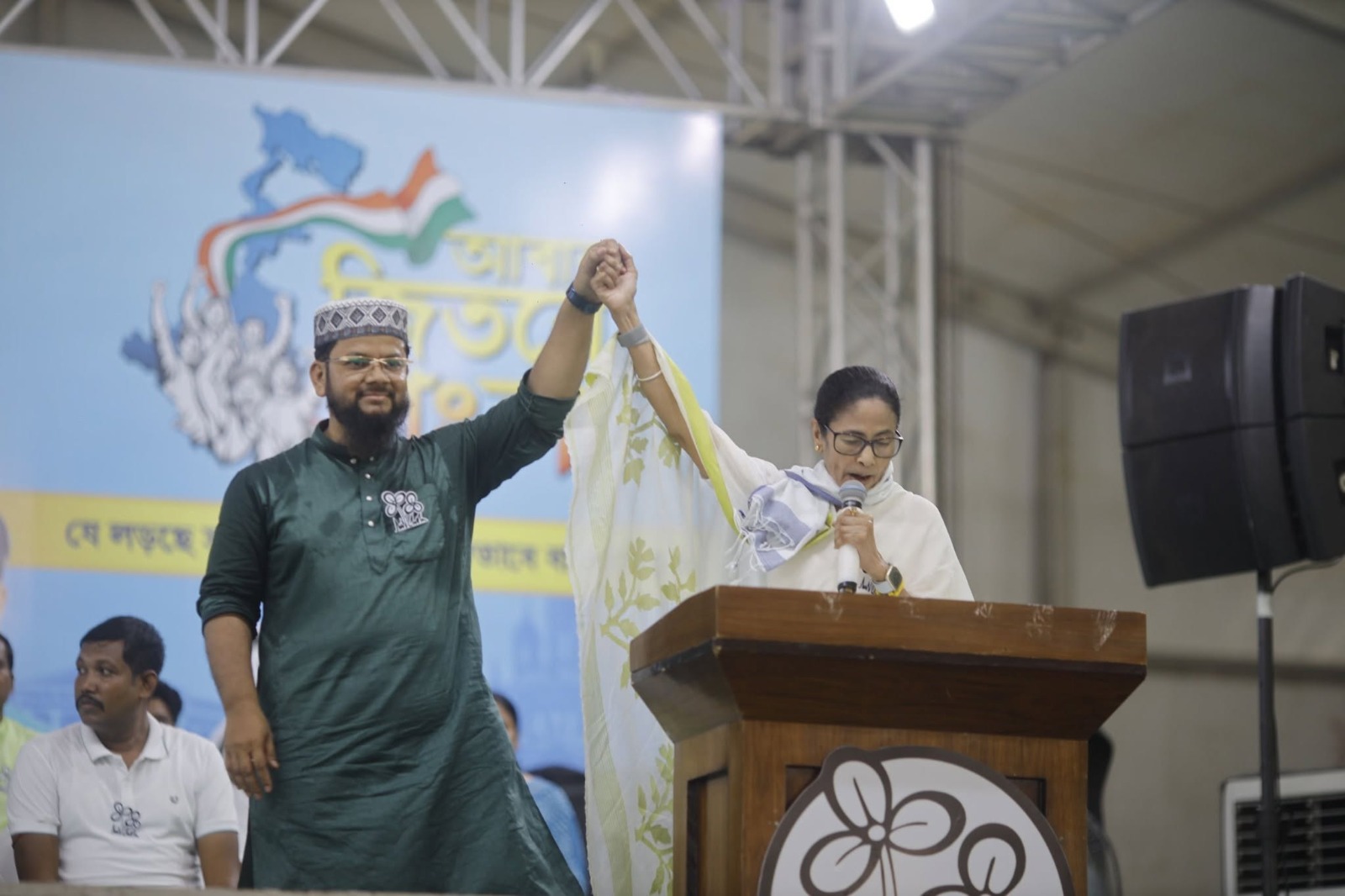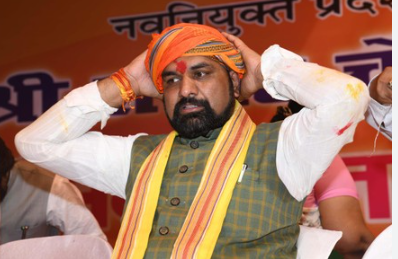
Bihar Deputy Chief Minister and BJP leader Samrat Choudhary has reignited the contentious debate over illegal immigration and voter list purification, drawing a direct parallel between his state’s electoral cleanup and the ongoing political battle in West Bengal. Addressing a public meeting while campaigning for the first phase of the 2026 West Bengal Assembly elections, Choudhary declared that “all infiltrators must be removed” to restore the state’s lost pride and identity.
“So far, we have struck off the names of 22 lakh people and stopped their ration as well in Bihar. We will cancel their driving licenses and other cards as well,” he stated emphatically, framing the action as part of a broader drive against unauthorised entrants, including those allegedly from Bangladesh. Choudhary accused the Mamata Banerjee-led Trinamool Congress government of being “pro-infiltrator” and pledged that a BJP-led administration in Bengal would mirror Bihar’s model by expelling such elements and reviving “Sonar Bengal” (Golden Bengal). He dismissed Banerjee’s “insider vs outsider” rhetoric and promised that any future BJP chief minister would be a “son or daughter of West Bengal.”
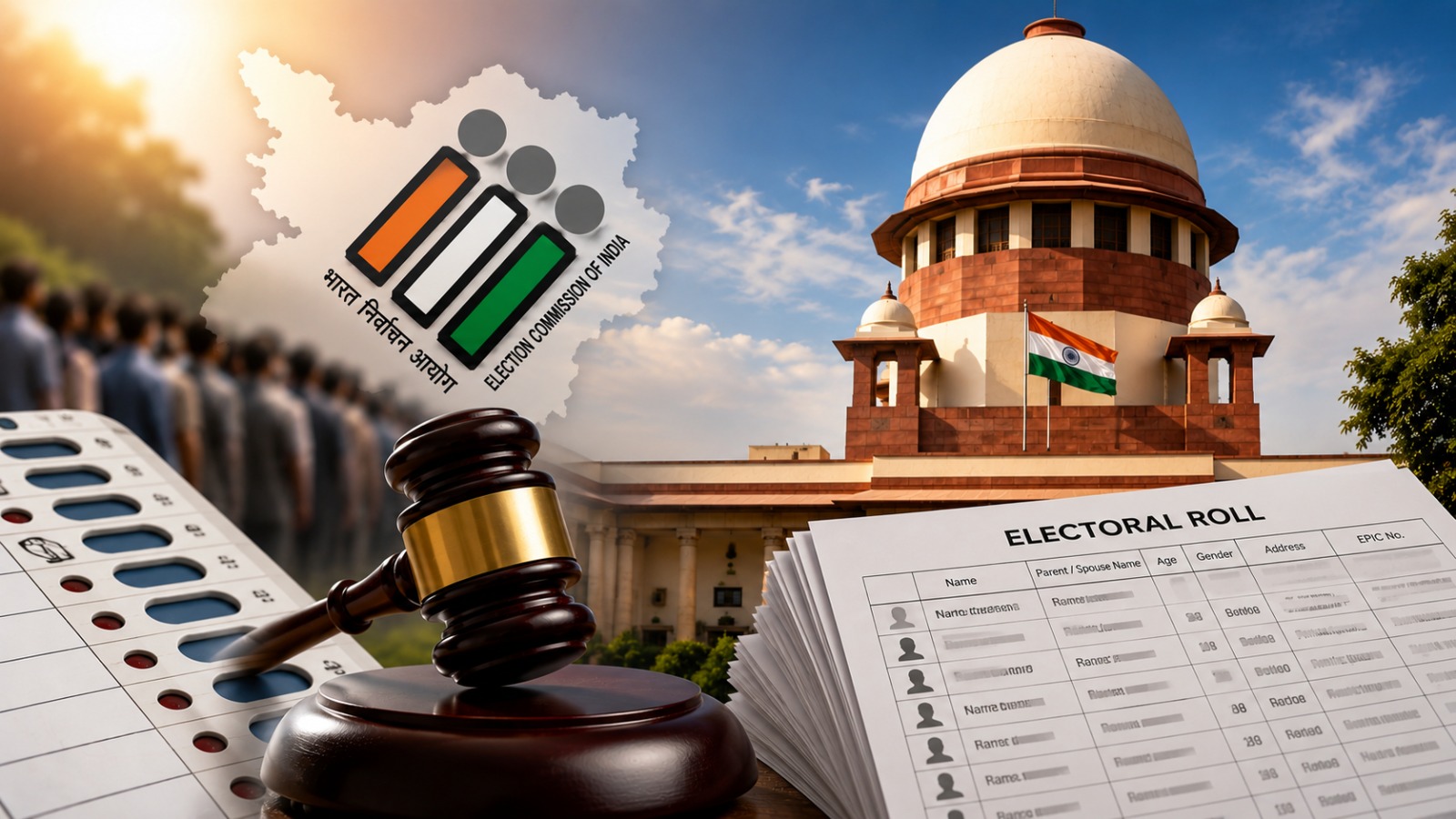
The remarks come against the backdrop of Bihar’s Special Intensive Revision (SIR) of electoral rolls conducted by the Election Commission of India in 2025. Official EC data from that exercise shows that approximately 65 lakh names were initially deleted from the draft voter list, with the 22 lakh figure specifically corresponding to deceased voters. Additional deletions included about 7 lakh duplicate entries and over 35 lakh cases of permanent migration or untraceable individuals. The Commission has maintained that the SIR was a transparent, comprehensive process with 99.8% coverage, aimed at removing bogus, deceased, or relocated voters to ensure electoral integrity. Lists were shared with political parties, and claims/objections were invited.
Choudhary’s statement, however, extends the narrative beyond voter rolls. He explicitly linked the 22 lakh removals to the halting of ration supplies under public distribution schemes and announced forthcoming cancellations of driving licenses and other identification documents. Critics and observers have pointed out a notable irony: while these individuals have been excised from electoral lists and welfare benefits in Bihar, there has been no corresponding large-scale deportation drive. Deportation of foreign nationals requires separate legal proceedings under the Foreigners Act, often involving tribunals and evidence of illegal entry - processes that remain slow and distinct from routine voter or benefit roll cleanups. Many deletions in the SIR were attributed to natural causes like death or internal migration rather than confirmed foreign infiltration.
Choudhary’s intervention is not merely rhetorical flourish; it carries sharp political weight as West Bengal heads into its high-stakes 2026 Assembly polls. The state itself has just concluded its own SIR exercise, resulting in the deletion of nearly 91 lakh names from electoral rolls - a massive 8-10% contraction that has already triggered allegations of targeting minority and refugee communities. With the first phase of voting underway, BJP leaders are aggressively positioning the party as the force that will “clean house” in Bengal, much as it claims to have done in Bihar under the NDA government.
The timing is strategic. By invoking Bihar’s SIR success story - where the final voter list shrank to around 7.42 crore after deletions and additions - Choudhary is drawing a stark contrast with the TMC regime, which opponents accuse of shielding Bangladeshi infiltrators as a captive vote bank. This narrative taps into long-standing concerns over demographic shifts in border districts, illegal immigration, and its alleged impact on jobs, security, and cultural identity. It also amplifies BJP’s national pitch on citizenship verification, even as the absence of mass deportations underscores the gap between electoral housekeeping and actual enforcement of immigration laws.
For the TMC, the statement adds to mounting pressure. Mamata Banerjee has repeatedly warned that SIR-style revisions disproportionately hit genuine voters, especially women and minorities, and has framed them as politically motivated exercises. Choudhary’s rally remarks effectively turn the SIR into a campaign plank, urging Bengal voters to reject the “pro-infiltrator” status quo and opt for decisive action. Whether this resonates with the electorate or backfires by alienating communities remains to be seen, but it has undeniably sharpened the contours of the 2026 contest.
In Bihar, the SIR process faced legal scrutiny, including Supreme Court petitions over transparency, yet the EC defended it as essential for free and fair polls. Choudhary’s extension of the logic to ration cards and licenses signals a multi-pronged administrative crackdown that could serve as a template - if BJP gains ground in Bengal.