Israelis began casting their ballots on Tuesday in a closely watched general election that could decide whether Prime Minister Benjamin Netanyahu remains in power or is replaced by an opposition-led government. Polling stations opened at 7 am local time and are due to close at 10 pm. Around 7.3 million people are eligible to vote in the election to the 120-member Knesset, Israel’s parliament. Exit polls are expected after voting ends, offering the first indication of the outcome. The final count is expected by October 30, with official results due on November 4.
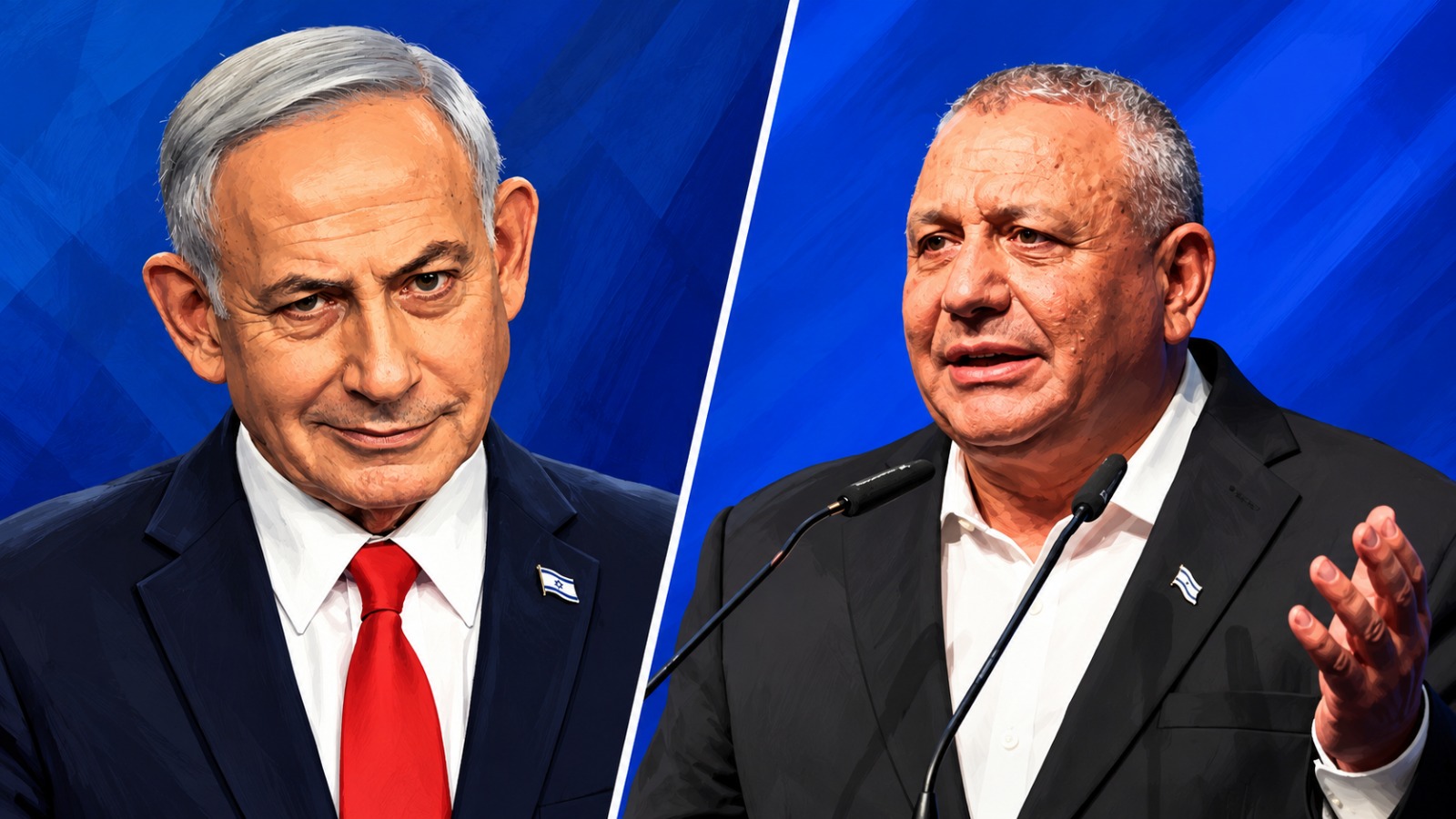
Benjamin Netanyahu, Israel’s longest-serving prime minister, is seeking another term with his right-wing Likud party. His governing camp includes far-right and ultra-Orthodox parties, whose support could prove decisive in determining whether he can form another government. His principal challenger is former military chief Gadi Eisenkot, who leads the centrist Yashar party. Other opposition figures include former prime ministers Naftali Bennett and Yair Lapid, alongside Avigdor Lieberman and Yair Golan. Their ability to coordinate after the election could determine whether an alternative coalition is possible.
The election is Israel’s first since the Hamas-led attack of October 7, 2023, which triggered the war in Gaza and a prolonged period of regional conflict. Netanyahu’s political future is at stake as voters weigh security, accountability for the attack, military-service exemptions and the direction of the country’s government.
Opinion polls published in the final days of campaigning suggested that Benjamin Netanyahu’s bloc could fall short of the 61 seats required to command a majority in the Knesset. The opposition camp also faces difficulties in assembling a viable governing coalition, leaving the outcome uncertain. Under Israel’s proportional representation system, voters choose party lists rather than directly electing a prime minister. Parties must secure at least 3.25 per cent of valid votes to win parliamentary representation. The distribution of seats among smaller parties could therefore prove crucial. Arab-led parties may also influence coalition negotiations, although several mainstream Jewish opposition parties have ruled out joining a government with them.
The aftermath of the October 7 attack remains a central issue, with questions over the government’s security failures and its handling of the subsequent war weighing on the political debate. Voters are also confronting divisions over compulsory military service. Exemptions for ultra-Orthodox Jewish men have become a contentious issue, particularly among Israelis who argue that military obligations should be shared more equally. Other major concerns include the future of Gaza and the occupied West Bank, Israel’s international standing, the economy and disputes over judicial reform and democratic institutions.
The party that wins the most seats will not automatically secure the premiership. After the official results are published, President Isaac Herzog will consult party representatives and nominate the lawmaker considered best placed to form a government. That candidate must negotiate a coalition capable of commanding parliamentary support. If neither Benjamin Netanyahu nor his rivals can assemble a viable majority, Israel could face prolonged political uncertainty, with the outgoing government continuing in a caretaker capacity.