The Centre has asked WhatsApp (Meta) to pause the rollout of its proposed "username" feature in India, citing concerns over cybercrime, impersonation and user safety. In a notice dated July 1, 2026, the government directed the company to submit a detailed explanation within three days and refrain from launching the feature until consultations are completed.
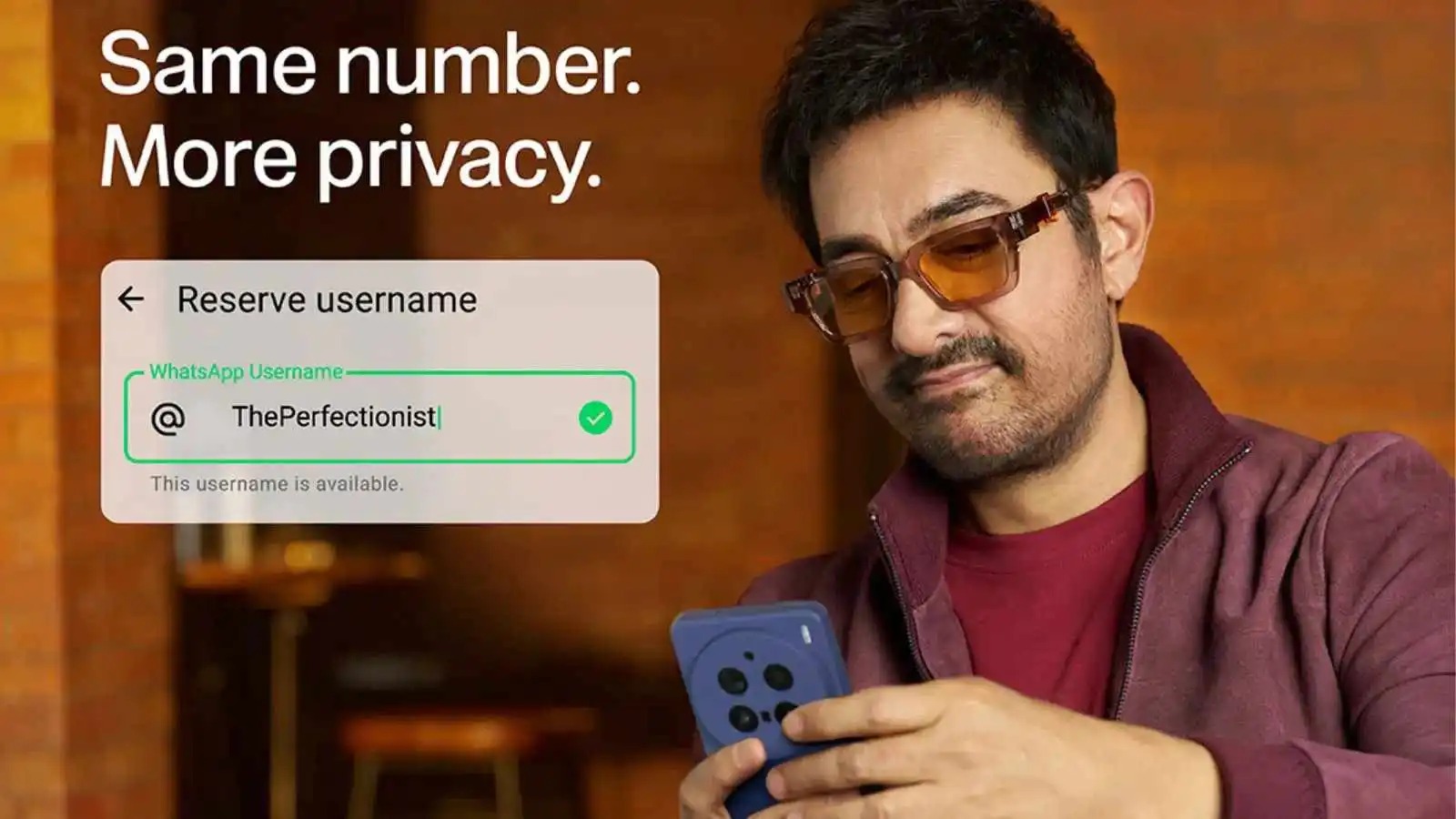
The Ministry said it had taken note of WhatsApp's announcement regarding the phased global rollout of usernames, including in India. According to the notice, the feature would allow users to reserve unique usernames and communicate without sharing their phone numbers.
However, the government expressed concern that the feature could make it easier for cybercriminals to target users.
"It is felt that the feature may materially increase the incidence of online fraud, phishing, digital arrest scams and impersonation attacks, by enabling bad actors to solicit and message victims," the notice said.
The Ministry further warned that the system could enable identity spoofing by allowing usernames that closely resemble those of legitimate individuals and organisations.
"This feature may facilitate impersonation and identity spoofing, including impersonation of individuals, public authorities, financial institutions, and government agencies, by permitting the adoption of usernames closely resembling those of genuine persons or institutions," the notice stated.
Citing provisions of the Information Technology Act, 2000 and the Information Technology (Intermediary Guidelines and Digital Media Ethics Code) Rules, 2021, the government asked Meta to explain why regulatory action should not be initiated over a feature that could potentially increase cybercrime risks.
The notice also directed the company to furnish a "detailed explanation, supported by relevant documents" within three days of receiving the communication.
Until the consultations are concluded, the Ministry instructed WhatsApp "not to roll out this feature until the consultation on this point is achieved to the satisfaction of the Government."
The proposed username feature is designed to let users connect without revealing their mobile numbers, offering an additional layer of privacy. WhatsApp has said users would need to know the exact username to initiate contact and could also enable an optional "username key" to control who can message them.
Responding to the concerns, Meta said the feature is intended to protect users' phone number privacy and includes multiple safeguards against abuse. According to the company, usernames belonging to public figures, government bodies and celebrities have been reserved for their legitimate owners, while lookalike names have also been restricted.
Meta added that the platform has systems to detect impersonation patterns, limit unsolicited messaging from new accounts and display contextual information—such as whether the sender is a new account, a contact, shares common groups or their country of origin—to help users identify potential risks.
The government's scrutiny comes amid a surge in phishing attempts, digital arrest scams and online financial fraud, with authorities evaluating whether the proposed feature could create new vulnerabilities for users in India.