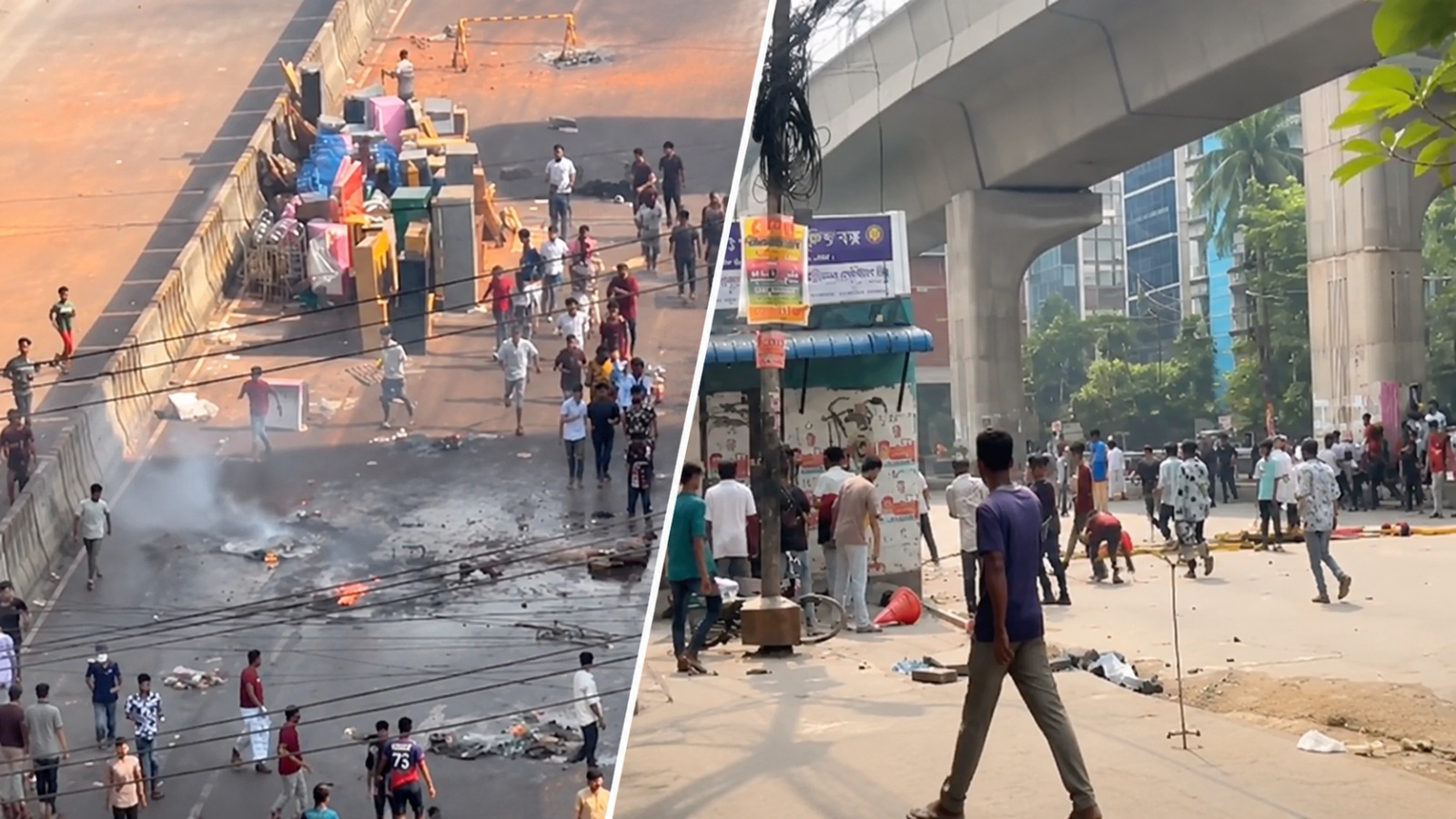
Garment factories in Bangladesh resumed operations on Monday after widespread closures and production disruptions triggered by protests over wages, but tensions remain as workers continue to demand a significant increase in their minimum monthly pay.
Workers are seeking a minimum wage of 30,000 taka ($243), more than double the current 12,500 taka, citing rising living expenses and persistent inflation.
The government has formed a six-member minimum wage board to review the demand. However, the announcement has not immediately resolved the dispute, with demonstrations and road blockades reported in several industrial areas.
The Bangladesh Garment Manufacturers and Exporters Association (BGMEA) said protests had disrupted operations at 529 factories, affecting nearly one million workers.
The unrest has raised concerns about production schedules, export shipments and the country's position in the global apparel market.
Wage demand amid rising living costs
The latest demonstrations reflect growing pressure on garment workers as the cost of essential goods, housing and transportation continues to rise.
Babul Akhter, general secretary of the Bangladesh Garment and Industrial Workers Federation and a workers' representative on the wage board, said garment workers in Bangladesh receive some of the lowest wages in the world.
He called on manufacturers to negotiate better prices with international buyers rather than rely on low wages to sustain their businesses.
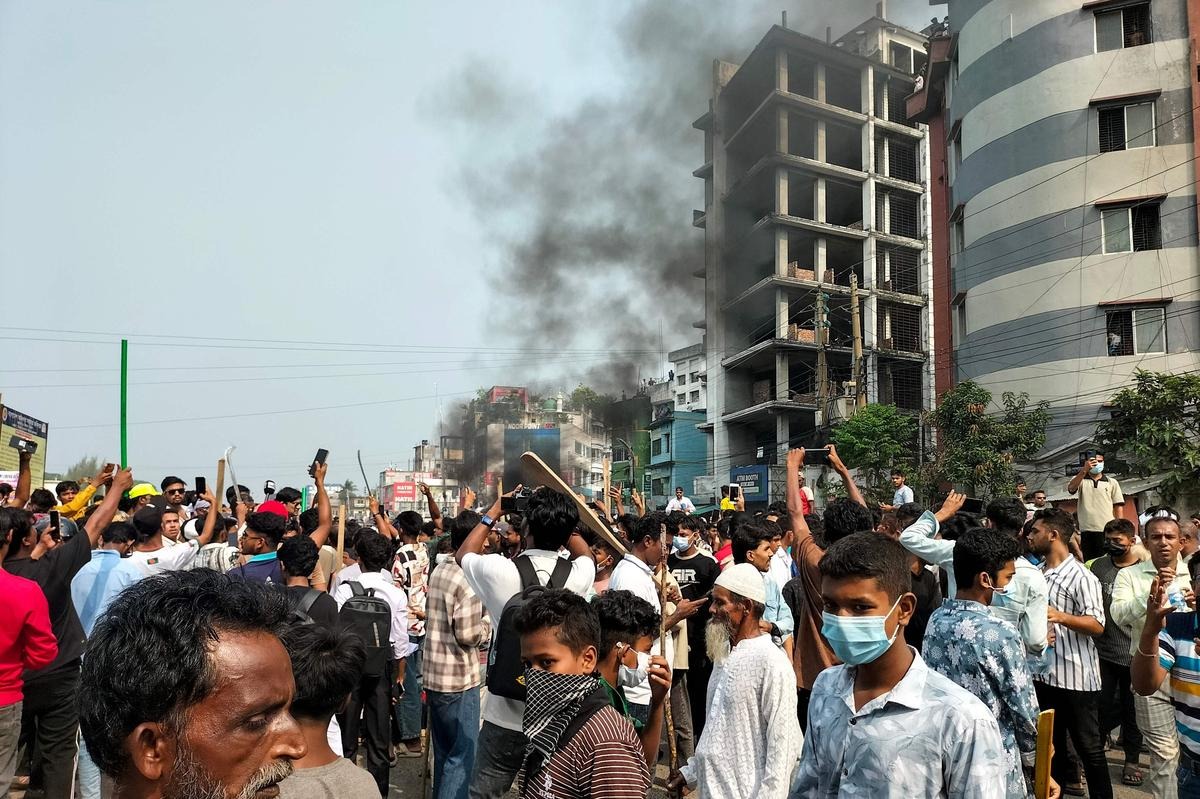
Workers staged protests and blocked roads in Dhaka and surrounding industrial areas on Sunday. Police used tear gas and water cannon to disperse demonstrators in the capital.
The demand for a higher minimum wage has been a recurring issue in Bangladesh's garment sector, which employs millions of people and supplies clothing to major international brands.
Government sets up wage board
The government announced the formation of a six-member minimum wage board on Sunday, November 1, following discussions involving workers' representatives, labour leaders and factory owners.
The board has been tasked with reviewing the existing salary structure and recommending a revised minimum wage for garment workers.
Labour and Employment Minister Ariful Haque Choudhury urged workers to return to their workplaces and allow the review process to proceed.
The announcement came as protests continued in major industrial hubs, including Dhaka and Gazipur, where road blockades disrupted traffic and factory operations.
Manufacturers warn of further disruption
Garment manufacturers have expressed concern over the potential impact of prolonged unrest on production and export commitments.
The industry is already facing higher production costs, energy-related uncertainty and slowing demand in key export markets.
BGMEA president Mahmud Hasan Khan said the formation of the wage board was a step towards addressing workers' demands and called for the review process to continue.
He also warned that factories forced to shut down because of further protests could invoke the “no work, no pay” provision.
Manufacturers say prolonged closures could delay shipments and payments from international buyers, affecting the financial position of factories and workers alike.
A crucial sector for Bangladesh's economy
The ready-made garment industry accounts for more than 80% of Bangladesh's export earnings, employs around four million people and contributes approximately 10% to the country's gross domestic product.
Bangladesh is the world's second-largest apparel exporter after China, making the sector a major source of foreign exchange and employment.
The latest wage dispute has therefore drawn attention beyond factory workers and manufacturers, with concerns over its potential impact on the country's export performance and competitiveness.
Economists have said that while higher wages could improve workers' living standards, a substantial increase could also raise production costs and place pressure on exporters.