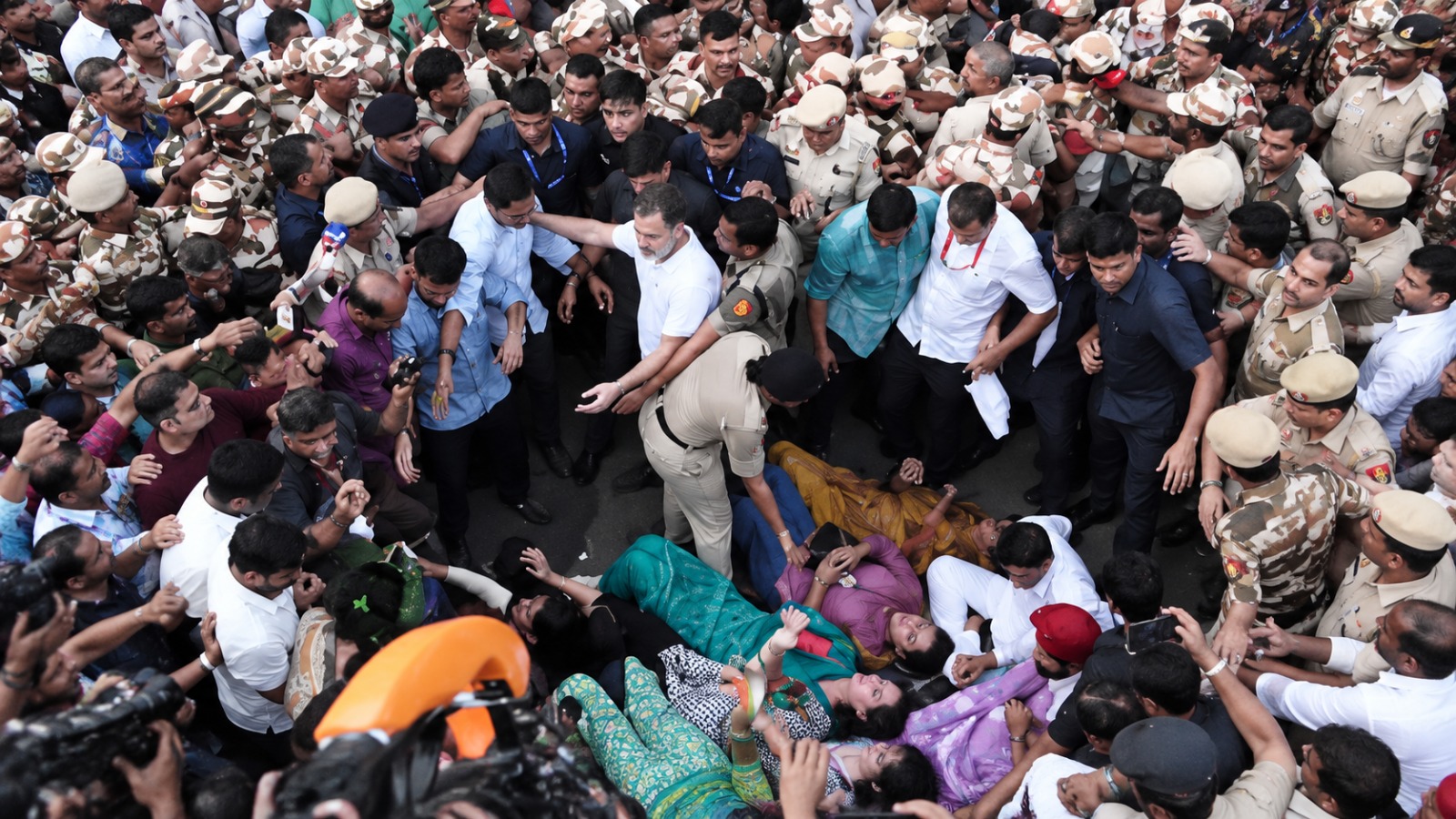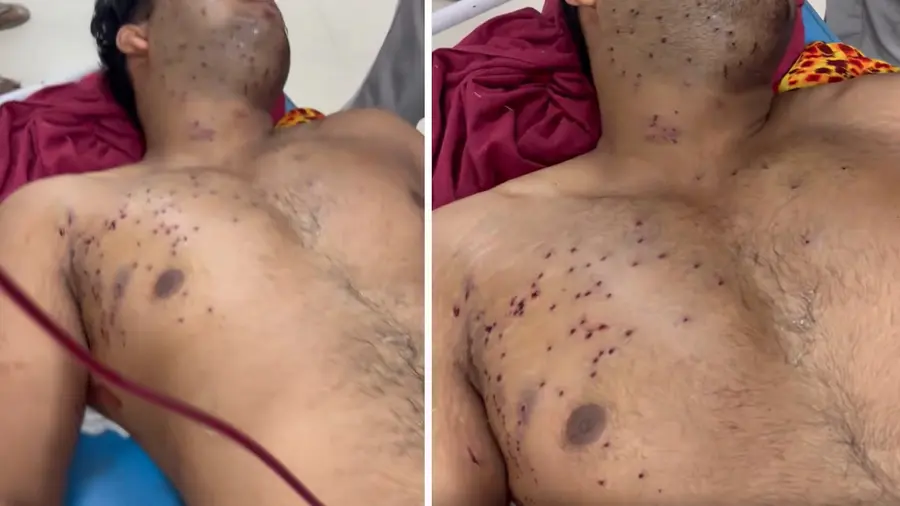
The alleged firing of pellet guns by security forces during the Cockroach Janta Party (CJP)-led “Sansad Chalo” march on July 20 has escalated into a major political and public controversy. Protesters, including students, claimed they were hit by pellets near Connaught Place while attempting to march from Jantar Mantar towards Parliament. Medical records from government hospitals have documented pellet injuries in multiple cases, even as Delhi Police has repeatedly denied using such weapons. The Central Reserve Police Force (CRPF), whose Rapid Action Force (RAF) unit was deployed alongside Delhi Police, has launched an internal verification and post-event analysis. The issue dominated discussions in Parliament on Monday, with Leader of the Opposition Rahul Gandhi presenting an injured student to the media and the Opposition demanding accountability.
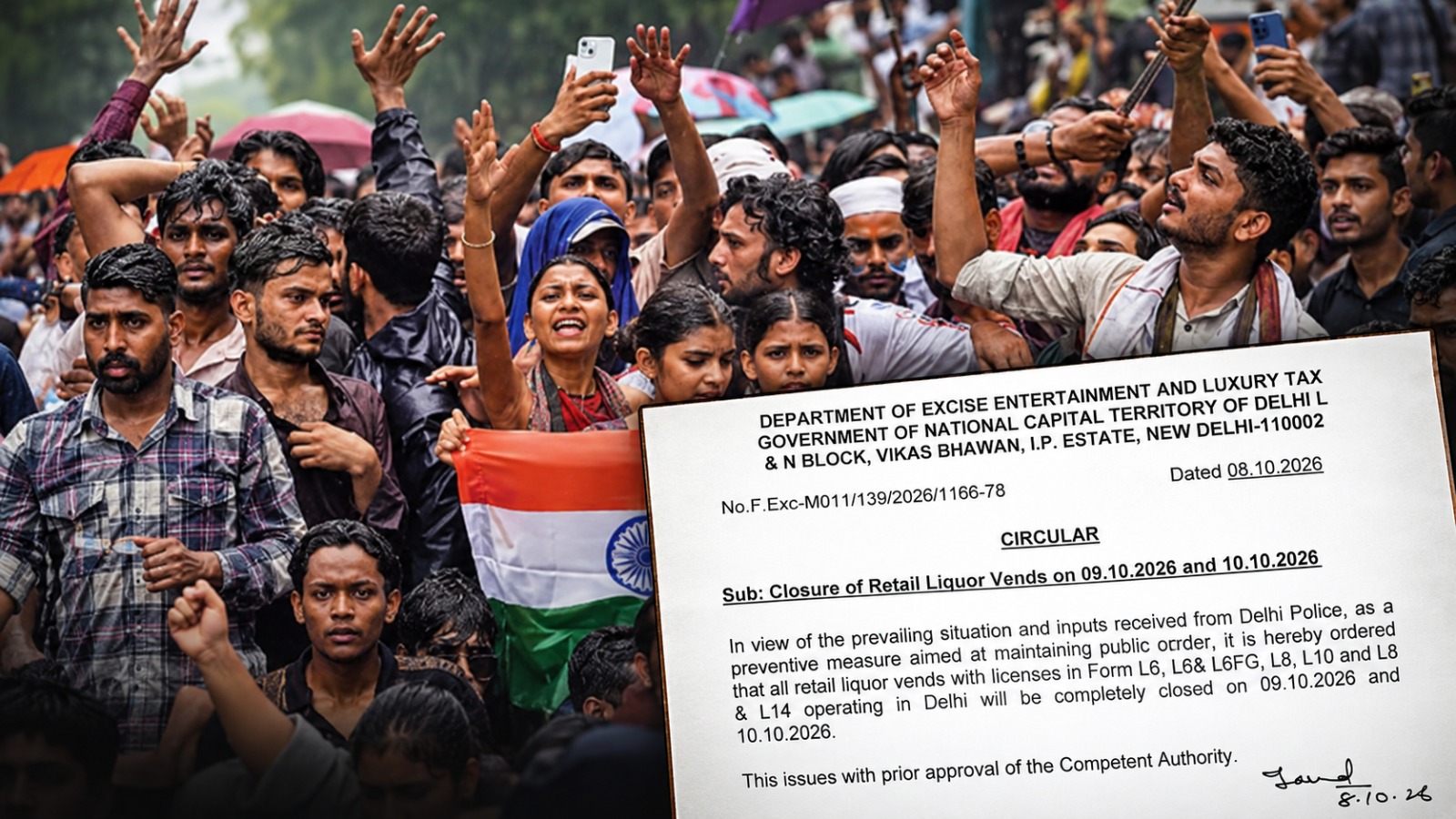
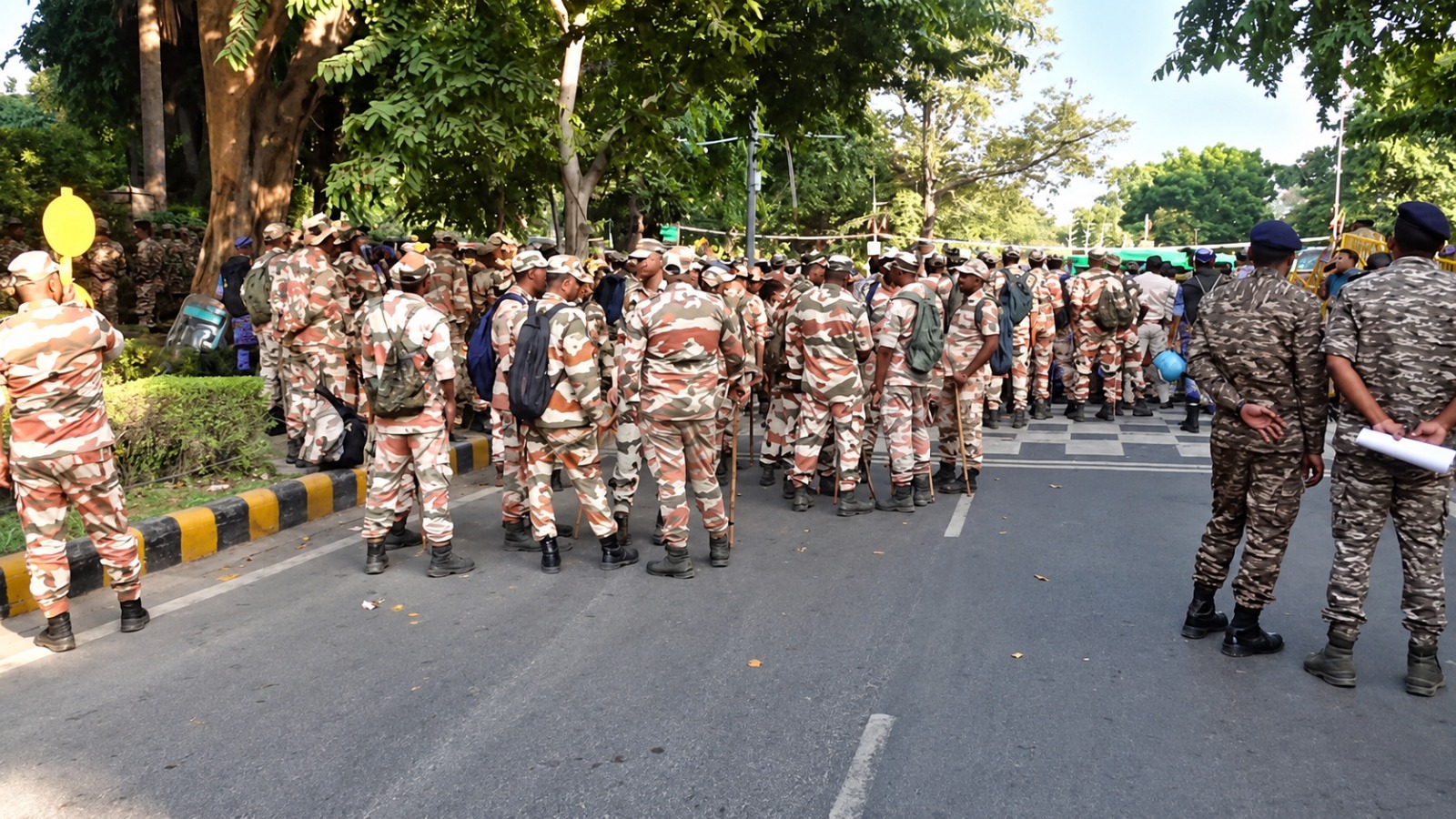
The Sansad Chalo march formed part of a broader youth-led agitation against irregularities in competitive examinations, particularly the NEET paper leak, and sought the resignation of Union Education Minister Dharmendra Pradhan. Estimates of participation ranged from tens of thousands. Protesters moved from the ongoing sit-in at Jantar Mantar toward Parliament on the opening day of the Monsoon Session. Clashes erupted as security forces sought to prevent the advance. Reports described the use of tear gas, baton charges, and, according to several injured participants and their medical papers, pellet guns—particularly in the Connaught Place and Palika Bazar area.
At least three individuals treated at government hospitals reported injuries consistent with pellets. Nineteen-year-old Sahil Lochab, a Delhi University School of Open Learning student from Najafgarh preparing for competitive exams including police recruitment, sustained multiple pellet wounds, including one that pierced his right eye and caused corneal damage. Doctors at AIIMS Trauma Centre, where he underwent surgery, informed the family of a very low chance of vision recovery in that eye. Lochab and his family said he was holding or waving the national flag when he was struck around mid-afternoon near Connaught Place. He was initially taken to Lady Hardinge Medical College before being shifted through other hospitals to AIIMS.
Another protester, 25-year-old Shaikh Irshad Mansoori (also referred to as Sheikh Irshad Mansuri), a Gurugram resident originally from Jabalpur, suffered numerous pellet injuries to the face, neck, and upper body. A source at Lady Hardinge Medical College confirmed pellet wounds; doctors removed several pellets, though one remained lodged near a major blood vessel in the neck. Mansoori’s associates alleged an RAF personnel in uniform fired near Palika Bazar. An Outlook journalist covering the events also reported pellet-like injuries documented in medical records. Around 80 protesters overall were reported injured in the police action, with some security personnel also hurt.
Delhi Police issued strong denials. In statements on X and to media, the force said claims of pellet-gun use by its personnel against peaceful protesters were “completely false and misleading,” adding that Delhi Police neither possesses nor used such weapons. It urged the public not to circulate unverified content and warned of action against misinformation.
Pellet guns (also called pump-action guns or Projectile Attack Guns) and shock batons form part of the standard riot-control equipment of the RAF, the CRPF’s specialised anti-riot unit deployed with Delhi Police on July 20. According to officials familiar with procedures, the standard operating procedure restricts their use to extreme situations involving grave threat to personnel, preferably with deflectors to direct projectiles toward the lower body and minimise serious injury. Critics of their deployment in this case pointed to injuries concentrated on the face, neck, and upper body, and to the fact that this appears to be the first widely reported instance of such weapons being used against civilians in Delhi.
The CRPF has not issued a definitive public confirmation or denial of pellet use. Officials stated the force is verifying media reports and reconstructing the sequence of events involving RAF teams. An internal inquiry or post-event professional analysis has been ordered to examine whether pellets were fired, under what circumstances, and whether actions aligned with graded response protocols. CRPF Director General Gyanendra Pratap Singh later indicated a formal post-analysis would follow once the broader agitation settled. Reports also noted that 47 RAF personnel sustained injuries during the related deployments. The Ministry of Home Affairs had not issued a detailed clarification on the force used as of the latest updates.
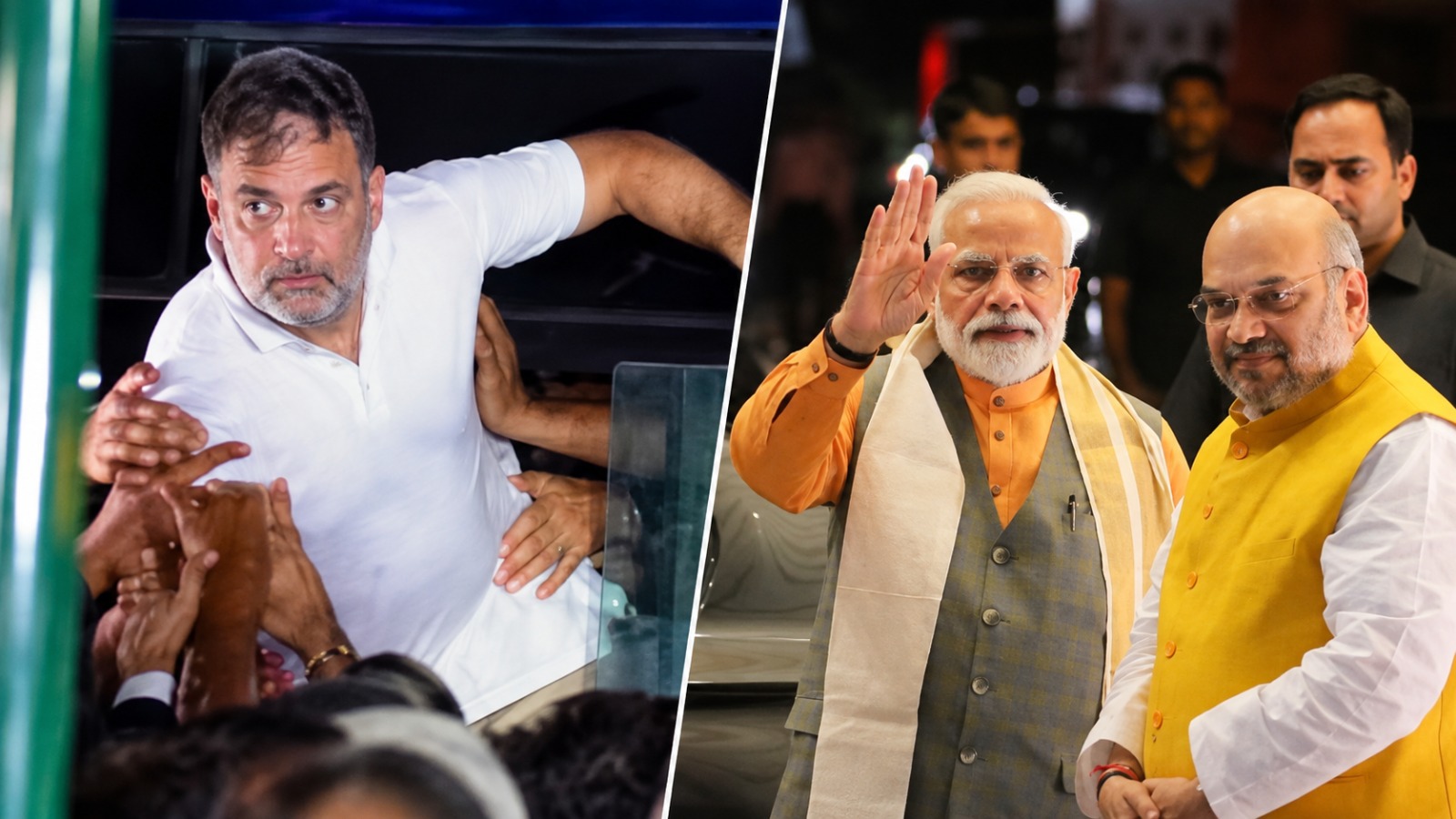
On July 24, Rahul Gandhi held a media briefing outside 10 Janpath accompanied by Sahil Lochab. Gandhi lifted the student’s T-shirt to display injuries on his torso and stated that Lochab’s eye had been damaged. He said protesters were holding Indian flags when forces allegedly fired pellets and described the action as inhuman. “People are saying that pellet guns were used, I show when they were used… this is inhuman. See his injuries. His eye is damaged,” Gandhi said, according to accounts of the briefing. He accused the government of lying about the incident, demanded the removal of the education minister, action against those who used force, and an apology from the Prime Minister. Gandhi later wrote to Home Minister Amit Shah seeking answers on whether the use of lethal or semi-lethal force, including pellet guns, had been authorised and who was responsible for plain-clothes personnel seen in videos of the clashes.
The controversy has triggered widespread public criticism over the use of weapons long associated primarily with conflict zones such as Kashmir, where their severe ocular and other injuries have been extensively documented. Opposition parties have treated the episode as a test of accountability for crowd-control methods. On Monday, July 27, the issue was set to feature prominently in Parliament. Notices for discussion were submitted, and Opposition leaders planned coordinated efforts to demand answers from the government on the authorisation of force and the treatment of student protesters.
Medical documentation, victim testimonies, and video footage circulating from the Connaught Place area have kept the allegations alive despite official denials from Delhi Police. The CRPF’s internal examination continues, and the broader political debate over appropriate force in handling student-led protests remains unresolved. The episode has also revived longer-standing questions about the legality, proportionality, and long-term consequences of pellet guns as a “non-lethal” crowd-control tool in civilian settings across India.