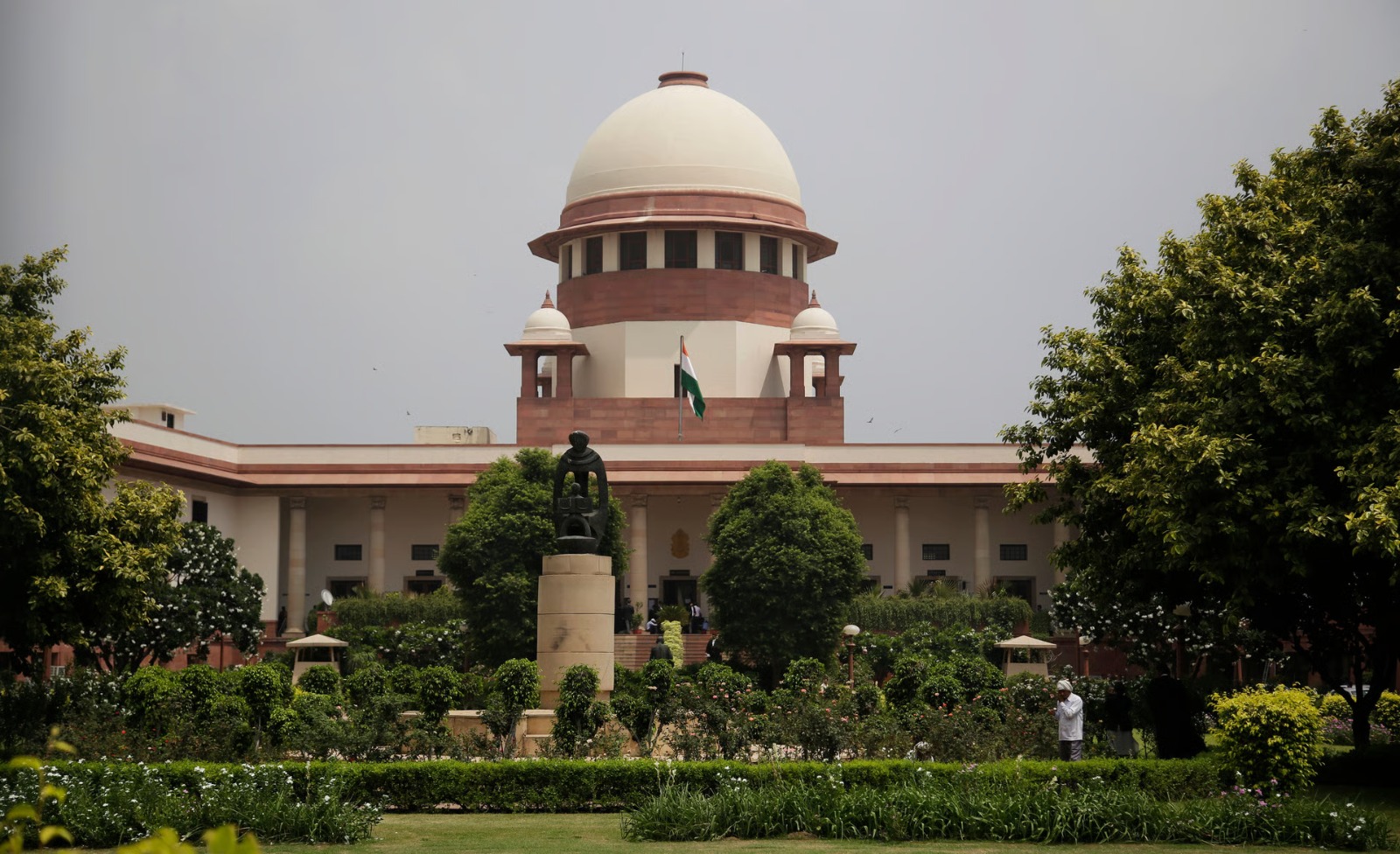
The Supreme Court on Tuesday stayed coercive action against student protesters involved in the Cockroach Janata Party (CJP)-led demonstrations over the alleged NEET paper leak and directed the immediate release of detained minors with no criminal antecedents.
The apex court also indicated that it may constitute an independent Special Investigation Team (SIT) or a high-powered committee to investigate allegations of police excesses and violence during the nationwide protests.
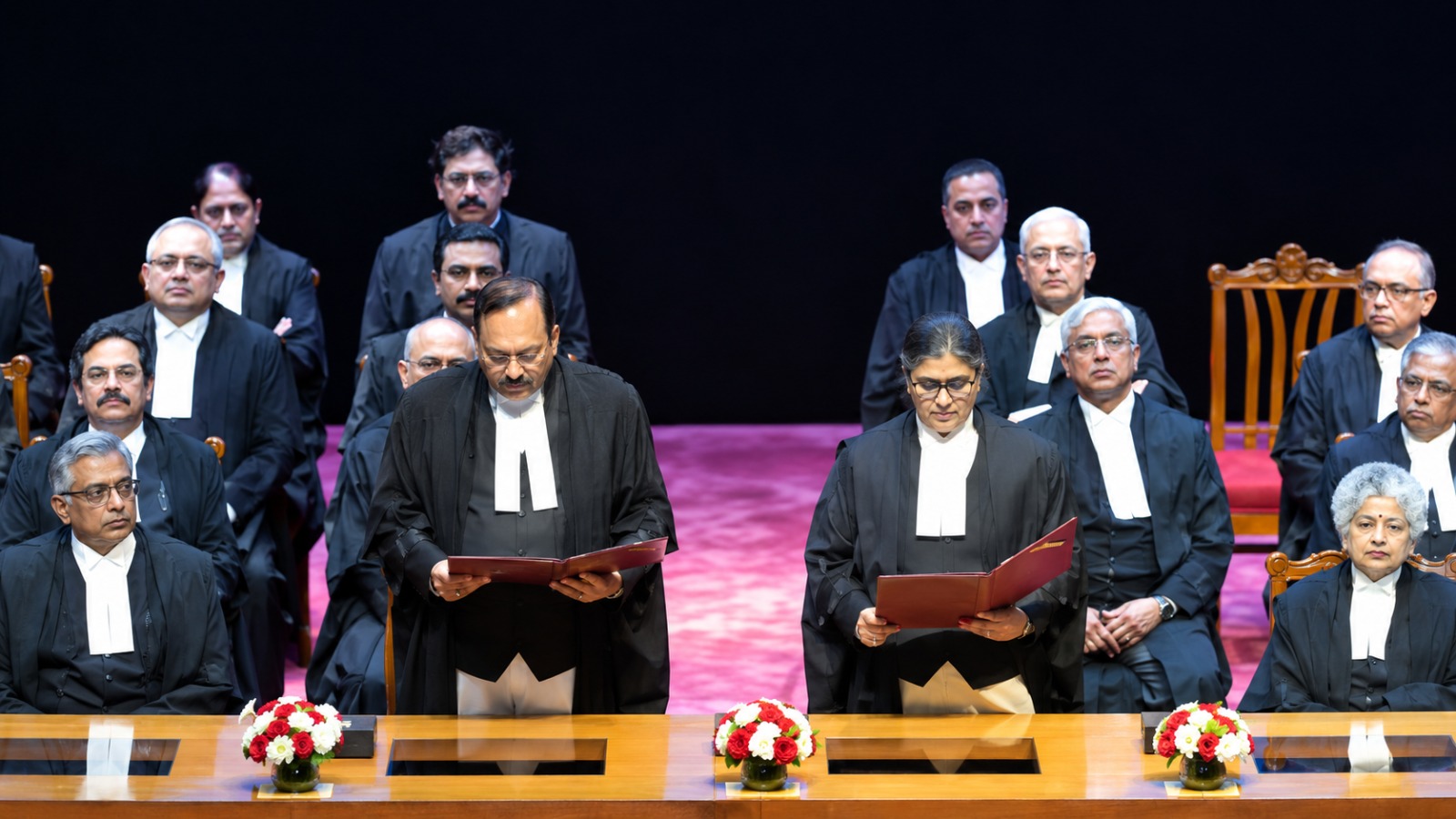
A bench comprising Chief Justice of India Surya Kant and Justices Joymalya Bagchi and V. Mohana clarified that the interim protection would not apply to individuals with criminal antecedents. While allowing the Delhi Police to continue investigations into FIRs already registered, the court directed that no coercive action be taken against eligible student protesters during the pendency of the proceedings.
Hearing a batch of petitions alleging police brutality, the bench observed that the allegations of excesses by law enforcement agencies prima facie warranted an independent investigation. However, it said the Centre, Delhi Police and the concerned state governments should first be given an opportunity to place their responses on record before any probe panel is constituted.
The court issued notices to the chief secretaries of Delhi, Maharashtra, Bihar, Kerala, Madhya Pradesh and Uttar Pradesh, seeking their responses to the allegations raised in the petitions. "The allegations prima facie warrant consideration of a fair and independent probe, which must also address the concerns of families of over 200 injured police personnel," Chief Justice Surya Kant observed.
The bench said it would decide on constituting an independent committee or SIT after considering the responses of the Centre and the concerned states.
At the outset of the hearing, the judges questioned why there should not be an independent inquiry into the allegations of police excesses. "Whosoever committed excesses, took law into their hands should be taken to task," the bench observed. Emphasising accountability on all sides, the court said any violation of established procedures must be investigated. "Once there is violation of defined protocol, law must take care of it," the bench said.
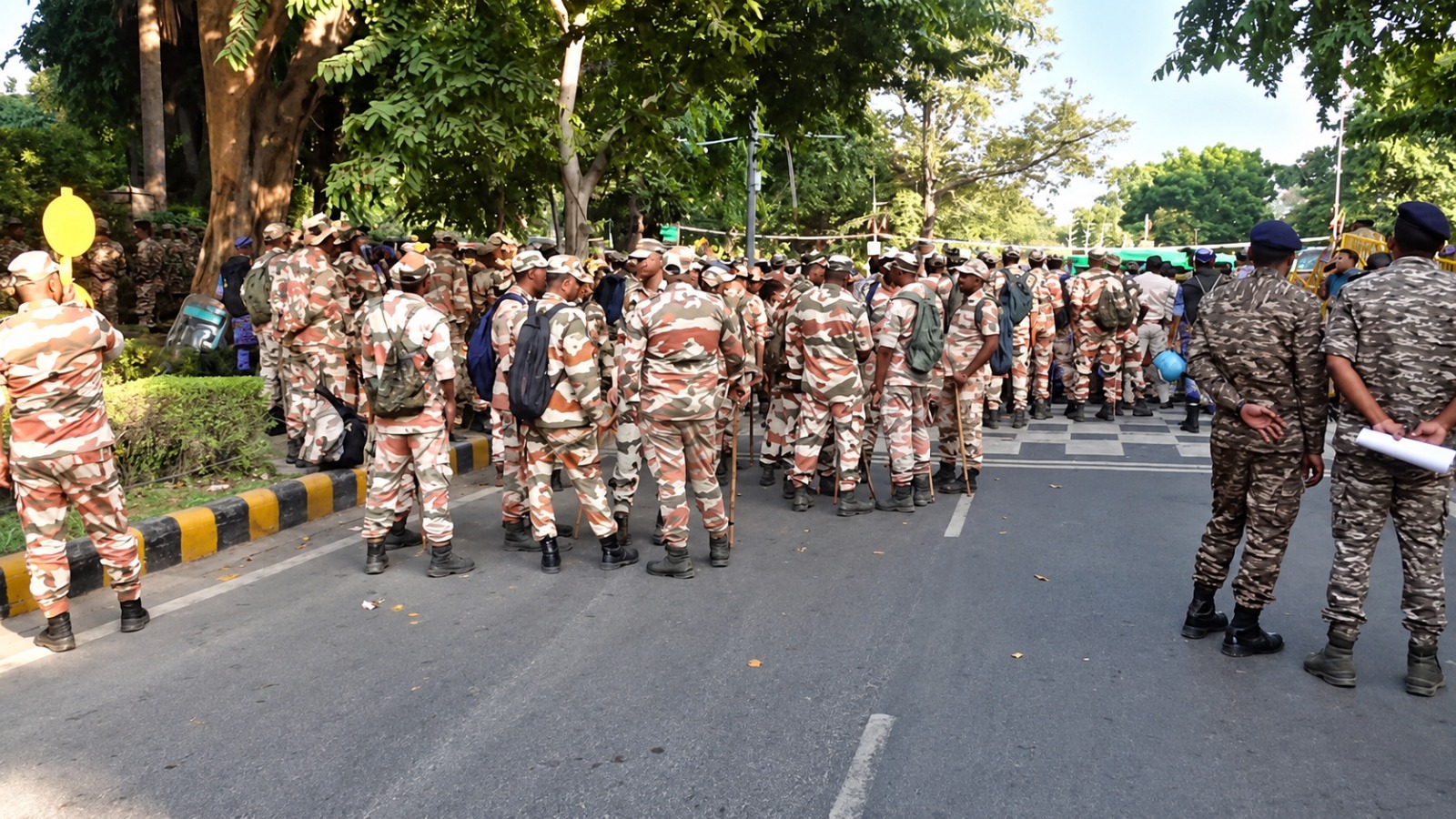
The bench also observed that an investigation was necessary to ascertain the circumstances surrounding attacks on police personnel and determine whether those responsible were protesting students or outsiders.
Appearing for the Centre, Solicitor General Tushar Mehta argued that criminal elements had infiltrated the protests and were responsible for violence against police personnel.
According to the court's order, the petitions alleged that police used pellet guns, rubber bullets, electric batons and lathis embedded with nails against protesting students. The bench also took note of claims that police personnel in civilian clothes had been deployed during the demonstrations and referred to allegations that one student allegedly lost eyesight after being struck by pellet fire.
To ensure preservation of evidence, the Supreme Court directed all states where protests took place to preserve CCTV footage, drone recordings, body-camera footage, wireless communication records, PCR logs and all other electronic and digital evidence related to the demonstrations. The court further ordered that any digital data collected on protesters be preserved but not disclosed publicly. "No personal data, details of protesters to be published," the court directed.
The bench also observed that the existing protocol governing public protests, laid down in earlier judgments, may require modification to deal with similar situations more effectively. "These agitations in democracy are bound to be," Chief Justice Surya Kant remarked.
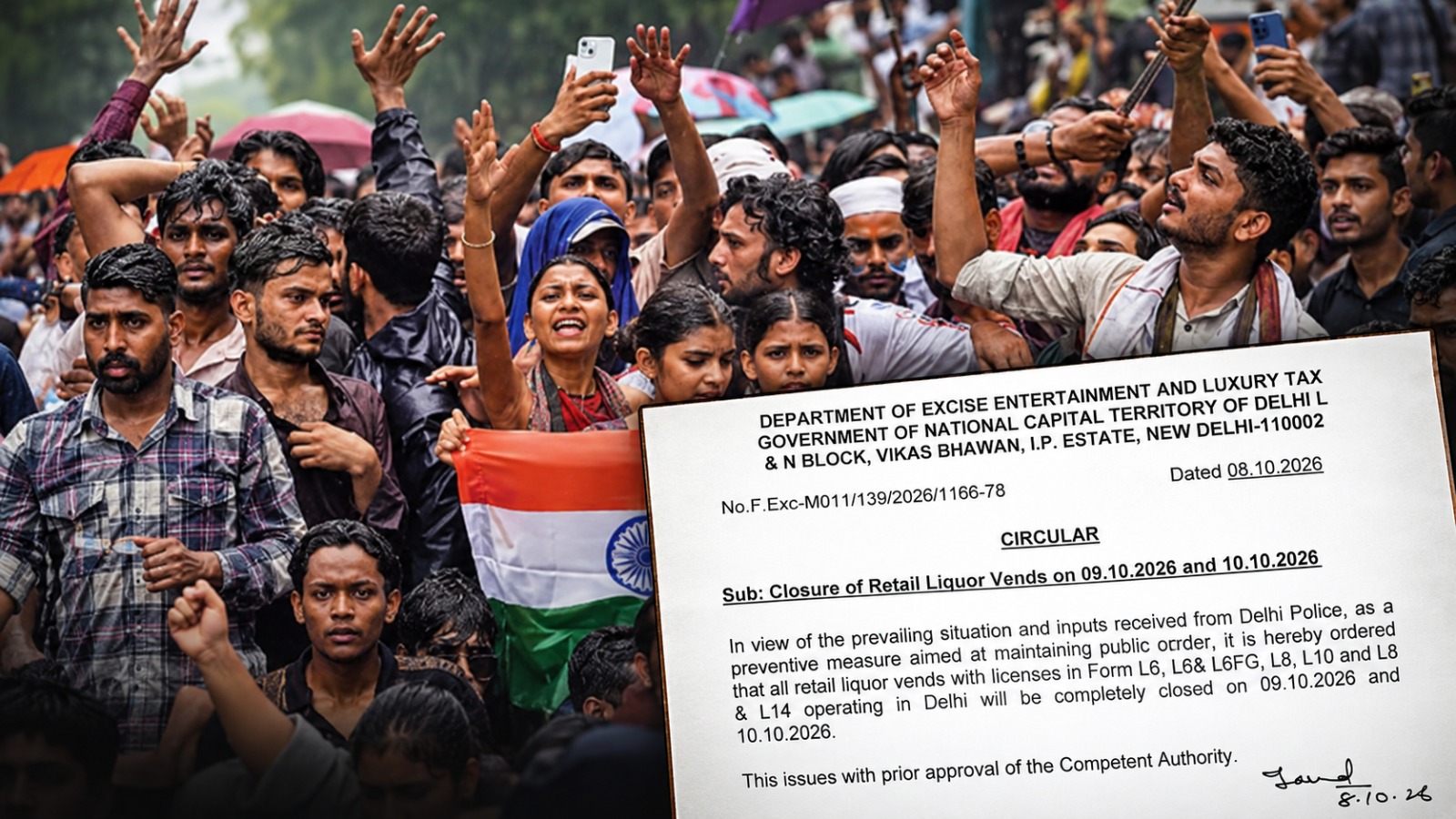
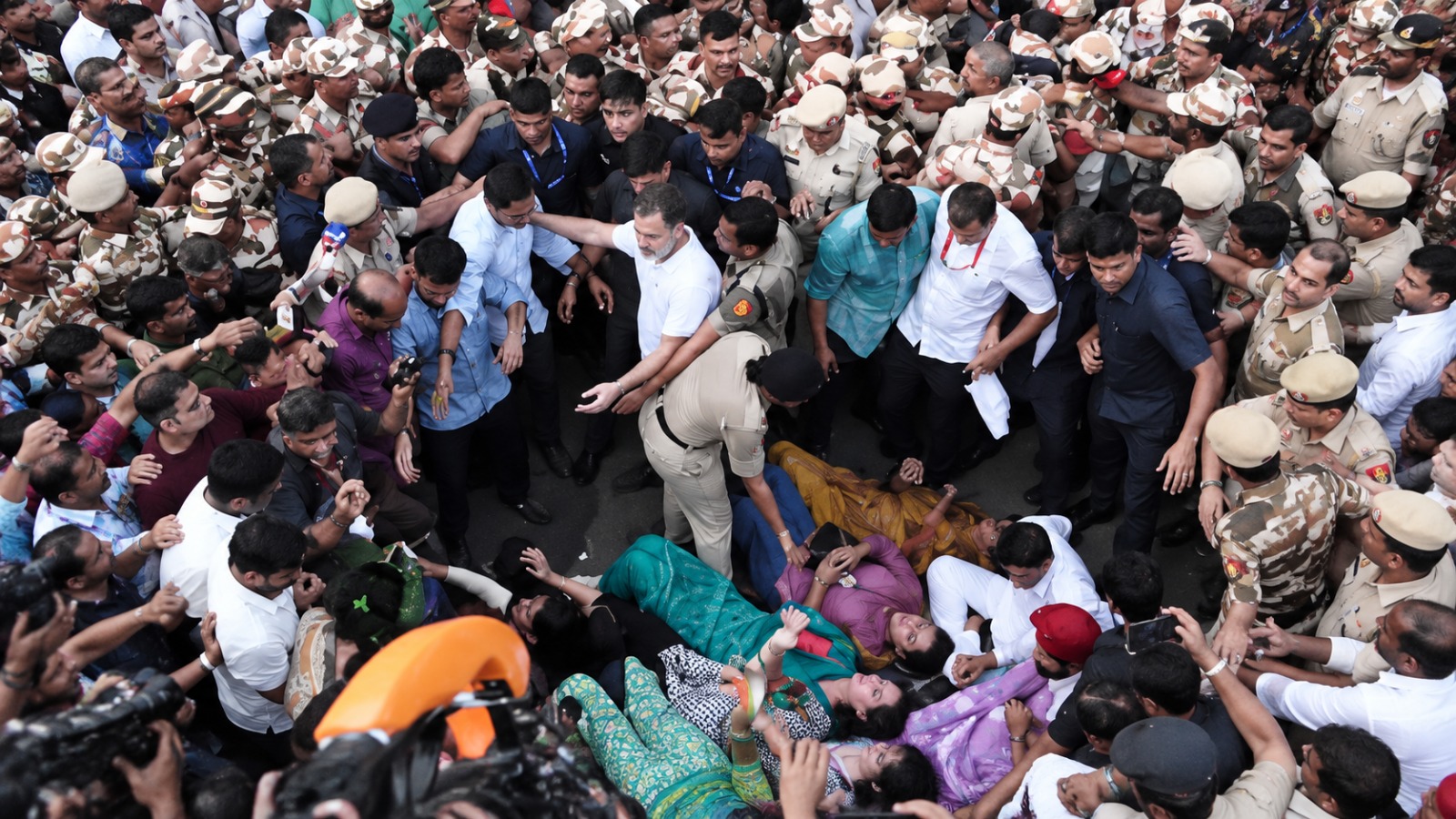
The protests began after the CJP-led march at Delhi's Jantar Mantar on July 20, where demonstrators demanding the resignation of Union Education Minister Dharmendra Pradhan over the alleged NEET paper leak clashed with security personnel while attempting to march towards Parliament. Police used lathis and tear gas to disperse the crowd, leading to allegations of excessive force that are now under the Supreme Court's scrutiny.
The matter is scheduled to be heard again next week.