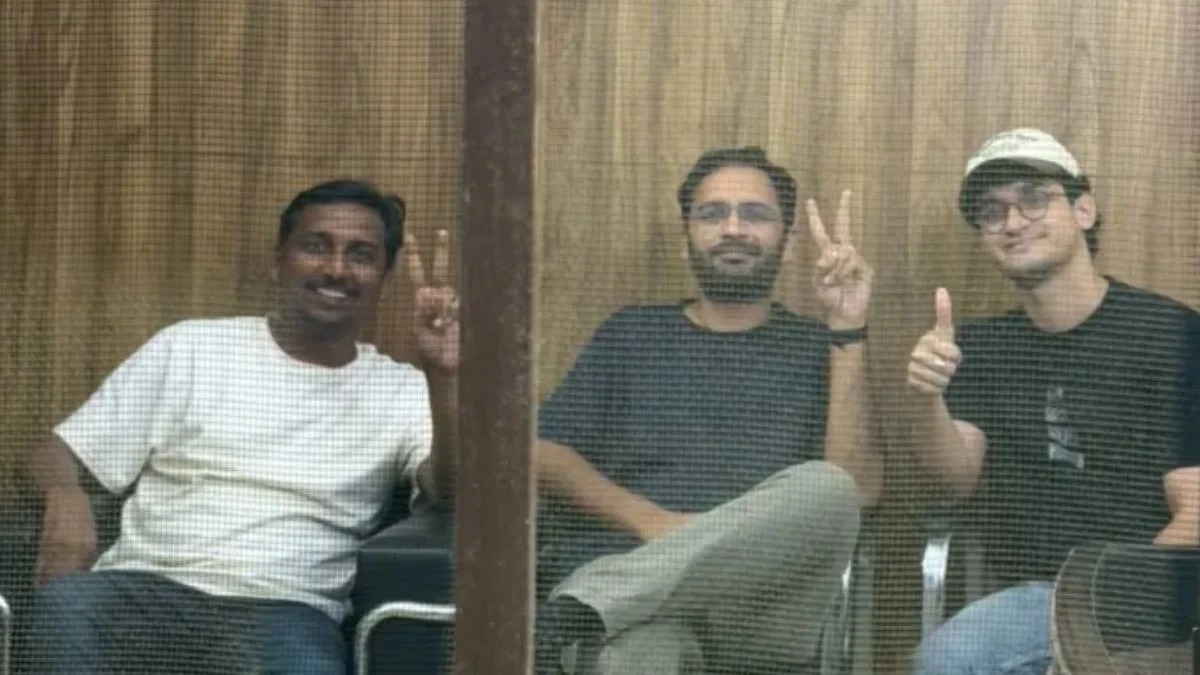
Cockroach Janta Party (CJP) leaders Saurav Das and Ashutosh Ranka were on Wednesday remanded to five days of judicial custody and sent to Tihar Jail following their detention over a protest at Jantar Mantar, triggering widespread condemnation from opposition leaders and supporters of the right to dissent.
The two were detained by Delhi Police on Tuesday after allegedly entering the Jantar Mantar area without authorisation, days after the site was denotified as a designated venue for protests. They were produced before a Special Executive Magistrate at Mandir Marg on Wednesday morning. Another CJP leader, Ajinkya Shinde, was released on a personal bond.
The CJP has maintained that its members went to Jantar Mantar carrying the national flag and raising patriotic slogans. The incident has since become a flashpoint in the debate over access to public spaces for peaceful protest, with critics questioning the decision to send the two young activists to judicial custody.
Abhijeet Dipke challenges Modi to declare Emergency
CJP founder Abhijeet Dipke sharply criticised the court order, arguing that the detention of the two leaders for unfurling the Tricolour amounted to an attempt to suppress dissent. “Ashu and Saurav have been sent to five days’ judicial custody. Their fault? Unfurling the Tricolour at Jantar Mantar,” Dipke said in a post on X.
Directing his criticism at Prime Minister Narendra Modi, Dipke challenged the government to declare an Emergency officially if it intended to crush dissent, rather than resort to what he described as “cowardly tactics”.
Dipke also questioned how waving the national flag at a protest site could be treated as a threat to public order. His remarks framed the arrests as part of a larger struggle over the right of citizens to express disagreement with those in power.
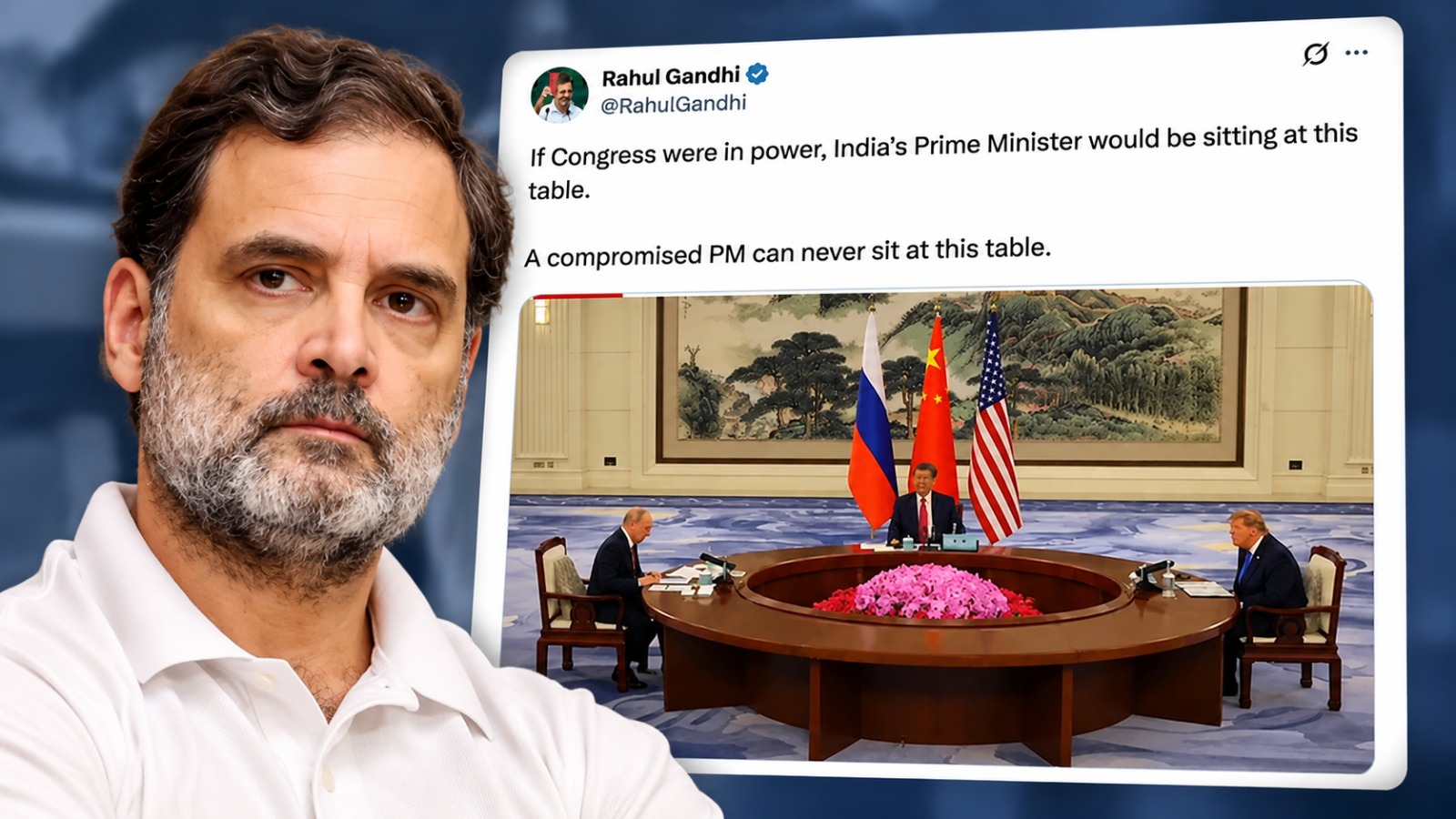
Leader of the Opposition in the Lok Sabha Rahul Gandhi also condemned the judicial custody order, describing the jailing of young protesters for waving the national flag as an act of cowardice. “Waving the Tricolour at Jantar Mantar in a peaceful protest is not a crime. Jailing youth for it is an act of cowardice,” Gandhi wrote on X.
He placed the incident within a wider argument about constitutional freedoms, saying that students, young people, journalists and the INDIA bloc may operate under different banners but share a common cause: citizens demanding their constitutional rights.
“Jantar Mantar belongs to the people of India. We will reclaim it,” Gandhi added, signalling support for the demand that the capital’s long-standing protest venue remain accessible to citizens seeking to demonstrate.
The custody order drew criticism from several opposition leaders, who questioned the decision to jail activists over their attempt to protest at Jantar Mantar.
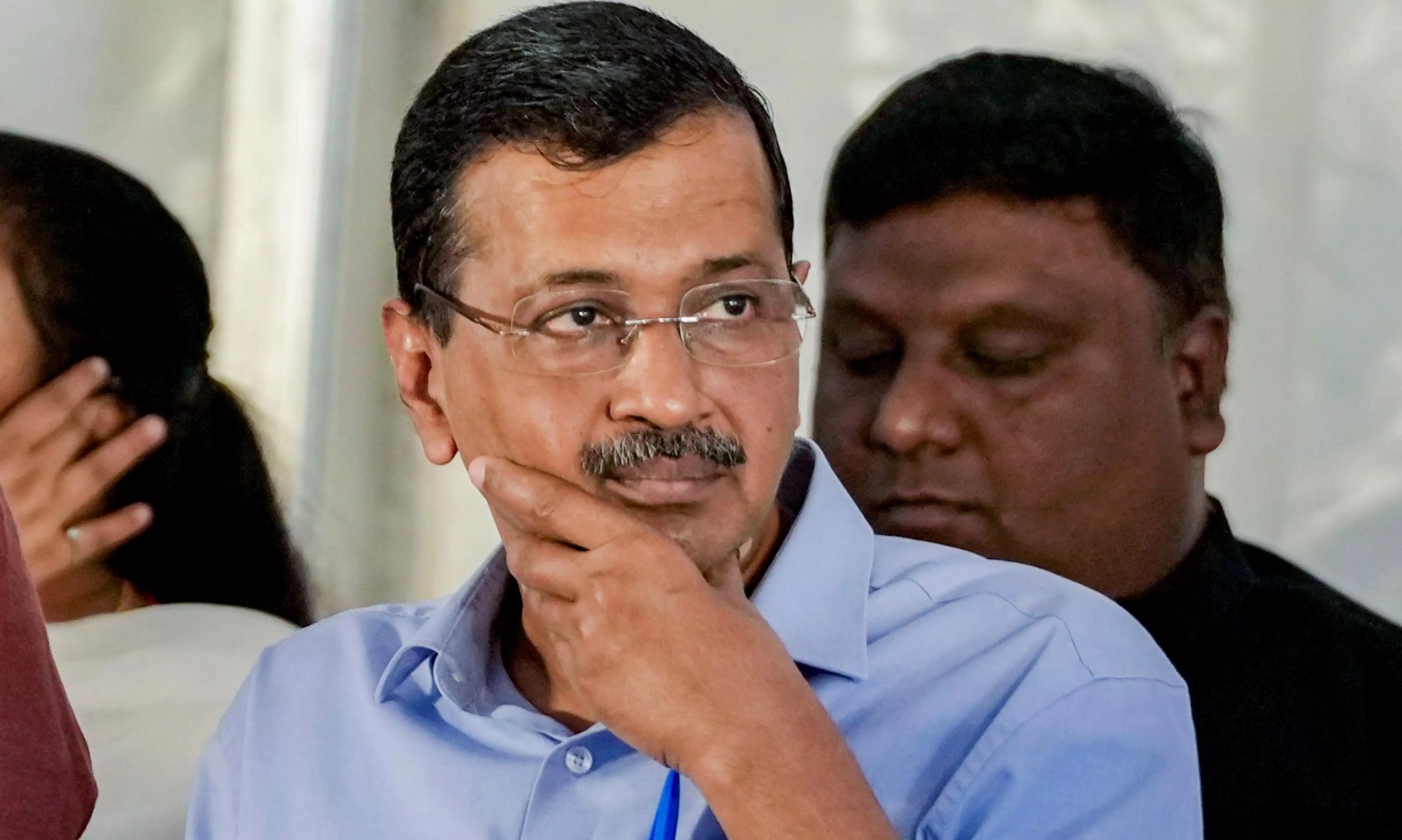
AAP leader Arvind Kejriwal called the action ridiculous, asking whether waving the national flag in one's own country could be considered a crime. Trinamool Congress MP Abhishek Banerjee also criticised the arrests, accusing the authorities of treating the unfurling of the Tricolour as a breach of peace. DMK president and Tamil Nadu Chief Minister M.K. Stalin, along with Shiv Sena (UBT) leader Aaditya Thackeray, also expressed opposition to the action.
The arrests come amid heightened tensions over protests demanding the resignation of Chief Election Commissioner Gyanesh Kumar and opposing alleged irregularities in the Special Intensive Revision (SIR) of electoral rolls. The allegations concerning the electoral process have been a major point of contention between opposition parties and the Election Commission; the BJP has denied accusations that the process is being manipulated to benefit it.
The latest action against the CJP leaders has added another dimension to the confrontation, shifting attention from the original electoral demands to the question of where citizens can protest and how far authorities can go in restricting demonstrations.
Jantar Mantar has for decades served as a prominent venue for public demonstrations in the national capital. The decision to remove its designated protest-site status and direct demonstrators towards alternative locations has drawn criticism from activists who argue that moving protests away from the political centre can diminish their visibility.