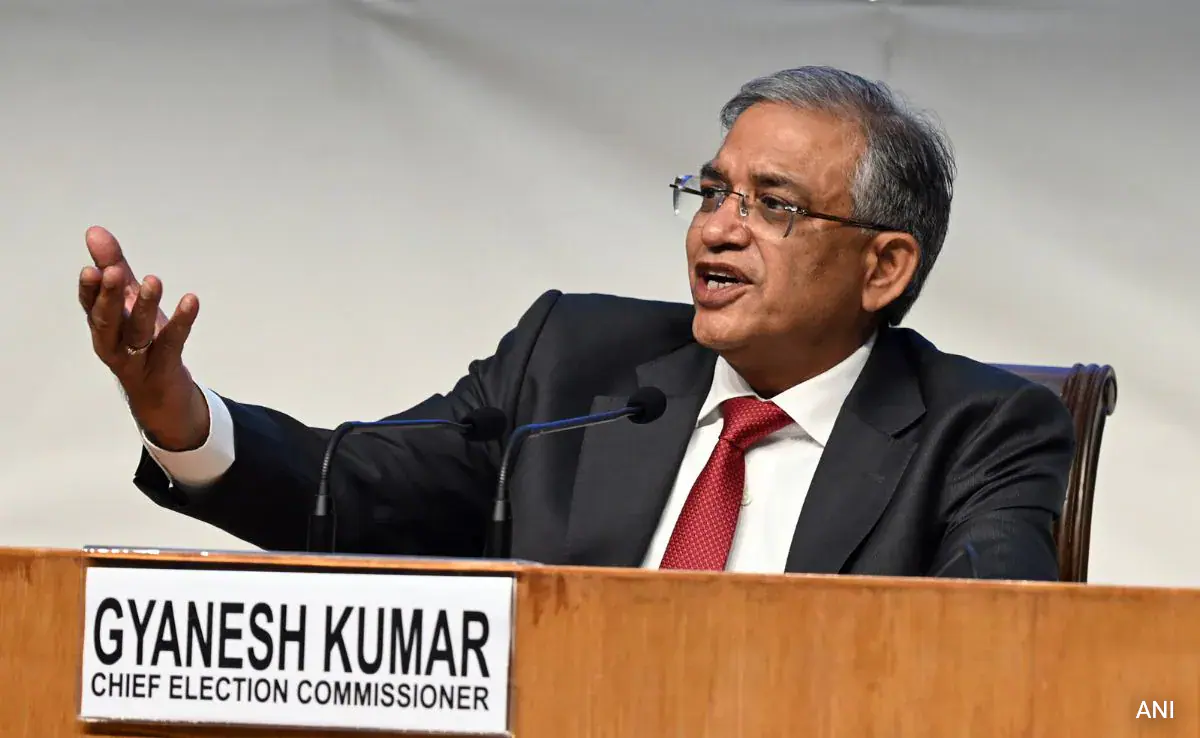

The Ministry of Home Affairs (MHA) has authorised Delhi Police Commissioner Anurag Kumar to exercise detention powers under the National Security Act (NSA), 1980, for a three-month period from July 19 to October 18, 2026. While the order has sparked political debate due to the ongoing Cockroach Janta Party (CJP) protests over the alleged NEET paper leak, the Delhi Police has insisted that the notification is a routine administrative renewal and not linked to the demonstrations.
The order, issued under Section 3 of the National Security Act, empowers the Delhi Police Commissioner to act as a detaining authority for preventive detention in cases involving threats to national security, public order or essential services.
As reports circulated suggesting that the Union government had granted the Commissioner fresh powers specifically to deal with the CJP agitation, the Delhi Police issued a clarification, dismissing the claim as misleading.
“Misleading information is circulating on social media claiming that the Commissioner of Police, Delhi, has been granted detention powers under the National Security Act (NSA) specifically to suppress the ongoing CJP protests,” Delhi Police said in a post on X.
The force further maintained that the order was part of a long-standing administrative process.
“The order in question is a routine, quarterly extension of powers under the NSA, which is conventionally renewed every three months. The current renewal was issued on 07.07.2026 for the period effective from 19.07.2026 to 18.10.2026, predating the commencement of the CJP protests. Furthermore, no specific request was initiated for this order in relation to recent events. The renewal constitutes a standard administrative procedure and has been misinterpreted out of context.”
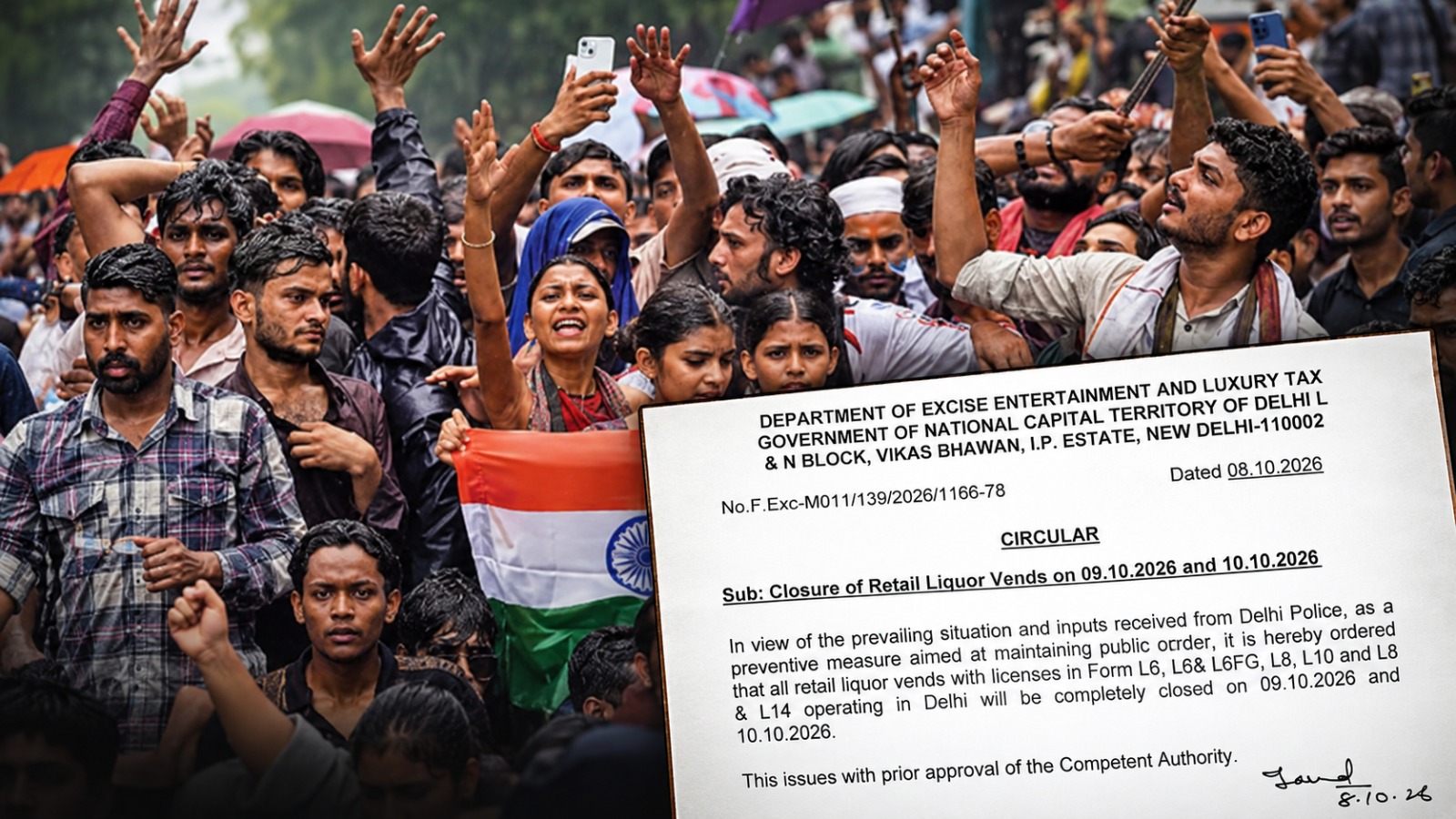
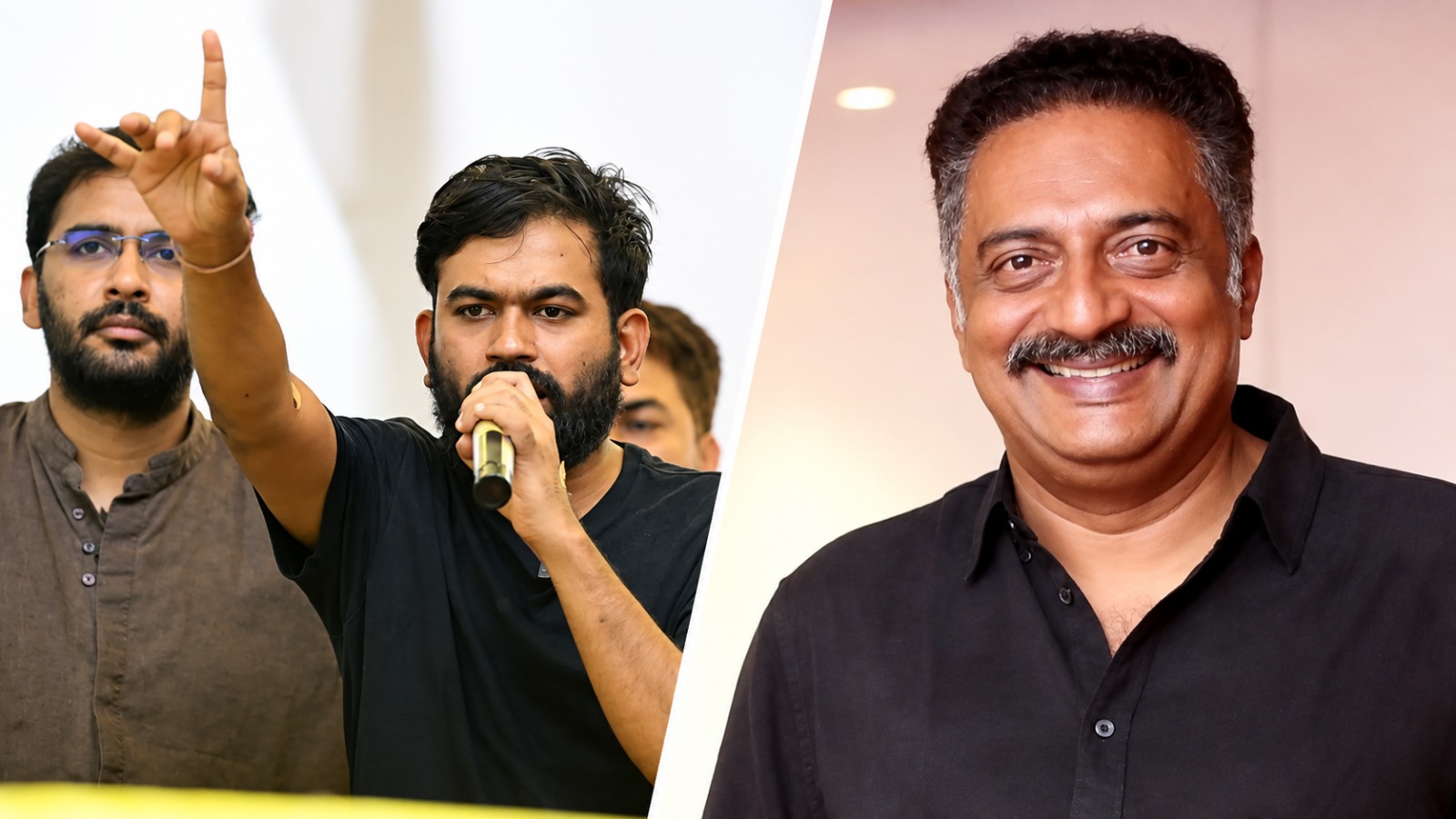
The development nevertheless comes at a politically sensitive moment, with the national capital witnessing sustained protests led by the Cockroach Janta Party (CJP) over alleged irregularities in the NEET examination and demands for the resignation of Union Education Minister Dharmendra Pradhan.
The agitation intensified after climate activist Sonam Wangchuk joined the protest and began an indefinite hunger strike. He was later shifted to Safdarjung Hospital by Delhi Police after his health deteriorated, prompting criticism from protest organisers. Following Wangchuk's removal, CJP founder Abhijeet Dipke continued the hunger strike at Jantar Mantar.
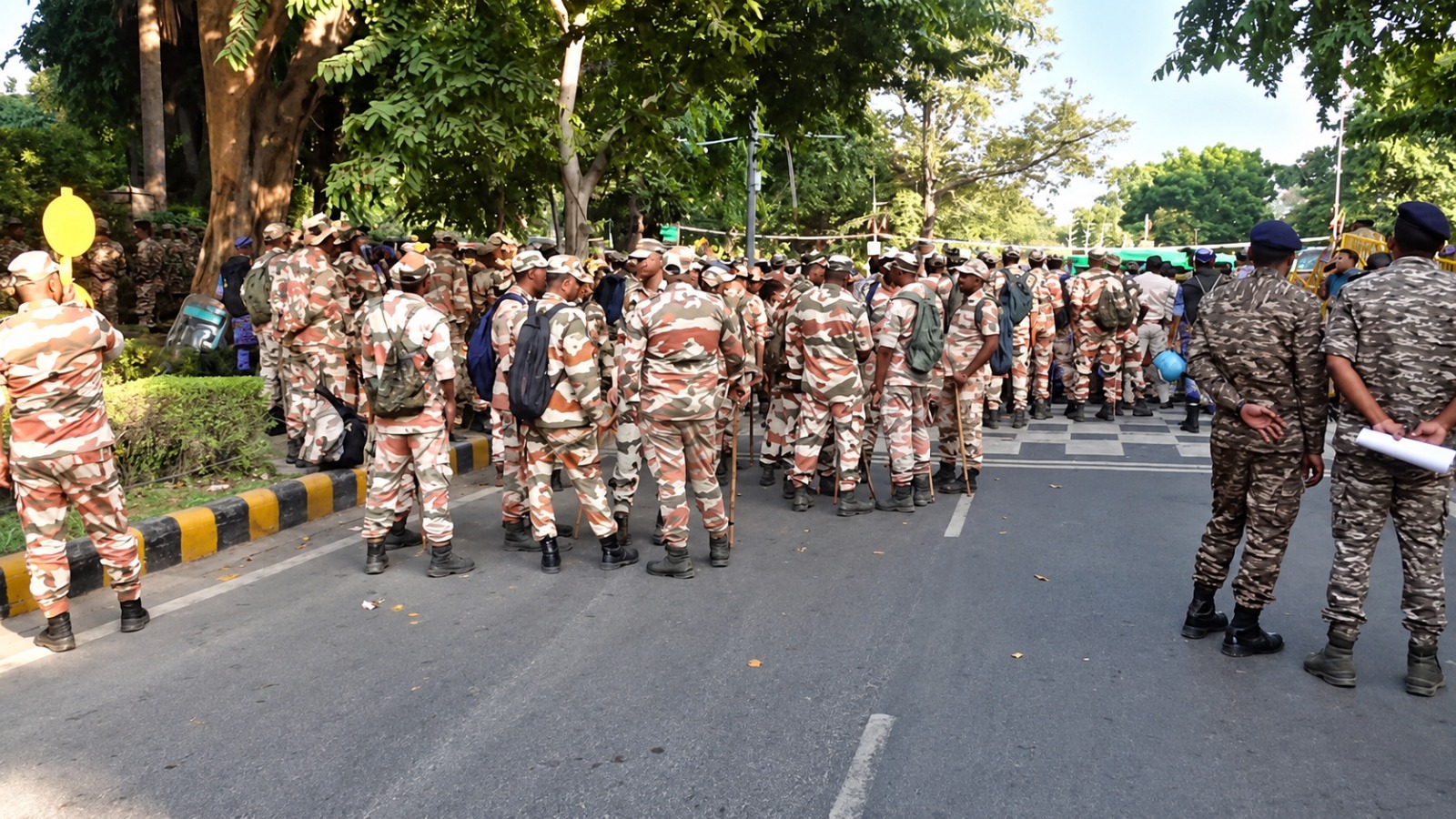
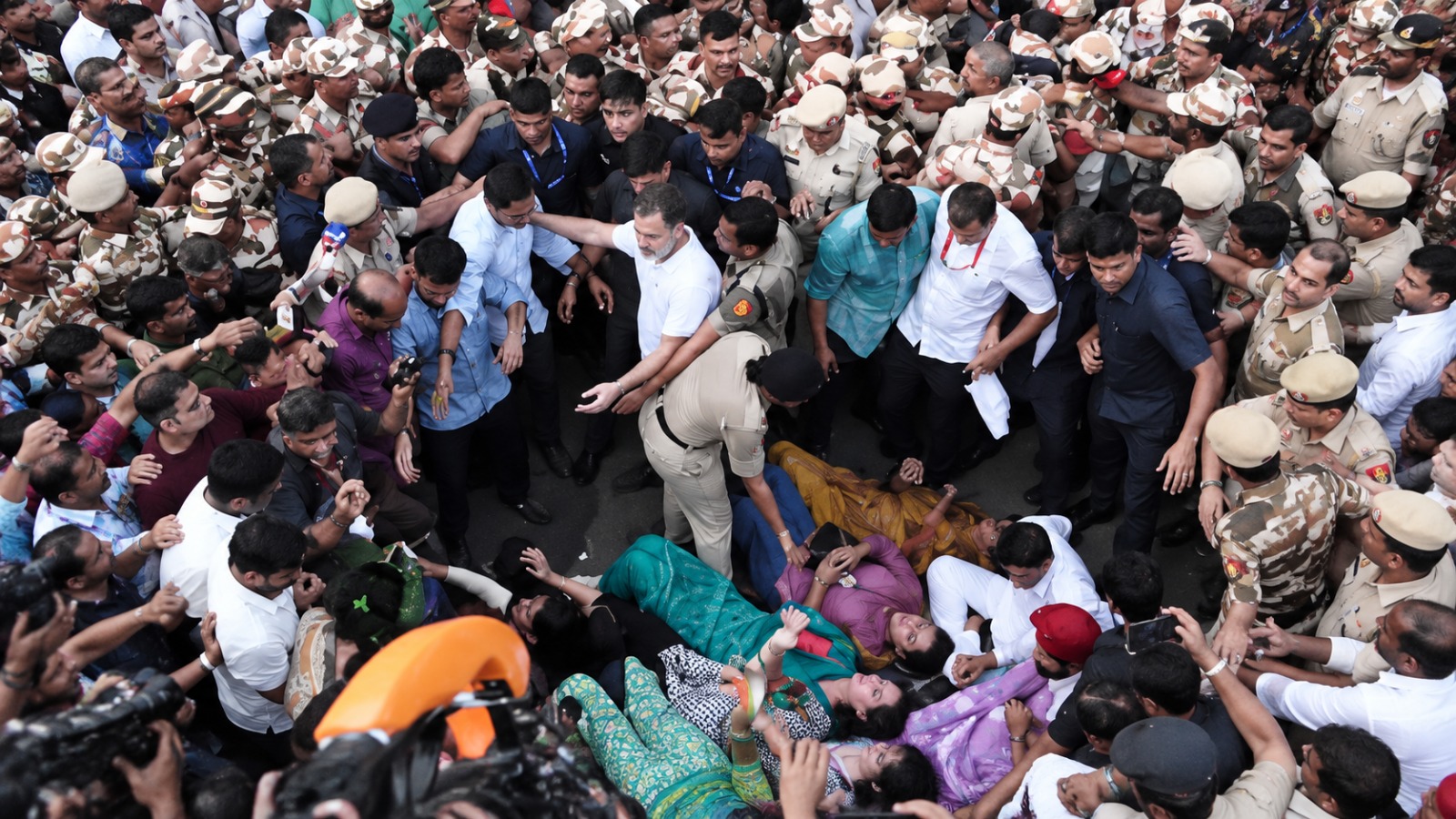
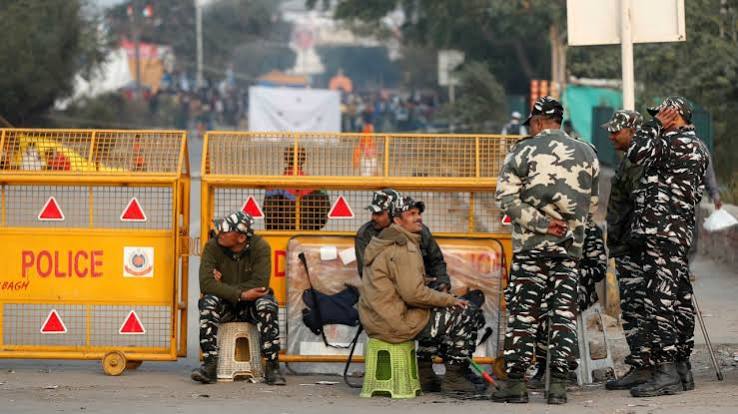
Tensions escalated further on July 20 when protesters attempted to march towards Parliament during the Monsoon Session. Delhi Police stopped the march using barricades and heavy security deployment, with clashes, injuries and the use of tear gas reported during the confrontation.
Under the National Security Act, preventive detention can be ordered if authorities believe an individual's activities pose a threat to national security, public order or the maintenance of essential services. The law permits detention without formal criminal charges for a specified period, subject to statutory safeguards and periodic review.
The notification issued by the Delhi Lieutenant Governor states:
“Now, therefore, in exercise of the powers conferred by sub-section (3) of Section 3, read with clause (e) of Section 2 of the National Security Act, 1980, the Lt. Governor of the National Capital Territory of Delhi is pleased to direct that during the period 19.07.2026 to 18.10.2026 the Commissioner of Police, Delhi may also exercise the powers of detaining authority under sub-section (2) of Section 3 of the aforesaid Act.”
Although Delhi Police has described the notification as a routine quarterly renewal, its timing—coinciding with one of the capital's most high-profile protest movements in recent months—has inevitably drawn public attention and scrutiny. The police, however, has reiterated that the extension was processed before the CJP protests began and bears no connection to the ongoing agitation.