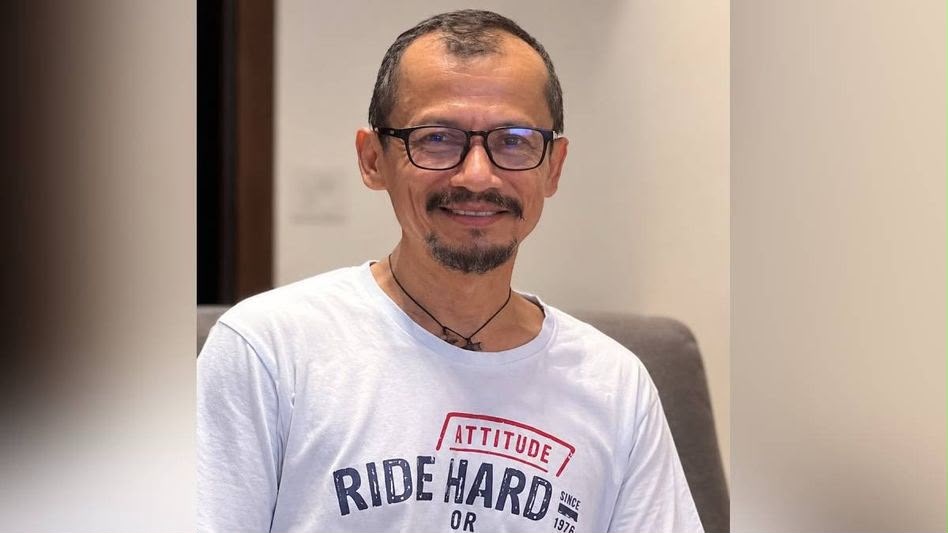
A respected Manipuri guitarist and music teacher who had lived in the capital for nearly two decades was beaten to death outside his home in southeast Delhi after he asked a group of men to stop making noise late on Sunday night. The killing has triggered protests by students from the Northeast and renewed anger over a long record of violence against people from the region in the city.
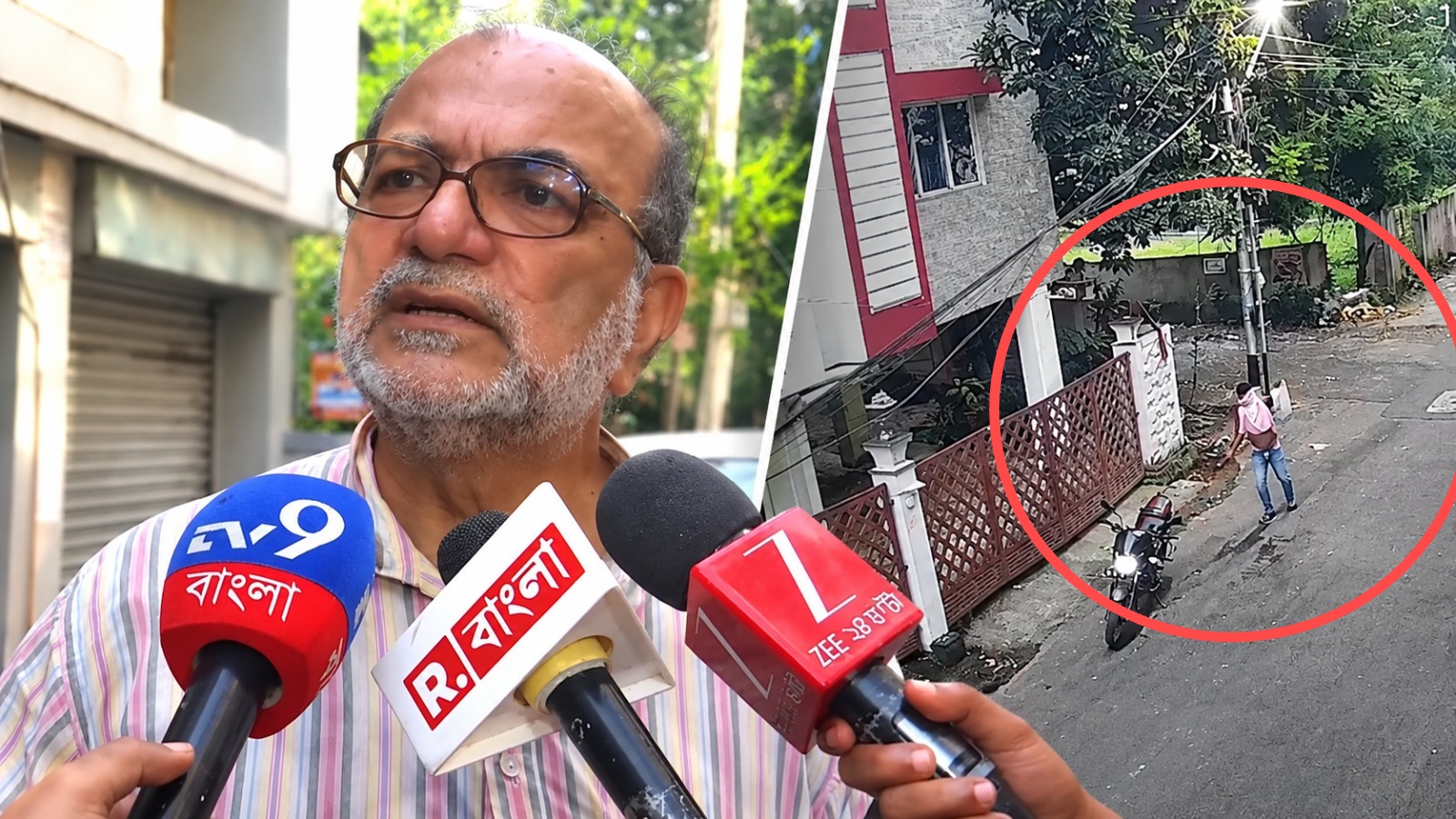
Chongtham Vikram Singh, 54, lived in Kilokari village near Ashram. Police and family members say that around 11.30 p.m. on Sunday, 6 September 2026, he went downstairs after hearing shouting and drinking outside his apartment. The men, described as dhaba workers and food delivery staff, allegedly turned on him and punched and kicked him in the alley.
His son, Yaiphaba, 20, told investigators he heard his father screaming and banging on the door. When the family opened it, Singh was semi-conscious, his shirt torn. He was taken by taxi to Holy Family Hospital in Okhla. Doctors recorded a sharp drop in blood pressure and said his injuries were too severe for surgery. He died of haemorrhagic shock caused by blunt force trauma early on Monday, around 6.30 a.m.
Sunlight Colony police registered a case under provisions of the Bharatiya Nyaya Sanhita covering murder and common intention. Seven men were arrested and a 15-year-old was taken into custody. Police identified the adults as Bharat Kumar, 19; Pramod, 26; Ramzan Khan, 22; Deepanshu, 21; Mohan Vishwakarma, 32; Vijay, 36; and Mannu, 26. Southeast Delhi Deputy Commissioner of Police Vineet Kumar said senior officers had met the family and community members and promised lawful action. Investigation continues.
Singh belonged to the Meitei community and came from Thangmeiband in Imphal West. He had played lead guitar with Manipur bands including Phoenix and Eastern Dark, later taught music in Delhi, and ran a small school from home. Relatives said he was the son of classical vocalist Chongtham Ongbi Kamala Devi and a cousin of filmmaker Lakshmipriya Devi.
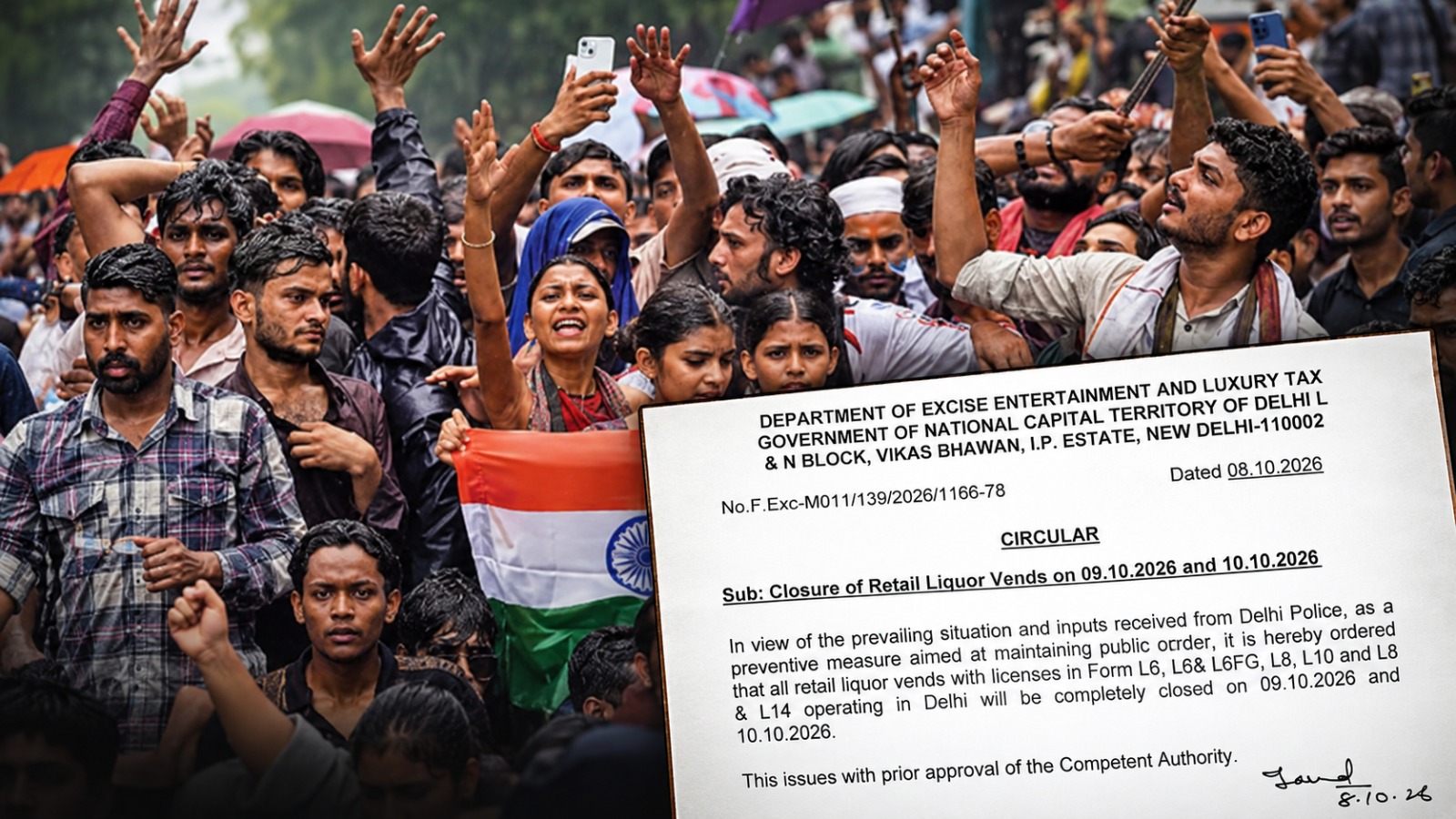
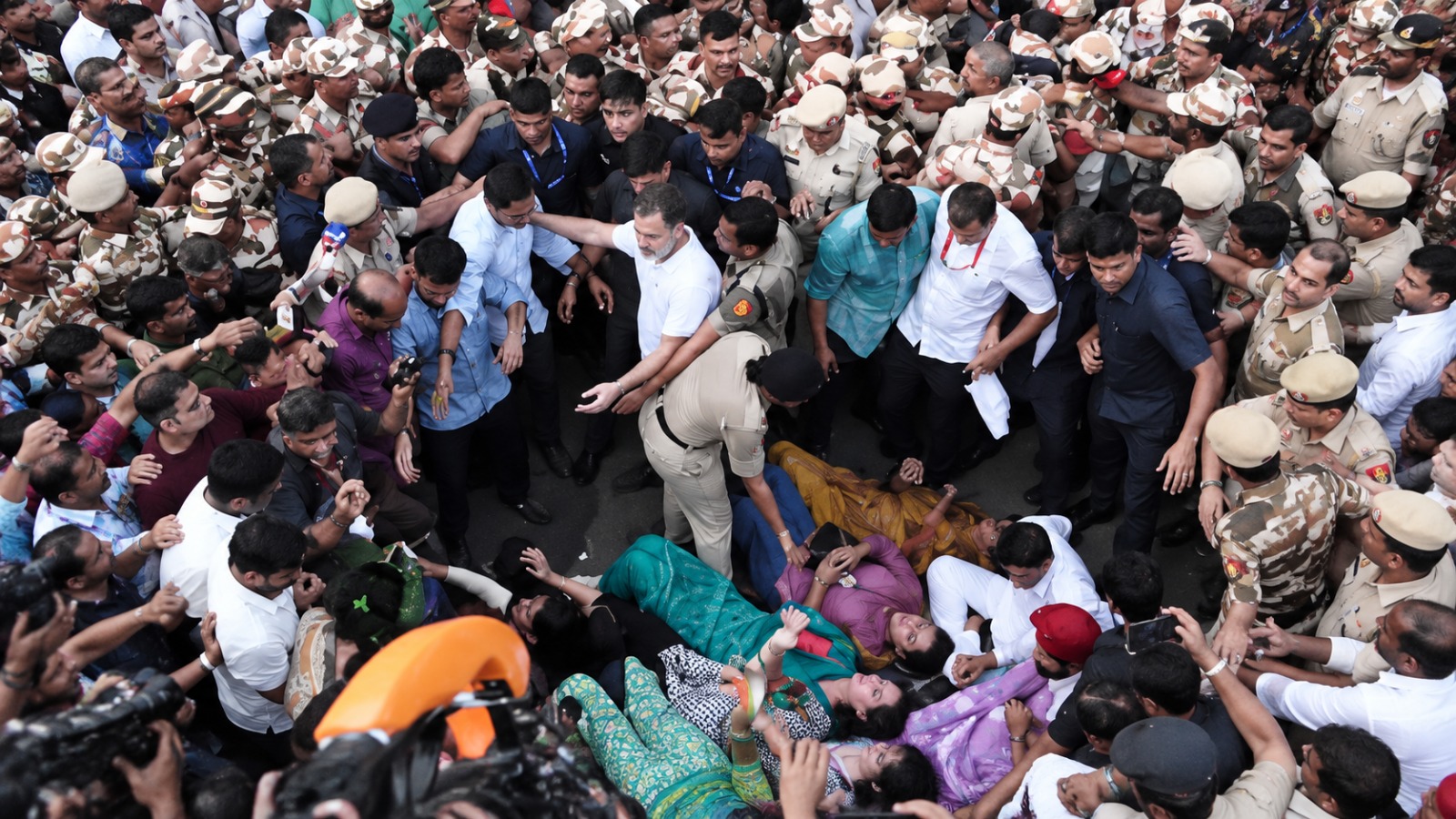
The North East Students Society, Delhi University, called the death a “senseless act of violence” and demanded a swift, thorough inquiry. On Monday night, people from Manipur and other northeastern states held a candlelight march in Delhi under the slogan “Justice for Singh.” Community groups gathered outside the police station seeking identification of every person involved.
The case sits against a grim pattern. In 2014, Arunachal student Nido Tania was beaten to death in Lajpat Nagar after mockery of his appearance. In late 2025, Tripura student Anjel Chakma died after a racially abusive assault in Dehradun, prompting campus protests. In early 2026, women from Manipur and Arunachal Pradesh reported knife attacks and slurs in south Delhi parks and neighbourhoods. Students say racial profiling, rental discrimination and sudden violence remain common, even when an incident begins as a noise dispute rather than an open ethnic attack.
Police have not publicly framed the Kilokari killing as a hate crime. Family members and student bodies argue that the speed and brutality of the beating, and the victim’s identity, cannot be separated from how northeastern residents are often treated in the capital. They want the investigation to examine whether prejudice played a part, and they want visible protection for students and workers from the region. Singh is survived by his wife and son. His body was sent for post-mortem. As of Tuesday morning, the accused remained in custody and protesters said they would continue to press for accountability.