The Lok Sabha on Wednesday passed the Public Examinations (Prevention of Unfair Means) Amendment Bill, 2026, by a voice vote, tightening penalties and timelines for exam paper leaks even as the House descended into uproar over Leader of Opposition Rahul Gandhi’s sharp remarks. The legislation strengthens the 2024 anti-paper leak law and comes after weeks of intense student protests that forced the resignation of Education Minister Dharmendra Pradhan.
The Bill, introduced by Union Minister Jitendra Singh on July 27, raises the punishment for individuals involved in unfair means from three-to-five years’ imprisonment to five-to-ten years, with the maximum fine hiked from ₹10 lakh to ₹50 lakh. Organised paper-leak syndicates face a minimum of seven years in jail (up from five) and a minimum fine of ₹10 crore. Service providers found complicit can be fined up to ₹5 crore and barred from exam-related work for eight years, double the earlier period. Investigations must now finish within two months, and every state and Union Territory is required to set up special fast-track courts of session that will conduct day-to-day trials and deliver judgments within three months of the chargesheet. Appeals will go to a two-judge High Court bench, to be disposed of preferably within three months.
These changes aim to restore credibility to public examinations conducted by bodies such as the National Testing Agency, UPSC, SSC and Railway Recruitment Boards, covering high-stakes tests including NEET and others. The original 2024 Act had already made offences cognisable, non-bailable and non-compoundable, but successive leaks and delayed action exposed the need for sharper deterrence and faster justice.
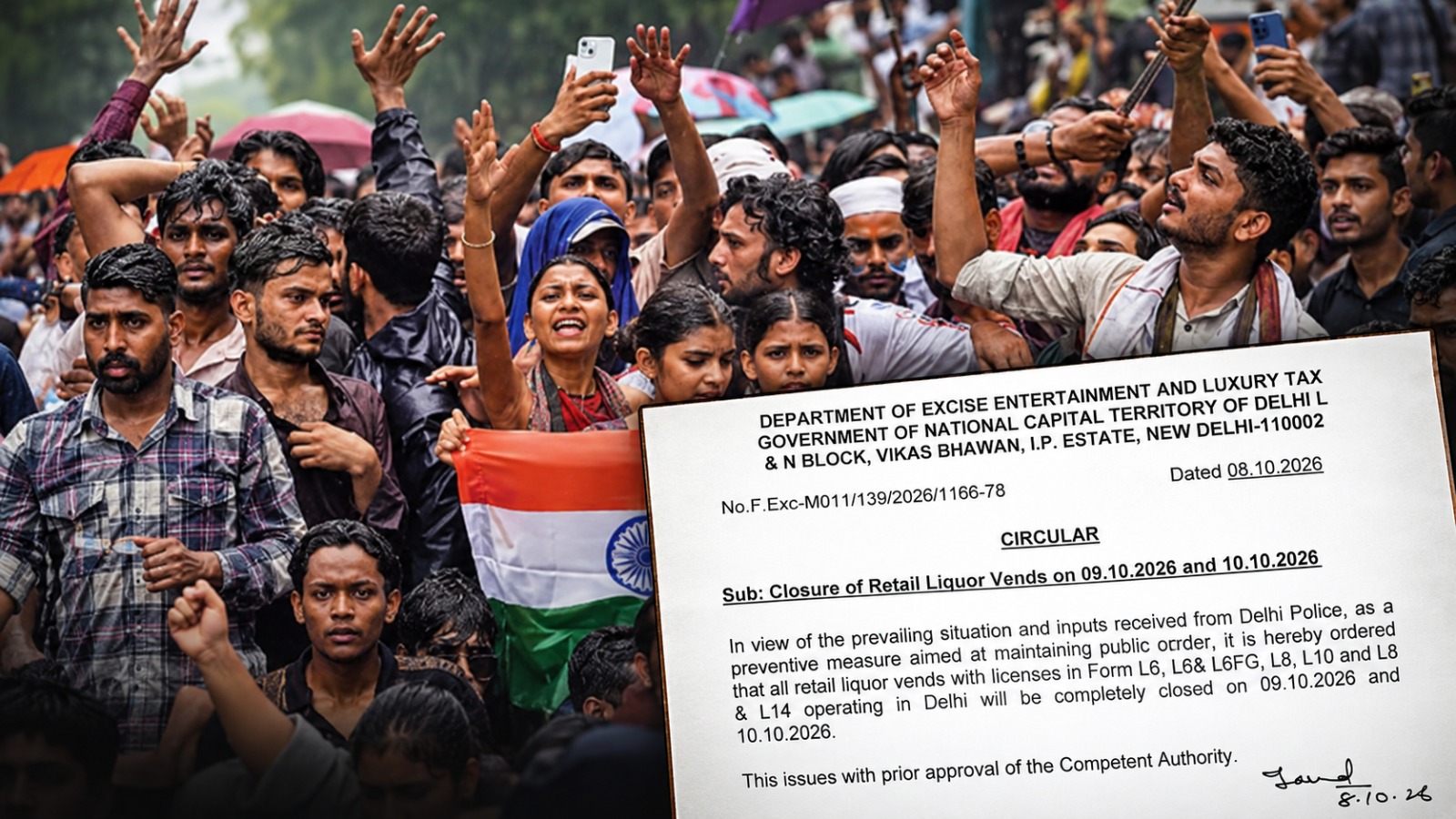
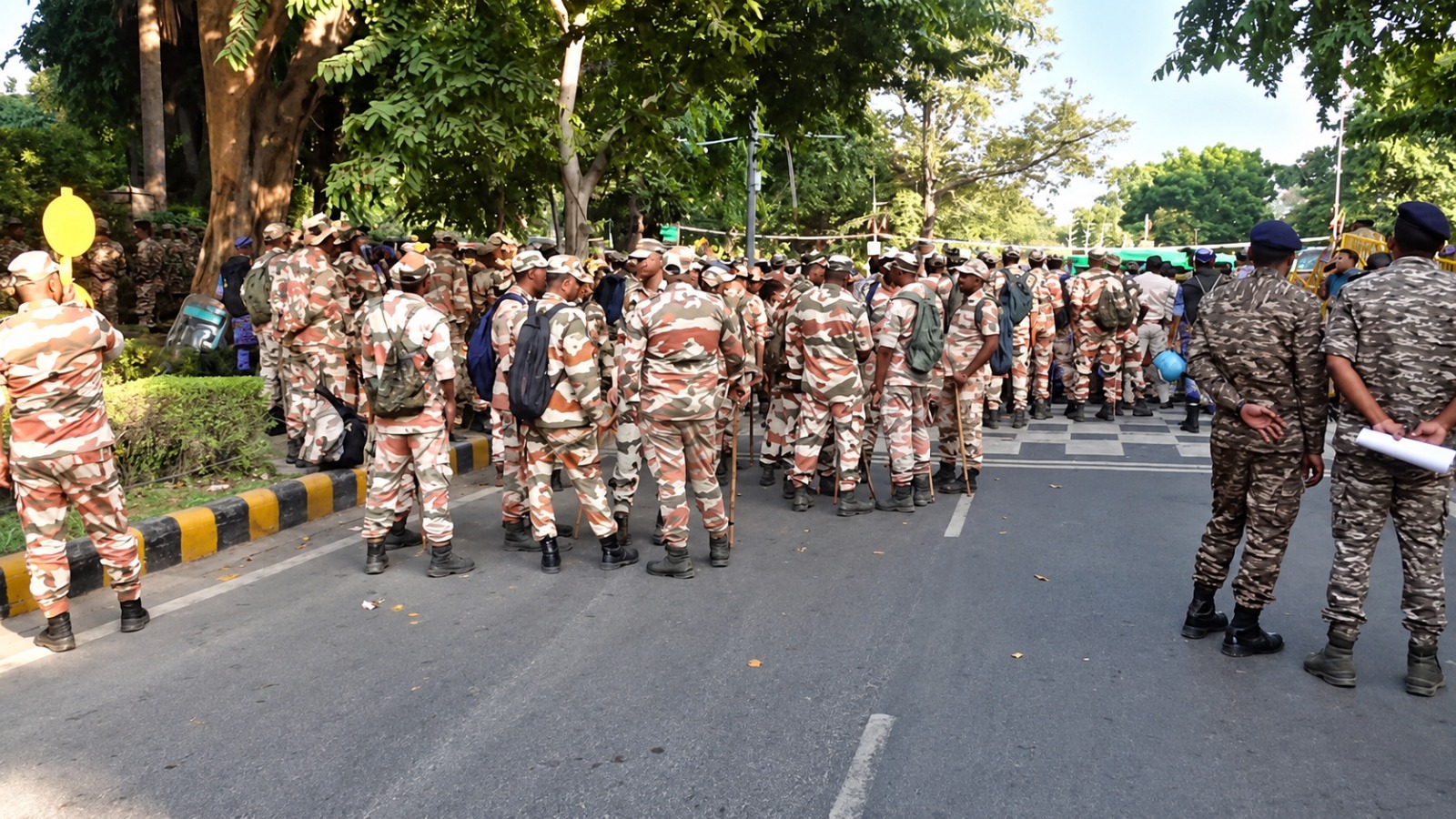
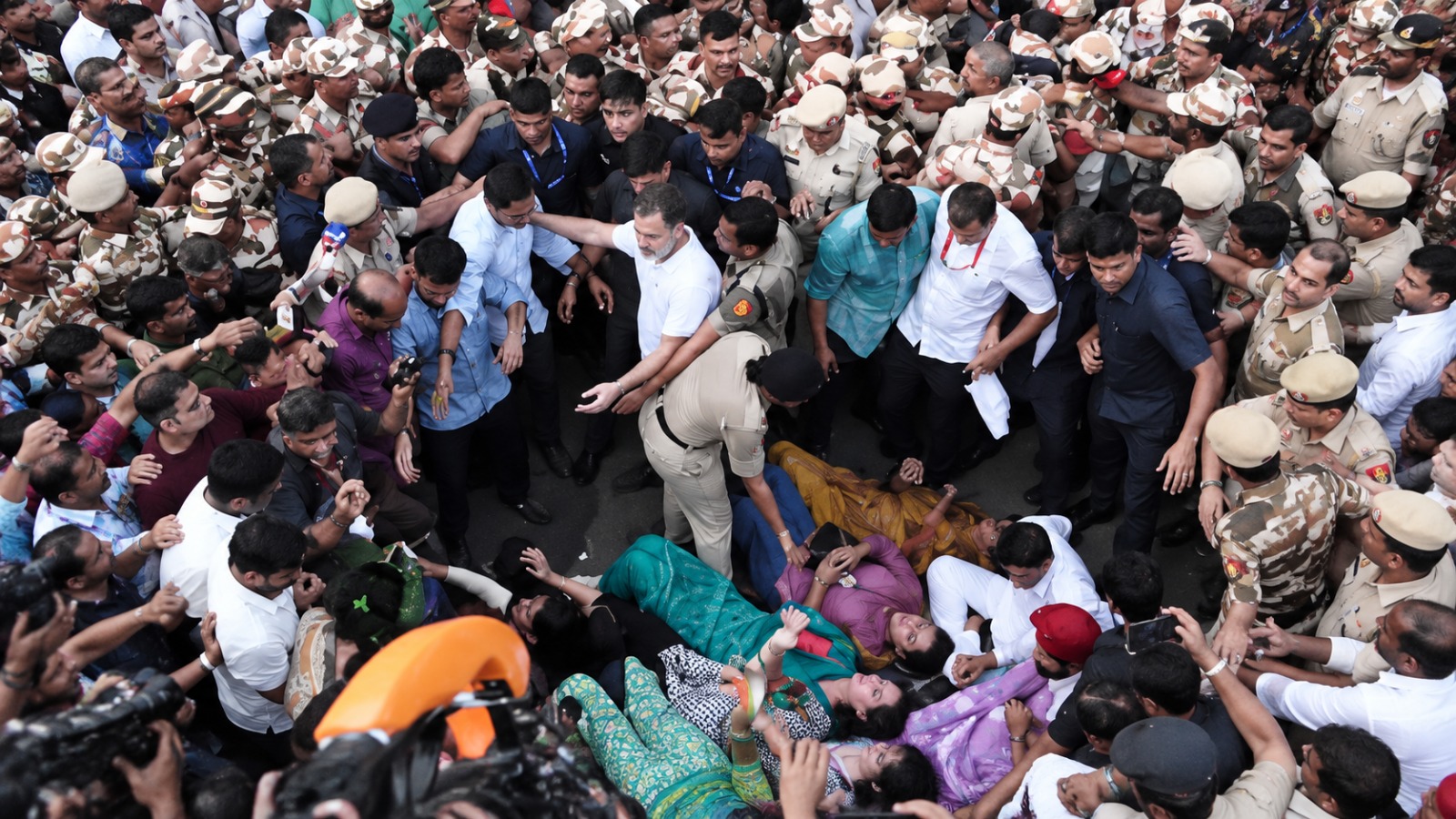
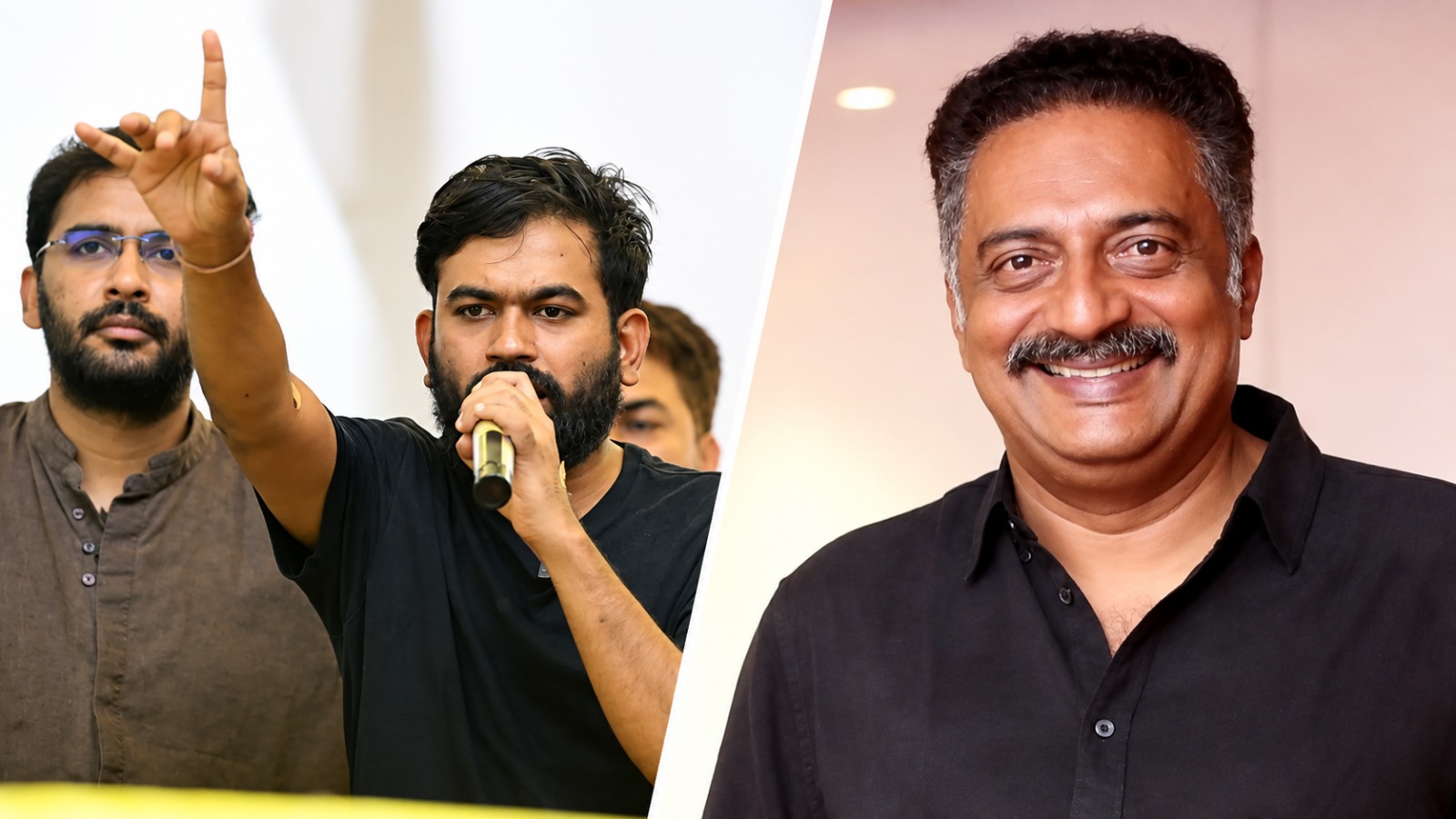
The Bill arrived in Parliament only days after a sustained student agitation led by the Cockroach Janta Party (CJP), a Gen-Z movement that began as an online satire and grew into a nationwide protest against repeated paper leaks, particularly the NEET-UG 2026 cancellation. Students camped at Delhi’s Jantar Mantar for weeks, demanding accountability, systemic reforms and Pradhan’s resignation. The agitation peaked with a “Sansad Chalo” march on July 20 that met with police action involving tear gas and batons. On July 25, Pradhan stepped down; the CJP subsequently called off the sit-in after government assurances on compensation for families of aspirants who died by suicide and a review of FIRs against protesters.
Wednesday’s debate, which stretched nearly nine hours across repeated adjournments, initially saw both sides engage with the Bill’s provisions. Singh, who piloted the measure, stressed that the government had acted swiftly after the 2024 law came into force, lodging 52 FIRs in the NEET-related cases. He argued that the amendments reflected a willingness to learn from experience, noted a decline in exam-related suicides, and insisted the legislation would reinstate public confidence. The minister also criticised Rahul Gandhi for focusing on political attacks rather than offering concrete suggestions on examination reforms or student welfare.
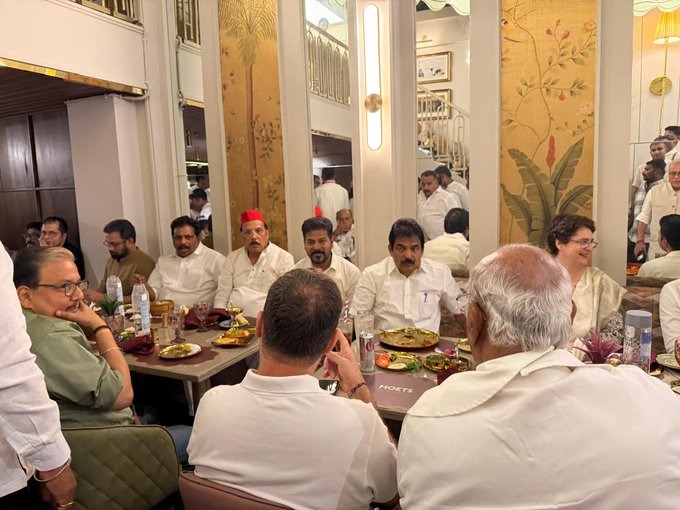
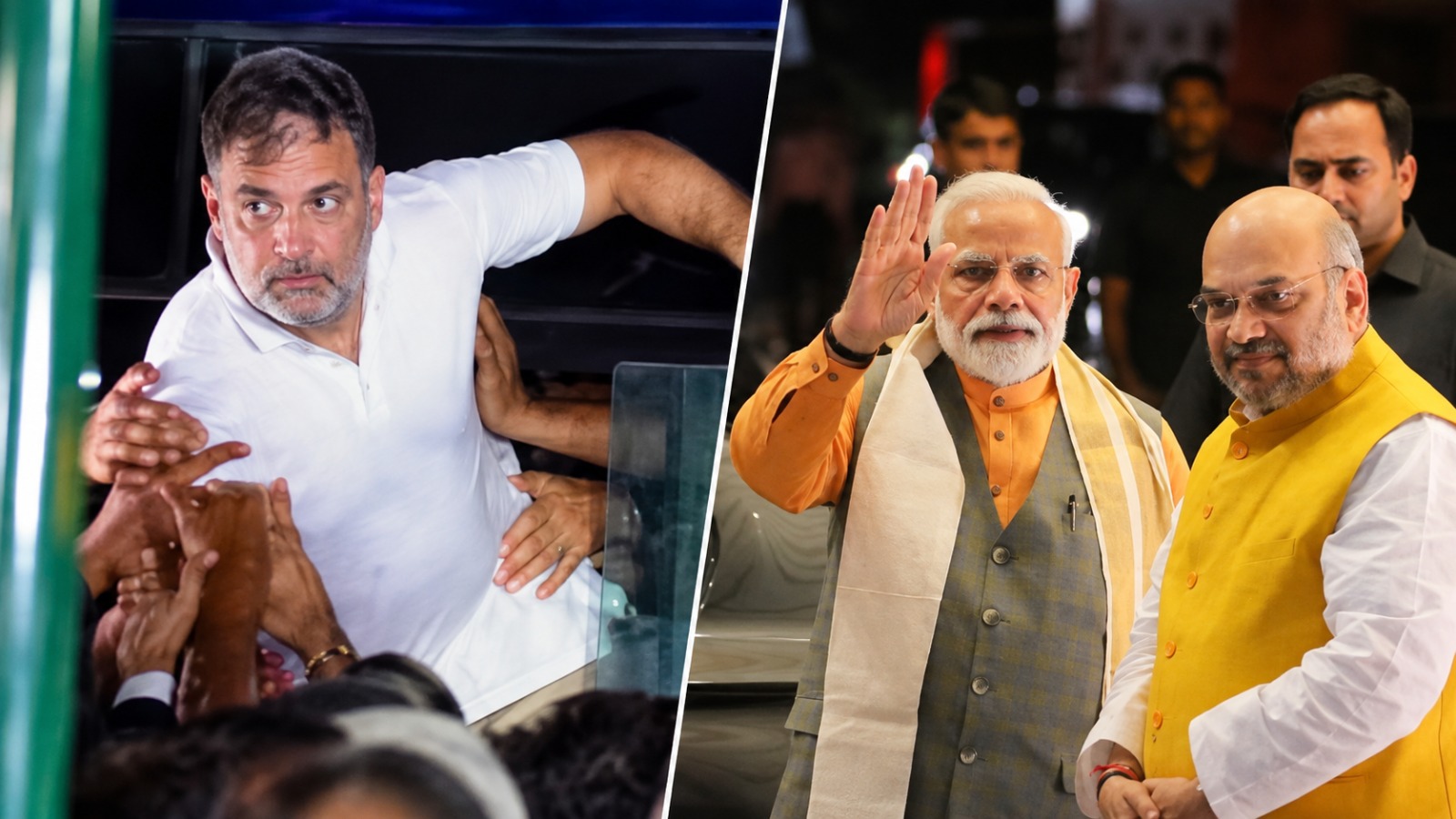
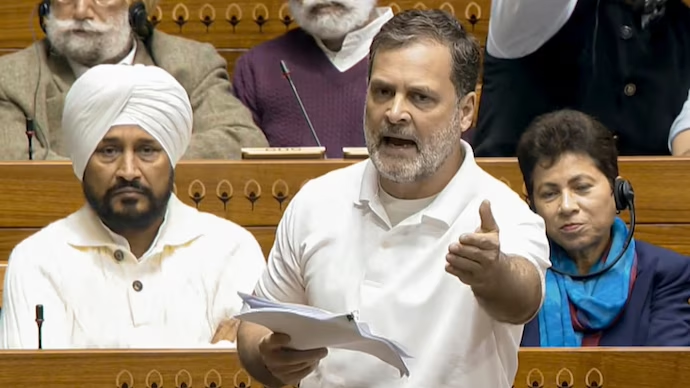
Opposition members, while supporting the Bill’s intent, used the floor to highlight what they called deeper failures. Rahul Gandhi, speaking for nearly an hour, praised the student protests as an expression of the country’s future generation rather than anger or violence. He recounted a conversation with an 18-year-old student who classified people into three categories - students with open minds, “idiots” who believe they know everything, and “andhbhakts” who treat another person as god - triggering sustained protests from the treasury benches. Parliamentary Affairs Minister Kiren Rijiju objected that the language was unparliamentary; Speaker Om Birla later ordered certain remarks expunged. Gandhi then escalated his attack, alleging that Home Minister Amit Shah had ordered the use of force, including pellets, against students during the July 20 march. “The Home Minister ordered the shooting of our students,” he said, claiming only the minister or Prime Minister could authorise such action. The government rejected the charge, stating no bullets were fired and that firing orders rest with magistrates, not the Home Minister. After the passage, Gandhi described the Bill as a “band-aid when you need surgery,” arguing that no one had been convicted under the existing law and that leaks would continue without systemic change.
Samajwadi Party leader Akhilesh Yadav, supporting the measure, questioned its effectiveness. He alleged that the highest number of paper leaks had occurred under the present government, asked how many people had been caught under the 2024 law despite more than 20 incidents in Uttar Pradesh alone, and claimed involvement of ruling-party elements rendered any law hollow. Trinamool Congress MP Abhishek Banerjee also backed the Bill but refused to treat it as a clean chit, saying it could not erase years of what he termed systemic incompetence and failure on the NEET issue; the opposition, he insisted, would continue to hold the government accountable.
The Bill now moves to the Rajya Sabha. Its passage marks a legislative response to youth anger that had paralysed Parliament for days, yet the fiery exchanges on Wednesday underlined that political contestation over examination integrity and the handling of student dissent remains far from settled.