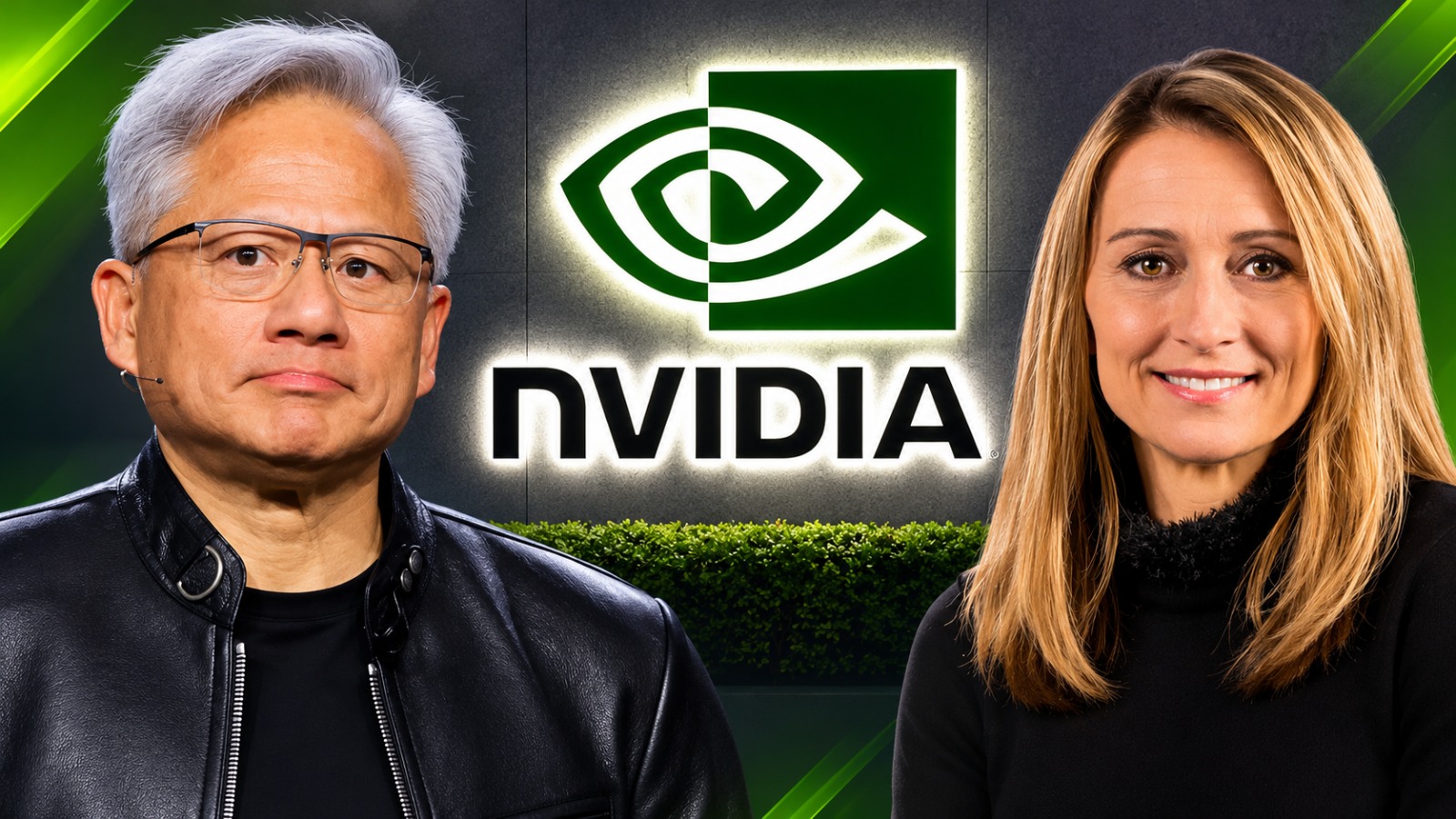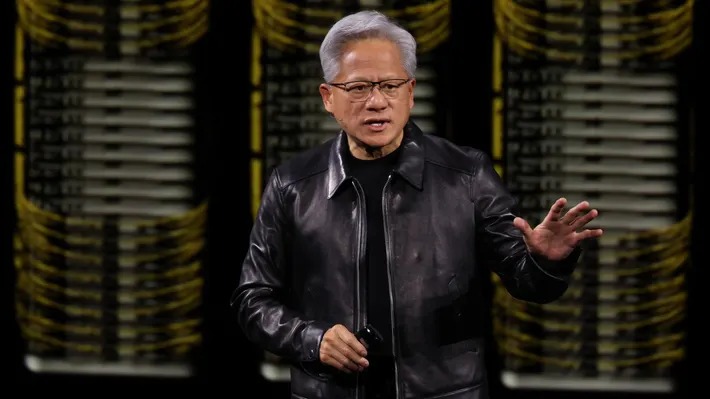
Nvidia co-founder Jensen Huang reportedly disclosed details of at least four extramarital relationships during a meeting with the company's board of directors, shortly before being reinstated as chief executive. The disclosure comes amid a controversy that led to his resignation on November 12 and triggered concerns over corporate governance and possible national security implications.
Huang reportedly made the disclosures during an extended meeting with Nvidia's board on Sunday, November 22, according to a report by The Wall Street Journal, cited by The Week. The meeting took place ahead of the board's decision to bring him back to the helm of the American semiconductor giant.
According to the report, Huang acknowledged relationships beyond those that had already become public. The revelations reportedly included at least four extramarital relationships, adding another dimension to the controversy surrounding one of the most influential executives in the global artificial intelligence industry.
The controversy first intensified after reports emerged of Huang's relationship with Alice Huang, a Chinese businesswoman suspected by US intelligence officials of having links to Beijing. The allegations raised questions about whether the Nvidia chief could have been targeted as part of a possible Chinese intelligence operation.
Huang had also faced reports of relationships with Nvidia executives and employees, including Kimberly Powell, the company's vice-president of healthcare, and another unnamed employee. Reuters had earlier reported the latter relationship, citing people familiar with the matter.
‘Very Terrible Mistakes’: Huang Apologises to Employees
Following his reinstatement, Huang reportedly addressed employees at Nvidia's headquarters on Monday, November 23, acknowledging the controversy and expressing regret over his conduct.
“I’ve made some very terrible mistakes, and I’m going to work on coming back,” Huang reportedly told employees.
His remarks were reportedly met with cheers from staff members, some of whom welcomed his return despite the controversy.
The apology came after Huang had earlier acknowledged serious mistakes in his personal life and expressed his commitment to the company. His return followed an intense campaign by employees, investors and prominent technology industry figures who argued that his leadership remained crucial to Nvidia.
Nvidia Board Reverses Its Earlier Decision
In a significant reversal, Nvidia's board of directors voted unanimously on November 23 to reinstate Huang as president, chief executive officer and board director.
The decision came less than two weeks after his resignation.
Board chairman Harvey C. Jones said the directors had confidence in Huang's leadership abilities.
“The Board believes Jensen is the right person to lead NVIDIA, and that his reinstatement is in the best interests of our stockholders, employees, partners and customers,” Jones said in the company's official announcement.
Nvidia also said the board had received input from senior US government officials before reaching its decision. According to the company, that input supported its assessment that Huang's return did not pose a national security risk.
National Security Investigation Continues
Despite Huang's return, questions surrounding his alleged association with Alice Huang remain under scrutiny.
Nvidia's independent directors are overseeing an investigation into whether the relationship exposed the company to potential espionage or resulted in the disclosure of sensitive corporate or national security information.
The allegations are particularly significant because Nvidia's advanced artificial intelligence chips have become a central issue in the technology and strategic competition between the United States and China.
Beijing has denied allegations that Alice Huang was working as an intelligence asset.
US President Donald Trump has publicly supported Jensen Huang's return, arguing that the company needs his leadership. The administration has also reportedly reassured Nvidia's board about the national security implications of his reinstatement.
Congressional Testimony Ahead
Huang's return does not mean the controversy is over. He is scheduled to appear before three US House committees for confidential testimony on December 1. He is also expected to testify publicly before a Senate committee on December 3.
The hearings are expected to examine issues surrounding Nvidia's business dealings, its links to China and broader national security concerns.
Meanwhile, Nvidia shares rallied sharply following the announcement of Huang's return. Reuters reported that the stock surged 31.5 per cent on Monday, adding nearly $1 trillion to the company's market value.
The developments leave Nvidia facing two parallel challenges: restoring confidence in its corporate leadership and addressing questions over national security and its international business relationships.