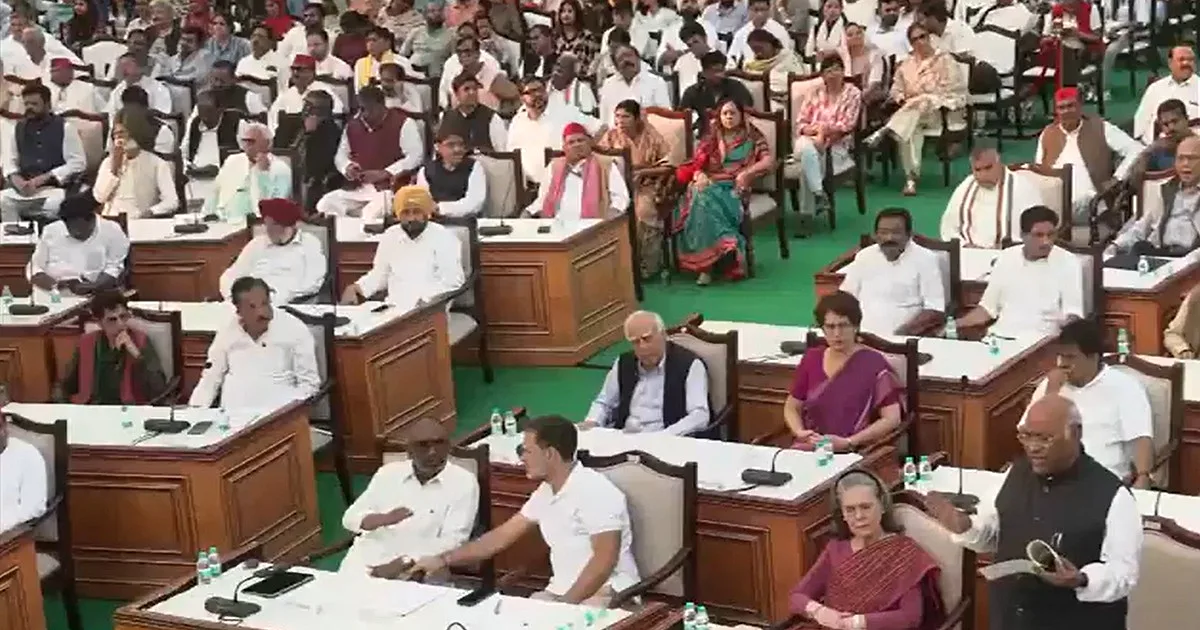
In an unusual gathering that replicated the atmosphere of a parliamentary session, leaders of the opposition INDIA alliance convened on Saturday at Congress president Mallikarjun Kharge’s residence on Rajaji Marg to conduct what they termed a “public impeachment” of Chief Election Commissioner Gyanesh Kumar. Former Lok Sabha Speaker Meira Kumar presided over the proceedings, which concluded with the unanimous adoption of a motion by show of hands calling for Kumar’s immediate removal and his trial for treason.
Kharge, moving the resolution, outlined six specific accusations against the CEC. These included allegations that Kumar had participated in efforts to manipulate national and state elections in coordination with the ruling party; that roughly 13.2 crore names - equivalent to about one in seven voters - had been struck from electoral rolls during the Special Intensive Revision (SIR) exercise; that changes had been made to the statutory Form 6 used for voter enrolment without legislative approval; that control over electoral rolls had been centralised through the ECINET platform; that the other two Election Commissioners had been sidelined from key decisions; and that the Commission had operated under the direction of Prime Minister Narendra Modi and Home Minister Amit Shah. The resolution stated that the lifelong legal protections extended to the CEC under a 2023 law were intended to shield such actions, and it asserted that INDIA MPs representing over 60 percent of the population had resolved that Kumar must face trial in accordance with constitutional processes for betraying public trust.
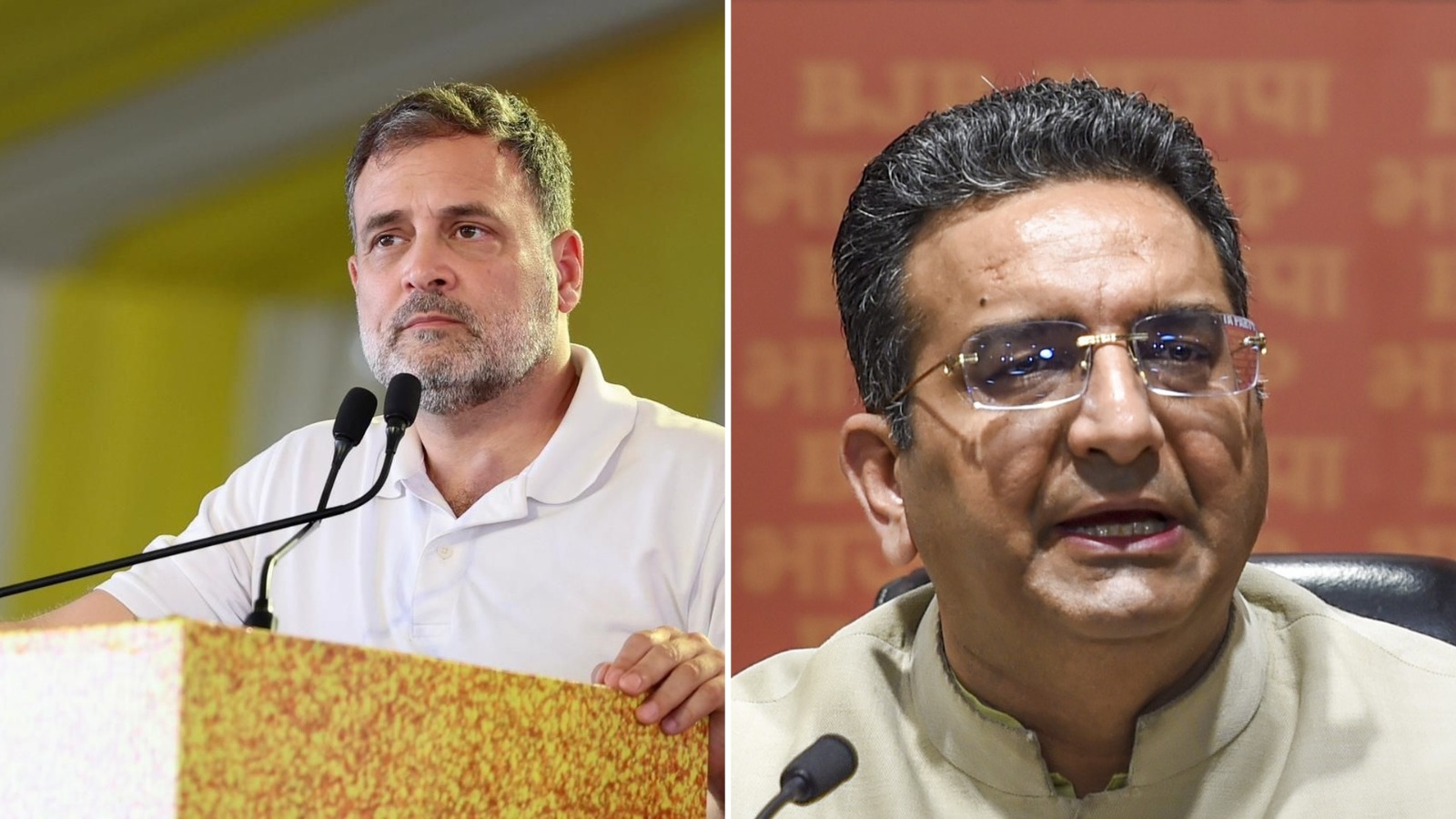
Leader of the Opposition in the Lok Sabha Rahul Gandhi, delivering concluding remarks, fully endorsed the motion. He described the symbolic exercise as a “political weapon” directed at everyone who, in his view, had colluded to undermine the votes of ordinary Indians. “We are not going to let you escape,” Gandhi said, addressing Kumar directly. “I am saying this with love and affection; we are not nasty or evil people, but we will protect the Constitution and the voice of our people.” He further declared that “Gyanesh Kumar should be impeached. Gyanesh Kumar should be tried. Gyanesh Kumar should be tried for treason,” while claiming the opposition possessed sufficient evidence to prevent the CEC from remaining in office. Gandhi also highlighted the scale of the deletions, arguing that the 2024 elections could not be considered legitimate if such a large share of the electorate had been removed.
The event followed the earlier rejection of formal impeachment notices submitted by opposition members in both Houses of Parliament. It also built on a separate “people’s impeachment notice” issued earlier in the month by a group of retired civil servants and activists, who had levelled similar charges of “proved misbehaviour” under Article 324(5) of the Constitution but were prevented by police barricades from delivering it in person at the Election Commission office.
The proceedings formed part of the broader opposition campaign against the SIR process and alleged irregularities in voter lists, ahead of a planned rally in Delhi on Sunday. Student and youth activists who have been at the forefront of street protests against the revisions also lent their support. AISA president Neha Bora, a prominent figure in the ongoing agitations calling for Kumar’s exit, has articulated the core demand clearly: “Impeach Gyanesh Kumar and halt SIR, so that the ordinary citizens of this country can breathe a sigh of relief, feel at ease, and have their voting rights ensured.” Bora has stated that the movement will continue until both the CEC is removed and the revision exercise is fully stopped.
The symbolic proceedings carry no legal force to remove the CEC, whose position is protected from removal except through a rigorous constitutional process requiring proof of misbehaviour or incapacity. The ruling BJP dismissed the gathering as an exercise in frustration, with party leaders characterising the mock session as a self-created illusion for the opposition leadership. The Election Commission has previously maintained that its decisions, including those related to SIR, reflected the unanimous view of the full Commission and that internal differences of opinion are a normal part of institutional functioning.