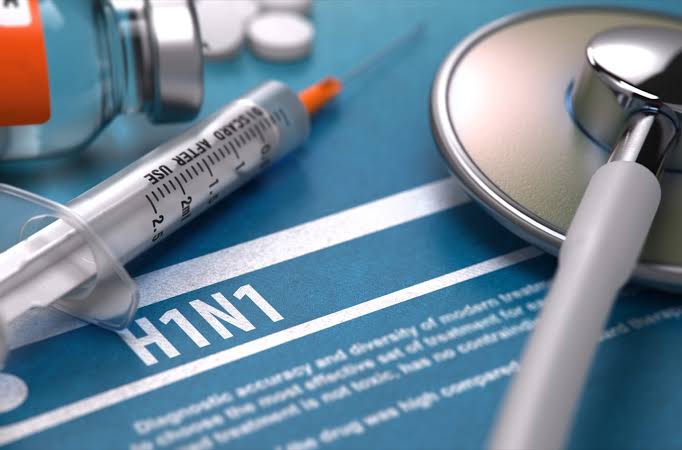
Delhi has recorded 1,777 confirmed cases of Influenza A (H1N1), commonly known as swine flu, so far in 2026, according to health department data. The figure forms part of 2,392 Influenza-A infections reported in the national capital this year, with H1N1 emerging as the dominant strain.
On August 20 alone, the city reported 159 fresh influenza cases, of which 114 were H1N1. Officials note that the cumulative H1N1 tally represents a substantial increase compared with the corresponding period last year, when around 229 cases were recorded.
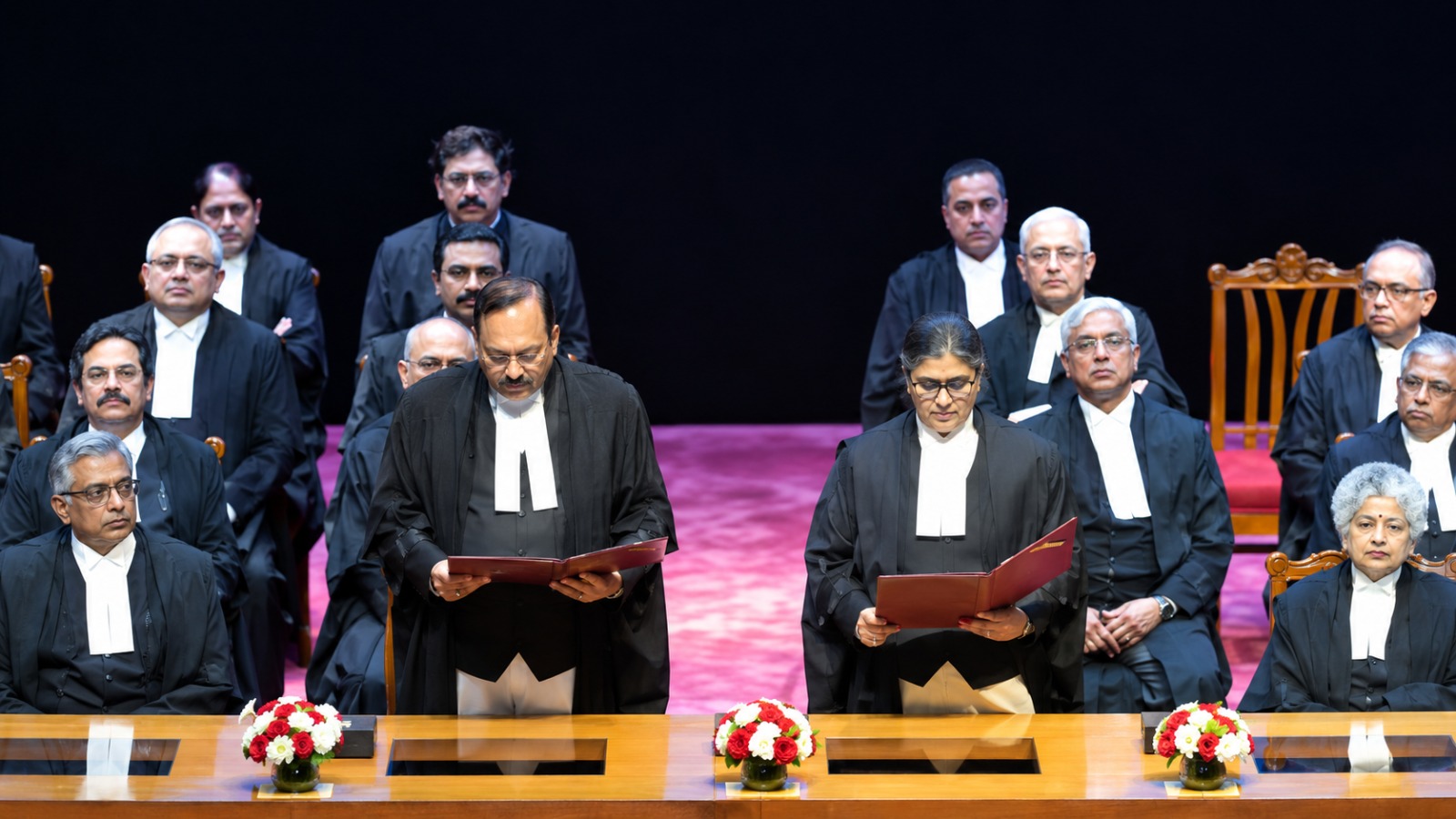
Union Health Minister J.P. Nadda on Friday chaired a high-level review of the seasonal influenza situation, with a particular focus on Delhi. Delhi Health Minister Pankaj Kumar Singh attended the meeting along with senior officials from the Union Ministry of Health and Family Welfare and the Delhi government.
The review covered national surveillance data, trends in influenza like illness (ILI) and severe acute respiratory infections (SARI), laboratory testing capacity, and the readiness of healthcare facilities. Nadda stressed the need for continued vigilance, robust surveillance, and proactive preparedness, including close monitoring of influenza trends.
A statement from the Union Health Ministry said: “The Ministry continues to coordinate with States/UTs, hospitals, laboratories and other stakeholders to ensure effective surveillance, early detection, timely clinical management and proactive preparedness for seasonal influenza, including H1N1.”
Nadda also emphasised public awareness of preventive measures such as respiratory hygiene and hand hygiene. He advised that people experiencing persistent or severe respiratory symptoms, breathing difficulty, or other warning signs should seek medical advice promptly.
Delhi Health Minister Pankaj Kumar Singh assured residents that the city is fully prepared. “I would like to assure the people of Delhi that we lack neither equipment nor beds. Government of India, Union Minister JP Nadda have assured the Delhi Government and Delhi Health Department that all preparations are in place to ensure that nothing untoward happens. There is no need to panic,” Singh said after the meeting.
He added that more than 1,770 patients had sought treatment in Delhi until Thursday, with several already discharged after recovery. Singh confirmed there is no shortage of hospital beds, doctors, medicines, or essential medical equipment, and that patient numbers are being monitored with arrangements strengthened as required. Dedicated wards have been set up at major government hospitals, and daily surveillance continues through the Integrated Disease Surveillance Programme.
On Saturday, the Union Health Ministry issued a public advisory listing common H1N1 symptoms, which include fever, cough, sore throat, headache, runny nose, body aches, and fatigue. The ministry urged people not to ignore persistent symptoms and to seek medical advice at the nearest healthcare centre if these appear.
Health authorities have directed hospitals and district officials to strengthen screening, reporting, and monitoring of influenza-related cases. Guidelines on patient assessment, treatment, ventilator support, mask use, and home-based care have been circulated. Officials attribute the rise partly to monsoon weather conditions that favour viral transmission, while noting that most cases remain mild to moderate.
Residents have been advised to maintain hand hygiene, practise respiratory etiquette, wear masks in crowded settings if unwell, and avoid close contact with those showing symptoms. Annual influenza vaccination is recommended for high-risk groups, including the elderly and those with underlying health conditions.
Authorities continue to monitor the situation closely and reiterate that there is no cause for general panic as healthcare facilities remain equipped to manage the seasonal increase.