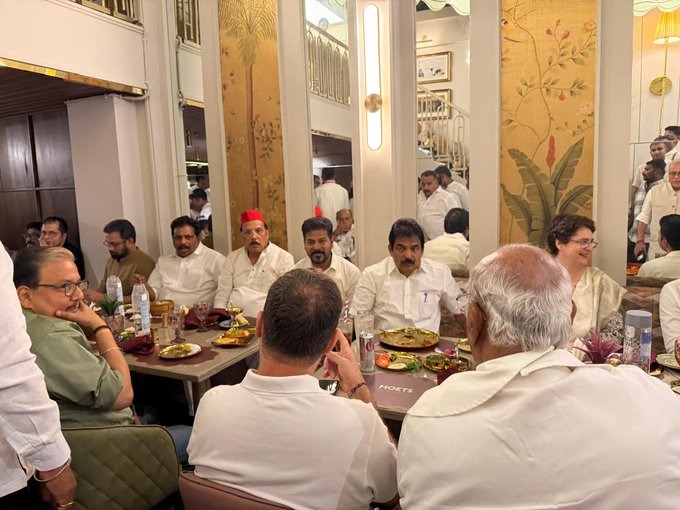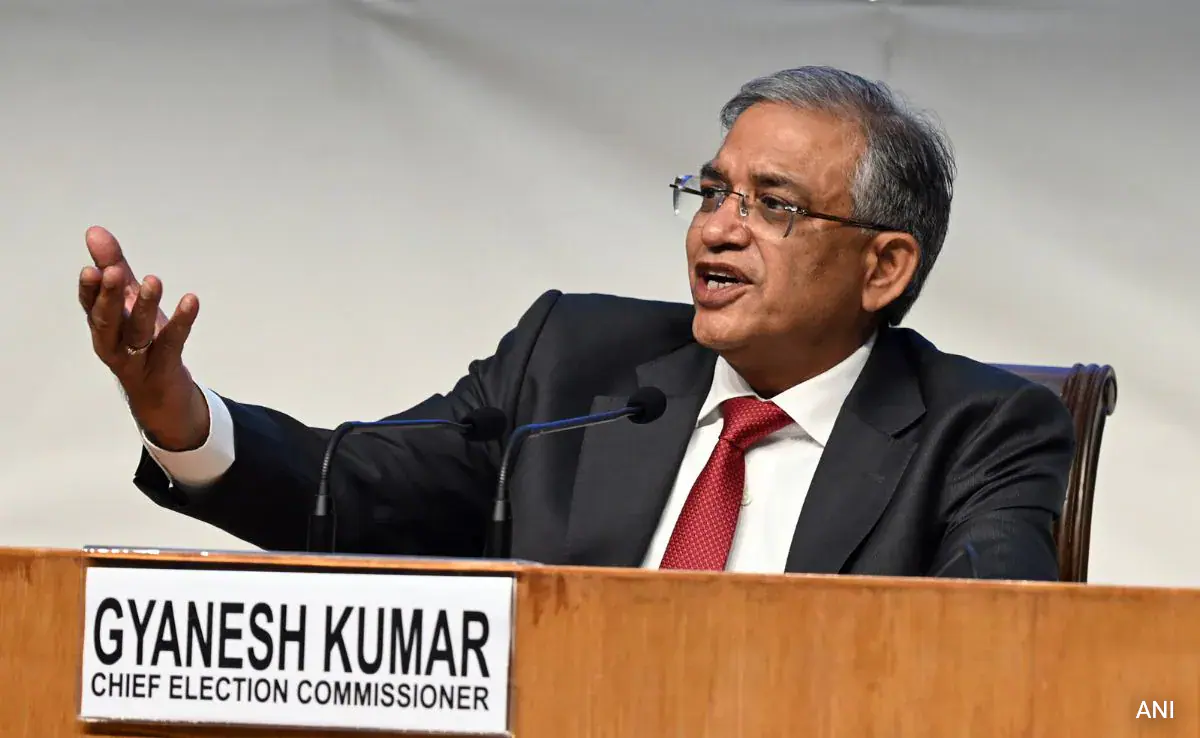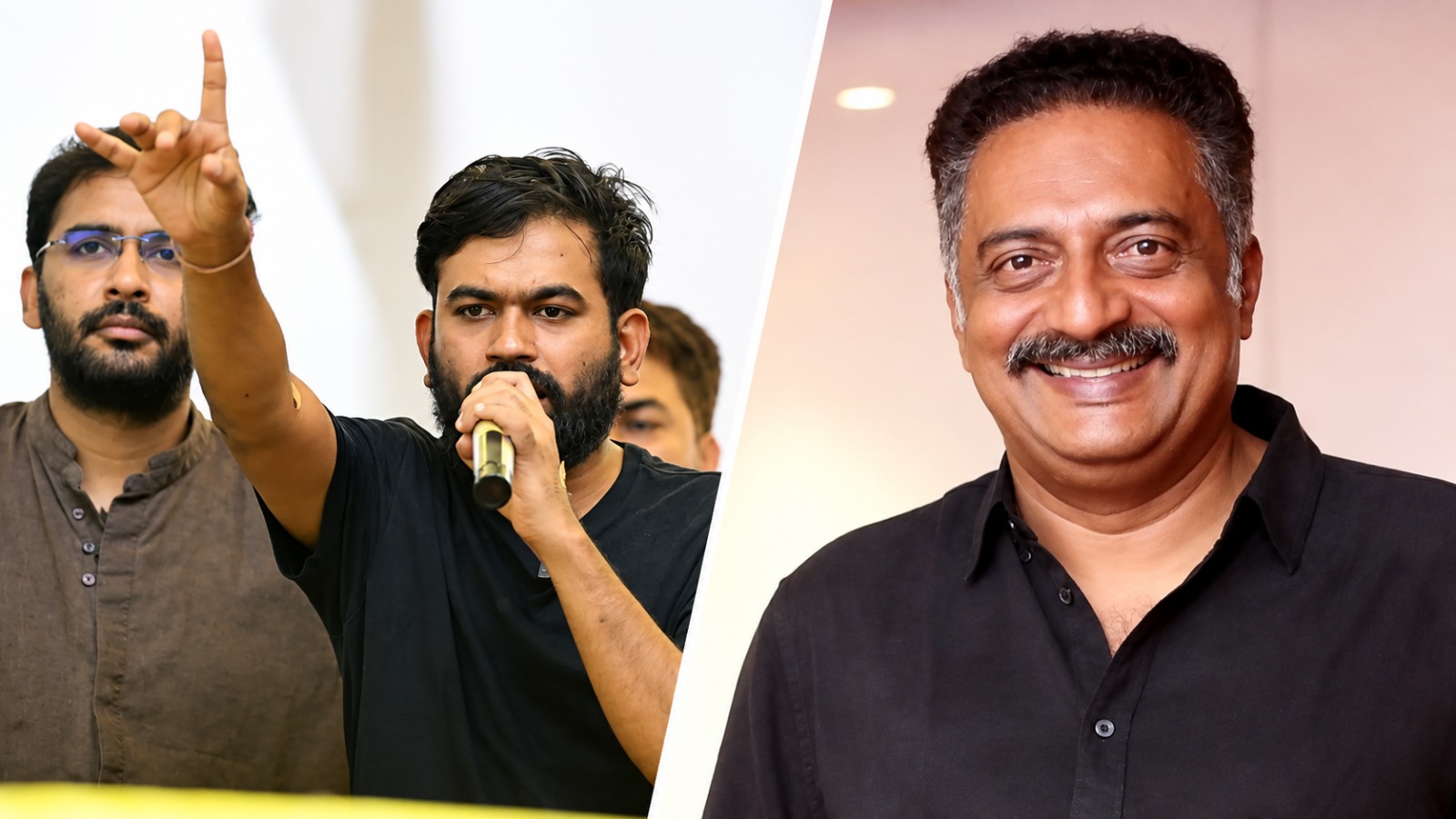

In a fresh attempt to break the deadlock over the nationwide protests against the alleged NEET paper leak, the Centre on Thursday renewed its invitation to the Cockroach Janata Party (CJP) for talks, with Union Minister Jitendra Singh urging the protesters to engage in dialogue "at any time" on all issues raised by the movement.
The government proposed that the meeting be held either at the residence or office of Union Health Minister J.P. Nadda, who, along with Jitendra Singh, would represent the Centre during the discussions.
"The government has formally invited the protesters for talks four times. Our message to the youth is that we are ready to discuss all issues at any time convenient to you. I humbly request you to come for talks. The meeting can be held at Union Minister J.P. Nadda's residence or office. Nadda ji and I will both be present. Through dialogue, we can gradually move towards a solution," Jitendra Singh said.
According to the minister, Thursday's outreach marked the fourth formal invitation extended to the protesters since Wednesday evening. He said the Centre remained committed to students' welfare and viewed dialogue as the most constructive way to address their concerns.
Fresh Outreach After PM's Announcement
The renewed offer comes just hours after Prime Minister Narendra Modi announced that the government would establish fast-track courts to ensure speedy trials in examination paper leak cases and strengthen the integrity of the country's examination system.
The Centre appears to be combining legal measures with political outreach as it attempts to contain growing public anger over alleged irregularities in competitive examinations.
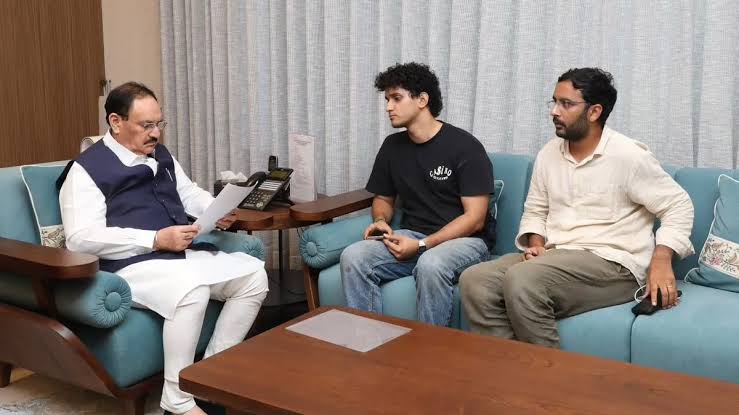
The government has already held one round of discussions with CJP representatives. Although J.P. Nadda assured the delegation that their demands would be examined, the meeting ended without a resolution, and the protest has continued unabated at Delhi's Jantar Mantar.
The CJP has now rejected the government's latest proposal to meet at Nadda's residence or office. Instead, party founder Abhijeet Dipke has called on Union ministers to hold discussions either at Jantar Mantar or at another neutral venue, arguing that the location should reflect an equal footing between the two sides.
The protesters have also accused the government of speaking the language of dialogue while simultaneously allowing police action against demonstrators.
Protesters Demand End to Police Action
CJP leaders have maintained that meaningful negotiations cannot take place unless the alleged crackdown on protesters is halted.
The movement, which began over the alleged NEET paper leak and broader concerns about corruption in the examination system, has evolved into a larger campaign demanding the resignation of Union Education Minister Dharmendra Pradhan and structural reforms in the country's recruitment and examination processes.
The agitation intensified after climate activist Sonam Wangchuk joined the protest with an indefinite hunger strike in solidarity with students. Although he was later shifted to Safdarjung Hospital after his health deteriorated, the hunger strike has continued under CJP leadership.
Parliament March Triggered Political Flashpoint
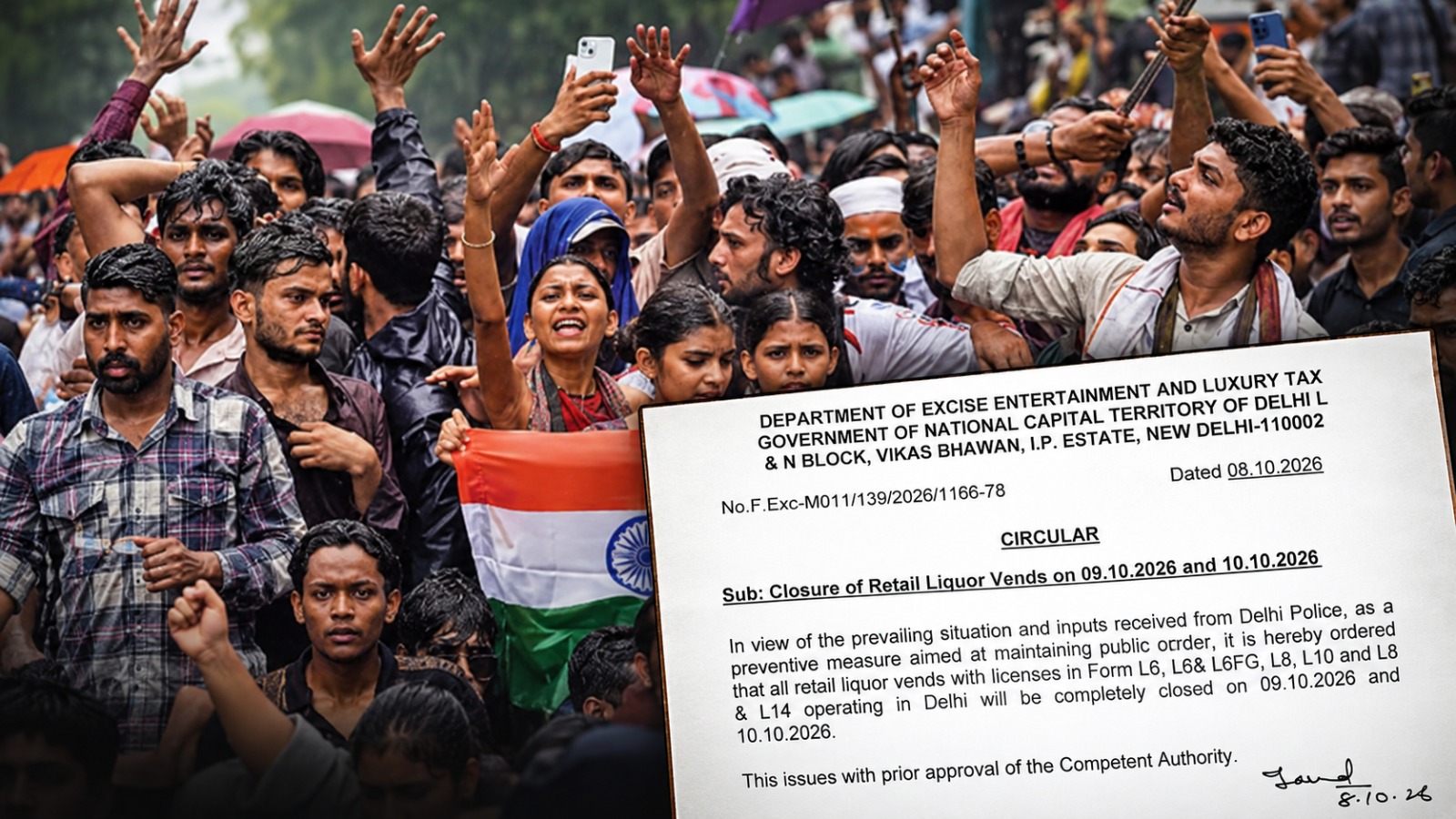
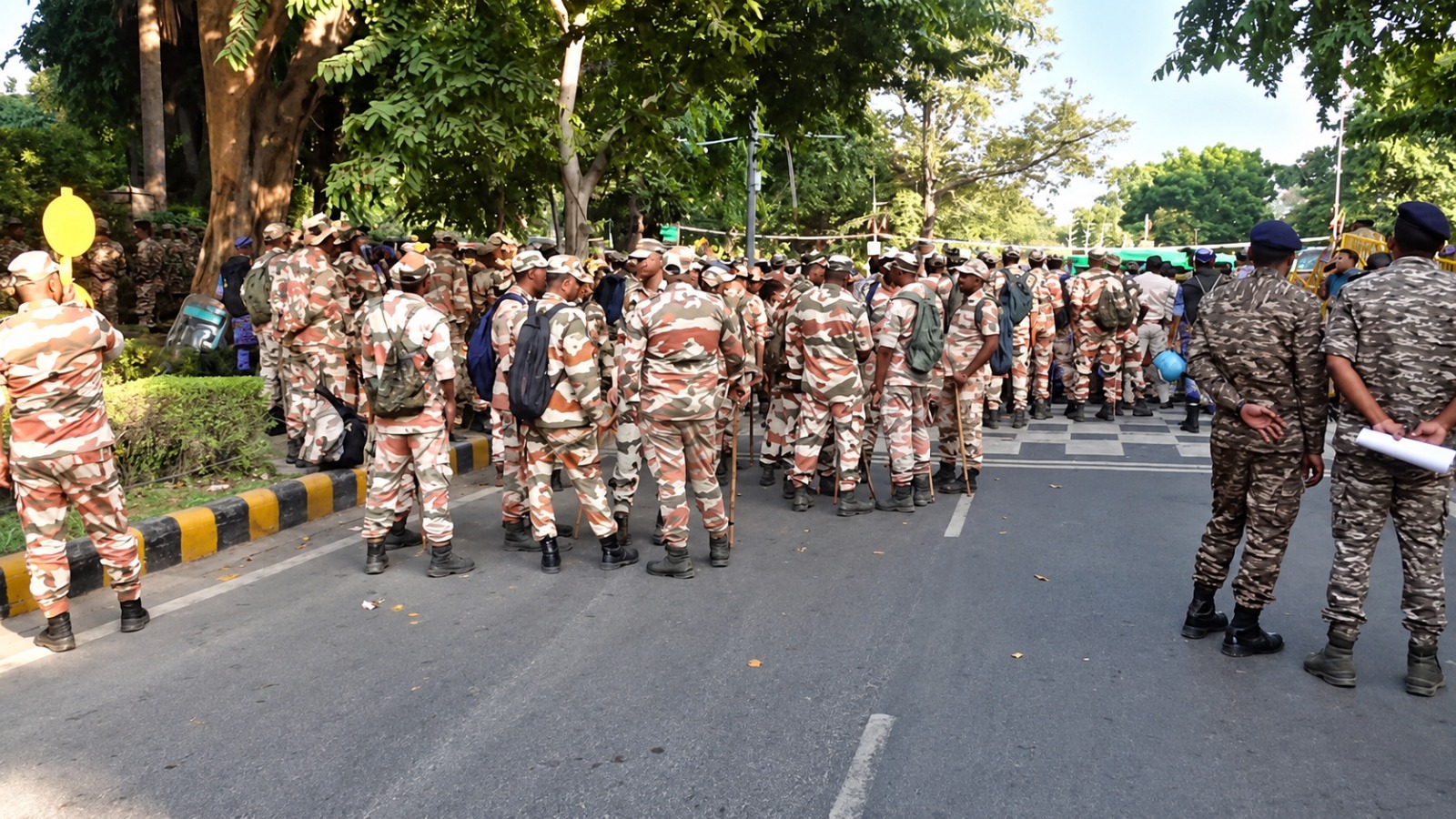
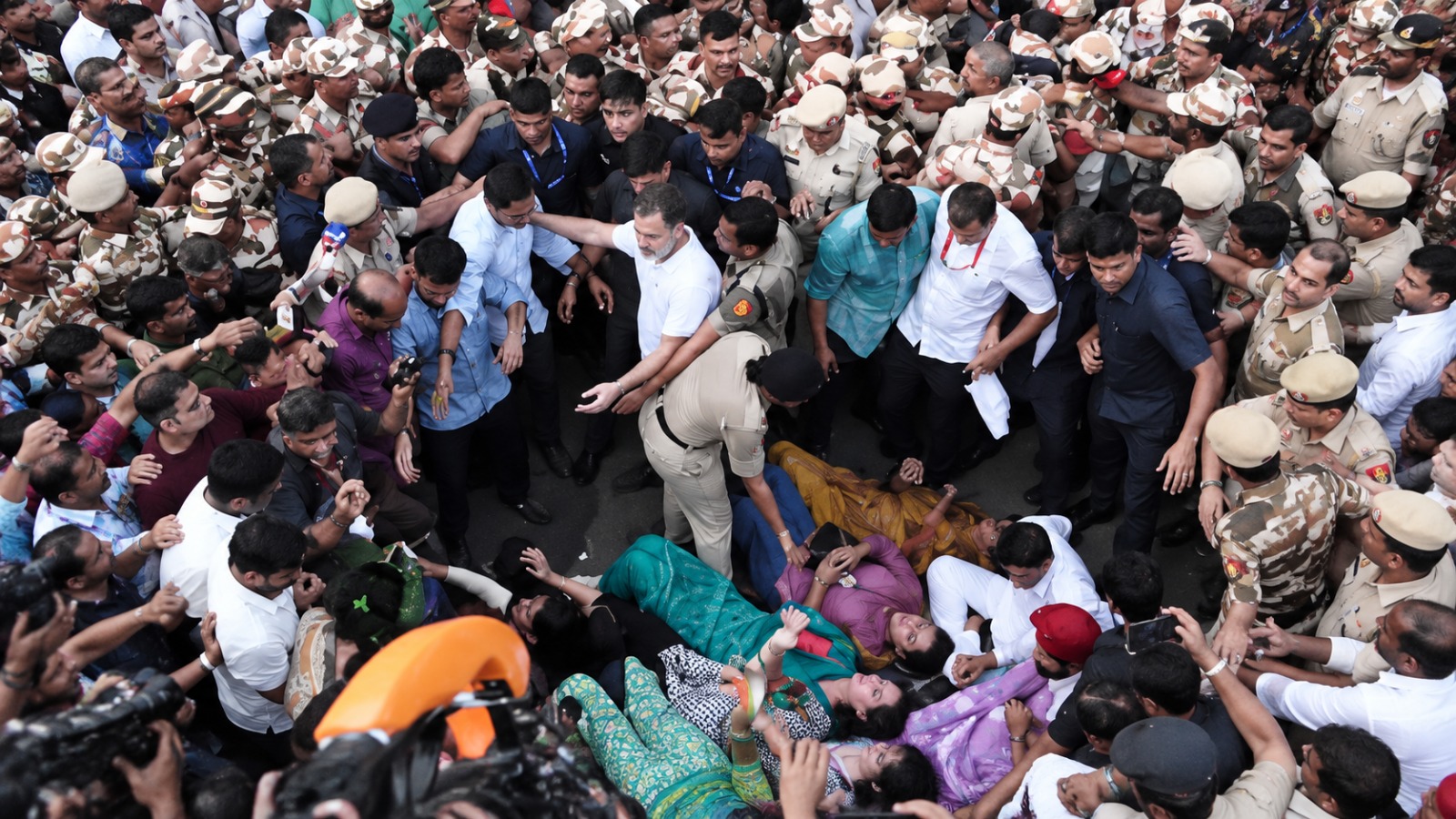
The confrontation reached a new peak on July 20, when more than 10,000 protesters attempted to march towards Parliament during the Monsoon Session. Delhi Police stopped the march with barricades, leading to clashes, allegations of excessive force and injuries to both protesters and police personnel.
The police have defended their actions as necessary to maintain law and order, while protesters have described the response as a disproportionate crackdown on a peaceful movement.
The controversy is now before the Delhi High Court, which has sought responses from the Centre and Delhi Police over allegations of excessive force during the Parliament march.
Despite the Centre's renewed appeal for dialogue, both sides remain divided over the terms of engagement. With the government insisting on talks at an official venue and the protesters demanding a neutral location, the impasse over one of the country's biggest student movements in recent years remains unresolved.