The threat of flooding in North Bengal following a glacial lake outburst in Bhutan has not entirely subsided, with a sudden rise in muddy water in the Sankosh river raising fresh concerns along its banks.
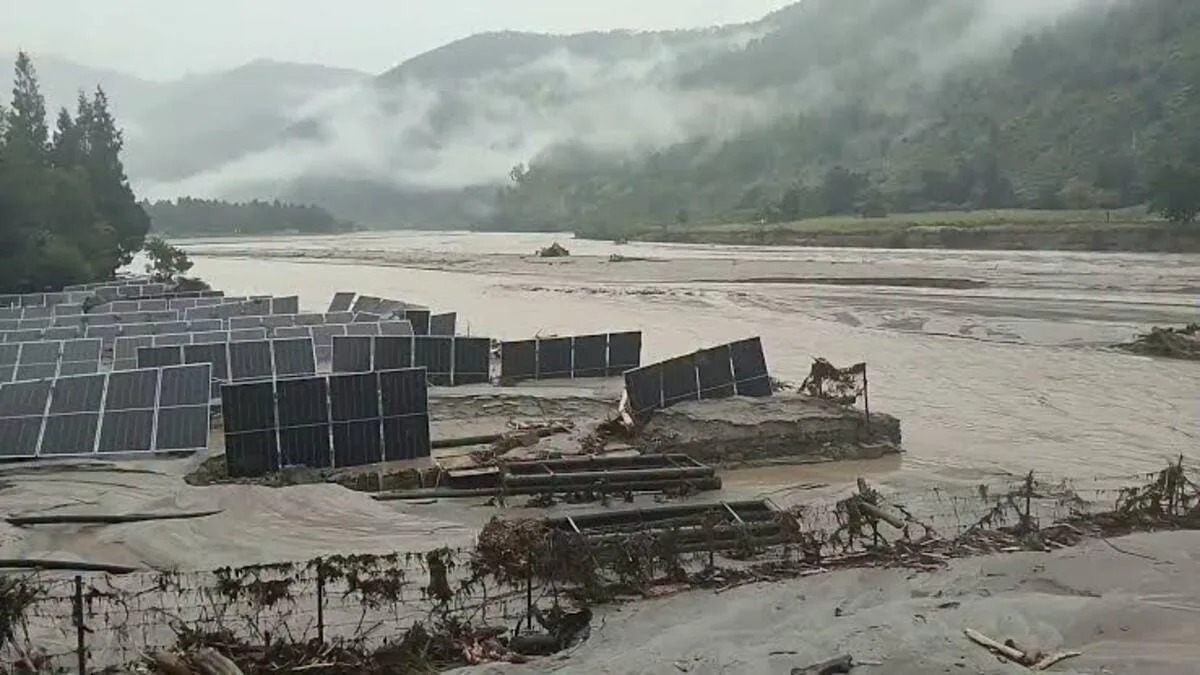
An alert was issued on Thursday night after a massive volume of water gushed out of Shintaphu Lake in Bhutan’s Gasa district. Although the Sankosh river’s water level did not rise significantly on Friday morning, the river began carrying a noticeably larger volume of muddy water later in the day.
The flood threat has particularly alarmed residents living along the Sankosh river, which flows from Bhutan through Assam and West Bengal before joining the Brahmaputra.
The outburst occurred on Thursday evening when water suddenly flowed out of Shintaphu Lake, a glacial lake formed by the accumulation of meltwater. The surge damaged infrastructure near the Gasa Tshachu hot springs and caused the water level in the Mo Chhu river to rise.
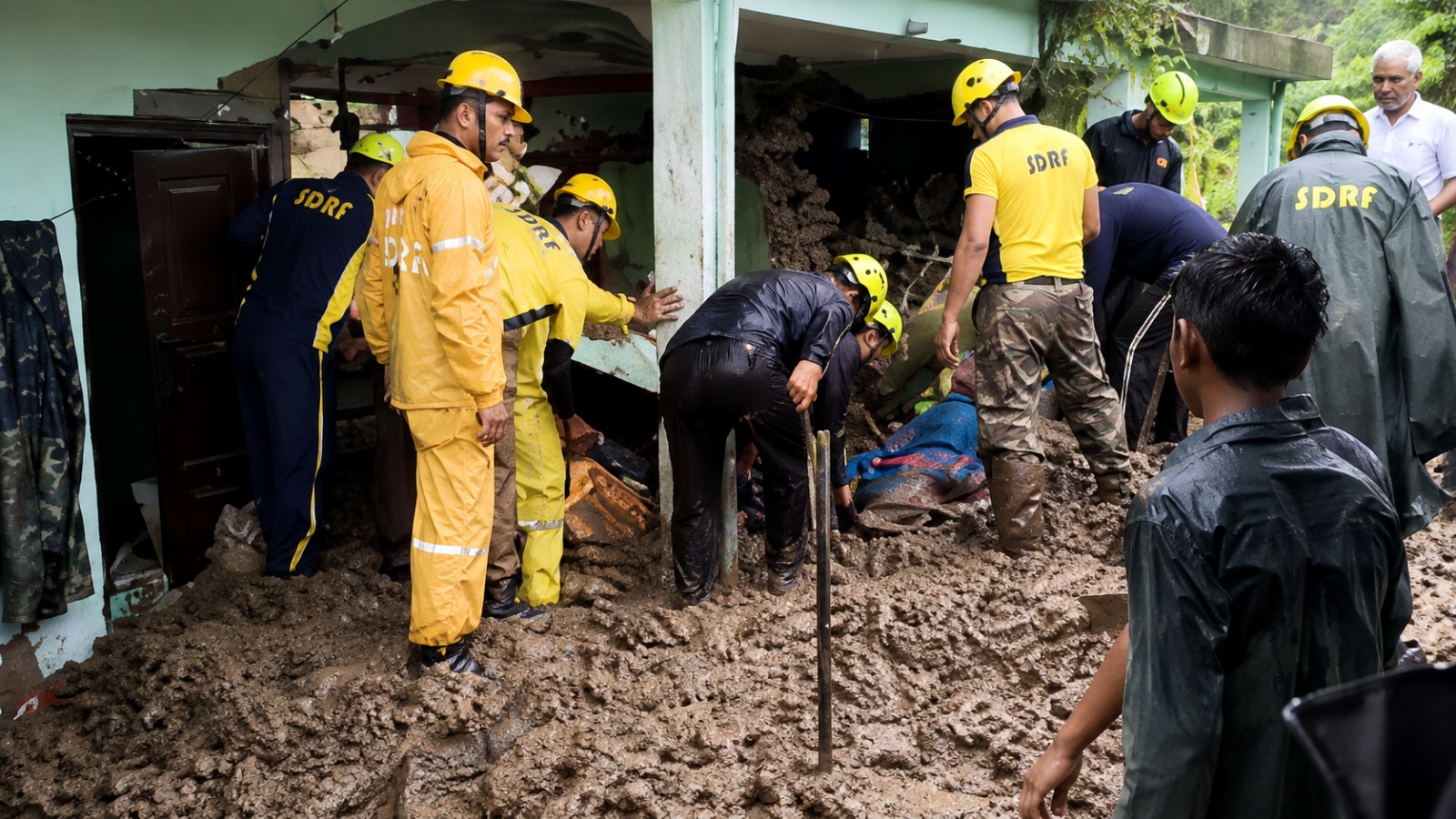
The full extent of the damage in Bhutan is yet to be assessed. Initial reports indicate that an irrigation project in Punakha has been partially damaged, while a section of the Punakha-Gasa road has been washed away.
Shintaphu Lake has a history of flash floods
Shintaphu is among 17 glacial lakes in Bhutan identified as potentially dangerous. The lake had triggered a flash flood in the Mo Chhu river on August 26, 2021, after its water level rose suddenly.
The river changed its course during that incident, and the Gasa Tshachu hot springs were also damaged.
The latest outburst has renewed concerns over the potential impact on rivers flowing into North Bengal.
Rivers in North Bengal face potential impact
Several rivers, including the Torsa, Jaldhaka, Sankosh and Raidak, enter West Bengal from Bhutan.
The Sankosh, known as Puna Tsang Chhu in Bhutan, originates in northern Bhutan and flows through Assam and West Bengal before joining the Brahmaputra.
The Mo Chhu, one of the Sankosh’s two major tributaries, is also connected to the river system. A rise in the Mo Chhu’s water level following the glacial lake outburst could therefore affect the Sankosh downstream.
While the river has not yet crossed its danger level, the changing water conditions have kept the flood threat in North Bengal under watch.