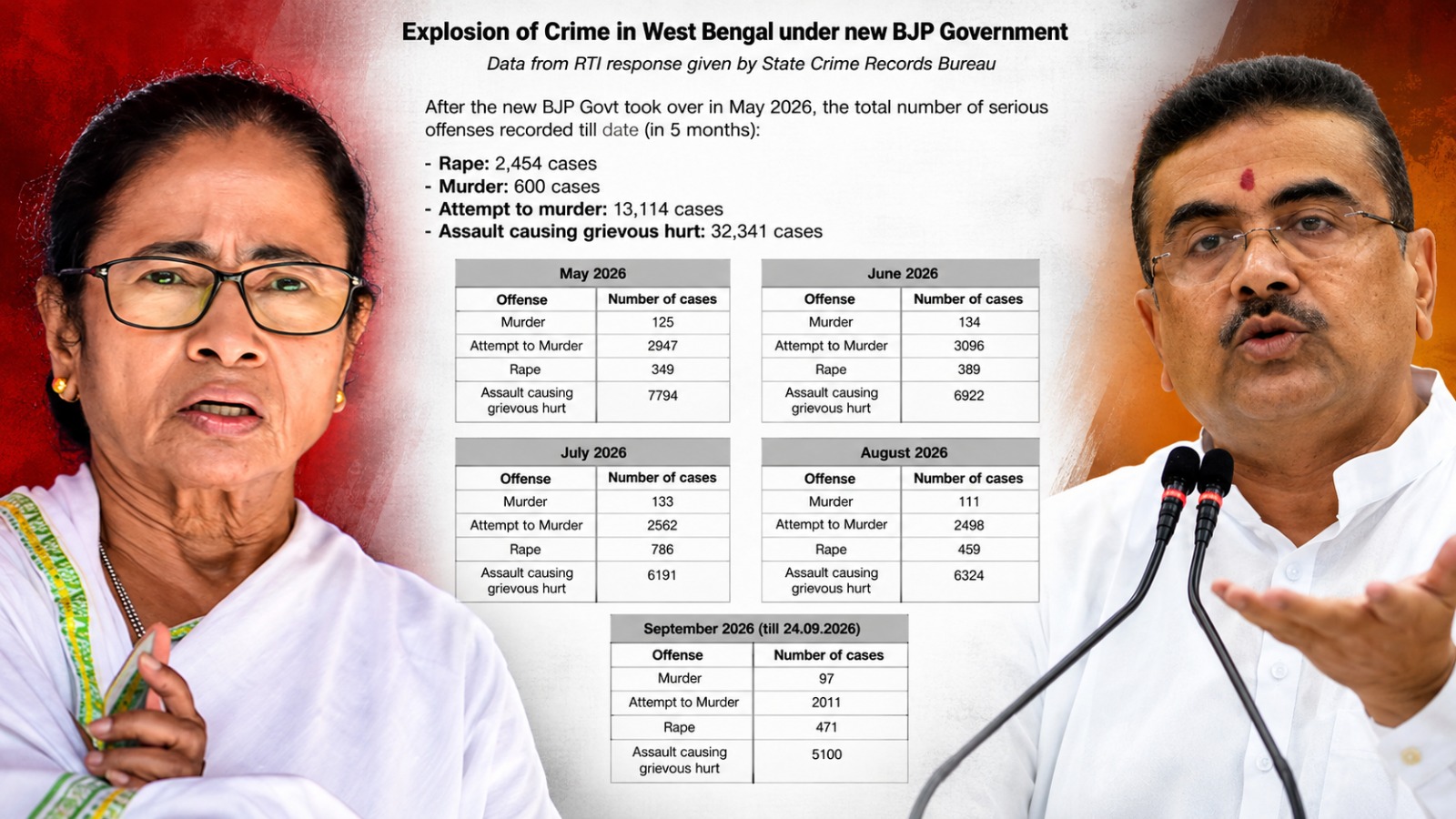
The West Bengal Legislative Assembly on Monday passed the ‘West Bengal Public Safety and Control of Anti-Social Activities Bill, 2026’, popularly known as the Anti-Goonda Bill or Goonda Daman Bill. The legislation introduces robust measures including preventive detention for up to one year without trial, externment orders, and powers to seize and confiscate assets linked to organised crime and anti-social activities.
The bill was passed by a division vote with 176 members in favour and 41 against, reflecting the ruling BJP’s majority under Chief Minister Suvendu Adhikari. It marks one of the new government’s key legislative initiatives, first to have been passed in the assembly - to tackle organised gangs, political violence, syndicates, illegal mining, sand extraction rackets, and other threats to public safety.
The government argued that existing laws had proved inadequate to deal with habitual offenders, organised criminal networks, and activities that create fear, disturb public order, or cause damage to public and private property. The bill expands the definition of anti-social activities and equips authorities with preventive tools similar to those already in force in states like Uttar Pradesh (Gangster Act), Maharashtra, Delhi, Karnataka, Madhya Pradesh, and Jharkhand.
The legislation clearly defines who qualifies as a “goonda” and what constitutes “anti-social activity”:
- A goonda includes a person who, individually or as part of a gang/syndicate, habitually commits, attempts, abets, promotes, finances, or facilitates anti-social activities. It also covers those charge-sheeted under specific sections of the Bharatiya Nyaya Sanhita (BNS), involved in offences under the Arms Act, NDPS Act, Immoral Traffic (Prevention) Act, or Explosive Substances Act, or those generally reputed to be desperate and dangerous to the community.
- Anti-social activity covers acts that cause or are likely to cause alarm, danger, fear, or insecurity among the public; grave danger to life, person, or property; disturbance of public order; obstruction to lawful business or rights; unlawful dispossession of property; substantial loss or damage to public or private property; or illegal activities related to mining, quarrying, sand extraction, forest produce, or wildlife that cause loss to the public exchequer.
Major Provisions of the Bill
Preventive Detention: Authorities (State Government, District Magistrates, Police Commissioners, or authorised officers) can detain a person for up to 12 months without trial if there is apprehension that the individual is engaged in or likely to engage in anti-social activities. Detainees must generally be informed of the grounds of detention and given an opportunity to make a representation, though information may be withheld if disclosure is deemed against public interest. Offences under the Act are cognizable and non-bailable.
Externment (District/Area Ban): A “goonda” can be barred from entering a specified area, district, or districts for up to one year. The person may also be required to report movements or themselves to authorities periodically.
Powers over Property and Assets: Police and authorised officers can search, seize, and confiscate movable and immovable property, documents, or materials linked to anti-social activities. If a person absconds to evade detention, authorities can attach property and initiate proceedings. The government can confiscate assets of offenders and recover compensation for damage caused to public or private property.
Other Features: The bill criminalises harbouring or assisting persons against whom detention or externment orders have been issued. It aims to disrupt criminal ecosystems, deter vandalism, and ensure accountability beyond mere imprisonment.
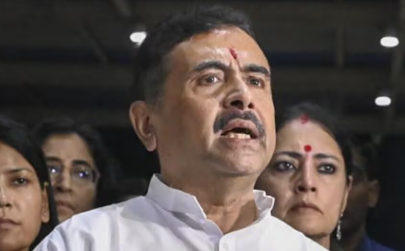
During the debate, Chief Minister Suvendu Adhikari strongly defended the bill and addressed concerns about potential misuse. He categorically assured the House that the law would be used strictly for public safety and not for any other purpose.
“We will not misuse this law. This law will not be used against anyone for the purpose of political vendetta. We will not misuse this law. We must ensure that no damage is caused to public or private property. It is the government’s responsibility to enforce this law strictly; that is why it is essential... It is not merely about sending people to jail; we will also confiscate their movable and immovable assets.”
Adhikari noted that similar laws exist in multiple other states and stressed that the legislation targets “goondas” and anti-social elements who engage in violence, riots, vandalism, and organised crime. He said the measure would make criminals “think five times before taking the law into their hands” and is aimed at preventing riots and other forms of violence while protecting citizens and public property.
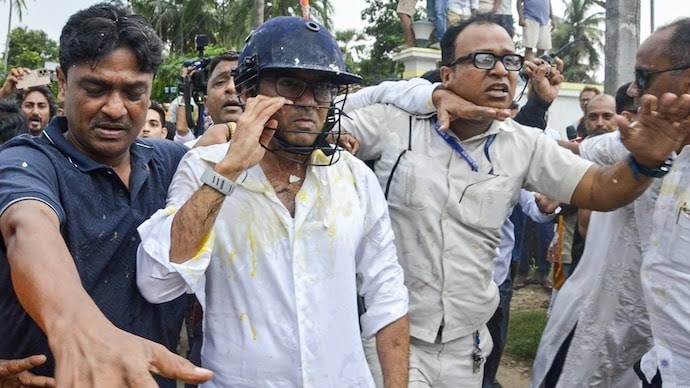
The Chief Minister also highlighted the need to recover compensation for damage to public and government property, stating that the government had already begun this process since assuming office. The passage followed a stormy debate. Opposition members (41 votes against) raised concerns about civil liberties, the broad scope of preventive detention, and the potential for the law to be used against political opponents, activists, or protest movements. Some compared it to stringent national security laws.
Adhikari countered by pointing to past instances of political violence and “goonda culture” in Bengal’s politics, while reiterating the bill’s focus on law and order rather than vendetta. He urged that those unwilling to follow the law should protest elsewhere if needed.
Critics worry about the balance between security and individual rights, particularly the one-year detention without trial and wide definitions. Supporters argue that with clear safeguards (such as informing detainees and allowing representations) and the Chief Minister’s explicit assurances against misuse or political use, the law can restore public confidence in law enforcement without becoming a tool of oppression.