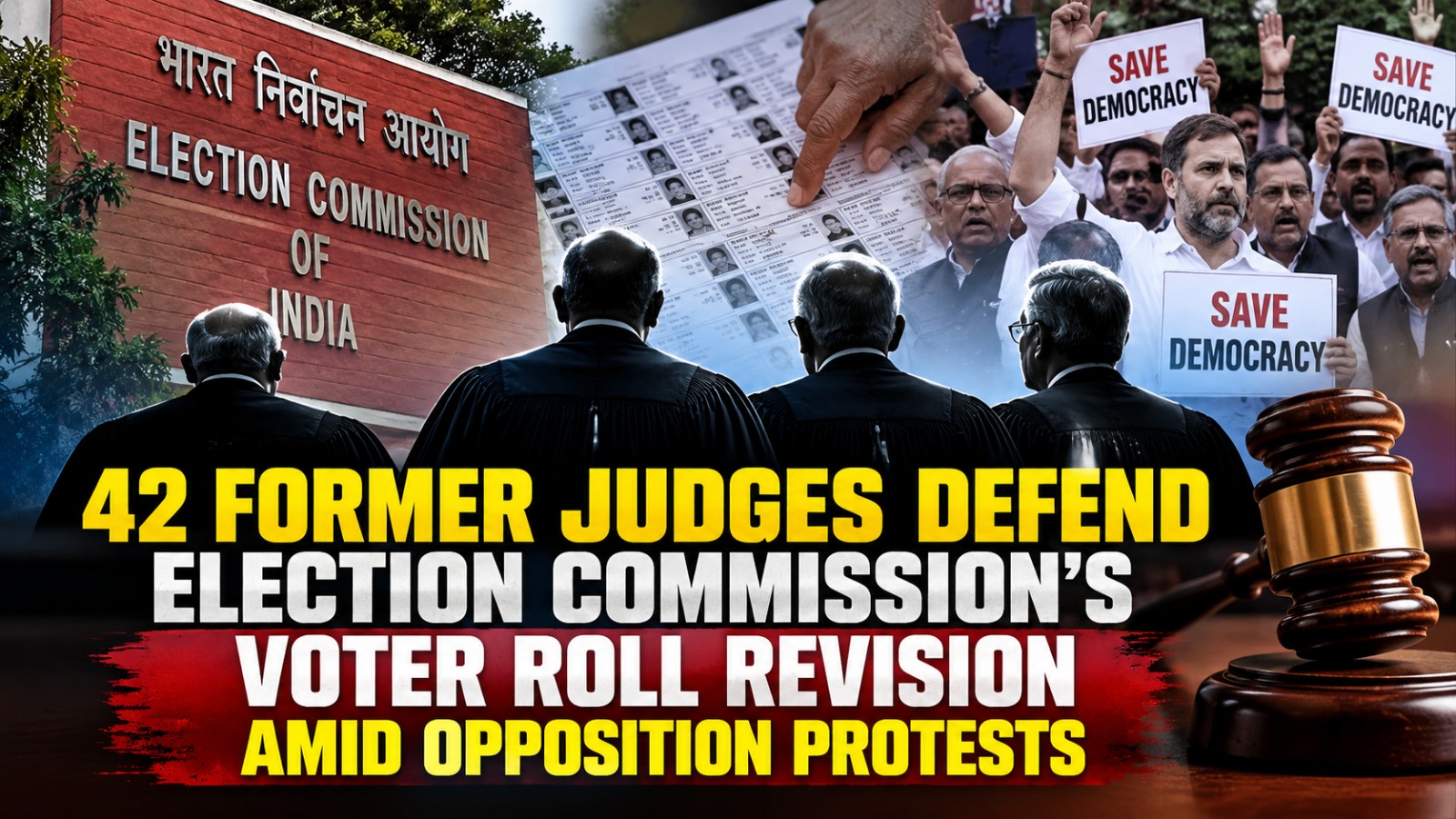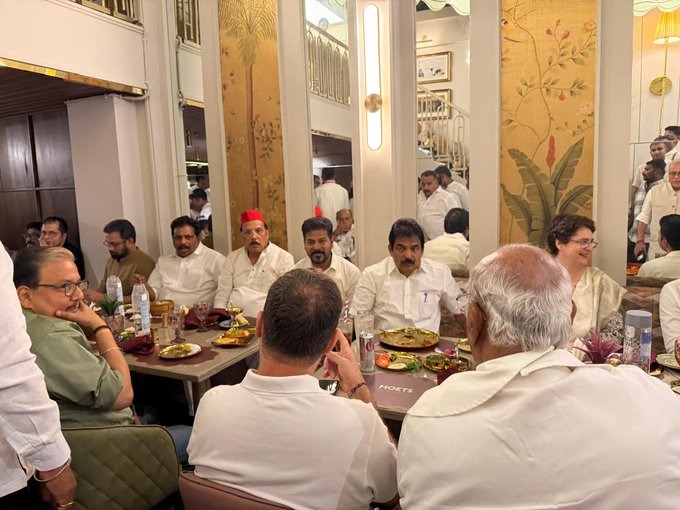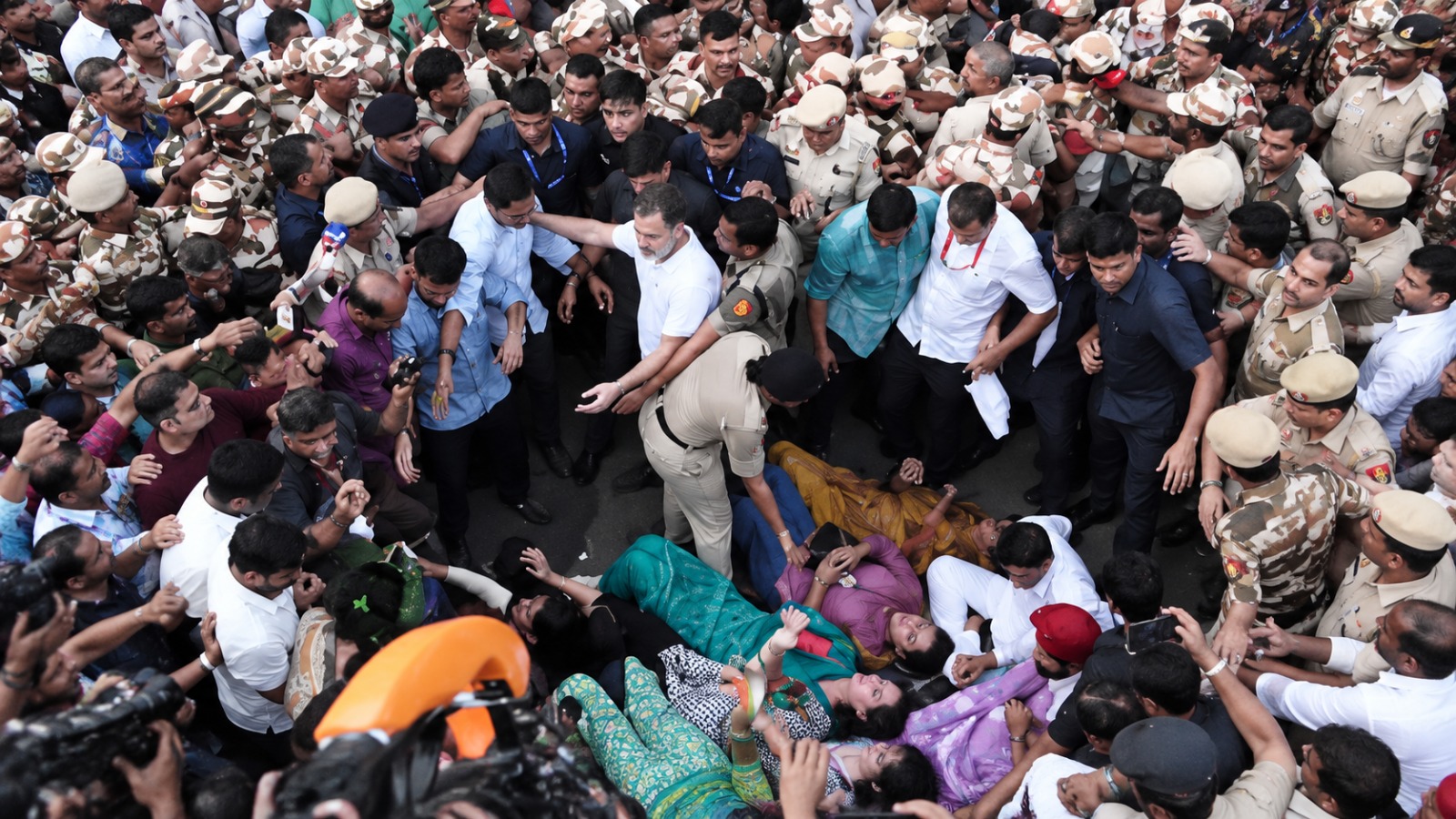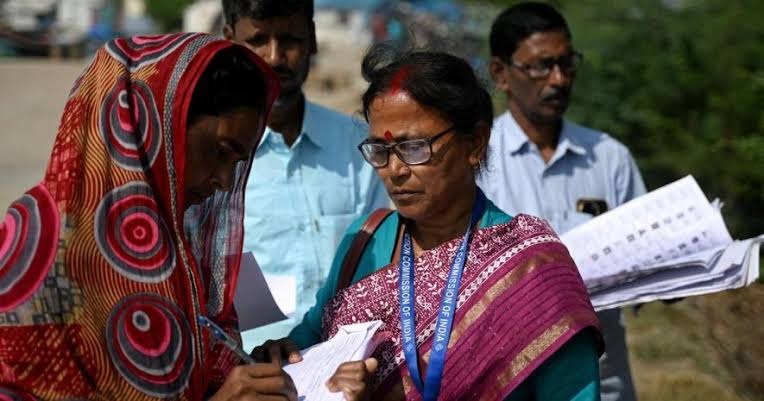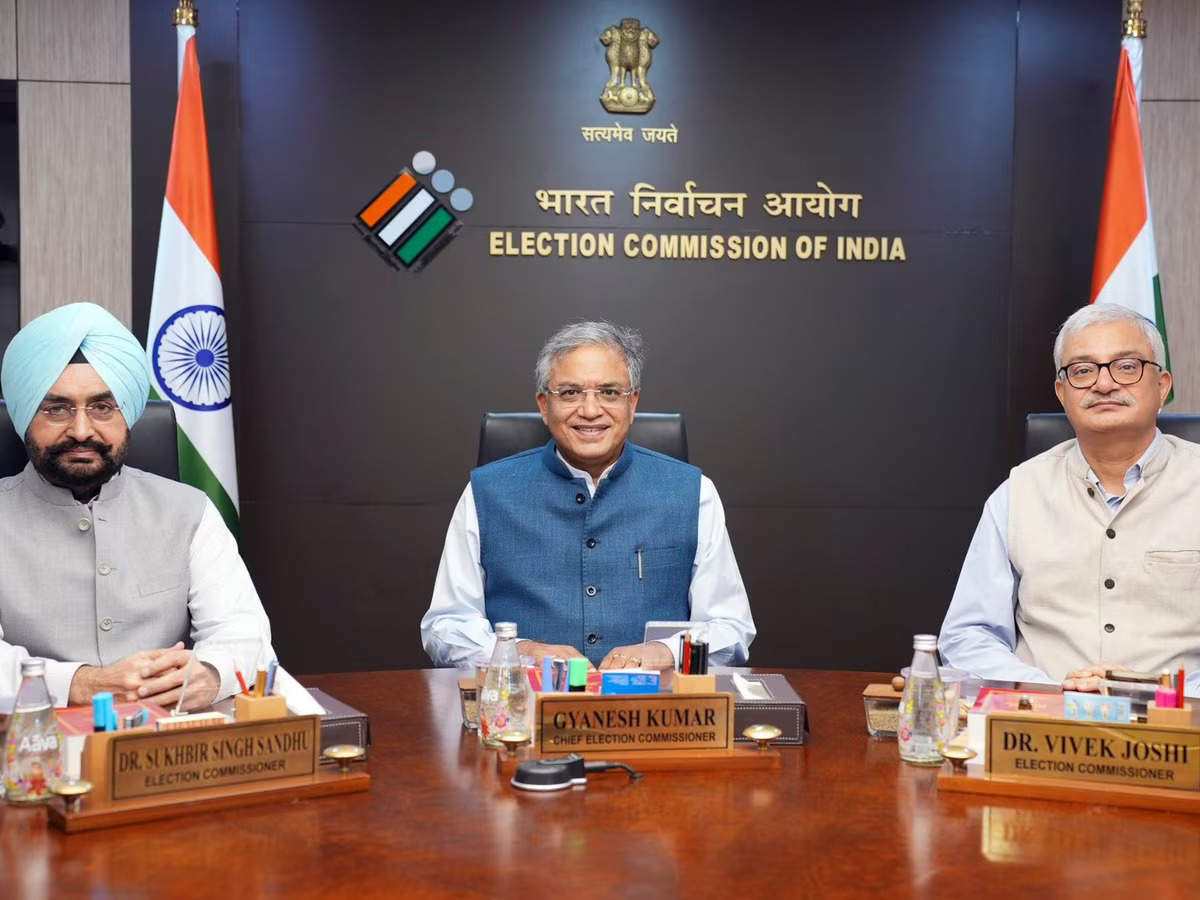
An exclusive investigation by journalist Ritika Chopra for ‘The Indian Express’ has revealed a deep and unprecedented divide inside the three-member Election Commission of India over the Special Intensive Revision (SIR) of electoral rolls. Two of the three Election Commissioners - Sukhbir Singh Sandhu and Vivek Joshi - formally recorded objections at least 14 times in 10 months against decisions they say were taken without their knowledge, including on additions and deletions of voters.
As reported in ‘The Indian Express’, the SIR exercise, which began in Bihar in June 2025 and later expanded nationwide, has so far struck more than 13 crore names off draft voter rolls across 30 states and Union Territories. The investigation by Chopra reconstructs how questions about who gets to vote and who is struck off - were raised repeatedly from within the Commission itself.
The investigation by ‘The Indian Express’ reveals that questions were raised on these very issues within the three-member Election Commission (EC) itself, time and again through much of this same period. By two of the three Election Commissioners, Sukhbir Singh Sandhu and Vivek Joshi, no less,” the newspaper reported.
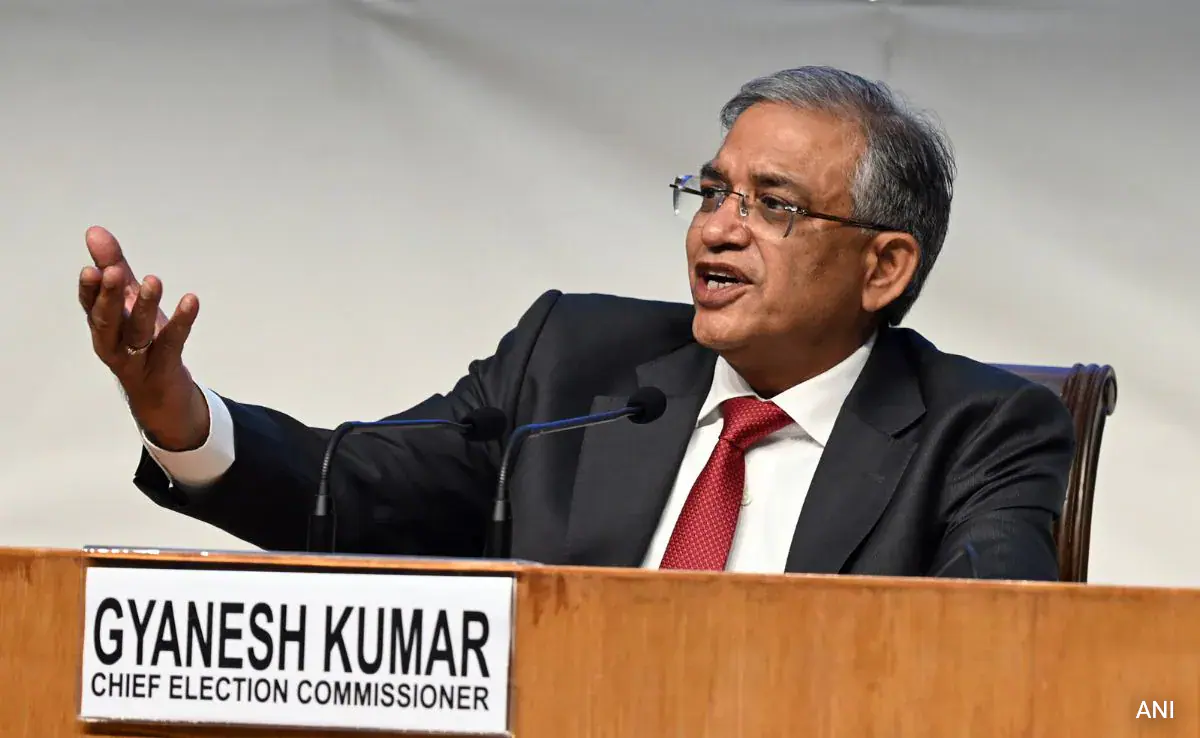
Sandhu and Joshi copied their objections to Chief Election Commissioner Gyanesh Kumar. They flagged moves they described as “unauthorised” and “illegal,” including changes to Form 6 for new voters, restrictions on state officials’ access to the voter database, and the filing of appeals in West Bengal. The full Commission did not meet for four months until September 9, after the two commissioners wrote separately to the Cabinet Secretary over changes in work allocation that they said reduced oversight of the IT system.
The Election Commission did not respond to questionnaires sent by ‘The Indian Express’.
West Bengal: Over 27 Lakh Deleted Under ‘Logical Discrepancy’
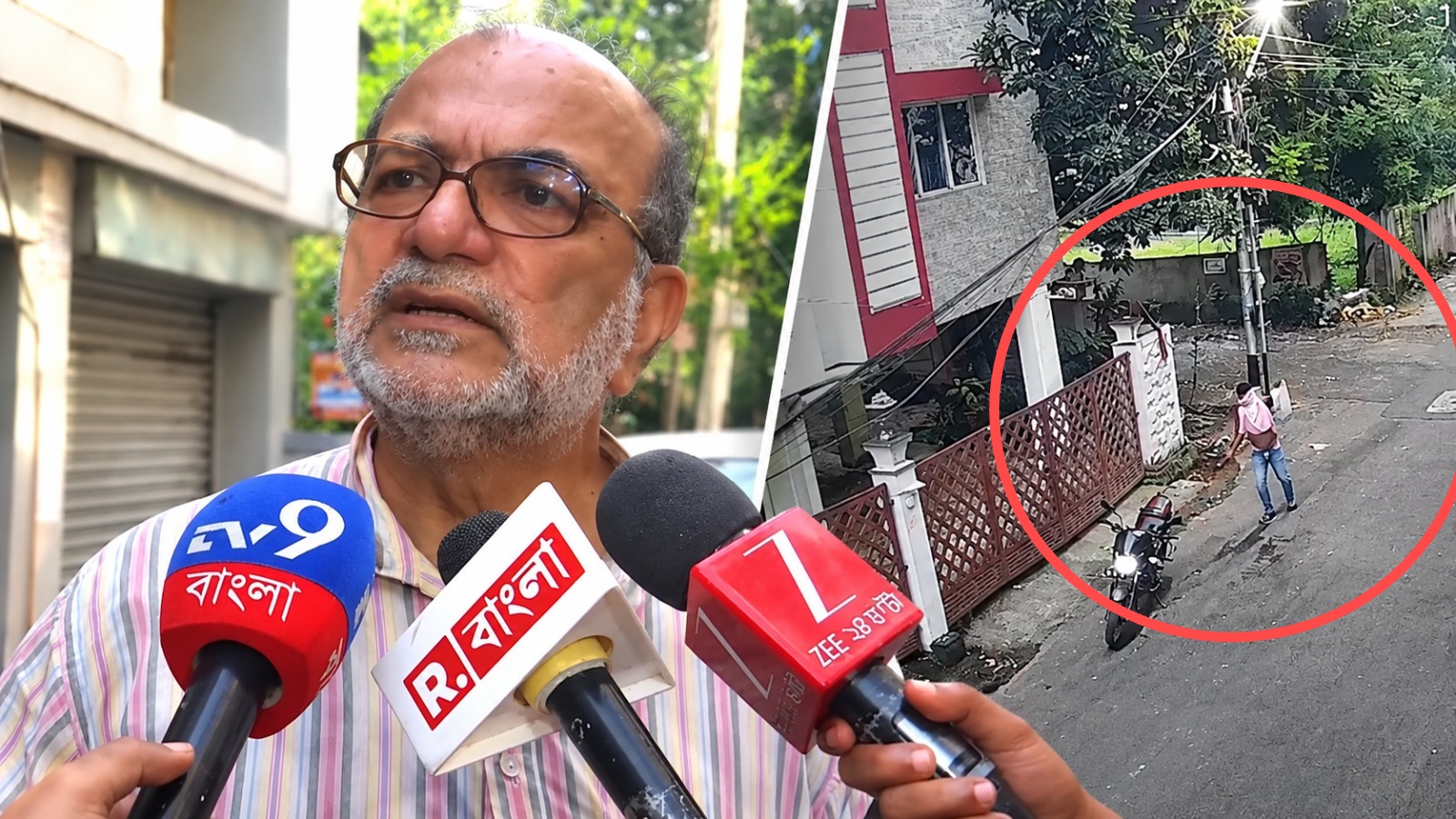
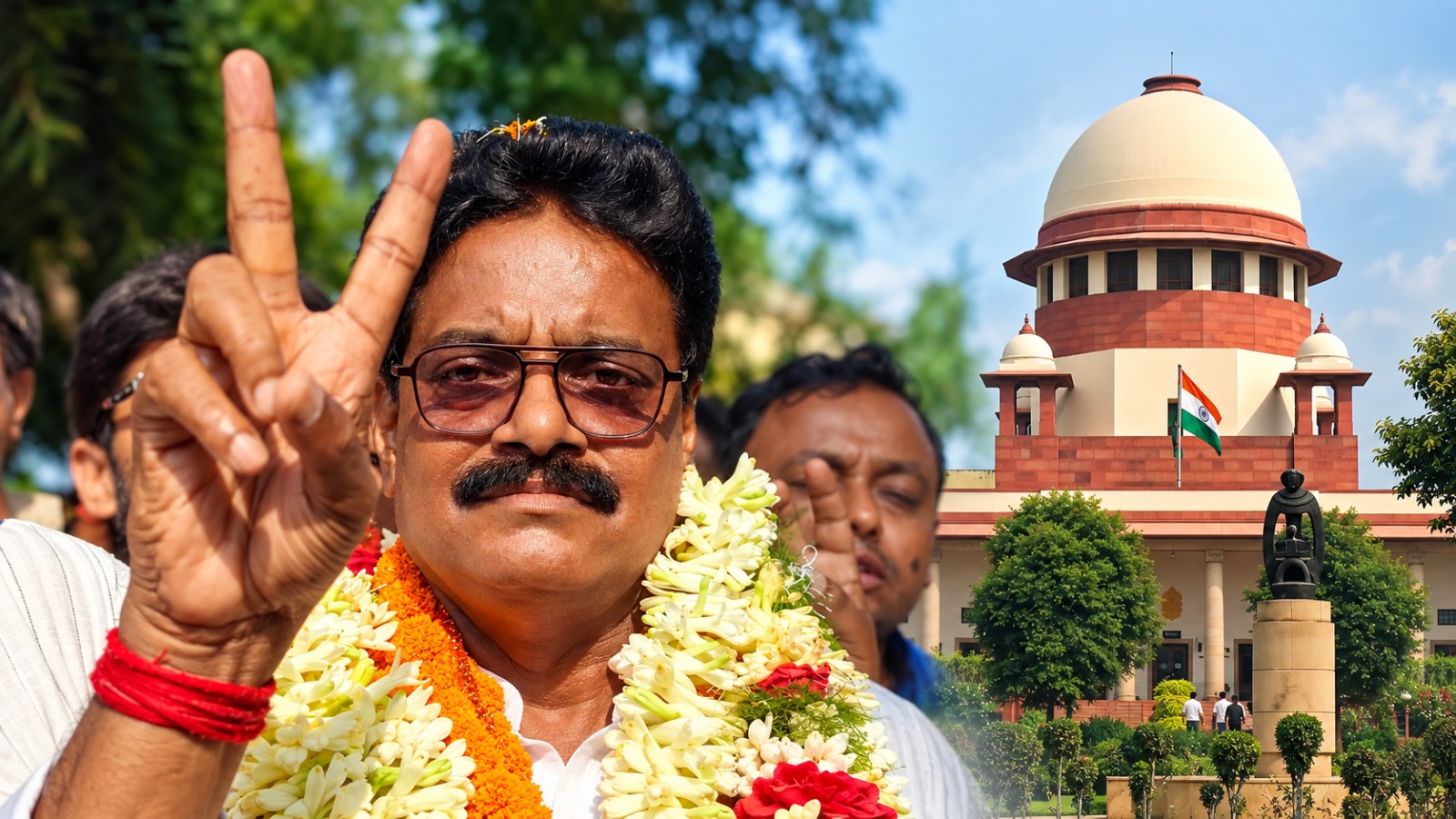
The SIR process was most contested in West Bengal. After the Supreme Court directed judicial officers to hear cases of voters flagged for “logical discrepancies” - software-generated mismatches such as name spellings, age gaps with parents or grandparents, or too many descendants linked to one ancestor - around 60 lakh cases went to adjudication.
Of these, over 27 lakh electors were subsequently deleted. The Indian Express investigation notes that this category of deletion, introduced during the exercise in Bengal, became a major flashpoint. Many of those struck off had submitted documents linking themselves to the 2002 rolls, yet were still removed.
Sandhu specifically questioned the 16.10 lakh appeals filed against voters whom judicial officers had included, seeking their deletion. “Who was authorised to file these appeals on behalf of ECI, and by whom?” and “Who actually filed these appeals on behalf of ECI?” he wrote to Commission officials, recording that neither he, Joshi, nor the state’s Chief Electoral Officer had been informed of the process.
The Commission later told the Supreme Court that 22.21 lakh of the deleted voters in Bengal had filed appeals seeking restoration, while 16.10 lakh appeals sought further deletions. In 49 Assembly seats that went to polls, SIR deletions exceeded the victory margin, though the seats were split between parties.
The newspaper reported that the two commissioners also objected to a change in Form 6 that began asking new applicants whether they or their parents or grandparents existed on the last SIR roll. Joshi had earlier warned that such a change required an amendment to the rules. Sandhu later described the implemented change as “unauthorised and illegal” and said it “must be removed immediately.”
They further raised alarms over what they called “gradual centralisation” of the electoral roll database through the ECINet system, warning that it could restrict the statutory powers of Electoral Registration Officers on the ground.
Under the 2023 law governing the Commission, business is to be transacted “as far as possible, unanimously,” with majority decision only when members differ. The two commissioners put on record that key orders were issued without their knowledge.
The probe by Ritika Chopra, based on internal exchanges seen by ‘The Indian Express’ and interviews with officials in Delhi, Kolkata, Goa and Mumbai, highlights the scale of the disquiet inside a constitutional body tasked with ensuring free and fair elections. The findings come as the SIR’s impact on the draft rolls more than 13 crore deletions nationally and over 27 lakh under logical discrepancy in Bengal - continues to fuel public and legal debate.