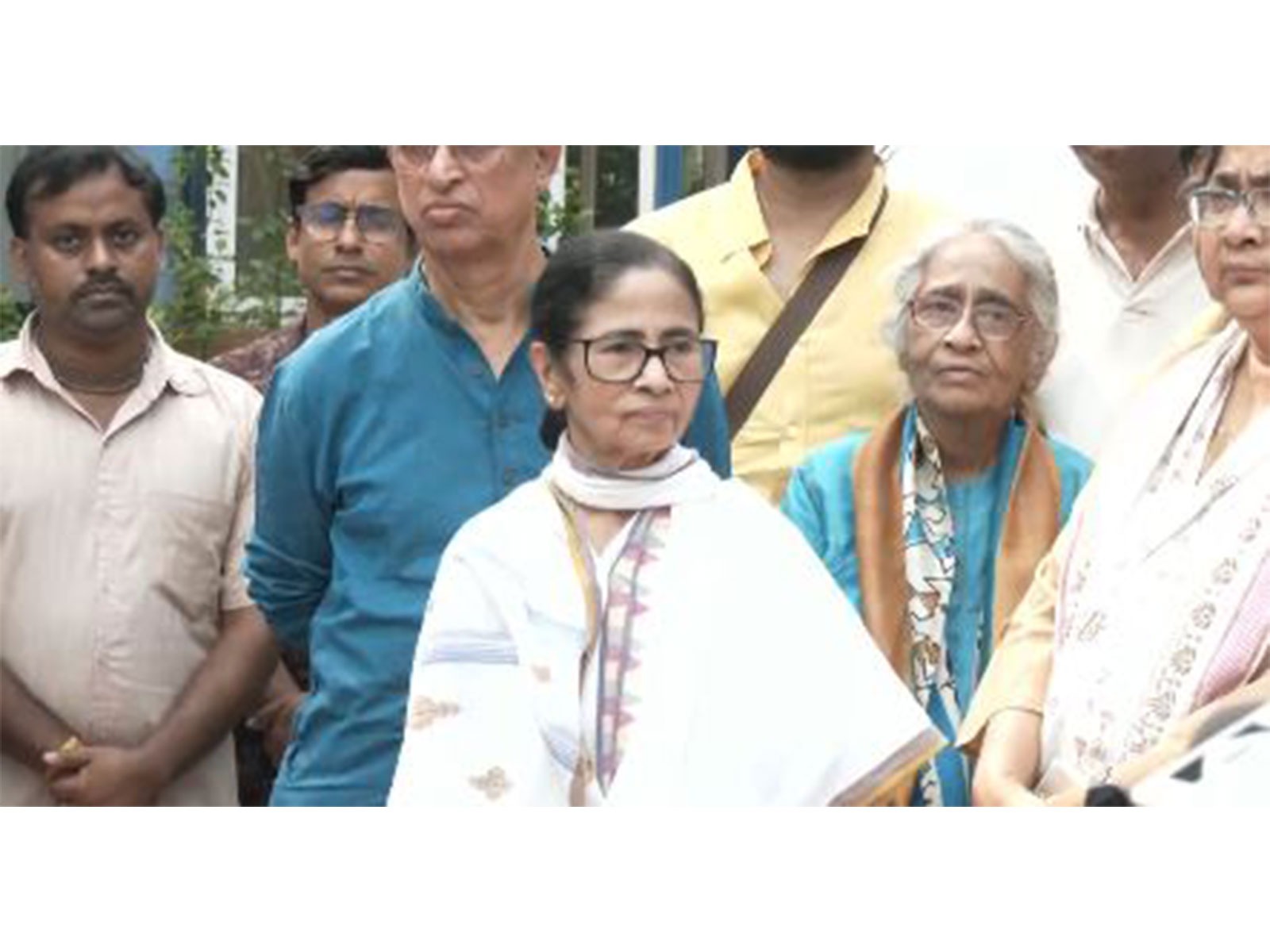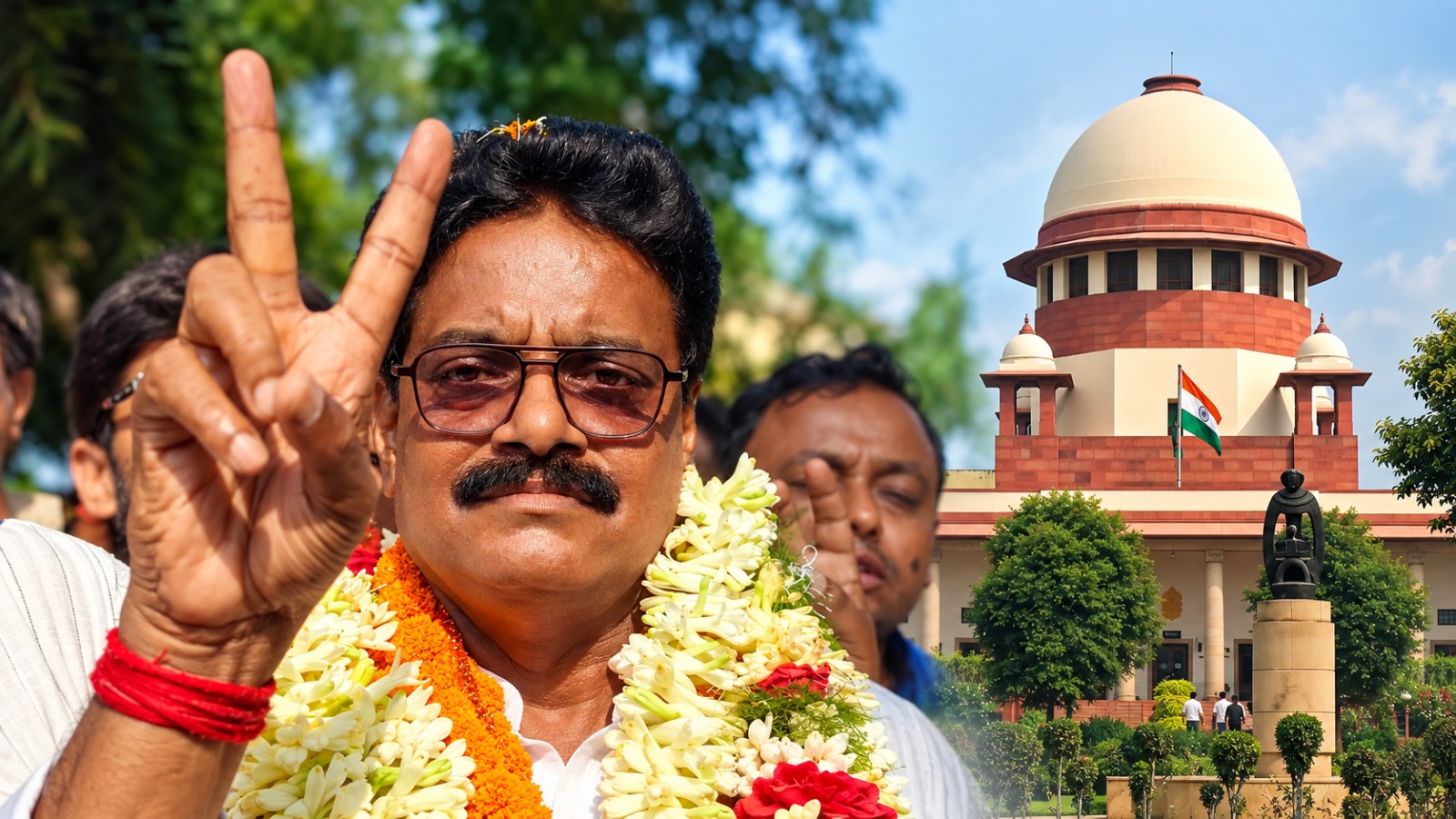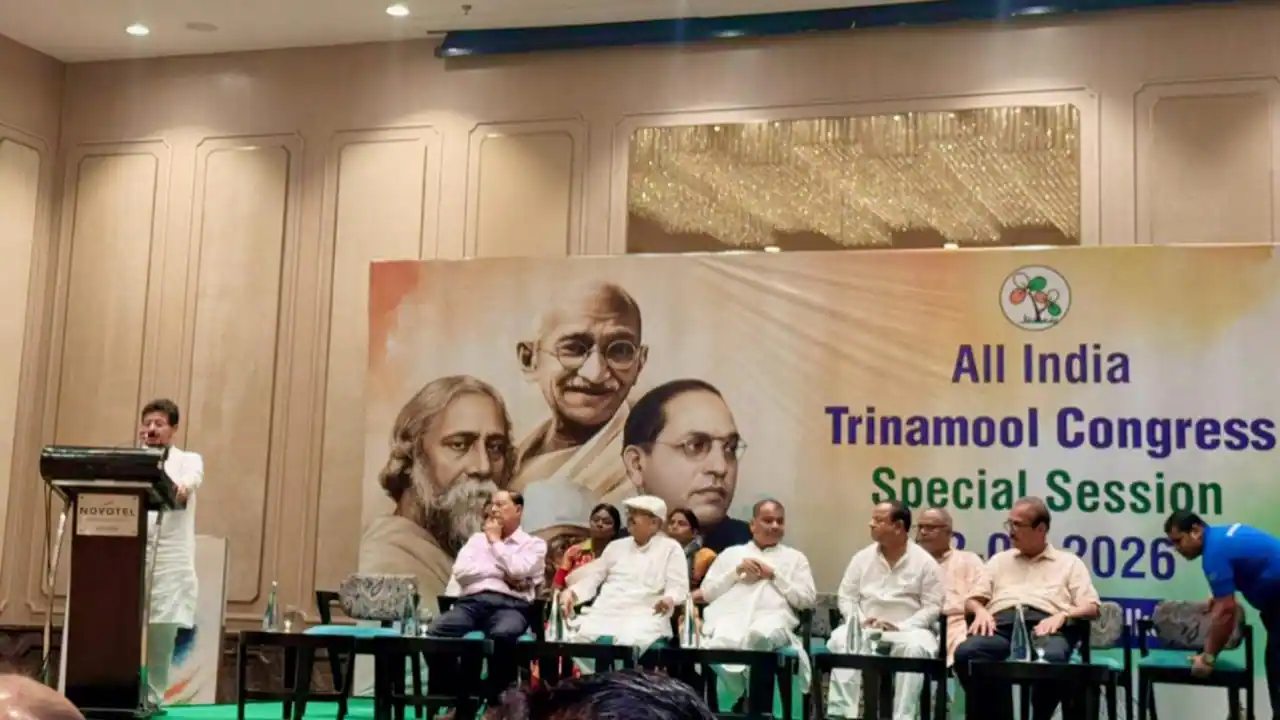
In a stunning development that has plunged the Trinamool Congress into its deepest internal crisis since its founding in 1998, a rebel faction led by West Bengal Leader of the Opposition Ritabrata Banerjee on Monday removed party founder and former Chief Minister Mamata Banerjee from the post of chairperson. The group, which calls itself the “real Trinamool,” unanimously elected veteran Howrah Central MLA Arup Roy as the new chairperson, suspended Abhishek Banerjee from his role as national general secretary, and announced the formation of a fresh 29-member National Working Committee. The rebels have declared their intention to formally approach the Election Commission of India (ECI) to seek recognition as the legitimate TMC and claim over the party’s reserved election symbol.
“Arup Roy has been with the party since its inception. He is the new chairperson now. We will be reaching out to the grassroots level and also start sending representatives to media soon. We are the TMC. Mamata Banerjee should be our guide and advisor”, said Ritabrata Banerjee during the press conference after their meeting at Novotel hotel in New Town, Kolkata.
The move follows the TMC’s crushing defeat in the May 2026 West Bengal Assembly elections, which reduced the party’s strength from 213 seats to just 80 and ended Mamata Banerjee’s 15-year tenure as Chief Minister. It also comes weeks after Ritabrata Banerjee and Sandipan Saha were expelled by the official party for alleged anti-party activities, and after the Assembly Speaker recognised Ritabrata as the Leader of the Opposition - a decision that remains under legal challenge in the Calcutta High Court.
Details of the Rebel Meeting
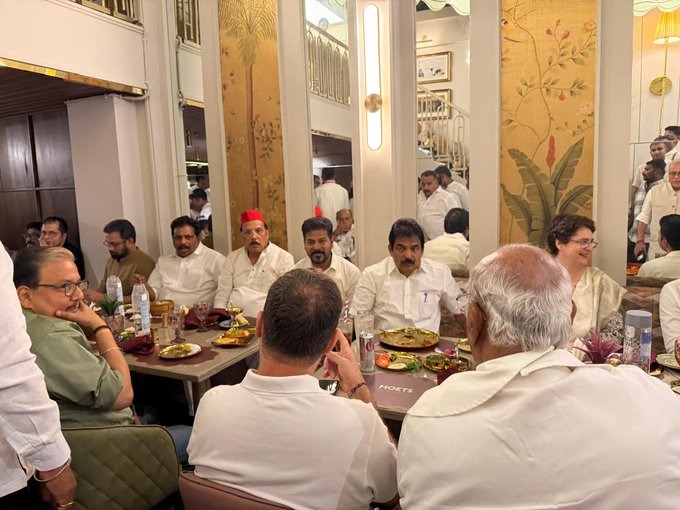
The rebel MLAs and councillors gathered at the private hotel ion nMonday evening. Sources from the faction claim the meeting had the backing of approximately 58 - 65 of the 80 TMC MLAs in the Assembly - well above the two-thirds threshold often cited in such disputes. Resolutions were passed removing Mamata Banerjee as chairperson and Abhishek Banerjee as national general secretary. Arup Roy was elected chairperson by voice vote.
New office-bearers were announced, including Aroop Biswas, Firhad Hakim, Rathin Ghosh and Sabina Yasmin as vice-presidents; Ritabrata Banerjee, Javed Khan, Sandipan Saha and Biplab Mitra as general secretaries; and Akhruzzaman Ansari as treasurer. A 29-member National Working Committee was constituted to steer the faction forward. Ritabrata Banerjee told reporters that the decisions were taken in accordance with the party constitution and that the group would soon communicate its position to the Election Commission. Reports suggest the faction has even offered Mamata Banerjee a ceremonial role as chief advisor.
Official Faction’s Strong Rejection
The Mamata Banerjee-led official TMC has dismissed the entire exercise as unauthorised and without legal standing. Senior leaders have described it as a “comedy show” engineered by disgruntled elements after the electoral loss. They maintain that only the legitimate central leadership and organisational bodies - firmly under Mamata Banerjee’s control - can take such decisions. The official camp insists the rebels have no authority to alter the party’s foundational structure or leadership.
The Central Battleground: Election Commission of India
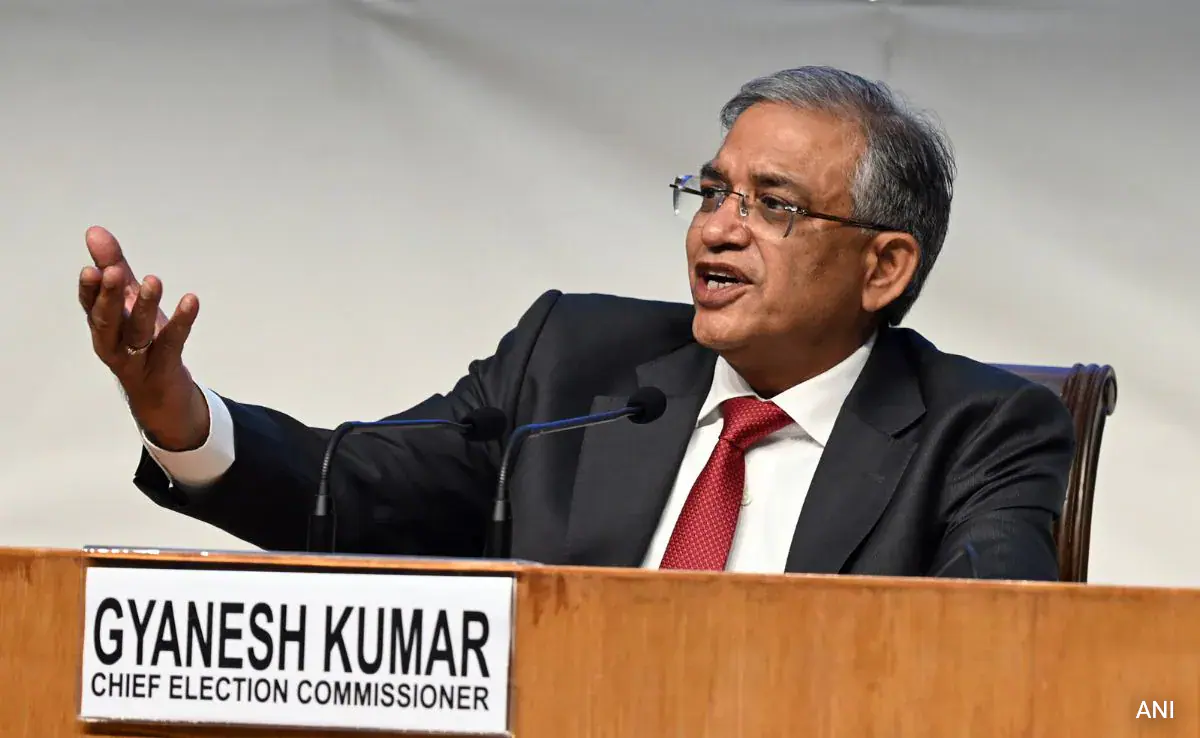
The real fight is now expected to shift to the Election Commission. The rebel faction has signalled it will petition the ECI seeking formal recognition as the authentic Trinamool Congress and, most importantly, the right to use the party’s iconic reserved symbol (commonly known as “Jora Phool” or twin flowers with grass).
Under ‘Paragraph 15’ of the Election Symbols (Reservation and Allotment) Order, 1968, the ECI is the sole authority empowered to adjudicate disputes between rival factions of a recognised political party over the party’s name and symbol. This power was upheld by the Supreme Court in the landmark “Sadiq Ali vs Election Commission of India (1971)” judgment.
The Commission examines two primary tests:
- Support within the organisational wing (central executive committee, state committees, and office-bearers).
- Numerical strength in the legislative wing (sitting MPs and MLAs).
When organisational loyalty is sharply contested, the ECI has historically given substantial weight to the faction commanding a clear majority in the legislature. The Commission’s decision is binding on all factions.
Precedents: How Similar Battles Played Out
This TMC crisis closely resembles two recent high-stakes splits that reached the ECI.
In the Shiv Sena split (2022–2023), the Eknath Shinde-led faction, which enjoyed the support of a majority of Maharashtra MLAs, was ultimately recognised by the ECI as the official Shiv Sena and awarded the party’s “Bow and Arrow” symbol. The Uddhav Thackeray faction had to contest later elections on a different symbol.
In the NCP split (2023), the Ajit Pawar-led group, backed by more MLAs, secured the party’s “Clock” symbol from the ECI, while Sharad Pawar’s faction adopted a new symbol (“Man Blowing Turha”).
In both cases, the ECI conducted detailed hearings, examined affidavits and representations from both sides, and ultimately leaned heavily on legislative majority when organisational structures were disputed.
How the TMC Dispute Is Likely to Pan Out Before the ECI
The rebel camp enters the fray with a strong numerical advantage - roughly 70%+ of TMC MLAs. They are expected to submit lists of supporting legislators, affidavits, and arguments that their meeting followed internal democratic processes. The official Mamata faction will counter by highlighting control over the party’s founding leadership, central organisational machinery, and loyalty of key office-bearers. They may also argue that the rebel meeting was not convened in accordance with the party constitution.
The ECI process typically unfolds in clear stages:
1. Both factions file detailed petitions with supporting evidence.
2. The Commission issues notices to the opposing side and seeks written responses.
3. Hearings are held (often with senior leaders or their legal representatives).
4. The ECI may seek additional clarifications, verify claims, or appoint observers in complex cases.
5. An interim order may freeze the symbol or direct both sides not to use it pending final resolution to prevent voter confusion.
The entire adjudication can take anywhere from several weeks to a few months. Once the ECI delivers its order, the losing faction can approach the courts, though past Supreme Court rulings have generally upheld the Commission’s authority in symbol disputes. Political observers note that whichever faction ultimately secures official recognition and the traditional symbol will hold a significant advantage in future elections, as West Bengal voters have long identified strongly with TMC’s established identity and imagery.
What Lies Ahead
This leadership rupture arrives at a delicate moment for TMC, now the principal opposition in West Bengal. A prolonged legal and political battle risks further fragmenting the party’s organisational base and diluting its ability to challenge the ruling dispensation effectively. It also raises larger questions about internal democracy, succession planning, and personality-driven versus institution-driven politics in regional parties. As both the rebel “real TMC” camp and the official Mamata Banerjee faction prepare their legal and organisational strategies, the coming weeks will test whether this is a temporary fracture or a lasting schism. The Election Commission’s eventual ruling will likely determine not just who controls the party’s name and symbol, but the future trajectory of opposition politics in West Bengal.