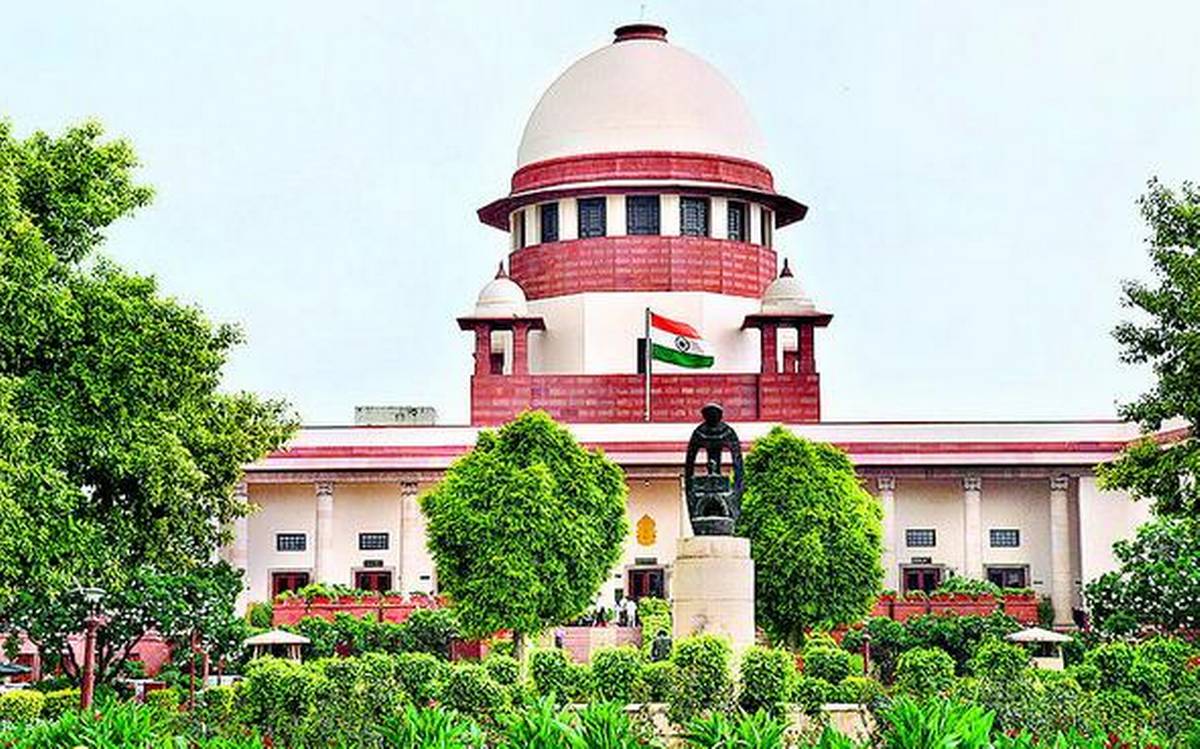
The Supreme Court on Friday stayed the Comptroller and Auditor General's (CAG) audit of Delhi's three private electricity distribution companies, directing that the status quo be maintained while it examines whether the Delhi Electricity Regulatory Commission (DERC) was legally empowered to appoint the national auditor.
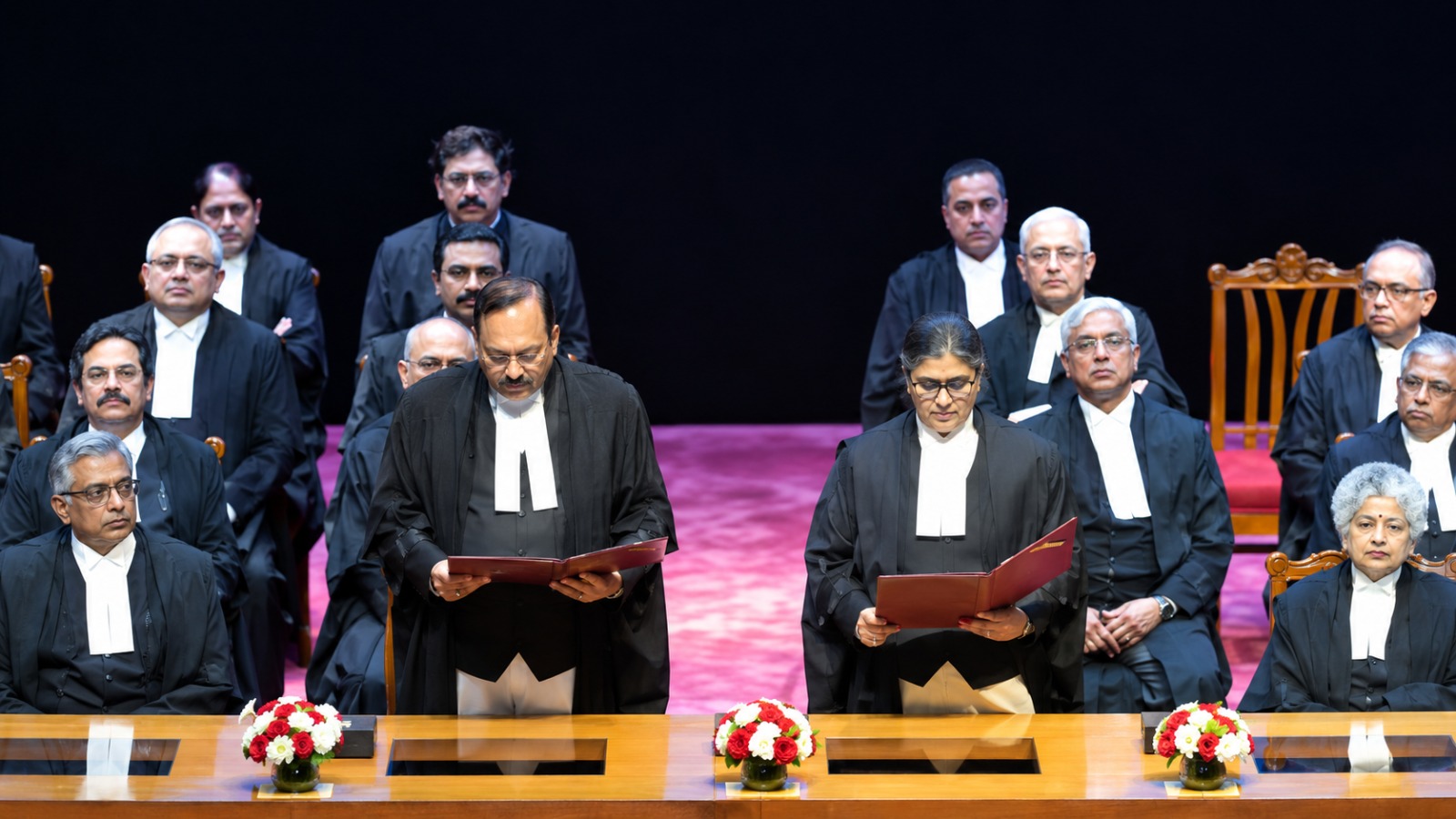
A bench of Justices KV Viswanathan and Shree Chandrashekhar passed the order while hearing DERC's appeal against an April judgment of the Appellate Tribunal for Electricity (APTEL). The tribunal had ruled that DERC's decision to entrust the audit to the CAG was inconsistent with the statutory framework and had instead directed the regulator to appoint an independent chartered accountant to conduct a detailed audit.
Observing that the matter raised an important legal question, the Supreme Court said, "The present civil appeal concerns directly the issue whether the action of the DERC in initiating the process of audit of the distribution companies by CAG is legally permissible."
While issuing notice on DERC's appeal, the bench stayed both the APTEL's direction to appoint a chartered accountant and the fresh CAG audit initiated by the Delhi government earlier this month. "Till further orders, there shall be a stay of the APTEL direction on appointing any chartered accountant for audit. The CAG shall also not proceed with audit in the meantime," the court directed.
The bench further ordered that the status quo be maintained until the matter is heard on 15 July by the same bench that had delivered the Supreme Court's judgment on 6 August 2025 concerning Delhi's regulatory assets.
That judgment had laid down the framework for the phased liquidation of regulatory assets until 2031 while directing a "strict and intensive audit" into how those liabilities had accumulated.
The interim order comes as a setback for the Rekha Gupta-led Delhi government, which had sought the CAG audit before permitting the recovery of more than ₹38,500 crore in regulatory assets from electricity consumers.
The dispute revolves around regulatory assets amounting to nearly ₹38,552 crore accumulated by Delhi's three private power distribution companies—BSES Rajdhani Power Ltd, BSES Yamuna Power Ltd and Tata Power Delhi Distribution Ltd.
These regulatory assets represent deferred costs arising primarily because electricity tariffs have remained unchanged for more than a decade despite increasing supply costs. The amount is ultimately recoverable from consumers through future tariff revisions.
Appearing for DERC, Solicitor General Tushar Mehta argued that the Lieutenant Governor had approved the CAG audit after complying with the procedural requirements identified by APTEL.
He submitted that the government's objective was to ensure consumers were not burdened with the recovery of regulatory assets before an audit determined how such liabilities had arisen.
"The direction was to liquidate. Liquidation has been prohibited by the LG yesterday. They want recovery without the audit. Consumers should not be saddled with the cost they will have to pay if they go ahead with the liquidation," Mehta argued.
The Supreme Court, however, questioned how the issue of liquidation of regulatory assets was relevant to an appeal dealing solely with the legality of appointing the CAG as auditor.
Representing the distribution companies, senior advocates Avishek Manu Singhvi and Buddy Ranganathan argued that the issues of auditing and recovery of regulatory assets were separate and distinct.
Referring to the Supreme Court's August 2025 judgment, Singhvi submitted that the roadmap for liquidating the regulatory assets had already been settled until 2031 and that the present proceedings were confined to determining whether the CAG could legally be appointed as auditor.
Observing that the interpretation of its earlier judgment would be central to resolving the dispute, the bench directed that the matter be placed before the same bench that had delivered the 2025 ruling, subject to the approval of the Chief Justice of India.