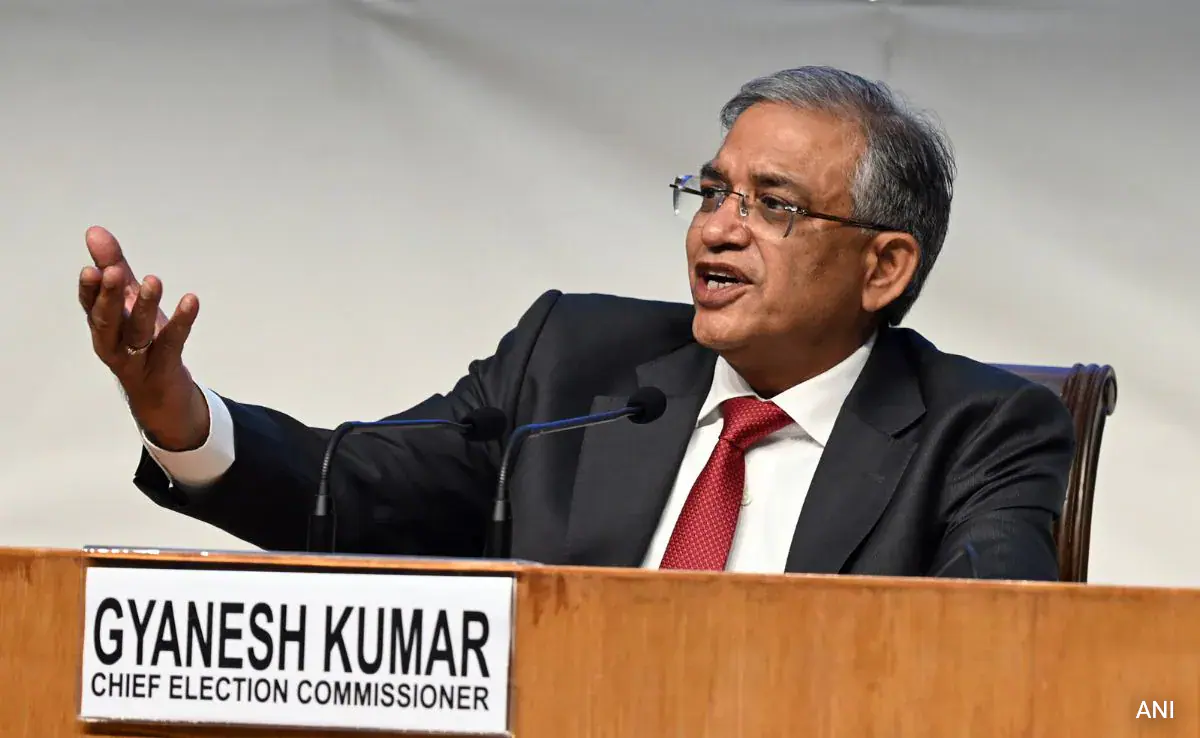
The Supreme Court has agreed to hear next week a petition questioning the functioning of the Election Commission of India (ECI) and alleging that Chief Election Commissioner Gyanesh Kumar took key decisions unilaterally, without consulting the two other election commissioners.
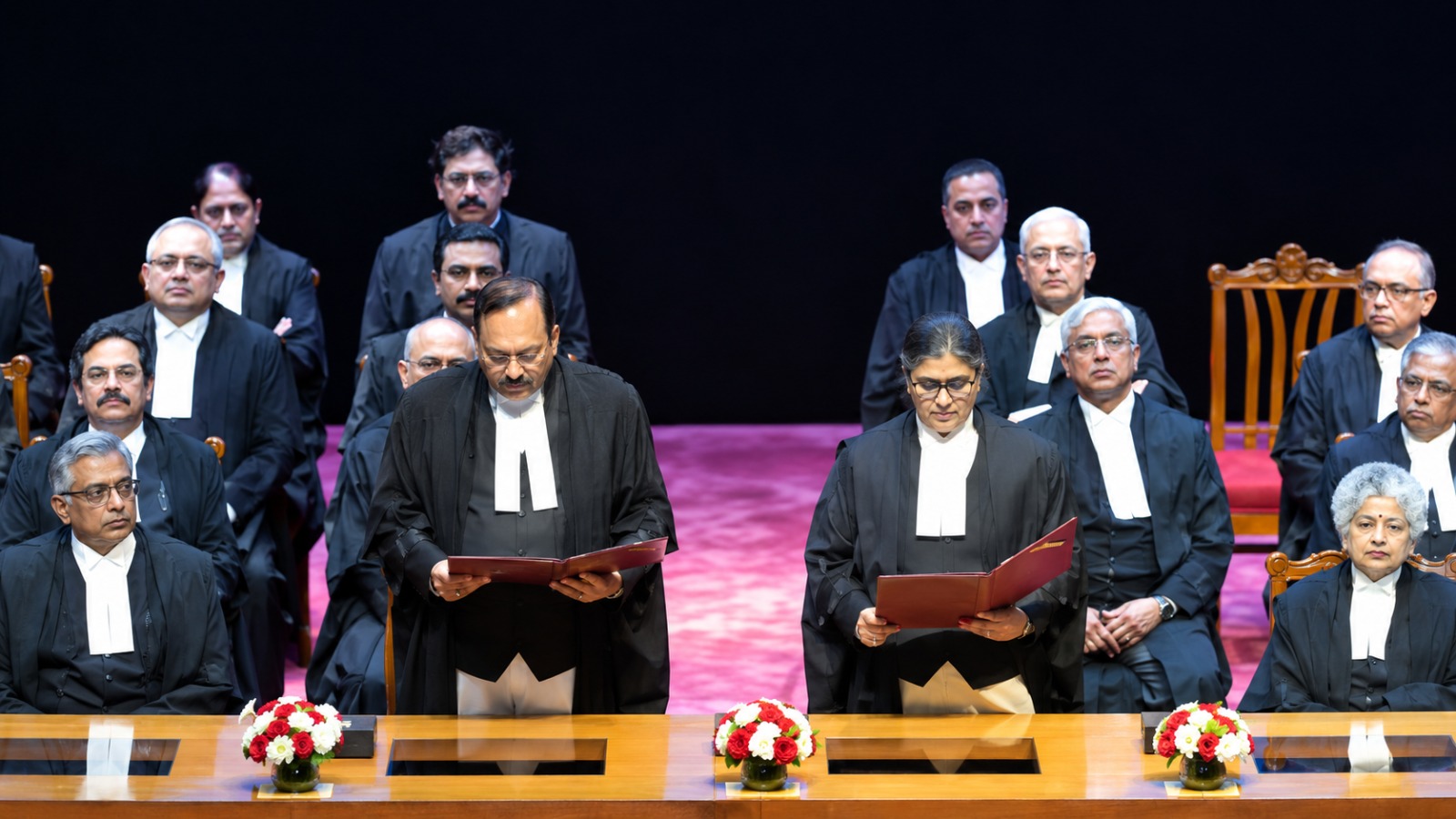
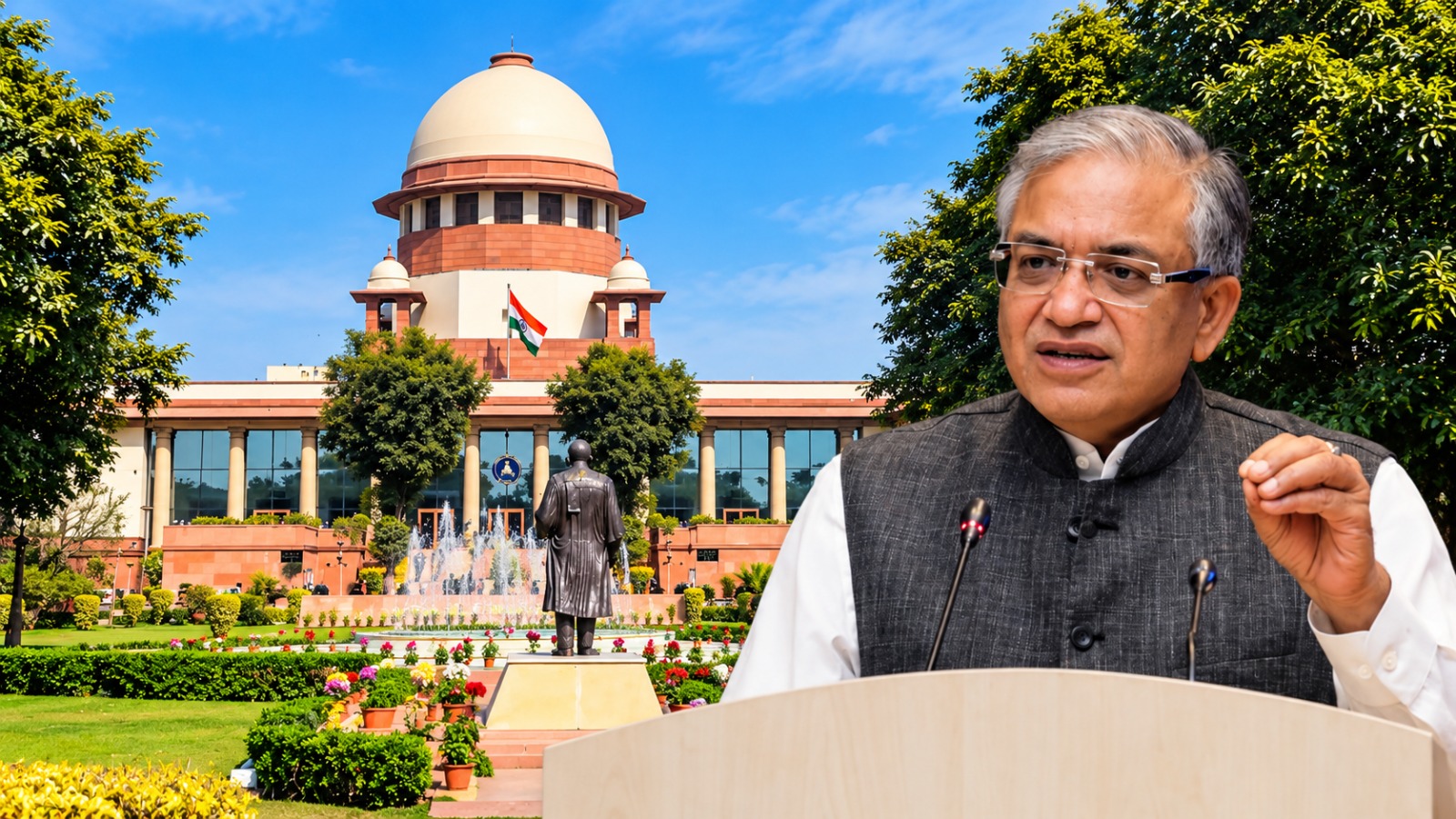
The matter was mentioned before a bench headed by Chief Justice of India Surya Kant, comprising Justices Joymalya Bagchi and Vipul M. Pancholi. Advocate Vikas Singh sought an early hearing, arguing that the functioning of the three-member constitutional body had raised serious questions about collective decision-making.
“The way the Election Commission is functioning raises serious questions about whether decisions are being taken unanimously,” Singh submitted before the bench, according to the account provided.
The court agreed to list the matter for hearing next week.
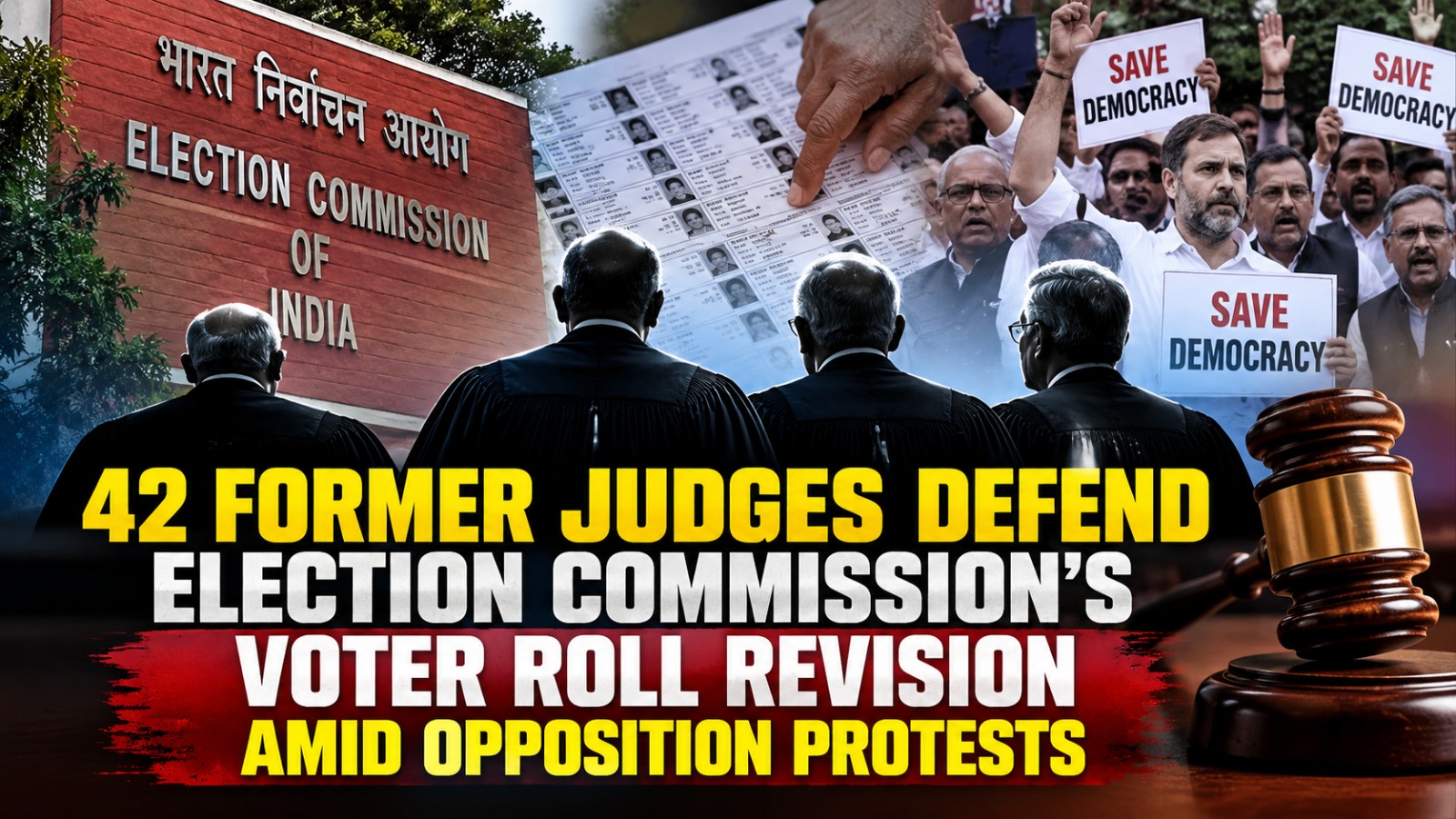
The petition comes amid mounting scrutiny of the Election Commission following reports of disagreements within the poll panel over decisions related to the Special Intensive Revision (SIR) of electoral rolls.
Plea alleges unilateral decision-making by CEC
The petition, filed by advocate Shailendra Mani Tripathi, challenges decisions, guidelines and software modifications allegedly undertaken by Kumar without the concurrence or majority approval of Election Commissioners Sukhbir Singh Sandhu and Vivek Joshi.
It seeks a declaration that such decisions are unconstitutional and invalid, along with a direction for an independent investigation into alleged irregularities in the electoral roll revision process.
The petitioner has also sought a writ of quo warranto, asking Kumar to explain the legal authority under which he allegedly exercised powers vested collectively in the Election Commission.
The plea further seeks action against officials allegedly responsible for violations of statutory duties, including the registration of criminal cases where warranted.
Dispute over Election Commission's internal functioning
The legal challenge follows an investigative report by The Indian Express, which reported that Sandhu and Joshi had raised objections on at least 14 occasions over a period of 10 months regarding decisions taken in the name of the Election Commission.
According to the report, the objections concerned electoral roll management, voter verification and changes to systems associated with the SIR exercise. The developments have triggered questions about transparency and the extent to which decisions were taken with the participation of all three members of the commission.
The Election Commission, however, has rejected allegations of unilateral decision-making. It has maintained that decisions relating to the SIR were taken collectively and that differences within the institution do not amount to a breakdown of its statutory functioning.
The petition has invoked Article 324 of the Constitution, which vests the superintendence, direction and control of elections in the Election Commission.
It has also relied on Section 18 of the Chief Election Commissioner and Other Election Commissioners (Appointment, Conditions of Service and Term of Office) Act, 2023.
The provision states that, as far as possible, the commission's business should be conducted unanimously. Where the Chief Election Commissioner and the other election commissioners differ on an issue, the decision is to be taken according to the majority view.
The petitioner argues that these provisions do not confer independent authority on the Chief Election Commissioner to exercise powers belonging to the commission as a whole.