NTT Desk
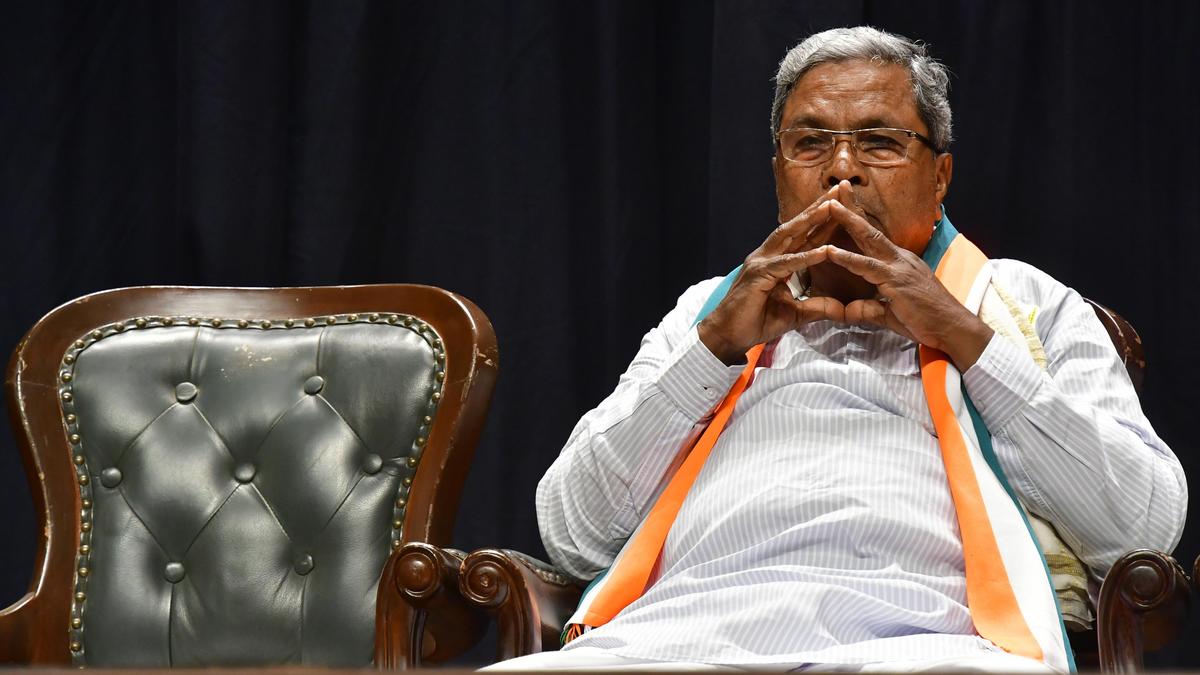
A major political shift appears to be unfolding in Karnataka as Chief Minister Siddaramaiah has reportedly informed his cabinet colleagues about his decision to step down, potentially paving the way for Deputy Chief Minister D K Shivakumar to take over the top post in the Congress-ruled state.
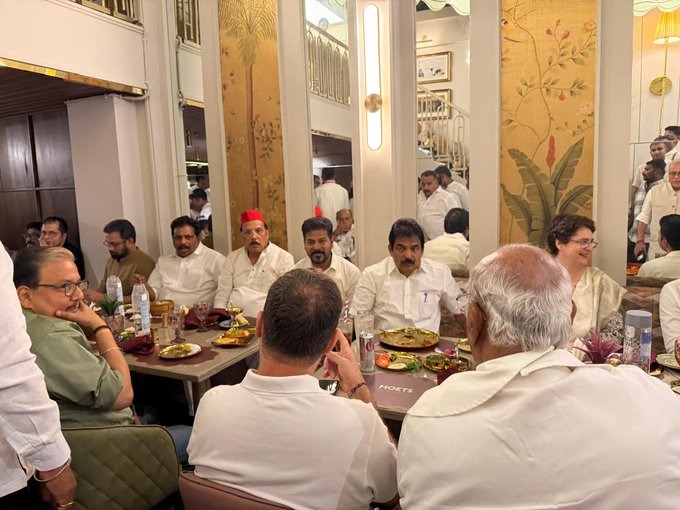
According to official sources, Siddaramaiah conveyed his decision during a breakfast meeting with ministers at his official residence in Bengaluru. The meeting, attended by Shivakumar and senior cabinet members, has intensified speculation that the Congress leadership has finally decided to implement a long-discussed power transition formula in Karnataka.
The development marks what could become one of the most significant political transitions in the state since the Congress returned to power in 2023. For months, rumours of a leadership-sharing arrangement between Siddaramaiah and Shivakumar have dominated Karnataka politics. Though the Congress leadership consistently avoided publicly confirming such an agreement, political observers have long believed that a rotational chief minister formula was at the heart of the uneasy balance between the party’s two tallest state leaders.
Sources indicate that Siddaramaiah may formally submit his resignation to Governor Thaawarchand Gehlot soon, although the Congress high command has continued to maintain official ambiguity over the transition.
The breakfast meeting itself has drawn enormous attention not merely because of the political message it carried, but also because of the optics. Reports described an unusually warm atmosphere between Siddaramaiah and Shivakumar, with photographs and visuals of the two leaders exchanging greetings and sharing breakfast quickly circulating across political circles and social media.
If Siddaramaiah steps down, it would bring an end to a defining chapter in Karnataka politics. One of the Congress party’s most influential mass leaders, Siddaramaiah has remained central to Karnataka’s political landscape for over a decade. His second tenure as Chief Minister began in May 2023 after Congress secured a decisive victory in the Assembly elections.
During his tenure, Siddaramaiah aggressively pushed the Congress government’s welfare agenda, especially the party’s flagship “guarantee schemes”, which became the political backbone of the Congress campaign in Karnataka. His administration also focused on caste-based welfare politics, minority outreach, and large-scale social spending programmes aimed at consolidating the AHINDA social coalition — minorities, backward classes and Dalits — that has historically formed his political support base.
However, despite the Congress government’s electoral success, tensions between Siddaramaiah and Shivakumar never fully disappeared. Shivakumar, widely regarded as the Congress’s most powerful organisational strategist in Karnataka, played a crucial role in rebuilding the party after years of political instability and defections. Since the 2023 election victory, his supporters have consistently argued that he deserved an opportunity to lead the government. Political analysts believe the current transition may be the result of prolonged negotiations involving the Congress high command in Delhi.
The anticipated change has also triggered mixed reactions within the Congress. While Shivakumar’s camp has reportedly begun quiet celebrations, several Siddaramaiah loyalists are believed to be uneasy about the transition, fearing a possible dilution of the social coalition that helped the Congress regain power in the state.
Senior Congress MLA R V Deshpande reportedly stated that Siddaramaiah had personally told him he had “decided to resign” and intended to honour the commitment made to the party leadership.
According to Deshpande, several legislators urged the Chief Minister to continue, but Siddaramaiah remained firm on his decision.
Even as speculation intensifies, Congress leaders at the national level continue to publicly deny that a final decision has been taken. AICC in-charge Randeep Singh Surjewala recently said that the party would inform everyone when an official decision is made. Still, the political mood in Karnataka suggests that the transition may now be inevitable.
If D K Shivakumar eventually assumes office, it would mark the culmination of a long political journey for the Congress troubleshooter, who has spent years consolidating his organisational influence within the party. His elevation would also signal a shift in the Congress’s governance style in Karnataka — from Siddaramaiah’s welfare-heavy political approach to a potentially more aggressive administrative and electoral strategy under Shivakumar.
For the Congress, the leadership transition carries both opportunity and risk. A smooth transfer of power could project internal discipline and reinforce the party’s image ahead of future elections. But any visible factional conflict may also expose fault lines within the state unit at a politically sensitive moment.
For now, Karnataka politics remains on edge, waiting for the official announcement that could reshape the state’s political future.