
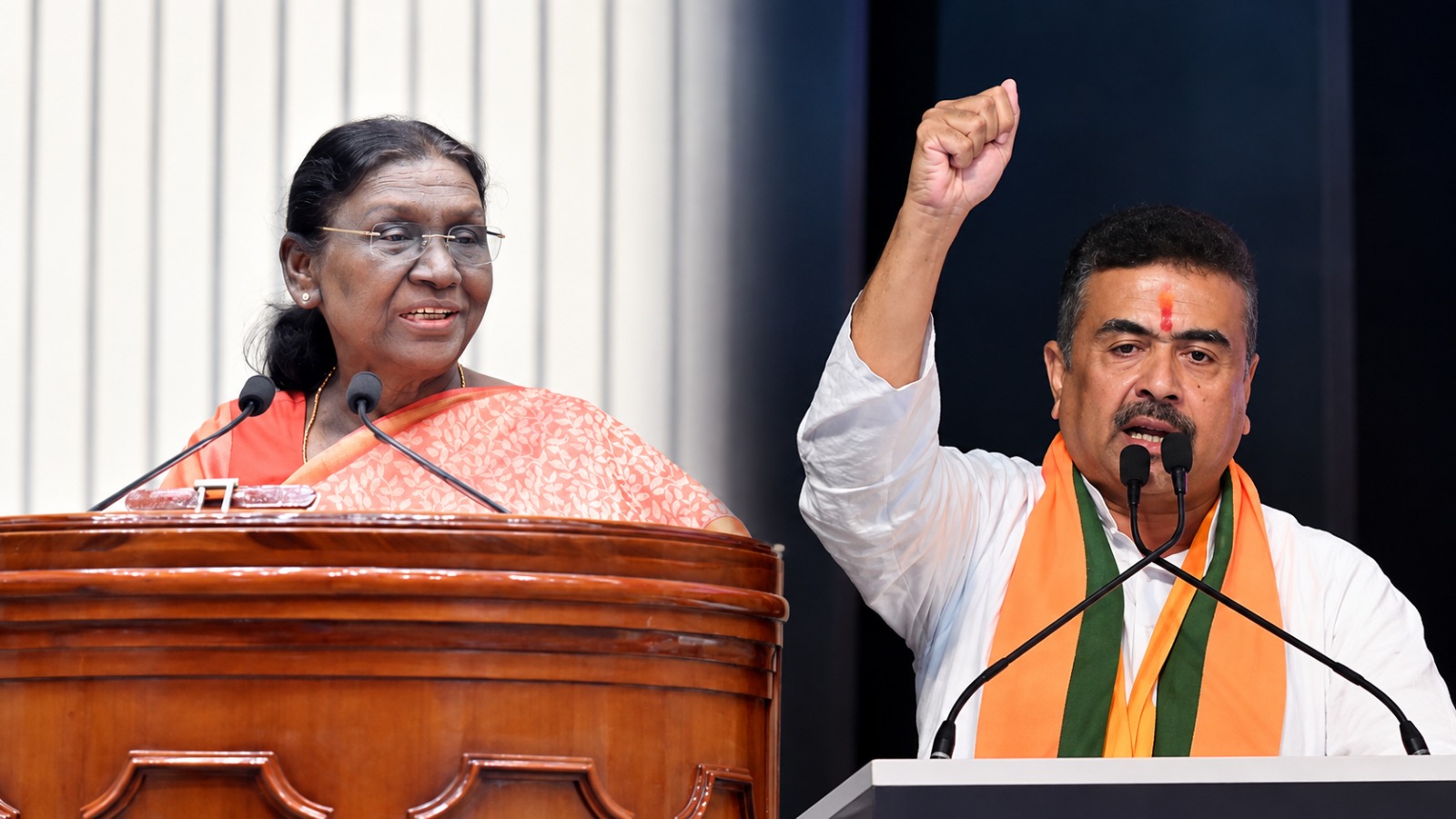
President Droupadi Murmu returns legislation for reconsideration after the Centre raises constitutional concerns over overlapping drug-related provisions, putting the BJP government's flagship public-safety measure under renewed scrutiny.
West Bengal's proposed anti-goonda legislation has run into a significant constitutional hurdle, with President Droupadi Murmu returning the West Bengal Public Safety and Control of Anti-Social Activities Bill, 2026, for reconsideration following objections from the Centre over its overlap with existing central laws.
The decision, reported on Friday, raises questions about the legislative framework pushed by the BJP government under Chief Minister Suvendu Adhikari, particularly its provisions for preventive detention and restrictions on the movement of people accused of anti-social activities.
At the heart of the dispute is not the stated objective of maintaining public order, but whether the state can introduce a parallel mechanism to deal with offences already covered by central legislation.
As per reports, the Centre has specifically objected to the Bill's inclusion of offences under the Narcotic Drugs and Psychotropic Substances (NDPS) Act, 1985, within its definition of a “goonda”.
Centre flags conflict with NDPS framework
In its note recommending reconsideration, the Centre argued that Section 2(d)(iii)(B) of the proposed legislation could overlap with the preventive-detention provisions of the Prevention of Illicit Traffic in Narcotic Drugs and Psychotropic Substances Act, 1988 (PITNDPS Act).
The Centre's objection, as quoted by The Indian Express, states: “The proposed provision may, therefore, create an overlapping or parallel preventive-detention mechanism in respect of drug-related activities and may give rise to an issue of repugnancy under Article 254 of the Constitution of India.”
Article 254 of the Constitution deals with inconsistencies between central and state laws on matters in the Concurrent List. Where the provisions of a state law conflict with a law enacted by Parliament, constitutional questions arise over which law will prevail.
The Centre has recommended deleting the reference to NDPS offences from the relevant provision to avoid duplication with the existing central framework. The objection, therefore, concerns the legal scope and operation of the proposed law rather than a rejection of its stated public-safety objective.
What does the Bill propose?
Introduced in the West Bengal Assembly in June 2026, the West Bengal Public Safety and Control of Anti-Social Activities Bill seeks to define anti-social activities and establish powers to prevent individuals classified as “goondas” from engaging in such activities.
The proposed legislation provides for preventive detention and gives designated authorities the power to restrict an individual's movement.
Under the Bill, a district magistrate, commissioner of police or an authorised police officer not below the rank of deputy inspector general may direct a person to leave a specified area, district or districts and prohibit their return for a period of up to one year.
Authorities may also require the individual to report their movements or appear before a designated authority at specified times.
These provisions have been central to the political controversy surrounding the Bill.
The power to restrict movement and detain individuals on preventive grounds places considerable responsibility on the authorities implementing the law. Its operation would therefore depend not only on the wording of the legislation but also on the safeguards, procedures and scope for judicial scrutiny available to those affected.
The BJP government has defended the measure as necessary to curb anti-social activities. However, the return of the Bill has brought its legal architecture and proposed enforcement powers back into focus.
Political claims meet the question of legal validity
The controversy has also been marked by conflicting claims over whether the legislation had already become law.
Chief Minister Suvendu Adhikari had earlier assured the Opposition that the proposed legislation would not be used for political vendetta.
“The administration will act in accordance with the law, and there will be no misuse of the law in any way,” Adhikari had said.
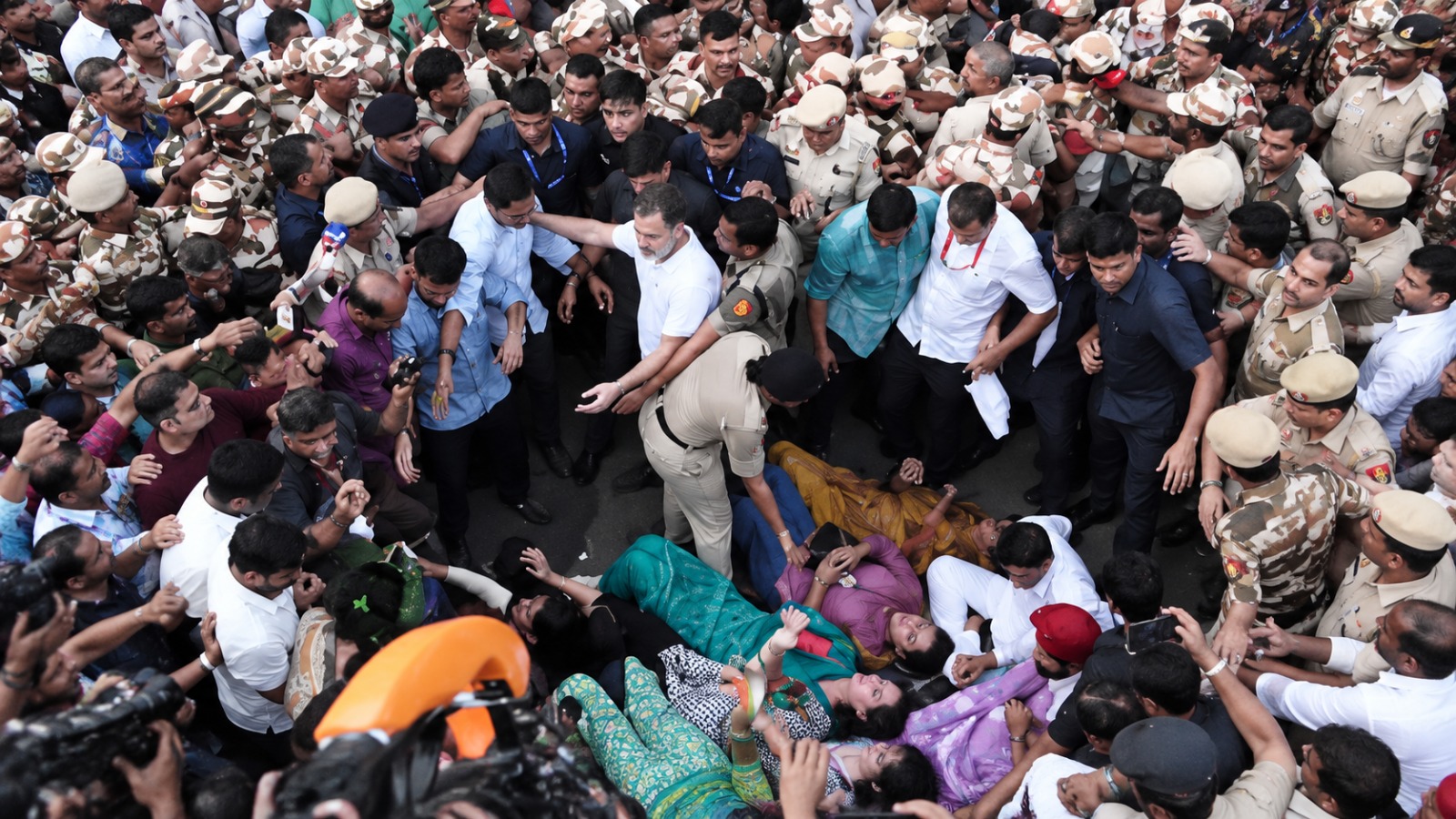
However, the legislation's status became an issue before the Calcutta High Court after Adhikari reportedly claimed that the measure had received the Governor's assent and had been invoked against those accused of violence during the July 24 protest march at Esplanade.
The state subsequently informed the High Court that the Bill was still awaiting Presidential assent and had not yet become law.
The distinction is significant: political announcements about enforcement cannot substitute for the constitutional process required to bring legislation into force.
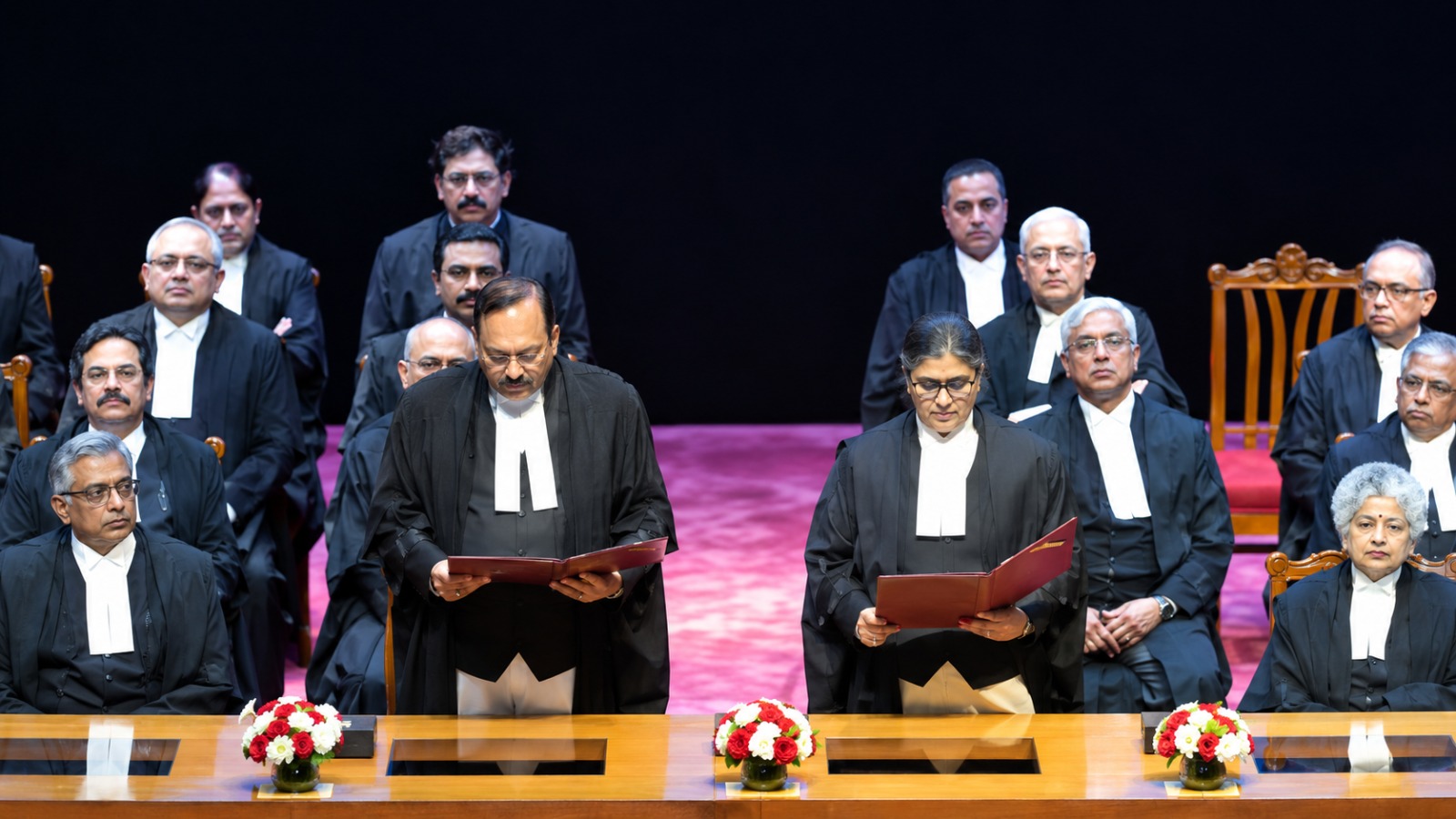
On August 6, a division bench of Justices Tapabrata Chakraborty and Partha Sarathi Chatterjee dismissed three public interest litigations challenging the Bill, holding that the petitions were premature in the absence of Presidential assent.
The bench clarified that the petitioners would be free to challenge the legislation's validity once the required assent had been obtained and the law promulgated.
Bill returns to Assembly's legislative process
The immediate consequence of the President's decision is that the state government must reconsider the disputed provisions before proceeding further.
A senior state administration official, quoted by The Indian Express, acknowledged the setback but indicated that the government could amend the Bill and place it before the Assembly again.
The official said the legislation could be sent back for Presidential assent after making the necessary changes to provisions that conflict or overlap with central law.
The episode leaves the Adhikari government with a legislative task that goes beyond political assurances about public safety. Any revised Bill will have to address the Centre's specific objections while defining the limits of preventive detention and the powers of the state administration.
For now, the proposed law remains a Bill awaiting the completion of the constitutional process. Its stated objective of curbing anti-social activity, the scope of its enforcement powers and the safeguards against potential misuse remain questions that the legislature and, if necessary, the courts may have to examine.