The Supreme Court on Tuesday ordered status quo on ethanol allocation to oil marketing companies after the Centre told the court that India’s 20% ethanol blending (E20) programme is still an ongoing experiment and its full results will be known next year.
The case arose after Bharat Petroleum Corporation Limited (BPCL) challenged a Karnataka High Court order directing oil marketing companies to reconsider and increase ethanol allocation to a distillery for the 2025–26 supply year. The Centre argued that changing allocations now would disrupt the national ethanol blending programme.
Appearing for the government, Attorney General R. Venkataramani said ethanol supply contracts were finalised in October 2025 and reopening them could lead to similar demands from other suppliers. He informed the court that allocations had been made to 378 suppliers for about 1,050 crore litres of ethanol, of which nearly 680 crore litres had already been supplied by mid June.
Attorney General Venkataramani also informed the Supreme Court that the ethanol blending programme is an ongoing experiment and the impact of the policy would be clearer by next year, according to India Today.
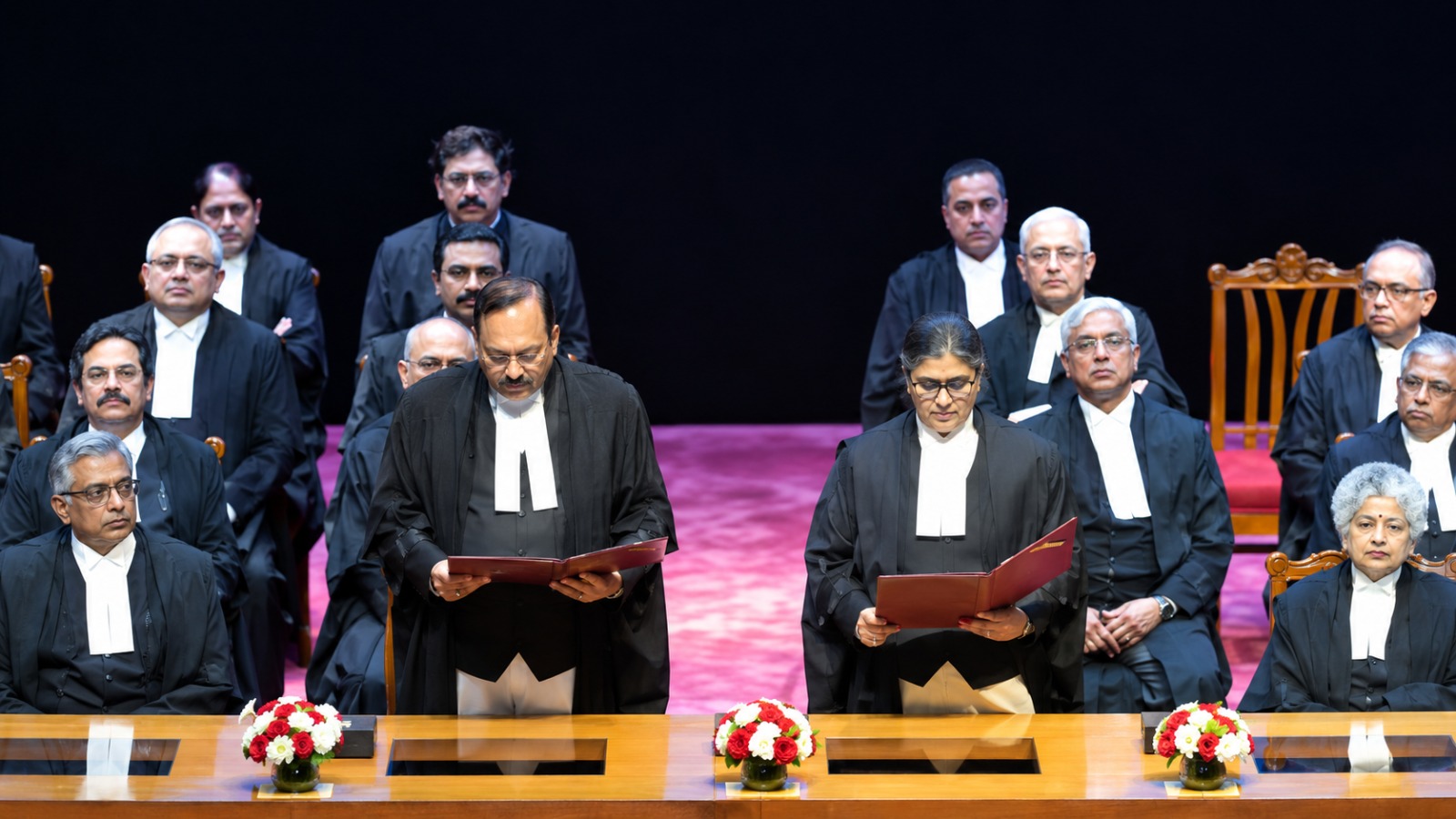
A bench of Justices M.M. Sundresh and Sheel Nagu directed that the current arrangement will continue until the next hearing and issued notice in the matter.
The Karnataka High Court had earlier ruled in favour of a distillery that claimed it received a lower ethanol allocation despite investing heavily in production capacity.
The Centre also defended the E20 programme, saying that there is no conclusive evidence that it damages vehicles. It maintained that methanol blending helps improve energy security, support farmers and reduce fuel imports, while reiterating it’s target of achieving 30% Ethanol blending by 2030.